





















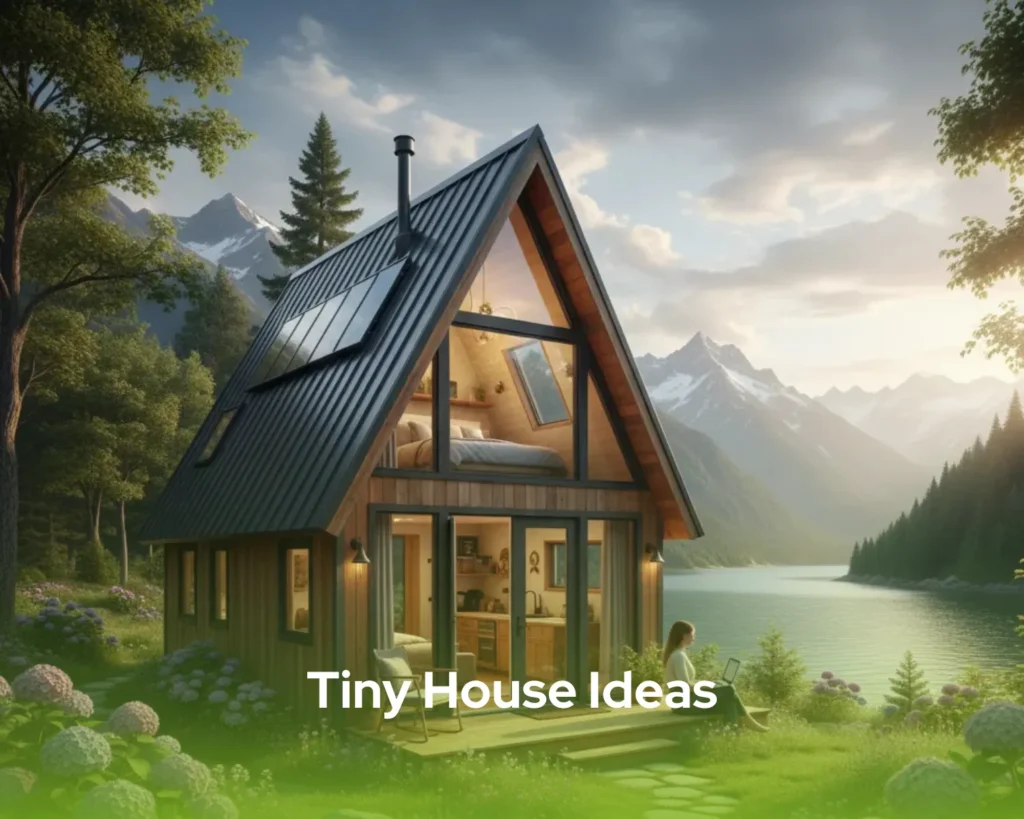
As housing trends continue to shift toward flexibility, sustainability, and efficient use of space, tiny house ideas are gaining global attention. These compact living solutions are no longer seen as temporary alternatives but as long term, well designed housing concepts that support modern lifestyles.
In this guide, we explore the most effective tiny house ideas, how they are designed, where they are used, and how modern prefabricated construction systems support their growing popularity.
Why Tiny House Ideas Are Reshaping Modern Housing
The rise of tiny house ideas is closely linked to changing expectations around housing. The tiny house movement is widely associated with minimalist living and mobile housing concepts.People now prioritize:
-
Efficient space usage
-
Lower energy consumption
-
Faster construction timelines
-
Adaptable living solutions
Tiny houses respond to these needs by combining architectural efficiency with thoughtful design, making them suitable for both urban and remote environments.
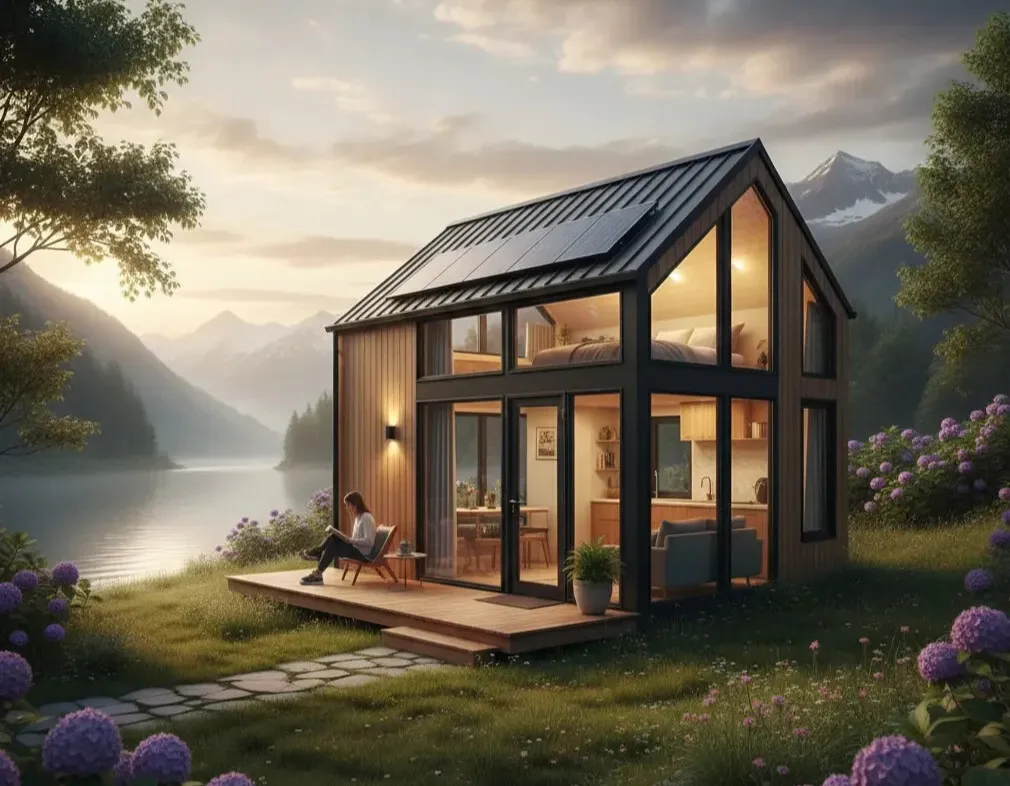
Core Principles Behind Successful Tiny House Ideas
To fully understand tiny house ideas, it is important to examine the design principles that make them functional and comfortable.
Smart Space Planning
Every square meter must serve multiple purposes. Storage-integrated furniture, flexible layouts, and open-plan designs are essential components of modern tiny houses.
Sustainability and Energy Efficiency
Many tiny house ideas focus on:
-
Reduced material consumption
-
High-performance insulation
-
Energy efficient systems
This approach supports long-term environmental responsibility.
Modular Design Logic
Modularity allows tiny houses to be scalable, repeatable, and adaptable for different use cases.
Tiny House Ideas for Different Living Needs
Not all tiny houses serve the same purpose. The flexibility of tiny house ideas allows them to be adapted for various scenarios.
Permanent Residential Use
Some tiny houses are designed for long term living, offering fully equipped interiors and durable structural systems.
Light steel homes are durable and energy efficient building systems that provide a strong structural foundation for permanent tiny house solutions, ensuring long-term safety, sustainability, and comfortable living conditions.
Vacation and Leisure Living
Tiny houses are increasingly used as vacation homes, eco-lodges, or resort units, where compact design enhances the connection with nature.
Workforce and Temporary Housing
Certain tiny house ideas focus on short- to mid-term accommodation for workforce housing or temporary living solutions.
Flexible container and modular unit solutions are practical building systems that support short- to mid-term tiny house needs by enabling rapid installation, scalable layouts, and adaptable living configurations suitable for temporary or semi-permanent use.
Interior Design Strategies in Tiny House Ideas
Interior design plays a critical role in the success of tiny house ideas.
Key strategies include:
-
Multifunctional furniture
-
Vertical storage systems
-
Natural light optimization
-
Minimalist material palettes
These elements ensure that compact spaces remain comfortable and visually open.
Construction Methods Supporting Modern Tiny House Ideas
Advanced construction technologies have significantly improved the feasibility of tiny houses.
Modular Construction
Factory produced modules allow tiny houses to be delivered with consistent quality and reduced construction time.
This method ensures predictable timelines and high-quality finishes.
Sustainability Benefits of Tiny House Ideas
One of the main reasons tiny house ideas continue to grow in popularity is sustainability.
Benefits include:
-
Lower energy demand
-
Reduced construction waste
-
Smaller environmental footprint
-
Optimized land use
Prefabricated house systems further enhance these advantages by minimizing on site disruption.
Tiny House Ideas in Urban and Rural Contexts
Tiny houses are not limited to one environment. Well-planned tiny house ideas work effectively in:
-
Urban infill projects
-
Suburban developments
-
Rural and remote locations
Their adaptability makes them suitable for diverse housing strategies worldwide.
The Future of Tiny House Ideas
As housing policies evolve and construction technologies advance, these are expected to play an increasingly important role in:
-
Affordable housing initiatives
-
Sustainable urban planning
-
Modular community developments
Prefabricated construction allows these ideas to scale efficiently without compromising quality or safety.
What Is a Mini House and What Is the Difference Between a Tiny House?
When it comes to compact living solutions, the terms mini house and tiny house are often used interchangeably. However, these two housing types differ in several key aspects, particularly in terms of purpose and design approach. A mini house is typically designed with a smaller footprint while maintaining a more traditional residential layout, making it suitable for fixed or semi-permanent living. In contrast, a tiny house is usually developed to support mobile living, embracing a more radical minimalist philosophy and prioritizing maximum flexibility within a limited space.
Mini house structures generally offer a larger interior volume, conventional room layouts, and comfort-oriented solutions intended for long term residential use. Tiny house projects, on the other hand, focus on portability, modularity, and achieving maximum functionality with minimal space. As a result, choosing between the two depends largely on lifestyle preferences, intended duration of use, and spatial expectations.
For a more detailed explanation of the mini house concept, planning principles, and its differences compared to tiny houses, Pramo’s Mini House Guide provides a valuable reference.
Final Thoughts on Tiny House Ideas
Modern tiny house ideas represent more than compact living they reflect a shift toward smarter, more sustainable housing solutions. By combining intelligent design, modular construction, and energy efficient systems, tiny houses offer flexible living options that meet the demands of contemporary lifestyles.