




















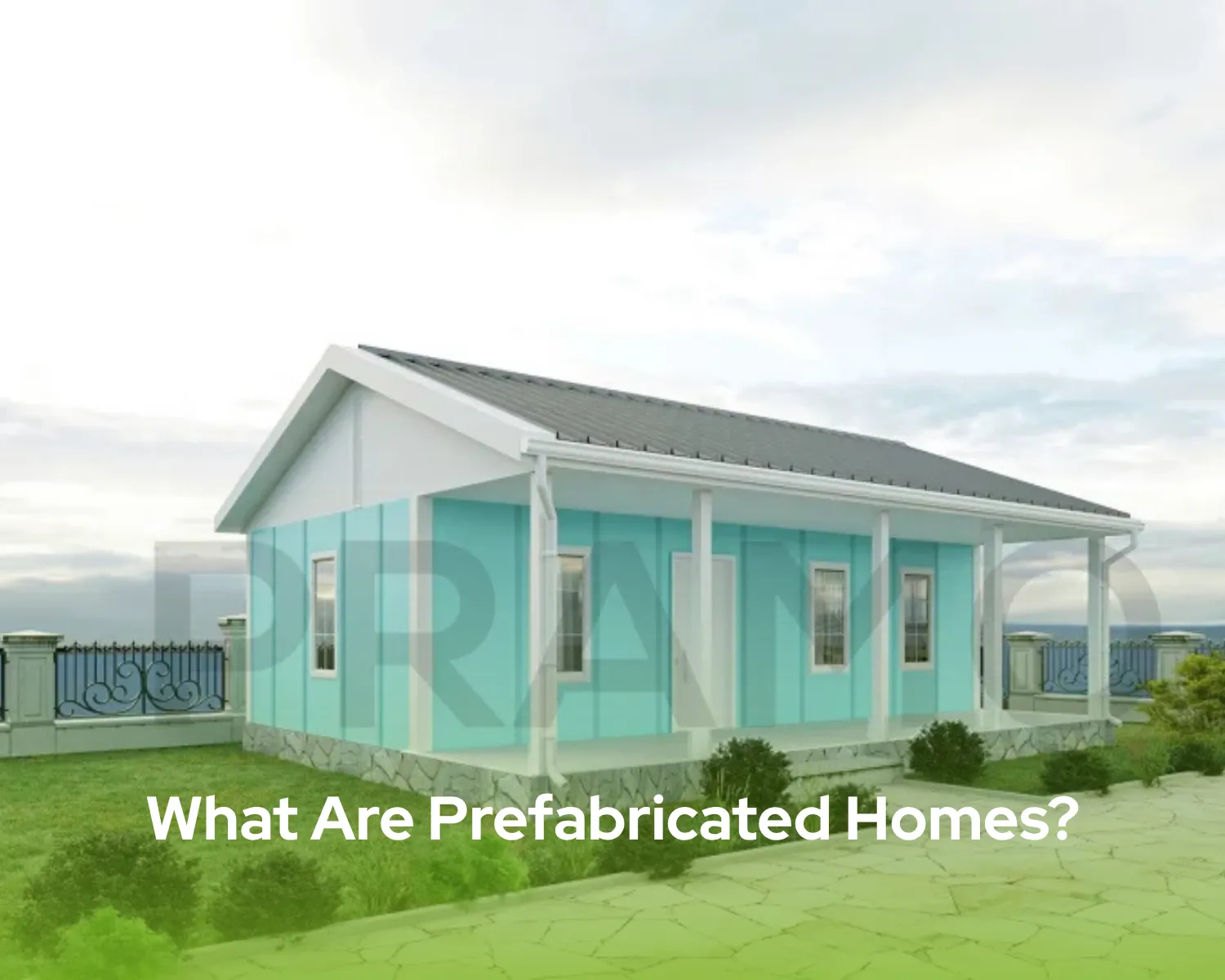
What are prefabricated homes? Prefabricated homes are modern structures manufactured partially or completely in factory controlled environments before being transported and assembled on-site. Unlike traditional construction methods, prefabricated homes offer faster project completion, improved quality control, reduced material waste, and better energy efficiency. Today, modern prefabricated homes are widely used for residential, commercial, hospitality, and industrial projects worldwide. Thanks to advanced engineering and innovative production technologies, prefabricated systems have become one of the most reliable and sustainable alternatives to conventional buildings.
Modern prefabricated-buildings are transforming the construction industry globally. As more investors and homeowners seek sustainable and efficient construction methods, the question what are prefabricated homes continues to gain popularity.
At Pramo, advanced engineering systems and modern manufacturing technologies are used to deliver durable and long-lasting prefabricated solutions for projects across different climates and industries.
What Are Prefabricated Homes and Why Are They Popular?
To fully understand what are prefabricated homes, it is important to know how they differ from traditional construction methods. In conventional projects, almost every stage is completed directly on-site. In prefabricated systems, however, major building components are manufactured in controlled factory environments before installation.
This process provides several advantages:
- Faster construction timelines
- Better quality consistency
- Reduced labor dependency
- Lower environmental impact
- Improved project efficiency
- More predictable costs
One of the biggest reasons modern prefabricated homes are becoming more popular is the ability to reduce construction delays caused by weather conditions and labor shortages. In many professional projects, proper logistical planning and simultaneous site preparation can accelerate the overall project timeline by nearly 20%. This is one of the most valuable practical advantages experienced in large-scale prefabricated projects.
The Evolution of Prefabricated Homes
The concept behind what are prefabricated homes is not new. Prefabricated construction has existed for centuries in different forms.
Historically, prefabricated systems were used for:
- Military shelters
- Temporary worker housing
- Colonial settlement projects
- Emergency accommodation systems
Today, however, prefabricated homes have evolved into highly sophisticated modern structures with premium architectural quality and advanced engineering systems.
Modern prefabricated systems now include:
- Luxury villas
- Modular office buildings
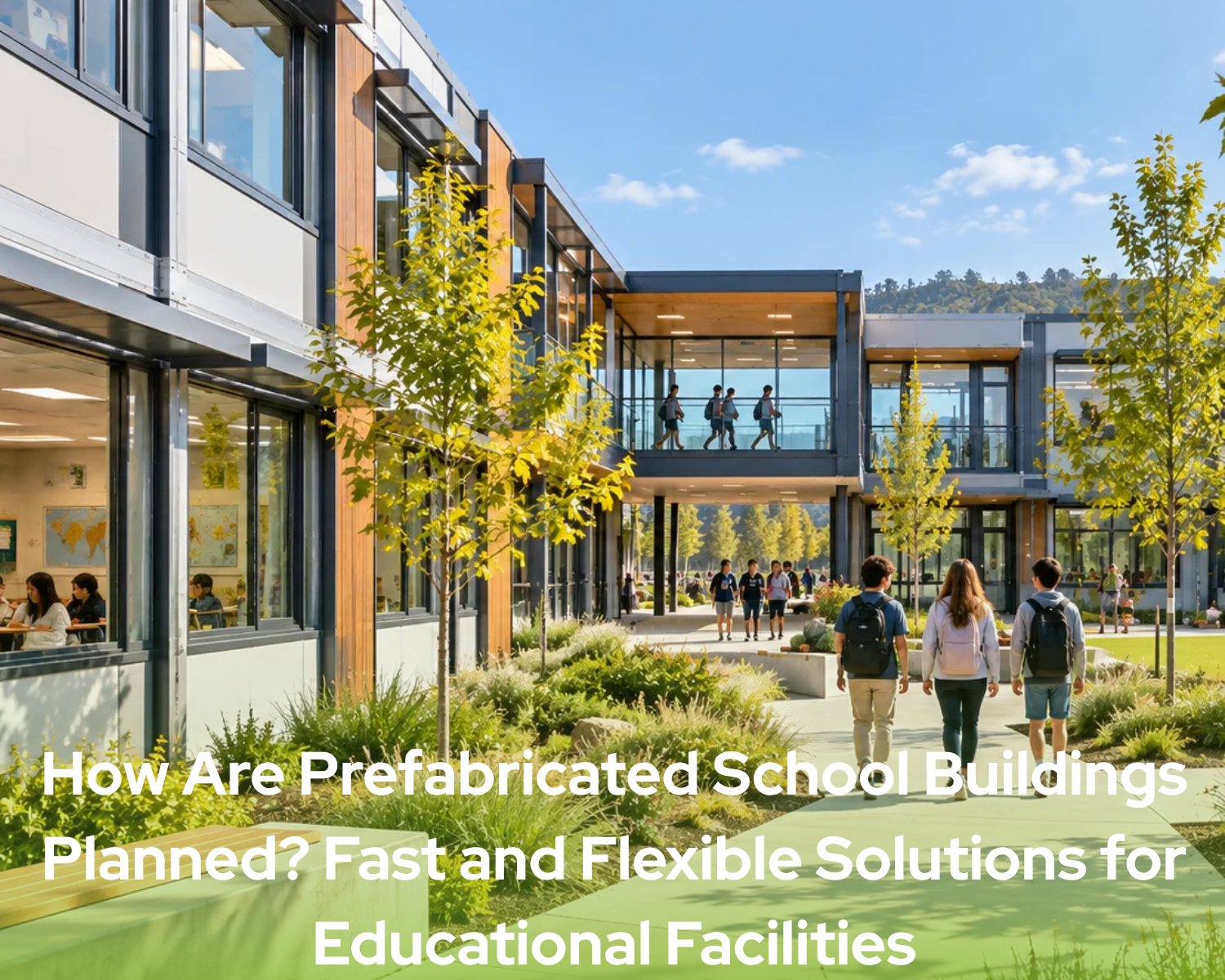
- Educational facilities
- Healthcare centers
- Hospitality projects
- Sustainable housing communities
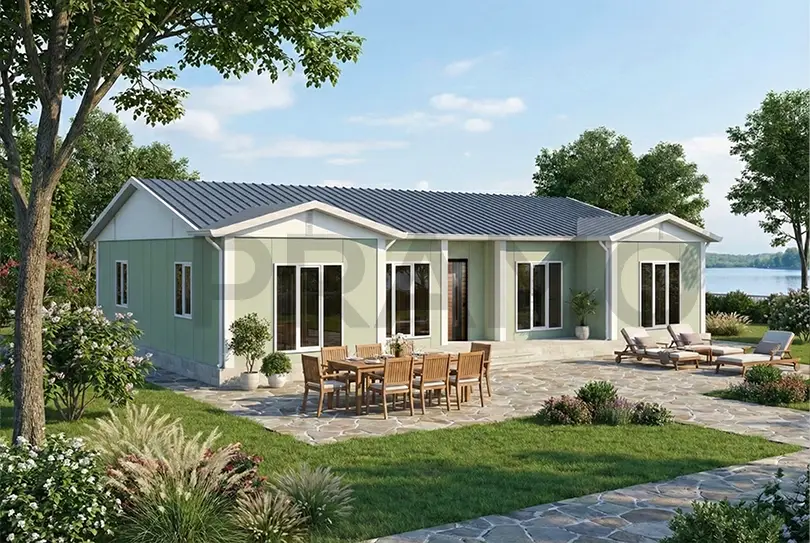
What Materials Are Used in Prefabricated Homes?
One of the most important aspects when discussing what are prefabricated homes is the quality of materials used during production.
Modern prefabricated homes commonly include:
- Galvanized steel structures
- Sandwich panel systems
- Mineral wool insulation
- Cement board cladding
- Vapor barriers
- Waterproof membranes
- Energy-efficient glazing systems
The quality of these materials directly affects durability, thermal performance, and long-term structural reliability.
At Pramo, advanced manufacturing technologies are combined with durable structural systems to create long-lasting prefabricated solutions suitable for global projects.
Types of Prefabricated Homes
When people ask what are prefabricated homes, they often assume there is only one type. In reality, several prefabricated systems exist today.
Modular Homes
Modular systems consist of factory-built modules transported and assembled on-site.
Advantages include:
- Fast installation
- High manufacturing precision
- Reduced construction waste
- Flexible layouts
Panelized Prefabricated Homes
Panelized systems use separately manufactured wall, roof, and floor panels.
Benefits include:
- Easier transportation
- Architectural flexibility
- Faster assembly compared to traditional methods
Steel Frame Prefabricated Homes
Steel systems are among the most durable prefabricated solutions available.
Advantages include:
- Earthquake resistance
- Long lifespan
- Structural flexibility
- Corrosion resistance
Modern prefab house projects frequently combine multiple technologies for improved performance and efficiency.
Are Prefabricated Homes Durable?
Durability is one of the most common concerns for people researching what are prefabricated homes. Modern prefabricated homes can provide excellent durability when professionally engineered and correctly installed.Durability depends on:
- Structural engineering quality
- Material selection
- Environmental adaptation
- Moisture protection
- Proper assembly
- Maintenance procedures
Professionally manufactured prefabricated homes can perform successfully under challenging environmental conditions, including heavy rain, snow, and seismic activity. One practical detail often overlooked in projects is transportation protection. Improper packaging during shipping can negatively affect materials before installation begins. Proper logistics planning significantly improves long-term project performance.
Are Prefabricated Homes Energy Efficient?
Energy efficiency is one of the biggest advantages associated with what are prefabricated homes today.
Modern prefabricated homes often include:
- Advanced insulation systems
- Thermal bridge reduction
- Energy-efficient windows
- Optimized roof insulation
- Controlled ventilation systems
These features help reduce operational costs while improving indoor comfort.In many projects, advanced insulation planning dramatically improves thermal efficiency without increasing overall project complexity.This makes prefabricated homes highly attractive for sustainable residential developments.
Are Prefabricated Homes Environmentally Friendly?
Sustainability has become a major priority in the global construction industry.
Compared to traditional construction methods, prefabricated homes typically generate:
- Less material waste
- Lower carbon emissions
- Reduced site disturbance
- Better resource management
Factory-controlled production allows materials to be used more efficiently while minimizing unnecessary waste.
This is one of the key reasons why what are prefabricated homes has become an increasingly important topic in sustainable architecture discussions worldwide.
How Long Does It Take to Build Prefabricated Homes?
Construction speed is one of the strongest advantages of modern prefabricated systems.
Project timelines depend on:
- Building size
- Architectural complexity
- Site preparation
- Transportation logistics
- Climate conditions
However, prefabricated homes are usually completed much faster than conventional buildings.In many projects, simultaneous factory production and on-site foundation preparation significantly reduce overall construction timelines.This efficiency makes prefabricated systems especially valuable for urgent housing projects and large-scale developments.
Are Prefabricated Homes Safe During Earthquakes?
One of the most important questions related to what are prefabricated homes concerns earthquake resistance.
Modern steel-frame prefabricated homes often perform well in seismic zones because of:
- Lower structural weight
- Flexible steel systems
- Controlled load distribution
- Precision manufacturing
Of course, earthquake performance depends on proper engineering calculations and professional installation quality.
Today, lightweight steel structures are widely used in earthquake-prone regions around the world.
Common Misconceptions About Prefabricated Homes
Although prefabricated homes are growing rapidly in popularity, some misconceptions still exist.
“Prefabricated Homes Are Temporary”
Modern prefabricated homes are designed for long-term residential and commercial use.
“Design Options Are Limited”
Today’s prefabricated homes support highly customized architectural solutions.
“Prefabricated Homes Are Weak”
Professionally engineered steel systems can provide excellent structural strength and durability.
“Prefabricated Homes Look Basic”
Modern prefabricated architecture now includes luxury-level projects and premium design concepts.
Maintenance Requirements for Prefabricated Homes
Like all structures, prefabricated homes require periodic maintenance to maximize lifespan and performance.
Recommended maintenance includes:
- Roof inspections
- Structural connection checks
- Drainage cleaning
- Exterior coating inspections
- Insulation monitoring
Regular maintenance significantly improves the long-term performance of prefabricated systems.
Where Are Prefabricated Homes Used?
Modern prefabricated homes are used in many industries today.Common applications include:
- Residential housing
- Holiday villas
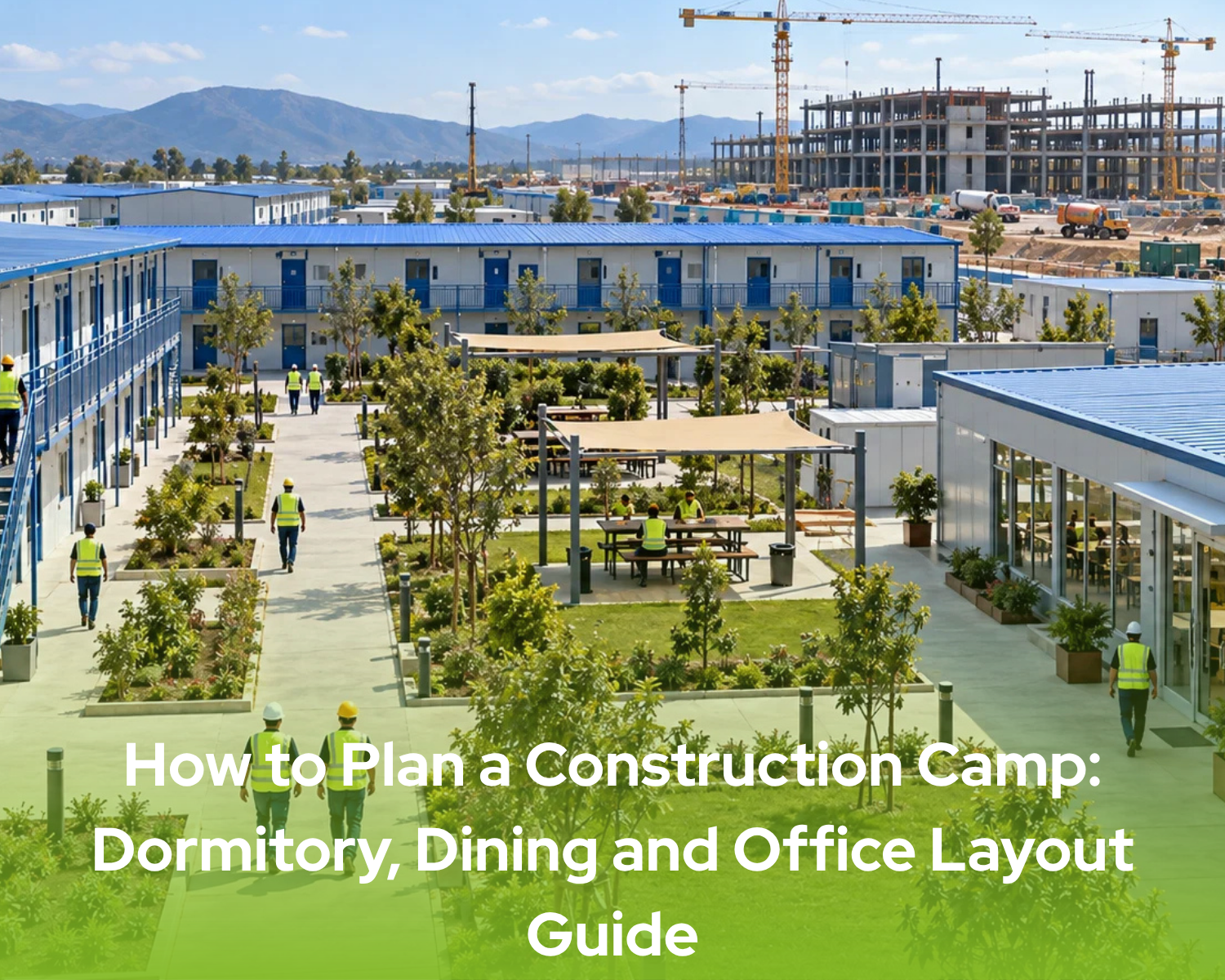
- Workforce accommodation
- Healthcare facilities
- Educational buildings
- Hospitality projects
- Commercial spaces
This flexibility is one reason why what are prefabricated homes continues to be searched globally by investors, developers, and homeowners.
Why Global Demand for Prefabricated Homes Is Increasing
The construction industry is changing rapidly. Rising material costs, labor shortages, and sustainability requirements are accelerating the demand for prefabricated systems.
Major growth factors include:
- Faster project delivery expectations
- Urbanization
- Sustainability targets
- Improved engineering technologies
- Increasing housing demand
As a result, Pramo’s prefabricated homes are becoming one of the most important construction solutions for the future.
The Future of Prefabricated Homes
The future of prefabricated construction looks extremely promising.
Emerging innovations include:
- Smart home integrations
- Advanced energy systems
- AI-supported manufacturing
- Carbon-neutral building solutions
- Sustainable material technologies
Modern prefabricated homes are no longer considered alternative construction methods. They are becoming a central part of the global construction industry.
At Pramo, continuous investment in modern engineering and manufacturing technologies supports the development of high-performance prefabricated solutions for international markets.
Frequently Asked Questions
What are prefabricated homes?
Prefabricated homes are buildings manufactured partially or fully in factory environments before being transported and assembled on-site.
Are prefabricated homes durable?
Yes. Professionally engineered prefabricated homes can provide excellent durability and long-term structural performance.
Are prefabricated homes energy efficient?
Modern prefabricated systems often include advanced insulation technologies and energy-saving solutions.
How long does it take to build prefabricated homes?
Prefabricated homes are generally completed much faster than traditional buildings because factory production and site preparation can happen simultaneously.
What are prefabricated homes is no longer just a basic construction question. Today, prefabricated systems represent speed, sustainability, engineering precision, energy efficiency, and modern architectural flexibility. As technology continues to evolve, prefabricated homes are becoming one of the most reliable and efficient building solutions worldwide.
At Pramo, we develop advanced prefabricated systems using modern engineering technologies and high-quality production standards for projects across the globe. If you want to explore durable, sustainable, and innovative prefabricated homes, contact the Pramo expert team today and discover the future of modern construction.