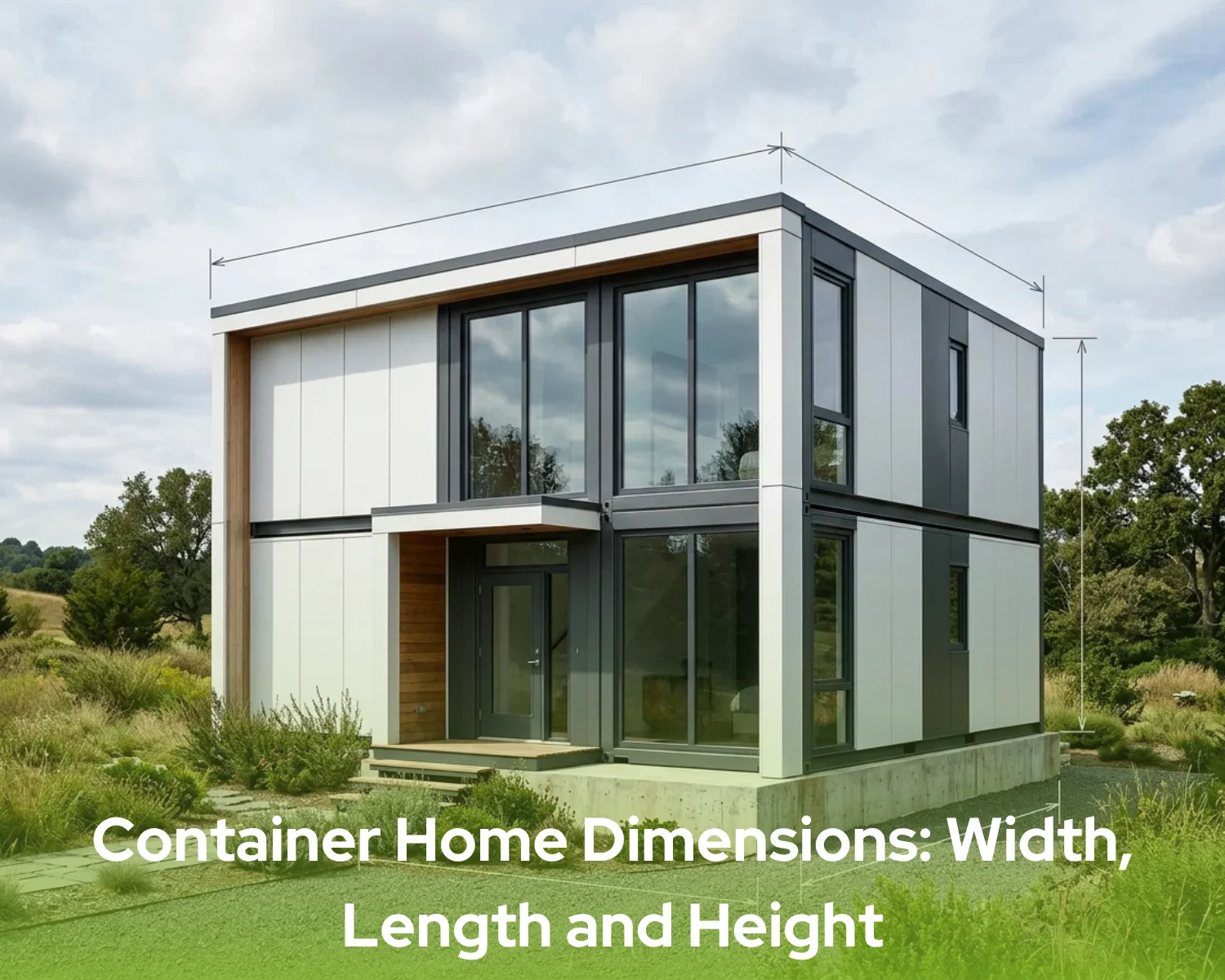






















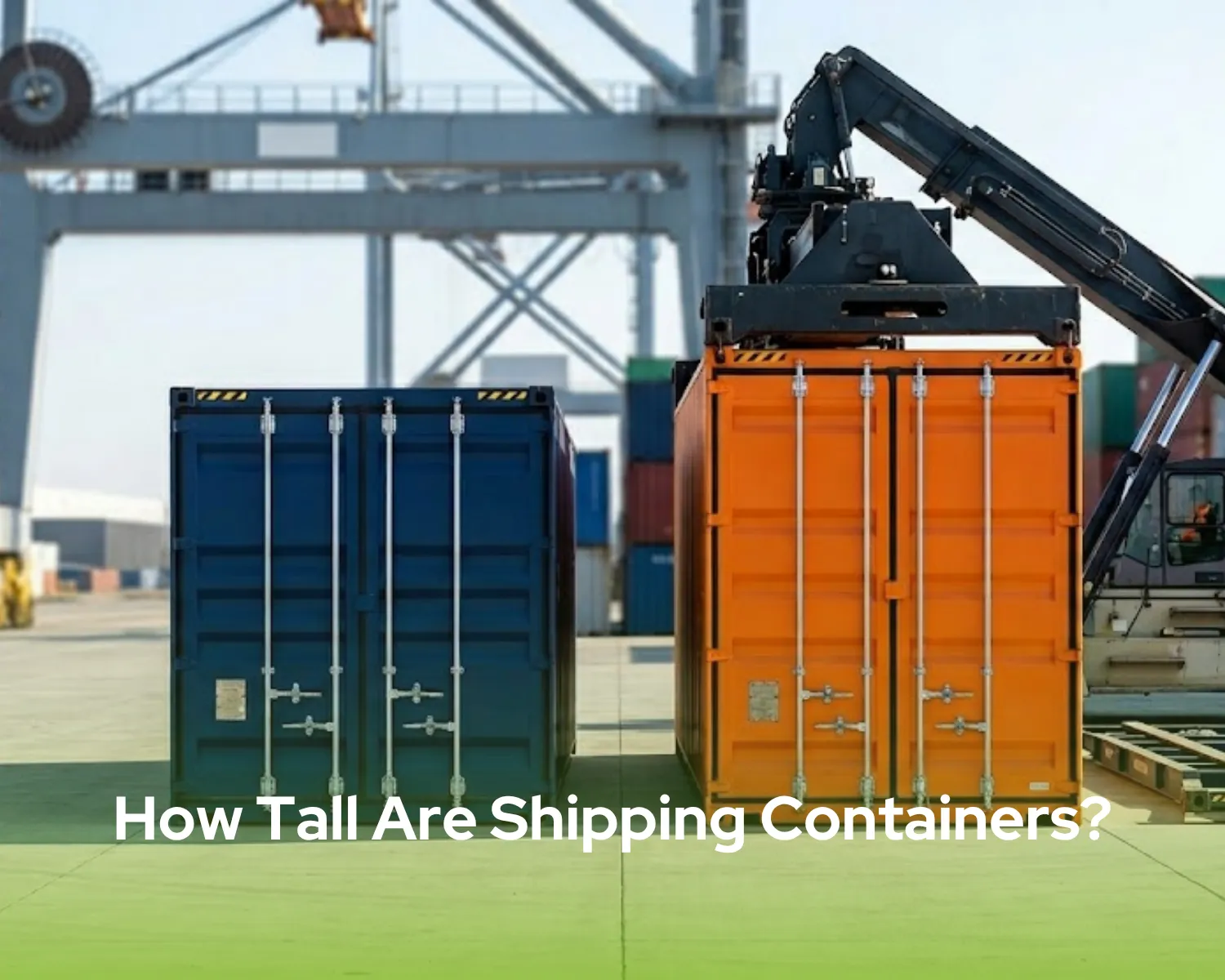
How tall are shipping containers? The short answer is that standard shipping containers are typically 8 feet 6 inches (2.59 meters) tall, while high cube shipping containers are 9 feet 6 inches (2.89 meters) tall. Understanding how tall are shipping containers is essential for logistics planning, container-based construction projects, transportation compliance, and modular building development. Whether you are planning a container house, storage facility, office, or industrial project, knowing container dimensions helps ensure efficient design and installation.
Today, shipping containers are no longer used solely for cargo transportation. They have become a versatile building solution in residential, commercial, and industrial sectors. Companies like Pramo continue to develop innovative container-based structures that combine durability, flexibility, and modern architectural design.
Why Container Height Matters
Many people researching how tall are shipping containers are preparing for construction, transportation, or storage projects.Container height affects:
- Interior living space
- Building regulations
- Transportation logistics
- Structural modifications
- Insulation requirements
- Design flexibility
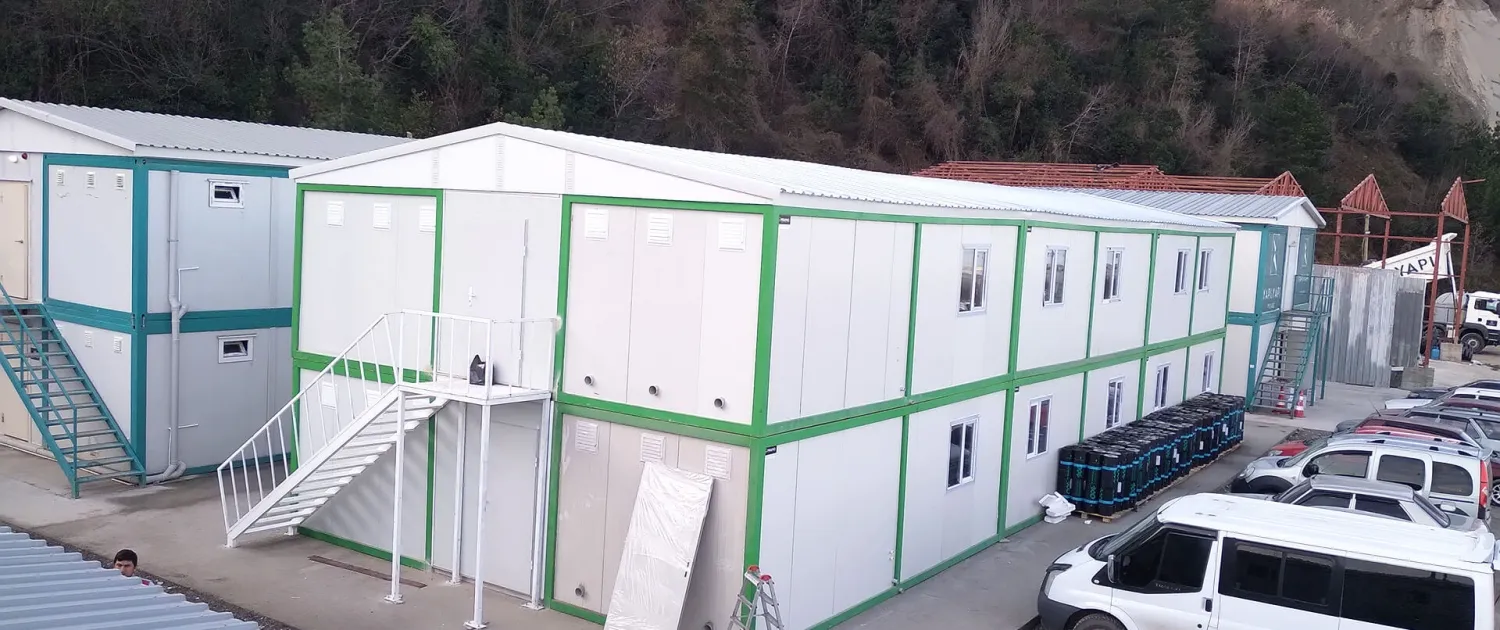
From practical project experience, selecting a high cube container instead of a standard container often improves interior comfort significantly, especially when insulation and ceiling systems are added. In many projects, this simple decision can improve usable interior volume by nearly 20%.
Standard Shipping Container Height
When answering how tall are shipping containers, the most common size is the standard container.
External Dimensions
Standard containers typically measure:
- Height: 8 ft 6 in (2.59 m)
- Width: 8 ft (2.44 m)
- Length: 20 ft or 40 ft
These dimensions have become global industry standards for international shipping.
Internal Dimensions
The usable interior height is slightly lower due to flooring and structural components.
Typical internal height:
- Approximately 7 ft 10 in (2.39 m)
This dimension is important when converting shipping containers into offices, homes, or commercial spaces.
High Cube Shipping Container Height
One of the most popular alternatives is the high cube container.
How Tall Are Shipping Containers in High Cube Format?
High cube containers measure:
- Height: 9 ft 6 in (2.89 m)
- Width: 8 ft (2.44 m)
- Length: 20 ft or 40 ft
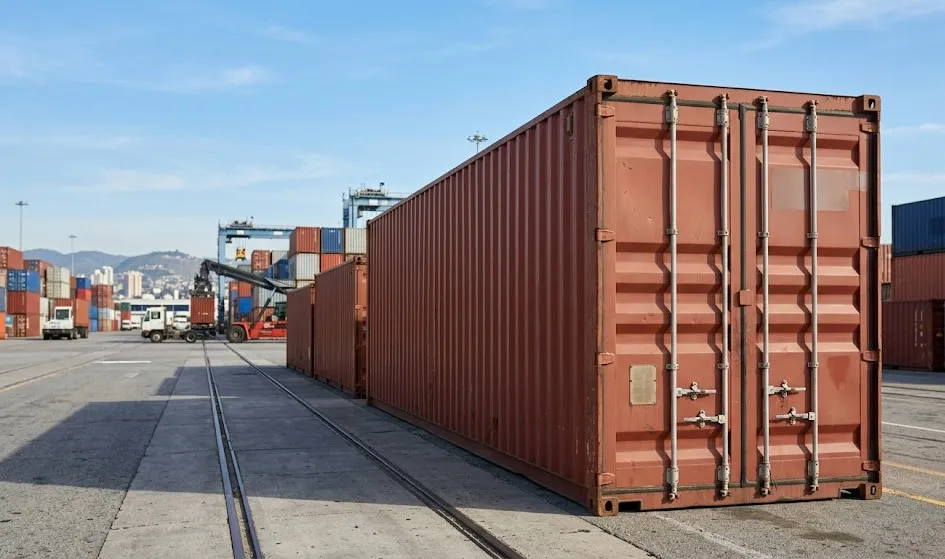
This additional foot of height makes a significant difference for construction projects.Many architects and engineers prefer high cube shipping containers because they provide greater design flexibility and improved interior comfort.
Why High Cube Containers Are Popular
Understanding how tall are shipping containers becomes particularly important when selecting between standard and high cube models.
Advantages of high cube containers include:
- Higher ceilings
- Better ventilation options
- Easier insulation installation
- Improved interior aesthetics
- More comfortable living spaces
At Pramo, many container projects utilize high cube shipping containers due to their superior adaptability for modern construction.
Shipping Containers Used in Construction
The construction industry has increasingly adopted shipping containers for innovative building projects.Applications include:
- Container homes
- Office buildings
- Temporary accommodations
- Retail spaces
- Educational facilities
- Medical units
Modern container structures benefit from predictable dimensions and structural durability.
Understanding Container Dimensions Beyond Height
While many people ask how tall are shipping containers, overall dimensions are equally important.
Standard 20-Foot Container
Typical dimensions:
- Length: 20 ft (6.06 m)
- Width: 8 ft (2.44 m)
- Height: 8 ft 6 in (2.59 m)
Standard 40-Foot Container
Typical dimensions:
- Length: 40 ft (12.19 m)
- Width: 8 ft (2.44 m)
- Height: 8 ft 6 in (2.59 m)
High Cube 40-Foot Container
Typical dimensions:
- Length: 40 ft (12.19 m)
- Width: 8 ft (2.44 m)
- Height: 9 ft 6 in (2.89 m)
These measurements are critical when designing container-based structures.
How Container Height Affects Interior Design
Container height directly influences usability.In residential projects, the question how tall are shipping containers often relates to interior comfort.Factors affected include:
- Ceiling design
- Lighting systems
- HVAC installation
- Furniture placement
- Mezzanine construction
High cube containers often provide significantly better results for permanent residential applications.
Shipping Containers and Building Regulations
Container dimensions also influence regulatory compliance.When planning a container project, consider:
- Local zoning regulations
- Building permits
- Structural modifications
- Transportation restrictions
Before purchasing containers, it is always advisable to verify local requirements.
How Tall Are Shipping Containers After Insulation?
One frequently overlooked factor is insulation thickness.
A standard container may lose several inches of interior height once:
- Wall insulation
- Ceiling insulation
- Flooring systems
- Utility installations are completed.
This is another reason why high cube containers are often preferred for living spaces.
Common Container Modifications
Modern shipping containers are highly adaptable.Popular modifications include:
Window Installations
Adding natural light improves comfort and functionality.
Door Expansions
Larger openings create better accessibility.
Roof Extensions
Additional roofing improves weather protection.
Multi-Container Structures
Combining containers creates larger spaces.Understanding how tall are shipping containers helps ensure these modifications are planned correctly.
Advantages of Container Construction
Container buildings offer numerous benefits.
Faster Construction
Container structures can often be completed faster than traditional buildings.
Cost Efficiency
Controlled manufacturing reduces waste and labor costs.
Durability
Shipping containers are designed to withstand harsh transportation environments.
Sustainability
Repurposing shipping containers contributes to sustainable construction practices.
These advantages continue driving global demand for container-based architecture.
Future Trends in Container Architecture
The popularity of shipping containers continues to grow worldwide.Emerging trends include:
- Smart container homes
- Sustainable communities
- Modular office systems
- Hybrid container structures
- Energy-efficient container housing
Companies like Pramo are helping shape the future of modern container construction through innovative engineering solutions.
Frequently Asked Questions
Can shipping containers be stacked?
Yes. Shipping containers are engineered to support stacking and are commonly used in multi-level structures.
Are high cube containers better for homes?
Yes. High cube containers generally offer better comfort and more room for insulation and interior finishes.
What is the difference between standard and high cube containers?
High cube containers are one foot taller, providing more interior space and design flexibility.
How tall are shipping containers?
Standard shipping containers are typically 8 ft 6 in (2.59 m) tall, while high cube containers are 9 ft 6 in (2.89 m) tall.
Understanding how tall are shipping containers is essential for planning successful transportation, storage, and construction projects. Standard containers offer practical dimensions, while high cube containers provide additional height that significantly improves interior comfort and design flexibility.
At Pramo, we develop modern container solutions that combine engineering excellence, durability, and innovative design. Whether you are planning a residential, commercial, or industrial container project, our team can help you create efficient and sustainable spaces tailored to your needs.