






















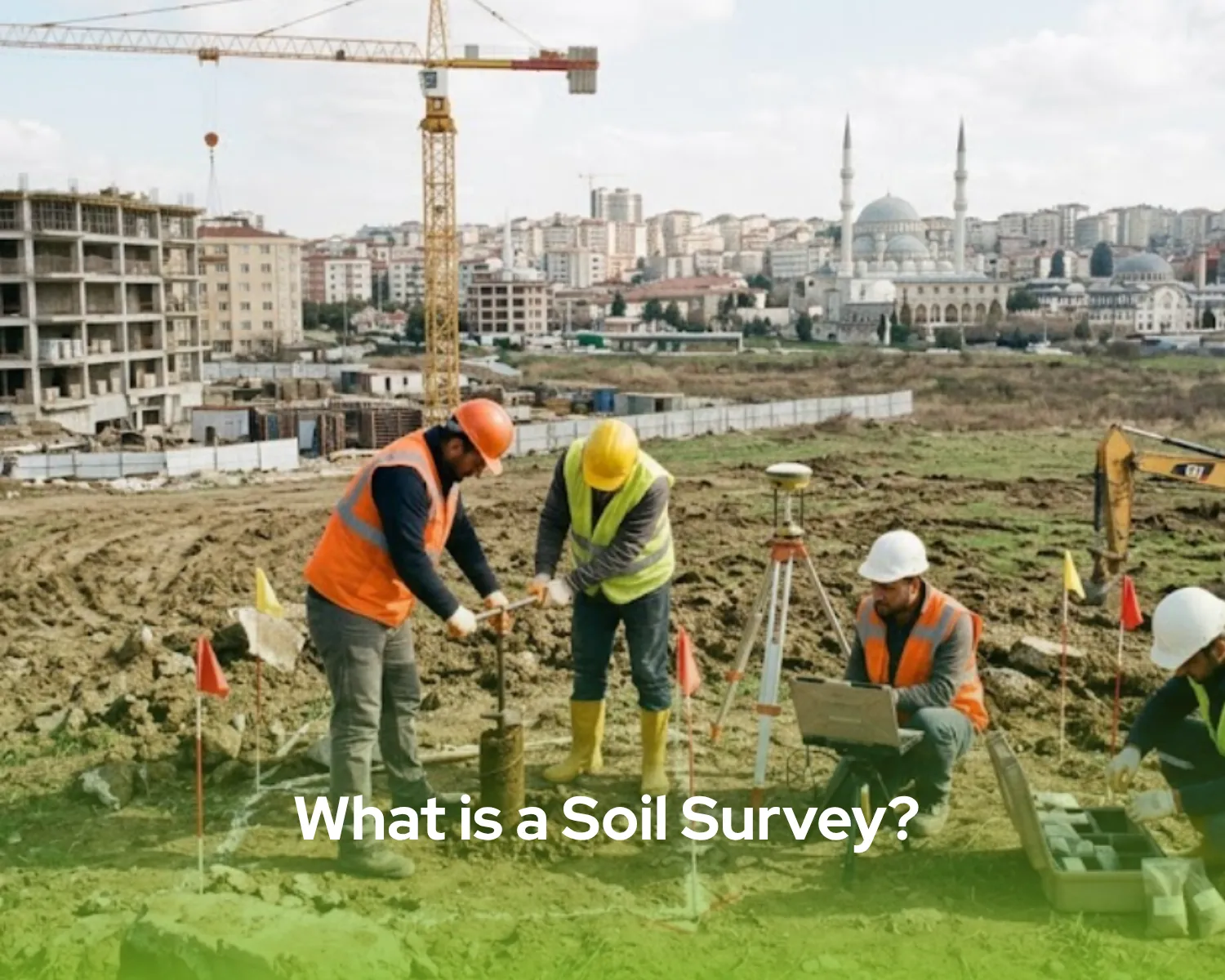
In response to the question, “What is a soil survey?”; soil survey is a critical step in any construction project. It involves analyzing the soil, rock, and subsurface conditions of a building site to determine its suitability for construction. Understanding the ground characteristics helps engineers and architects design safe, durable, and cost-effective structures. Pramo provides professional soil survey services to ensure every project meets structural, safety, and regulatory requirements.
In this guide, we will explore what a soil survey is, why it is essential, the methods used, cost considerations, and how Pramo assists clients in conducting thorough soil surveys.
What is a Soil Survey?
What is a soil survey? A soil survey is a scientific investigation conducted on a site to determine the physical and chemical properties of the soil and subsoil. It evaluates soil stability, load-bearing capacity, water content, and other crucial factors affecting construction. Soil surveys are essential for all types of projects, from residential prefabricated homes to large industrial complexes.
Pramo utilizes advanced equipment and expert analysis to provide reliable soil survey reports, helping clients plan projects accurately and safely.
Methods of Soil Survey
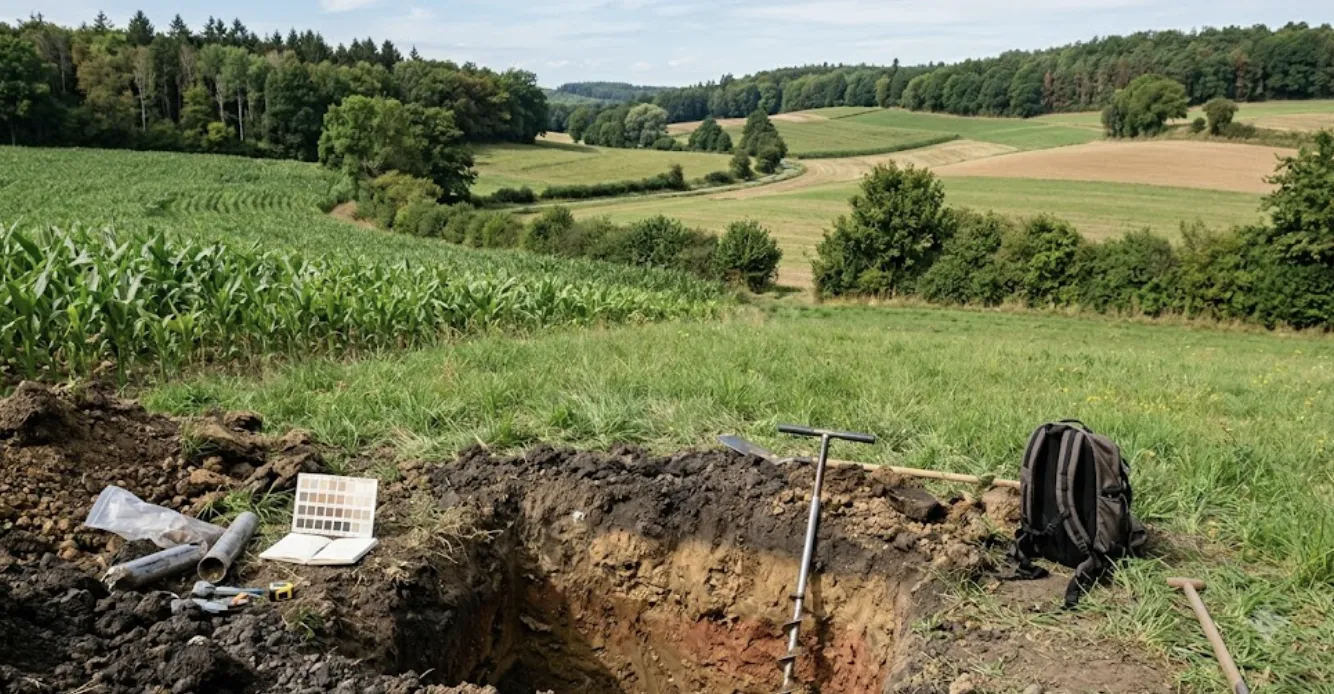
Now that we’ve explained what is a soil survey is, we can move on to explaining soil survey methodsA soil survey involves various methods to assess the physical, chemical, and structural properties of the ground. These methods ensure that construction projects are safe, stable, and optimized for cost and design. Pramo employs a combination of field and laboratory techniques to provide comprehensive soil survey reports.
1. Site Inspection
Engineers inspect the site to identify visible geological features, soil types, vegetation, and potential hazards. This preliminary step helps guide further testing.
2. Soil Sampling
Samples are collected using boreholes, test pits, and other extraction methods. Laboratory testing determines soil composition, strength, and moisture content.
3. In-Situ Testing
Tests such as the Standard Penetration Test (SPT) and Cone Penetration Test (CPT) evaluate soil density, compaction, and load-bearing capacity directly on-site.
4. Laboratory Analysis
Collected soil samples are analyzed for chemical properties, particle size, plasticity, and other characteristics affecting foundation design.Pramo integrates these methods to produce a comprehensive soil survey report tailored to each project.
Importance of Soil Surveys
As an answer for what is soil surveys play a critical role in the planning and execution of construction projects. They provide detailed information about the physical, chemical, and structural properties of the soil and subsoil, which is essential for safe and efficient construction. The importance of soil surveys can be summarized in several key areas:
| Aspect | Explanation |
|---|---|
| Safety | Determines the structural integrity of the site and reduces risks of foundation failure. |
| Cost Efficiency | Accurate soil surveys prevent over-engineering and avoid unexpected construction issues. |
| Regulatory Compliance | Ensures construction adheres to zoning laws and local building codes. |
| Design Optimization | Helps engineers design foundations, retaining walls, and drainage systems effectively. |
How Much Does a Soil Survey Cost?
After explaining what is a soil survey is, it was time to explain how much it costsThe cost of a soil survey depends on several key factors that affect the scope and complexity of the investigation. Understanding these factors helps clients plan budgets effectively and ensures they receive accurate, reliable data for construction projects.The cost of a soil survey depends on:
| Factor | Explanation |
|---|---|
| Site Size and Accessibility | Larger or difficult-to-access sites require more samples and equipment, affecting cost. |
| Number of Boreholes and Depth Required | More boreholes or deeper sampling increase labor, machinery, and time costs. |
| Laboratory Testing Complexity | Advanced tests for soil properties (moisture, particle size, chemical composition) add to cost. |
| Project Type (Residential, Commercial, Industrial) | Larger industrial or commercial projects require more comprehensive soil surveys, increasing cost. |
Pramo provides transparent pricing and detailed quotations for each soil survey, helping clients manage their budget effectively.
Soil Surveys for Prefabricated and Modular Projects
Prefabricated and modular construction projects benefit from soil surveys because the modular units require stable foundations. Pramo ensures soil survey results are integrated into modular design, optimizing both speed and safety.
Frequently Asked Questions
What is a soil survey?
A detailed analysis of soil and subsoil conditions to assess suitability for construction.
Why are soil surveys important?
They ensure structural safety, cost efficiency, and compliance with building regulations.
How is a soil survey performed?
Through site inspections, soil sampling, in-situ testing, and laboratory analysis.
How much does a soil survey cost?
Costs vary depending on site size, testing depth, and project complexity.
A comprehensive soil survey is essential for safe and efficient construction. Pramo provides expert survey services, combining advanced equipment and professional analysis to guide project planning. Ensure your next project is built on a solid foundation contact Pramo for reliable soil survey solutions today.