





















Designing modular buildings for desert climates presents a unique set of challenges and opportunities. Extreme temperatures, pervasive dust, and intense solar gain demand innovative approaches to ensure comfort, durability, and energy efficiency. Modular construction inherently offers advantages in these harsh environments, allowing for controlled factory production and rapid on-site assembly.
Pramo Prefabricated specializes in creating resilient and sustainable structures suitable for even the most demanding conditions. Understanding the specific environmental stressors of desert regions is crucial for successful project outcomes. This article explores key considerations and strategies for designing modular buildings that thrive in desert climates.
Understanding Desert Climate Challenges
Desert climates are characterized by several significant environmental factors that impact building design. These include extreme diurnal temperature swings, intense solar radiation, low humidity, and often high winds carrying dust and sand. Addressing these elements from the initial design phase is paramount.
The combination of high daytime temperatures and significant night-time cooling can put immense stress on building materials. Furthermore, the constant bombardment of UV rays and abrasive dust particles necessitates robust and carefully selected exterior finishes.
Extreme Heat and Temperature Fluctuations
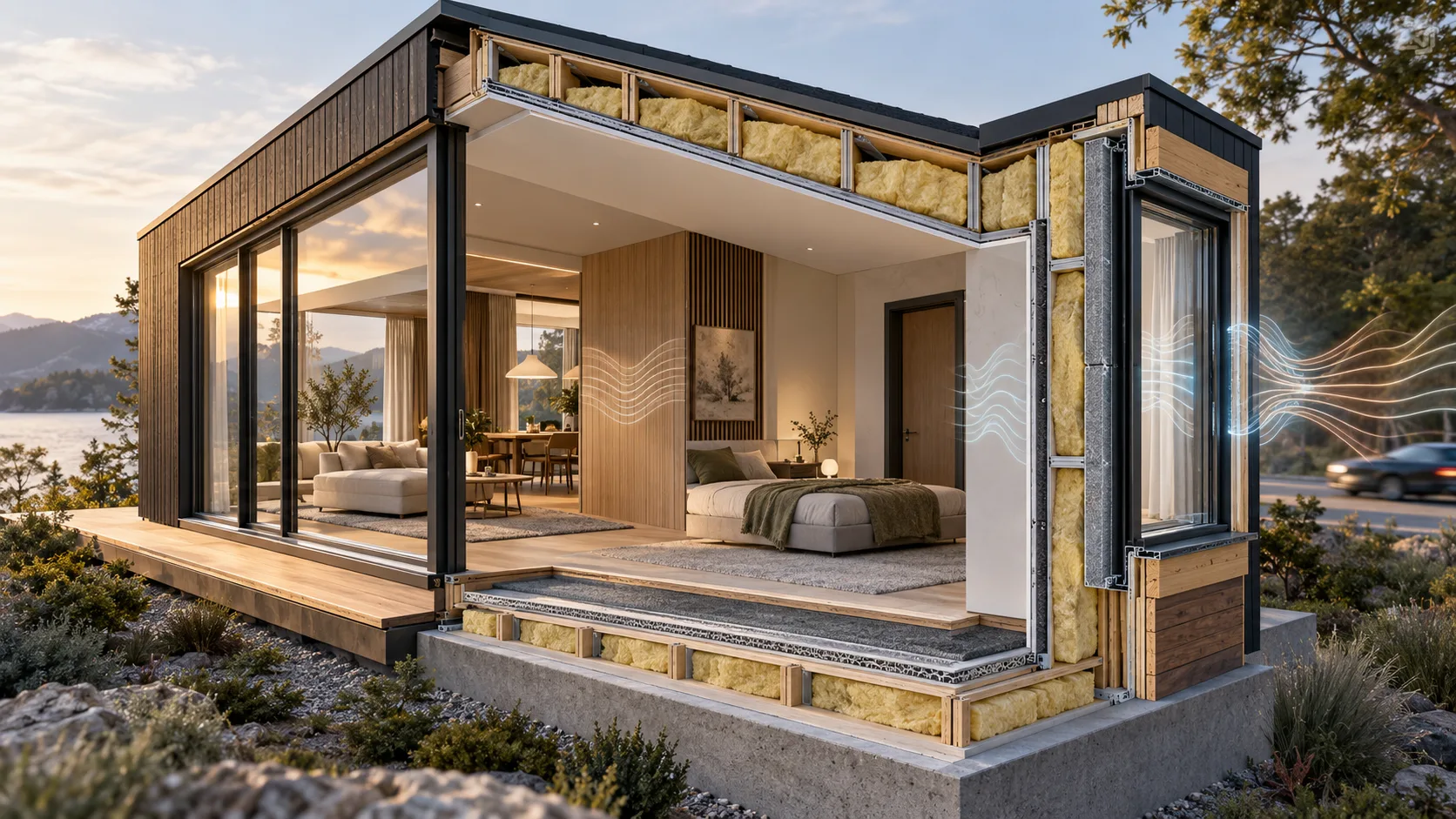
Daytime temperatures in deserts can soar, often exceeding 40°C (104°F), while nights can be surprisingly cool. This creates thermal expansion and contraction issues for building materials. Effective insulation and thermal mass strategies are vital to mitigate heat transfer and maintain stable interior temperatures.
- High-performance insulation: Using thick layers of insulation in walls, roofs, and floors significantly reduces heat ingress.
- Thermal mass: Incorporating materials with high thermal mass can absorb heat during the day and release it slowly at night, moderating indoor temperatures.
- Radiant barriers: Reflective surfaces under roofing can block radiant heat effectively.
Mitigating Solar Gain through Smart Design
Solar gain is a primary source of heat in desert buildings. Strategic design choices can dramatically reduce the amount of solar radiation absorbed by the structure, thereby lowering cooling loads and energy consumption. This involves careful consideration of orientation, shading, and fenestration.
The sun’s path throughout the day and year must be analyzed to optimize building placement and window sizing. Overhangs, fins, and specialized glazing can play a critical role.
Shading Strategies and Fenestration
External shading is far more effective than internal shading in preventing heat gain. Fixed or adjustable shading devices can block direct sunlight while still allowing for natural light and views.
Window selection is also crucial. Double or triple-glazed units with low-emissivity (Low-E) coatings help reflect solar radiation while maintaining transparency. Minimizing window-to-wall ratios on east and west facades is generally recommended.
- Deep overhangs and vertical fins: These architectural elements provide self-shading for walls and windows.
- Shading screens and pergolas: External structures can create shaded outdoor areas and reduce heat absorption on building surfaces.
- Reflective exterior finishes: Light-colored and highly reflective materials for roofs and walls can significantly reduce surface temperatures.
Dust and Sand Management in Modular Construction
Dust and sand are constant companions in desert environments. These fine particles can infiltrate buildings, clog HVAC systems, and cause wear and tear on components. Prefabricated buildings offer advantages in minimizing on-site disruption, but the design must still account for dust ingress.
Effective dust management involves both architectural detailing and mechanical system choices. Preventing dust from entering the building is the first line of defense.
Sealing and Filtration Systems
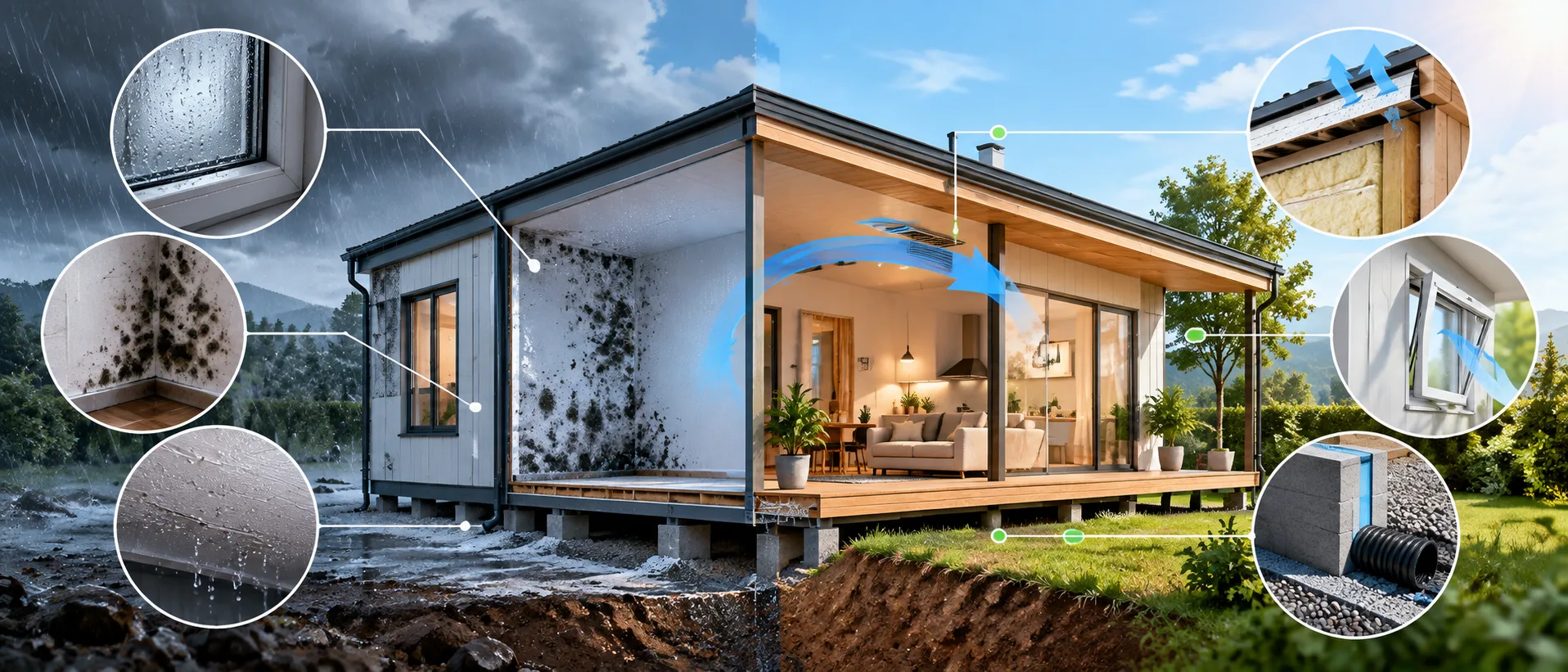
Tight building envelopes are essential to prevent dust infiltration. This includes meticulous sealing of joints, seams, and penetrations. High-quality air filtration systems are also critical for maintaining indoor air quality.
Positive pressure ventilation systems can help by slightly pressurizing the interior, making it harder for dust to enter through small gaps. Regular maintenance of filters is also key to their effectiveness.
- Airtight construction: Utilizing advanced sealing techniques and materials for all building components.
- High-efficiency particulate air (HEPA) filters: Essential for HVAC systems to capture fine dust particles.
- Protected entryways: Double-door vestibules or air curtains can create a buffer zone against dust.
Material Selection for Desert Resilience
The materials used in designing modular buildings for desert climates must withstand extreme conditions without degrading. Durability, UV resistance, and thermal performance are key considerations. Materials should be chosen for their ability to resist cracking, fading, and deterioration under intense sun and temperature fluctuations.
Pramo Prefabricated utilizes a range of robust materials that are proven to perform in harsh environments, ensuring longevity and minimal maintenance. This extends to both structural components and exterior finishes.
Durable and UV-Resistant Materials
Exterior cladding, roofing, and window frames must be able to withstand constant UV exposure and thermal cycling. Metals with protective coatings, specialized composites, and certain types of treated wood can offer good performance.
For example, high-quality steel frames, often used in modular construction, can be effectively protected with appropriate finishes. BIM improves prefabricated building design by allowing detailed material specification and performance simulation.
- UV-stabilized cladding: Materials like fiber cement, specific metals, or engineered wood with high UV resistance.
- Robust roofing membranes: Light-colored, reflective, and puncture-resistant membranes.
- Resilient sealants and gaskets: Designed to withstand extreme temperatures and maintain flexibility.
Conclusion
Designing modular buildings for desert climates requires a holistic approach that tackles heat, dust, and solar gain through intelligent design, advanced materials, and efficient systems. By focusing on superior insulation, effective shading, airtight construction, and durable finishes, modular structures can offer comfortable, energy-efficient, and long-lasting solutions in these challenging environments.
Pramo Prefabricated is committed to delivering high-performance modular buildings tailored to the unique demands of any climate. Contact us today to discuss how our expertise can bring your desert project to life with sustainable and resilient solutions.
Sıkça Sorulan Sorular
What are the main challenges when designing modular buildings for desert climates?
The primary challenges include extreme daytime heat, significant night-time cooling, intense solar radiation, and pervasive dust and sand. These factors necessitate specialized design and material choices to ensure building performance and occupant comfort.
How can modular buildings mitigate solar gain in deserts?
Solar gain can be mitigated through strategic building orientation, external shading devices like deep overhangs and fins, and the use of low-emissivity (Low-E) glazed windows. Reflective exterior finishes also play a crucial role in bouncing sunlight away from the building.
What materials are best suited for desert modular buildings?
Materials should be durable, UV-resistant, and have good thermal performance. Examples include high-performance insulation, UV-stabilized cladding, reflective roofing membranes, and resilient sealants that can withstand extreme temperature fluctuations and intense sun exposure.
How do modular buildings address dust and sand in desert environments?
Dust and sand are managed through airtight construction techniques, meticulous sealing of all joints and penetrations, and the integration of high-efficiency particulate air (HEPA) filtration systems within the HVAC. Positive pressure ventilation can also help prevent dust ingress.
Are modular buildings energy-efficient in desert climates?
Yes, modular buildings can be highly energy-efficient in desert climates. Their controlled factory production allows for precise insulation and sealing, leading to superior thermal performance. Combined with smart design for solar gain reduction, they can significantly lower heating and cooling demands.