





















When constructing in extreme environments, the challenges posed by cold climates demand innovative and resilient building solutions. Cold-climate modular buildings: insulation, thermal bridges and snow loads are critical considerations that determine the longevity, energy efficiency, and safety of structures in frigid regions. Modular construction offers significant advantages in meeting these demands, providing factory-controlled precision that is difficult to achieve on traditional construction sites.
The controlled environment of modular factories allows for superior quality control over critical components such as insulation and structural integrity. This precision ensures that buildings destined for harsh weather conditions are engineered to perform optimally from day one, minimizing risks associated with on-site construction in adverse weather.
The Imperative of High-Performance Insulation in Cold Climates
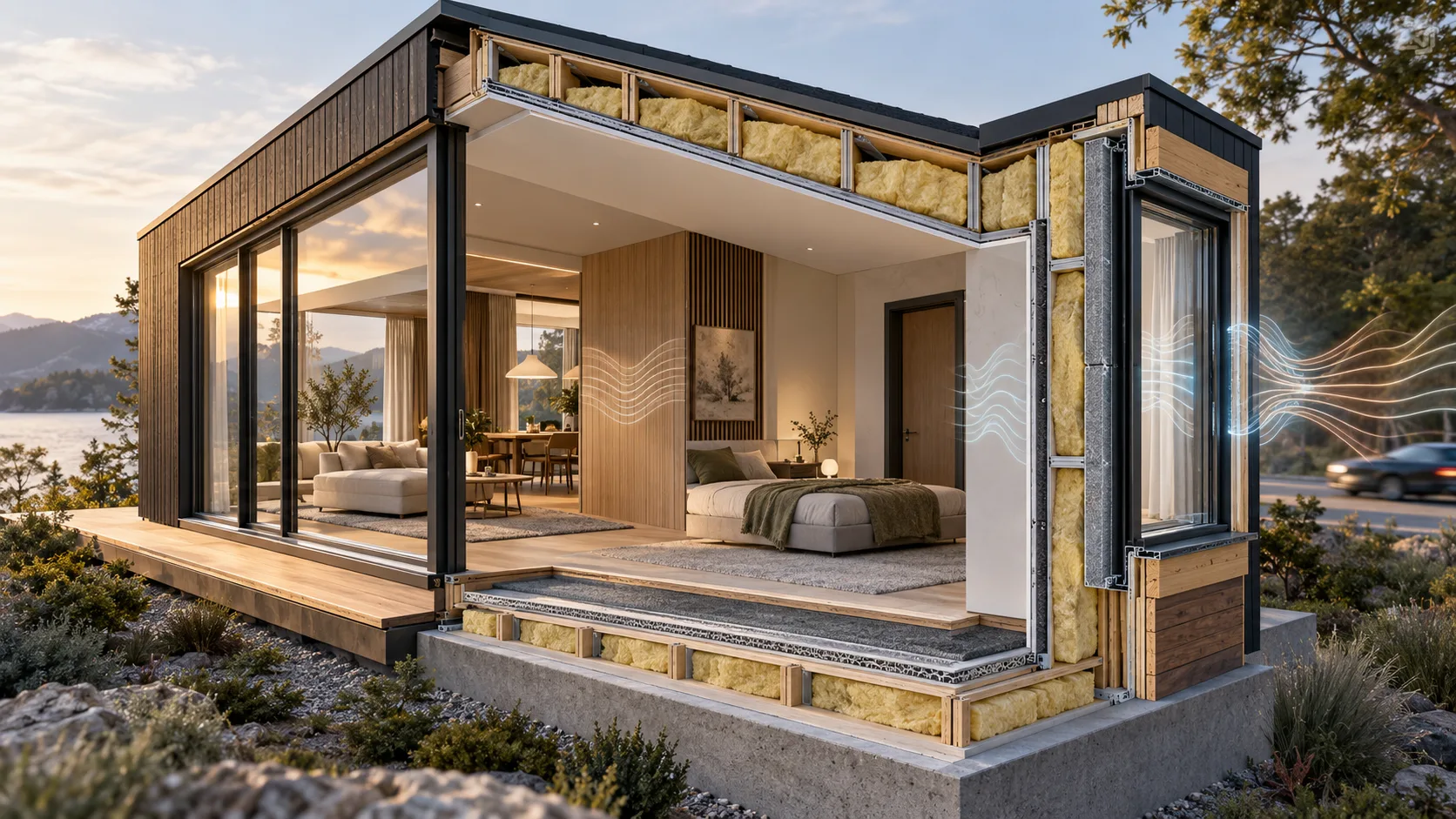
Effective insulation is the cornerstone of any cold-climate building. In modular construction, insulation can be integrated with higher precision and fewer gaps than in traditional methods. This meticulous application helps maintain stable indoor temperatures and significantly reduces heating costs.
High-performance insulation materials, such as rigid foam boards, mineral wool, or spray foam, are commonly used. These materials are chosen for their superior R-values (thermal resistance) and their ability to withstand extreme temperature fluctuations without degrading. The goal is to create a continuous thermal envelope that minimizes heat transfer through walls, roofs, and floors.
Mitigating Thermal Bridges in Modular Structures
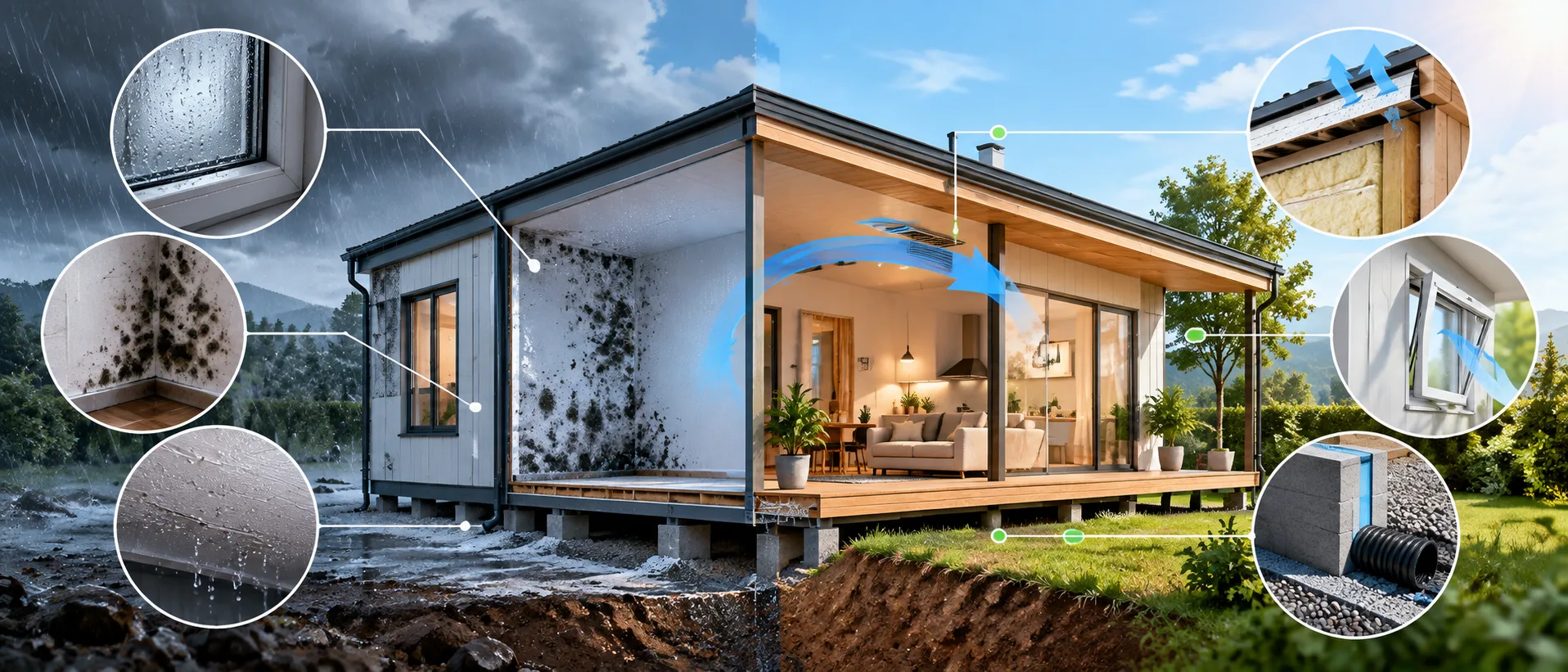
Thermal bridges are areas in a building envelope where heat flows more easily than through surrounding materials, often occurring at junctions between different building elements or around window and door frames. In cold-climate modular buildings, these bridges can lead to significant heat loss, condensation issues, and even structural damage over time.
Modular construction techniques are inherently advantageous in addressing thermal bridges. Components are designed and fabricated with precision in a factory, allowing for the integration of continuous insulation layers and specialized connectors that break thermal paths. This reduces the likelihood of gaps and misalignments that often create thermal bridges in site-built structures. Advanced modelling tools, such as those used in BIM in Prefabricated Building Design, can identify and eliminate potential thermal bridging issues during the design phase, ensuring optimal thermal performance.
Designing for Snow Loads: Structural Integrity and Roof Systems
Snow loads represent a significant structural challenge for buildings in cold climates. The weight of accumulated snow can exert immense pressure on roofs and supporting structures, necessitating robust design and engineering. Modular buildings are designed with these specific loads in mind, often exceeding local building codes to ensure maximum safety and durability.
Key considerations for snow load design include:
- Roof Pitch and Material: Steeper roof pitches can help snow slide off naturally, while smooth, low-friction roofing materials further assist this process.
- Structural Reinforcement: Beams, columns, and connection points are reinforced to withstand anticipated snow loads, often incorporating high-strength steel or engineered lumber.
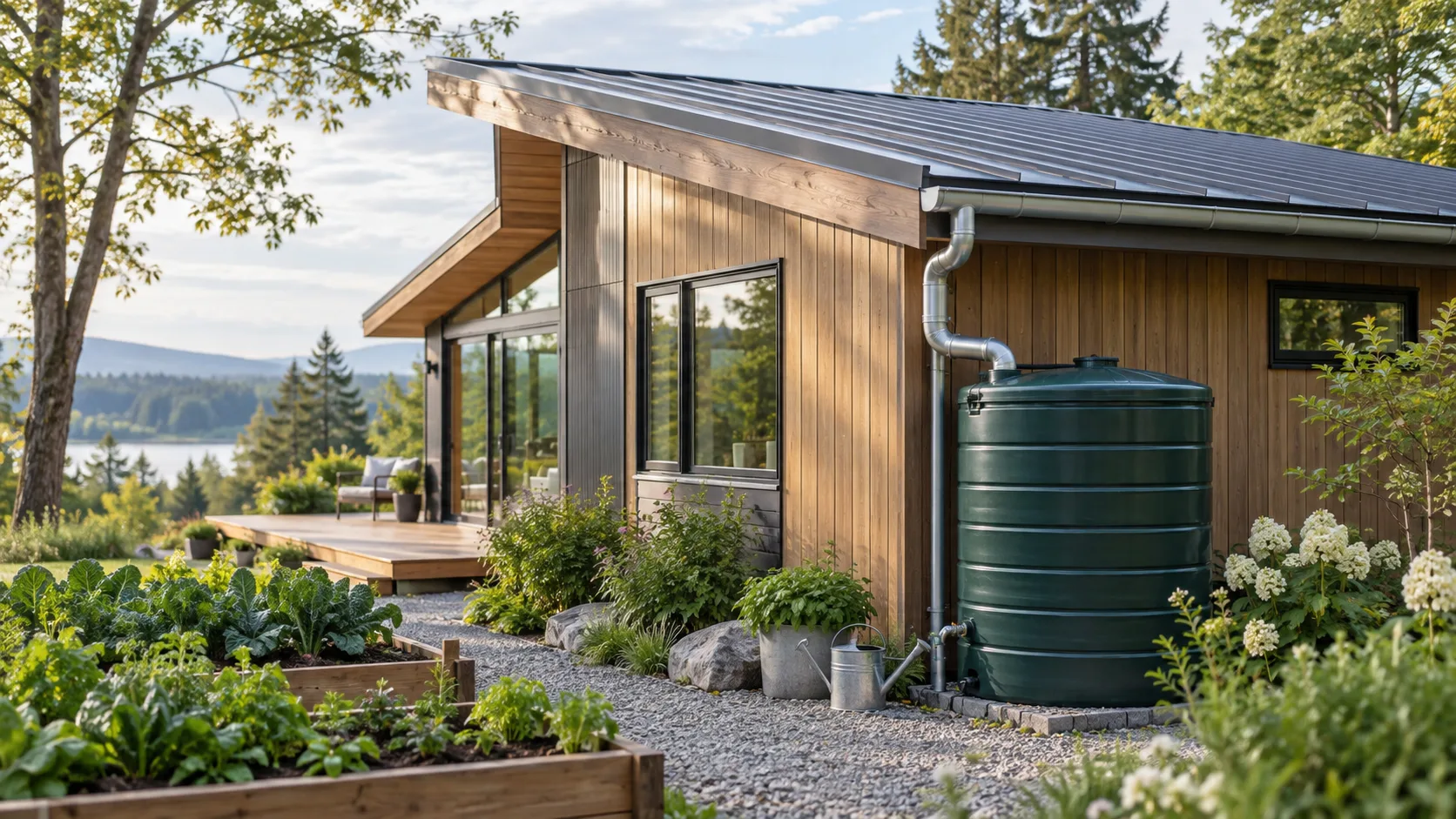
- Drainage Systems: Effective gutter and downspout systems prevent ice damming and manage meltwater runoff, protecting the building’s foundation and exterior.
The pre-engineered nature of modular components allows for rigorous testing and certification of structural elements before they even reach the construction site. This controlled manufacturing process ensures that every part of the building contributes to its overall resilience against heavy snow.
Advantages of Modular Construction for Cold Climates
Modular construction offers several distinct benefits for projects in challenging cold environments. The ability to manufacture modules off-site minimizes exposure to harsh weather conditions during the construction phase, reducing delays and improving worker safety. This also means that critical building components are assembled in a controlled environment, leading to higher quality and consistency.
Furthermore, the inherent efficiency of modular building processes can lead to faster project completion times. This is especially valuable in regions with short construction seasons due to prolonged winters. The integrated design approach, often incorporating Digital Twins in Modular Construction, ensures that all aspects, from insulation to structural resilience, are meticulously planned and executed.
Conclusion
Cold-climate modular buildings provide an effective and efficient solution for construction in harsh environments, addressing critical concerns such as insulation, thermal bridges, and snow loads with precision and durability. Pramo İnşaat Mühendislik offers expertise in developing high-performance modular structures engineered to thrive in the most demanding climatic conditions. Contact us today to discuss your next cold-climate building project and discover the advantages of modular construction.
Sıkça Sorulan Sorular
Neden soğuk iklimler için modüler binalar tercih edilmelidir?
Modüler binalar, fabrika ortamında hassas üretim sayesinde daha yüksek yalıtım kalitesi ve termal köprülerin daha iyi giderilmesini sağlar. Bu, enerji verimliliğini artırır ve sert hava koşullarına karşı dayanıklılığı yükseltir. Ayrıca, şantiye kaynaklı gecikmeleri azaltır.
Soğuk iklim modüler binalarında yalıtım nasıl farklılık gösterir?
Soğuk iklim modüler binalarında, yüksek R-değerine sahip (termal direnç) sert köpük levhalar, mineral yün veya püskürtme köpük gibi gelişmiş yalıtım malzemeleri kullanılır. Bu malzemeler, fabrika ortamında daha hassas bir şekilde uygulanarak ısı transferini en aza indiren sürekli bir termal zar oluşturur.
Termal köprüler modüler yapıda nasıl önlenir?
Modüler yapılarda termal köprüler, bileşenlerin fabrikada hassas bir şekilde tasarlanması ve üretilmesiyle önlenir. Sürekli yalıtım katmanları ve termal yolları kesen özel bağlantı elemanları entegre edilir. Bu, geleneksel yapılarda sıkça görülen boşlukları ve yanlış hizalamaları azaltır.
Kar yükleri için modüler bina çatıları nasıl tasarlanır?
Modüler binalar, kar yüklerine karşı dayanıklılık için güçlendirilmiş yapısal elemanlarla tasarlanır. Genellikle karın doğal olarak kaymasına yardımcı olan daha dik çatı eğimleri ve düşük sürtünmeli çatı malzemeleri kullanılır. Kirişler ve kolonlar, beklenen kar yüklerine dayanacak şekilde güçlendirilir.