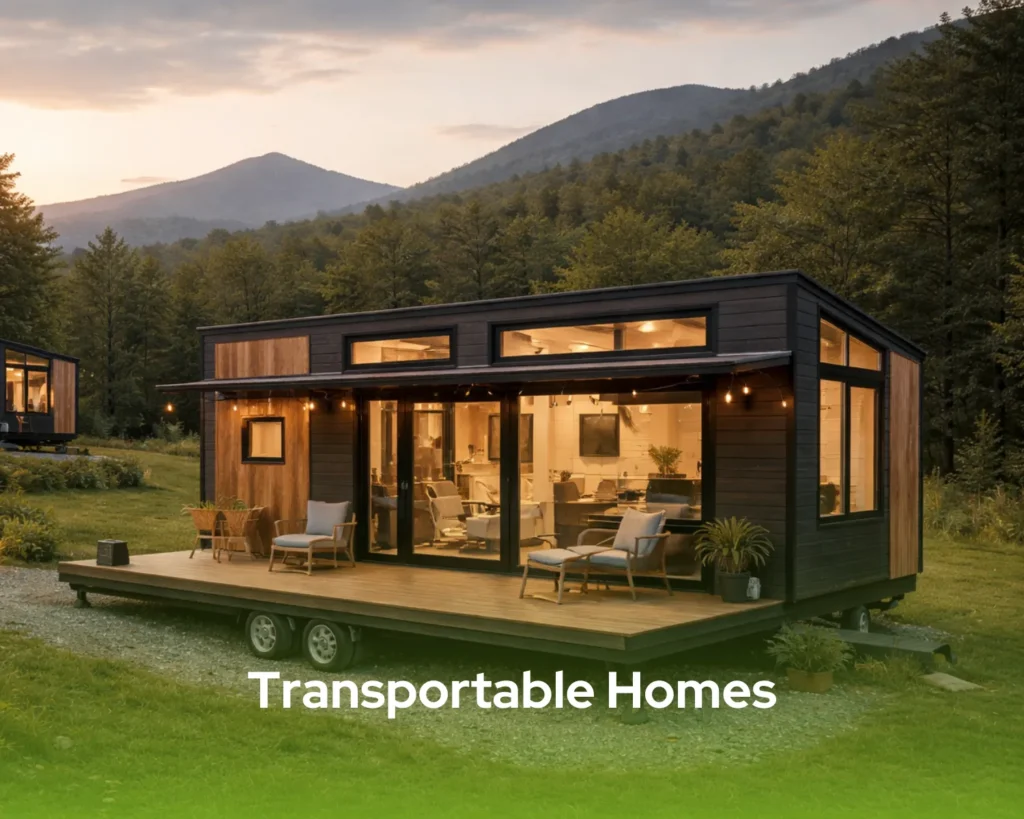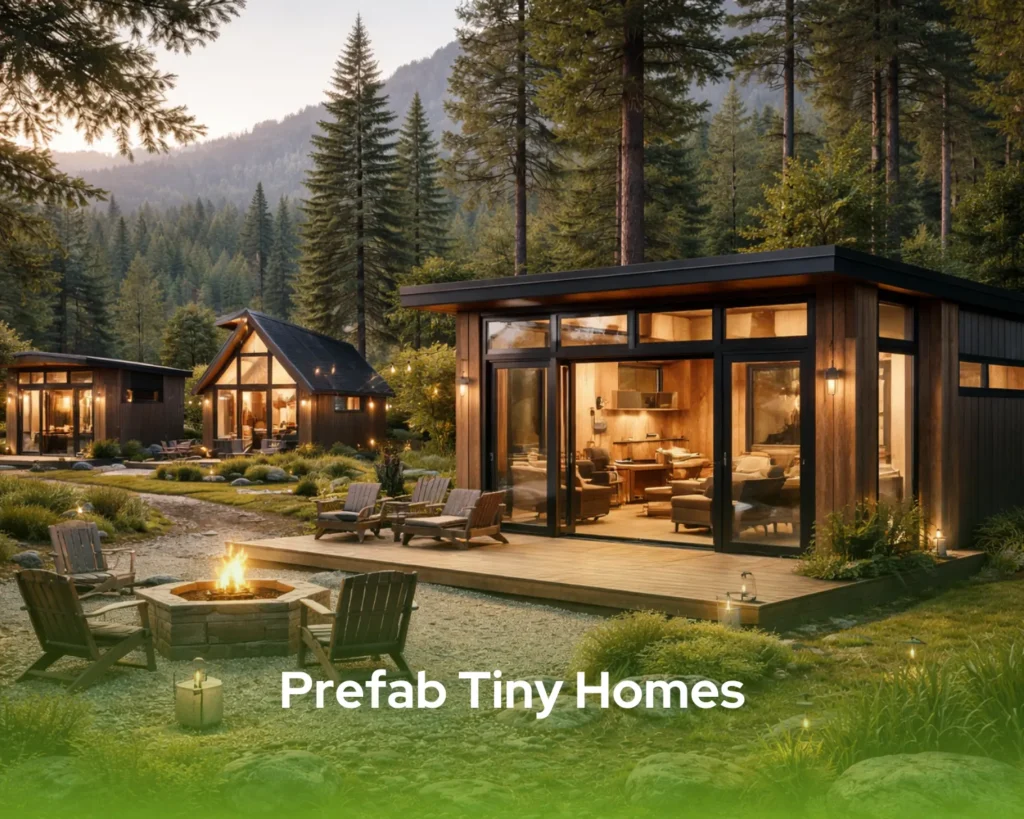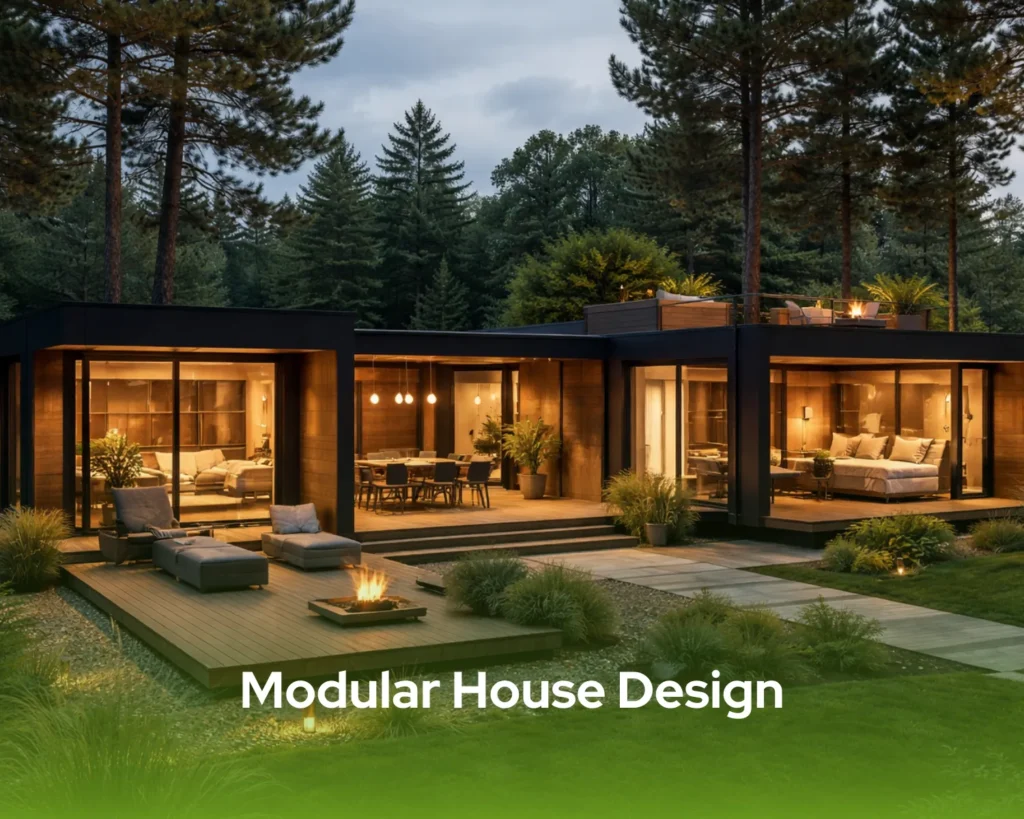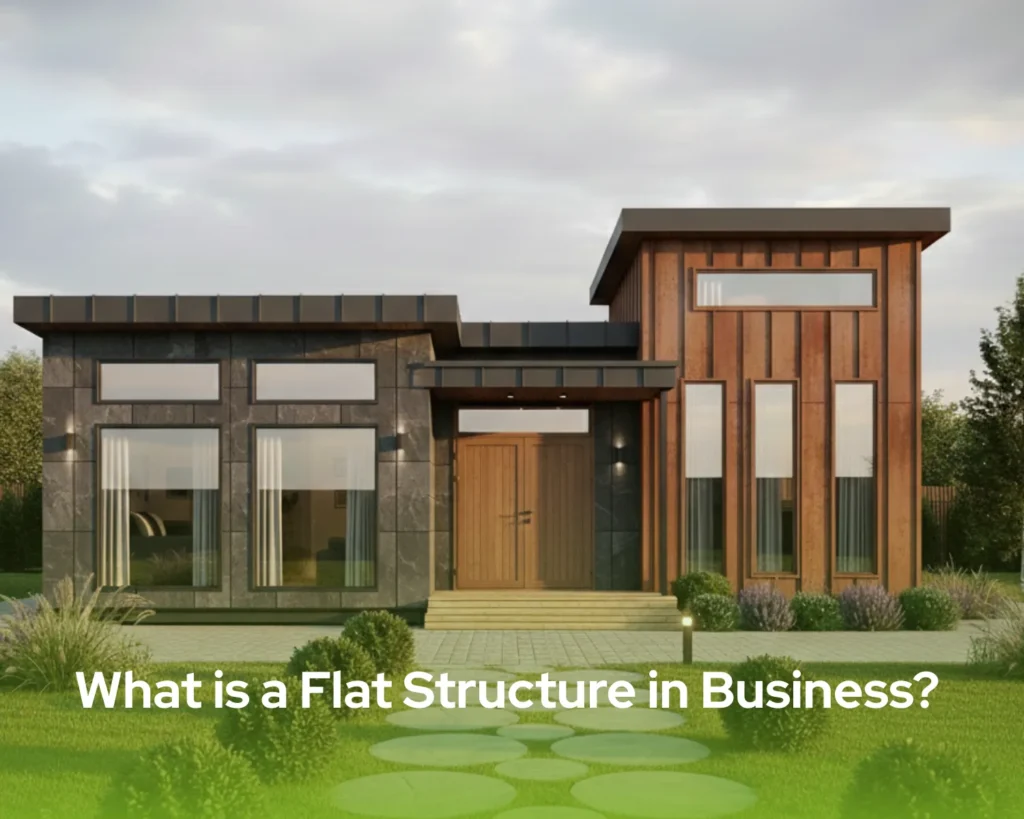























The global housing market is undergoing a seismic shift, and at the center of this transformation is a single, recurring question: what is a modular homes? In an era where efficiency, sustainability, and speed are no longer just “nice-to-haves” but essential requirements, modular construction has emerged as a revolutionary alternative to traditional stick-built houses. Whether you are a first-time homebuyer, a real estate investor, or someone looking for a secondary residence, understanding the fundamentals of this technology is crucial to navigating the modern property landscape.
Understanding the Core Concept
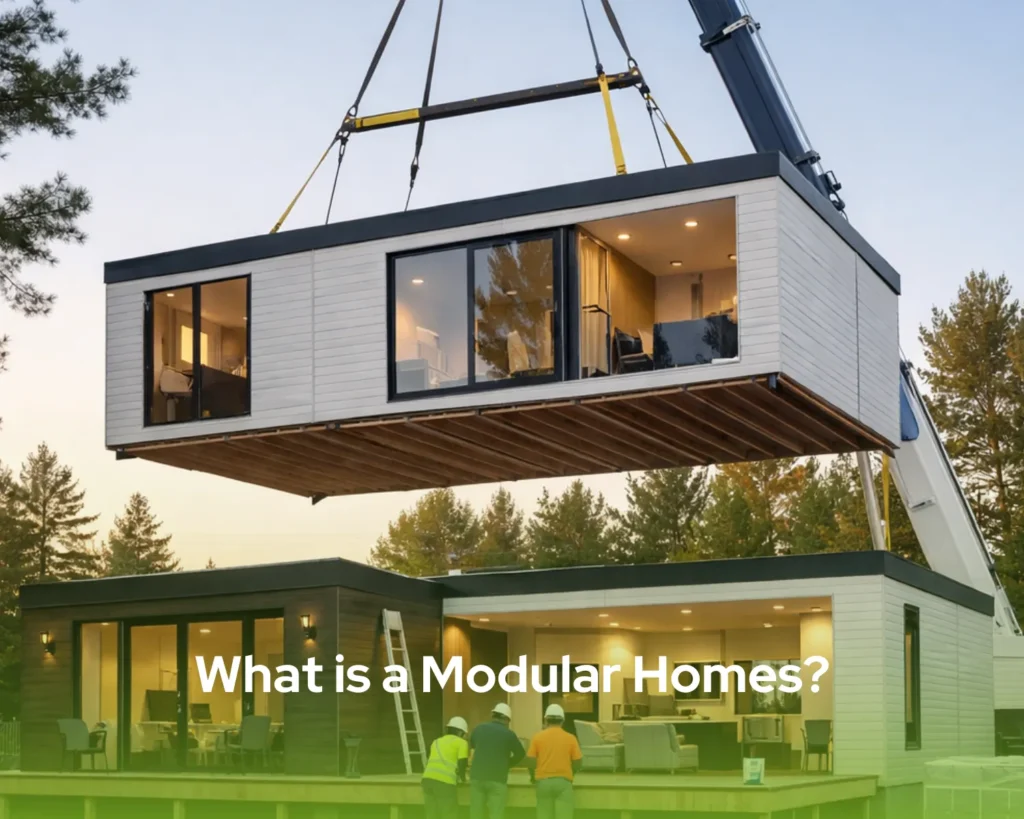
To truly answer what is a modular homes, one must look at the process rather than just the final product. Unlike traditional homes built entirely on-site—subject to the whims of weather and local labor availability—modular homes are constructed in sections, known as “modules,” within a highly controlled, indoor factory environment. These sections are then transported to the building site and assembled on a permanent foundation.
When people first hear about this, they often wonder, “what is a modular home‘s primary advantage?” The answer lies in the precision of factory engineering. By building indoors, manufacturers avoid common pitfalls like moisture-trapped wood, construction delays due to rain, and material theft. This ensures a level of structural integrity that is often superior to traditional methods.
Modular vs. Manufactured: Clearing the Confusion
A common misconception occurs when people ask what is a modular homes and confuse it with a “mobile” or “manufactured” home. While both are built in factories, they are governed by entirely different sets of rules:
- Manufactured Homes: Built to federal HUD codes, often on a non-removable steel chassis.
- Modular Homes: Built to the exact same local and state building codes as traditional site-built homes.
If you are exploring high-quality industrial or residential solutions that bridge the gap between speed and luxury, you can find specialized expertise in modular structures that meet these rigorous standards. This distinction is vital because it significantly impacts the long-term resale value, financing options, and durability of the property.

The Step-by-Step Construction Journey
If you are researching what is a modular homes, you should be familiar with the typical project timeline, which is often 30% to 50% faster than traditional building.
- Design and Permitting: This phase involves choosing floor plans and obtaining local approvals. Modular designs can be just as complex and beautiful as any custom home.
- Factory Production: While the foundation is being poured on-site, the modules are built in the factory. This simultaneous workflow is a game-changer.
- The “Set” Day: This is the most exciting part. The modules arrive on flatbed trucks and are craned onto the foundation. Within hours, the skeleton of the house is complete.
- Button-up Work: Contractors connect the plumbing, electrical, and HVAC systems between the modules and finish the exterior siding and interior drywall seams.
The question of “what is a modular homes built with?” is simple: the same high-quality lumber, steel, and insulation used in site-built homes, but applied with assembly-line precision.
Why the Industry is Shifting: The Benefits
When evaluating what is a modular homes’s appeal, four pillars of value stand out:
- Speed of Occupancy: Because site work and factory work happen at the same time, you can move in months earlier.
- Cost Predictability: Factory building minimizes the “hidden costs” and change orders that plague traditional construction.
- Energy Efficiency: Tight factory seals and advanced insulation techniques make these homes incredibly energy-efficient.
- Waste Reduction: Factories use sophisticated software to cut materials precisely, resulting in nearly 90% less waste than a typical job site.
In many progressive regions, the definition of sustainable living starts with understanding what is a modular homes. According to modular buildings are considered a “green” building method because they optimize resource use and significantly reduce the carbon footprint associated with long-term site construction.
Architectural Versatility and Customization
Many people asking what is a modular homes assume they are limited to “box-like” designs. This is a myth. Modern modular architecture allows for:
- Modern Minimalist: Large glass windows, flat roofs, and open floor plans.
- Classic Colonial: Multi-story homes with traditional gables and porches.
- Eco-Cabins: Compact, off-grid structures for retreat living.
When you ask an architect “what is a modular homes capable of?”, they will tell you that the modular nature allows for easy future expansions. You can literally add another module years later if your family grows.
Financing and Long-term Value
Does a modular home appreciate in value? Absolutely. Because they are legally identical to site-built homes, they appreciate at the same rate as the surrounding neighborhood. When a bank or lender asks what is a modular homes during a mortgage application, they treat it as a permanent real estate asset. This means you can qualify for standard 15-year or 30-year fixed-rate mortgages.
Deep Dive: Material Quality and Resilience
Let’s talk about durability. Because each module must be transported over highways, they are built with 20% to 30% more framing material than a standard house. They are essentially built to withstand an earthquake every time they are moved. If you’ve ever wondered what is a modular homes’s lifespan, the answer is: just as long, if not longer, than a traditional house.
Frequently Asked Questions (FAQ)
Q: Can I have a basement with a modular home? A: Yes! Modular homes can be set on crawl spaces, full basements, or slab foundations.
Q: Are they safe in high-wind areas? A: Because they are built in a factory with extra bracing for transport, they often perform better in hurricanes and high winds than site-built homes.
Q: How much does it cost? A: While prices vary, you can typically save 10-20% compared to a custom site-built home of the same quality.
The Future Outlook
As urban populations grow and labor shortages in the construction sector increase, the need for rapid, high-quality housing becomes urgent. Knowing what is a modular homes is the first step toward a smarter investment. These homes represent the intersection of technology, comfort, and financial savvy.
If you’ve ever wondered what is a modular homes’s role in the global housing crisis, look at how cities are using them for rapid affordable housing and luxury developments alike. They are not just a “cheap” alternative; they are the most sophisticated choice for the modern dweller.
In summary, when you ask what is a modular homes, you are looking at the evolution of human shelter. By combining factory precision with on-site permanence, these structures offer a path to homeownership that is faster, greener, and more reliable.
Understanding what is a modular homes empowers you to bypass the headaches of traditional construction. Whether you are building a modern office space, a backyard studio, or your dream family estate, modular technology is the most efficient bridge to your goals.