





















In an era of rising inflation and soaring property markets, one question dominates the search for stability: What is housing benefit?
For millions of families and individuals, this financial support is a lifeline. However, understanding the definition is only the first step. The deeper issue facing governments, councils, and developers today isn’t just about providing funds—it’s about providing homes that fit within the budget of those funds.
At Pramo, we believe the solution to the housing crisis lies at the intersection of financial support and innovative construction. In this detailed guide, we will explore what housing benefit is, why it often falls short due to high market rents, and how modern solutions like containers houses, light steel houses, and prefab houses are creating the affordable inventory the world desperately needs.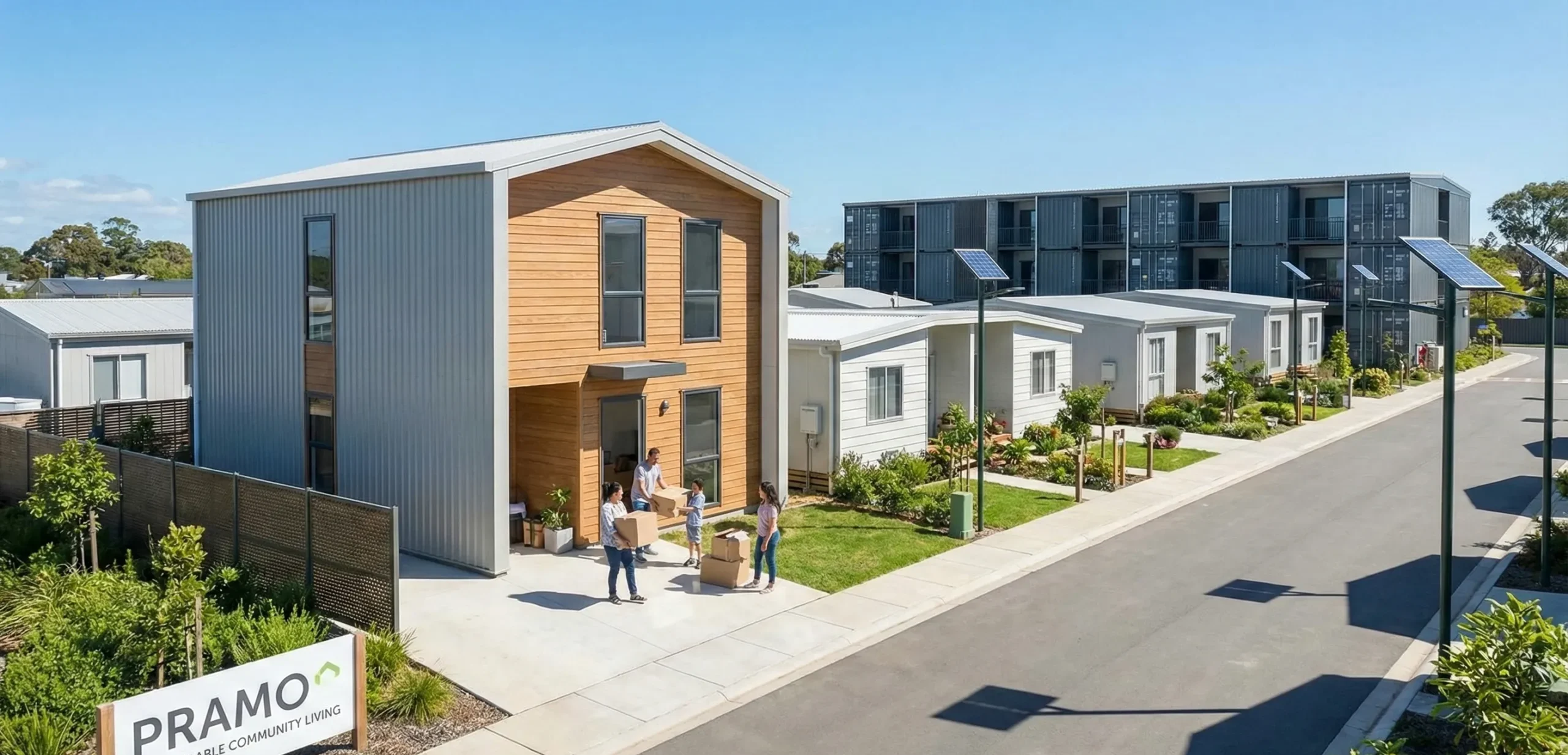
Understanding the Basics:?
To answer what is housing benefit technically: It is a government-provided financial assistance designed to help low-income individuals, unemployed persons, or those receiving other state benefits to pay their rent. In many systems (like the UK’s legacy system or similar schemes globally), it is means-tested support ensuring that no one is left without a roof over their head due to financial hardship.
However, there is a critical gap. The amount of benefit provided is often capped (e.g., Local Housing Allowance rates), while private market rents continue to skyrocket. This creates a disparity where tenants cannot find homes that their benefits will cover.
This brings us to the real solution: We don’t just need higher benefits; we need lower-cost, high-quality housing stock. This is where Pramo’s advanced construction technologies step in.
The Supply-Side Solution: Reducing the Cost of Living
For landlords, municipalities, and housing associations, the challenge is building properties that are profitable yet affordable enough for tenants relying on housing benefits. Traditional brick-and-mortar construction is often too expensive to make this math work.
Pramo offers three distinct technologies that are revolutionizing this sector, ensuring that “affordable housing” is not a myth, but a reality.
1. Speed and Economy: Containers Houses
When asking what is housing benefit intended for, the answer is often “immediate security.” Yet, waiting years for social housing blocks to be built leaves vulnerable people in limbo.
Our containers houses offer the fastest deployment time in the industry. Far from the simple shipping boxes of the past, Pramo transforms these robust steel structures into fully insulated, modern, and stylish living units.
-
Cost-Efficiency: They are significantly cheaper to produce than traditional apartments, allowing landlords to set lower rents that align perfectly with housing benefit caps.
-
Durability: Built to withstand harsh sea conditions, they offer incredible structural integrity on land.
-
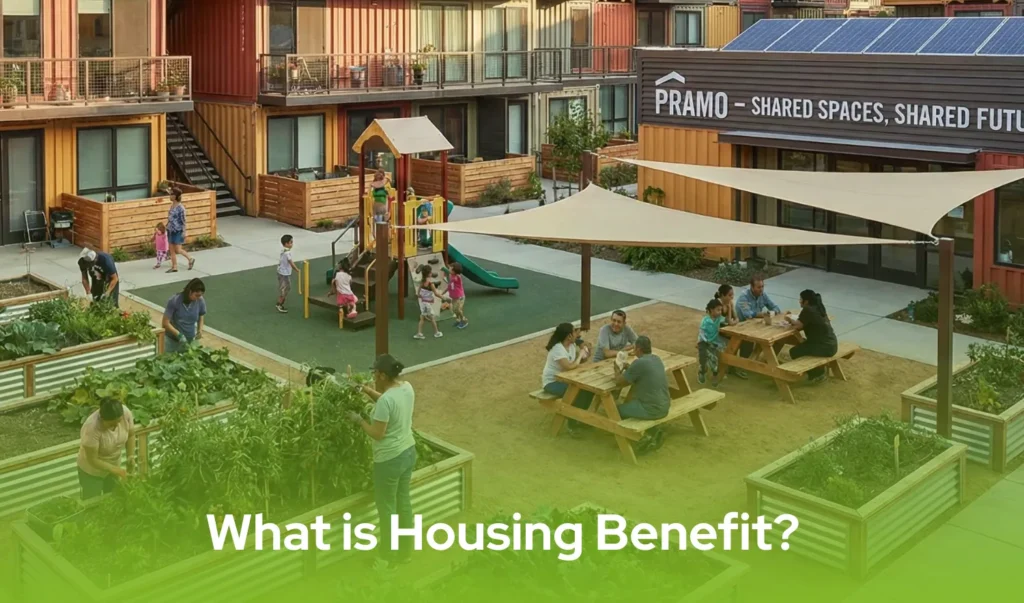
Versatility: Ideal for student accommodation, emergency temporary housing, or trendy micro-living projects, container homes allow developers to maximize land use and ROI immediately.
2. The Family Standard: Prefab House
While containers serve a specific niche, families looking for long-term stability often ask for a more traditional aesthetic. Here, the definition of what is housing benefit expands to supporting family life and community integration.
Pramo’s prefab house solutions are the gold standard for suburban and rural social housing.
-
Aesthetic Integration: These homes look and feel like high-end traditional villas but are manufactured off-site. This visual appeal is crucial for getting planning permission in established neighborhoods.
-
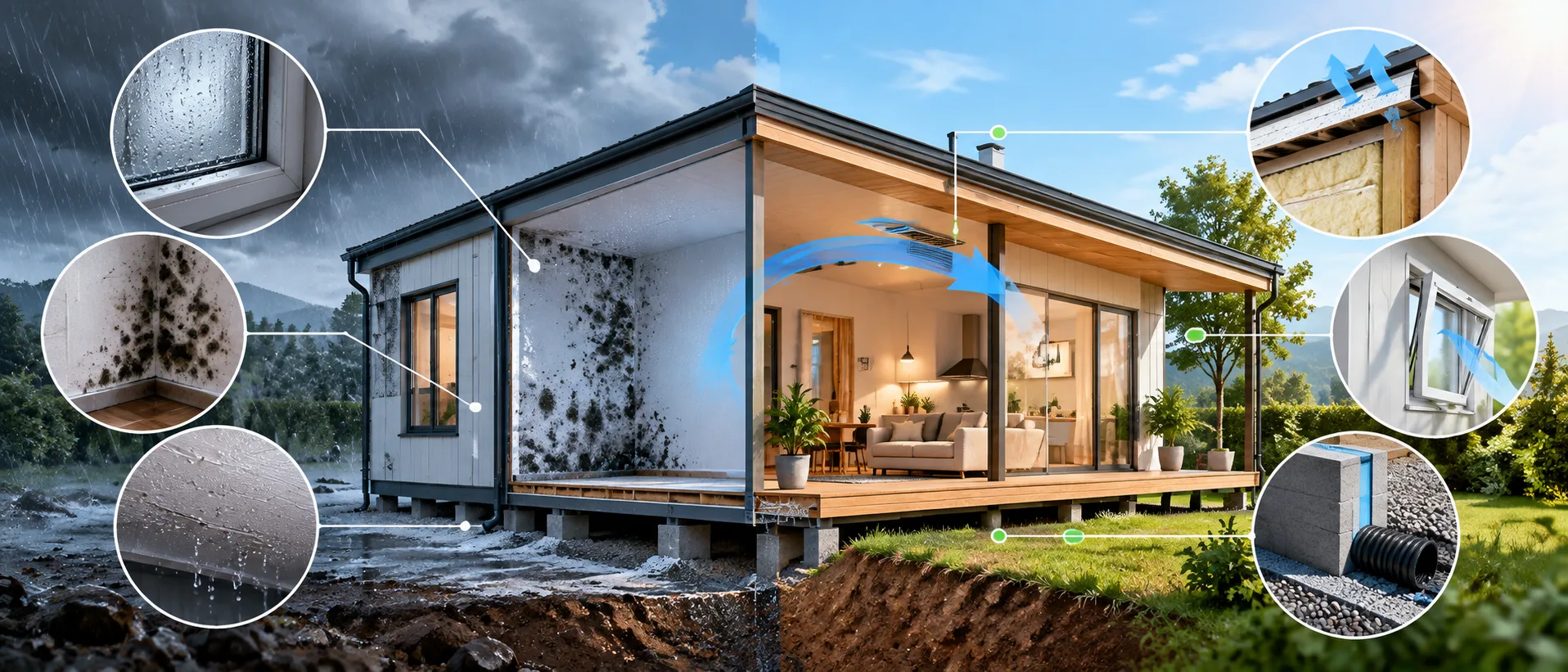
Energy Savings: A tenant on housing benefit often struggles with utility bills too. Our prefab houses are engineered with superior thermal insulation, drastically cutting heating and cooling costs. This “total cost of living” approach is what makes Pramo houses truly affordable.
-
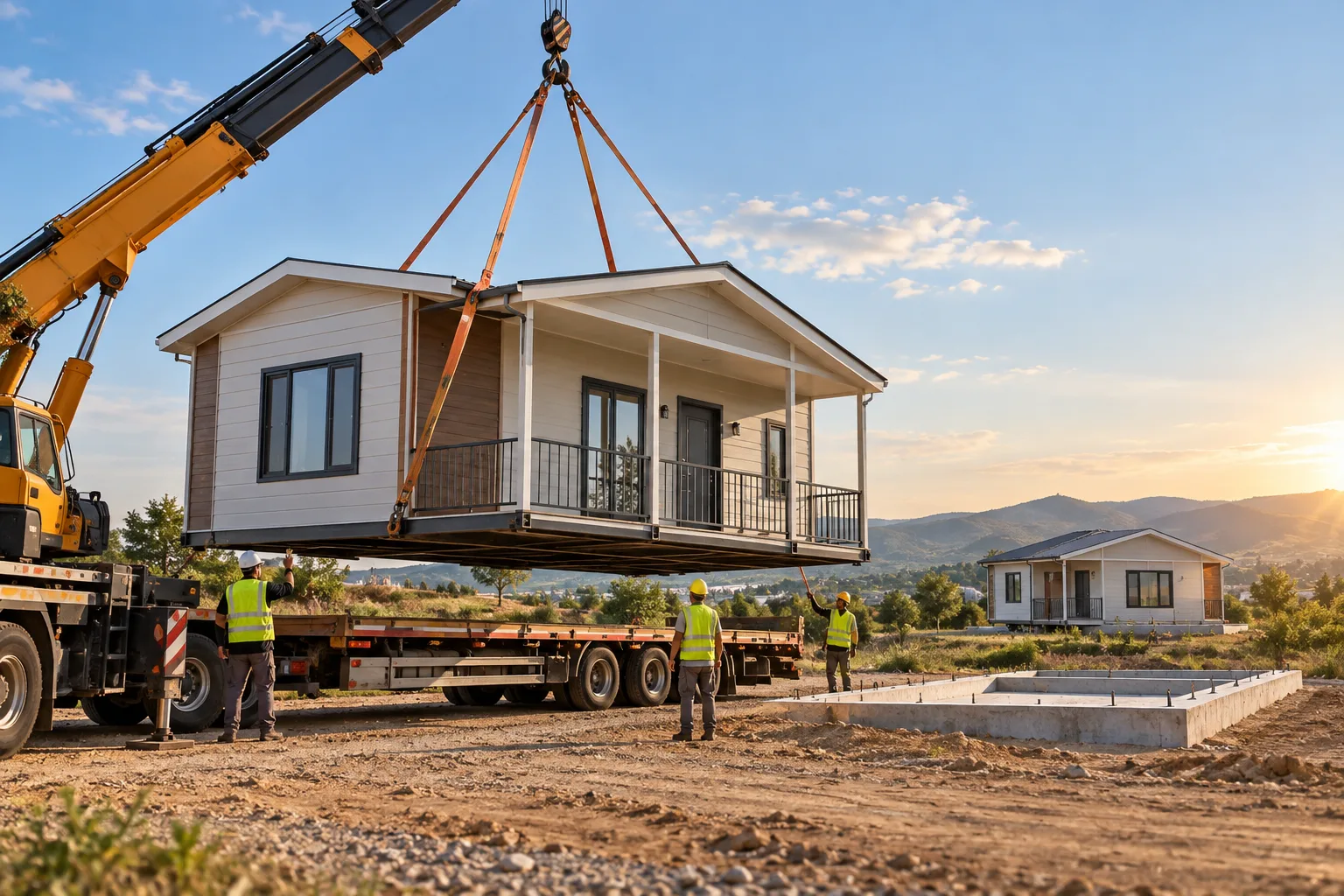
Speed of Assembly: We can assemble a family-sized home in days, not months, accelerating the handover process for waiting lists.
3. Strength and Longevity: Light Steel Houses
For large-scale developers and government bodies asking what is housing benefit sustainability, the answer lies in the lifespan of the asset. You need buildings that last for generations with minimal maintenance.
This is the domain of our light steel houses. Utilizing Light Gauge Steel (LGS) technology, we create structures that are:
-
Seismically Resistant: Offering maximum safety in earthquake-prone zones.
-
Corrosion Resistant: Galvanized steel frames do not rot, warp, or suffer from termite damage like wood.
-
Design Flexibility: Steel allows for wide spans and open-plan designs, creating modern, airy communal spaces or multi-story apartment blocks tailored for social tenants.
By investing in light steel, housing associations ensure that their maintenance budgets remain low, allowing them to keep rents affordable for decades.
Bridging the Gap Between Income and Rent
The question what is housing benefit is ultimately a question about economics. It is a subsidy trying to catch up with a runaway market. At Pramo, we stop the chase by lowering the market entry point.
When construction costs drop through prefabrication, modular design, and efficient logistics, the savings are passed down the chain.
-
The Developer spends less to build.
-
The Landlord (or Council) needs less yield to break even.
-
The Tenant gets a high-quality home at a rent that their housing benefit can actually cover.
A Future of Affordable Dignity
So, what is housing benefit? Ideally, it should be a safety net, not a trap. But it can only function effectively if there are homes available at the right price point.
Pramo is dedicated to building that inventory. Whether it is the rapid deployment of containers houses for urgent needs, the suburban comfort of a prefab house for families, or the enduring strength of light steel houses for long-term projects, we have the technology to solve the supply crisis.
Let’s move beyond just asking what the benefit is, and start building the homes that make the benefit work.