






















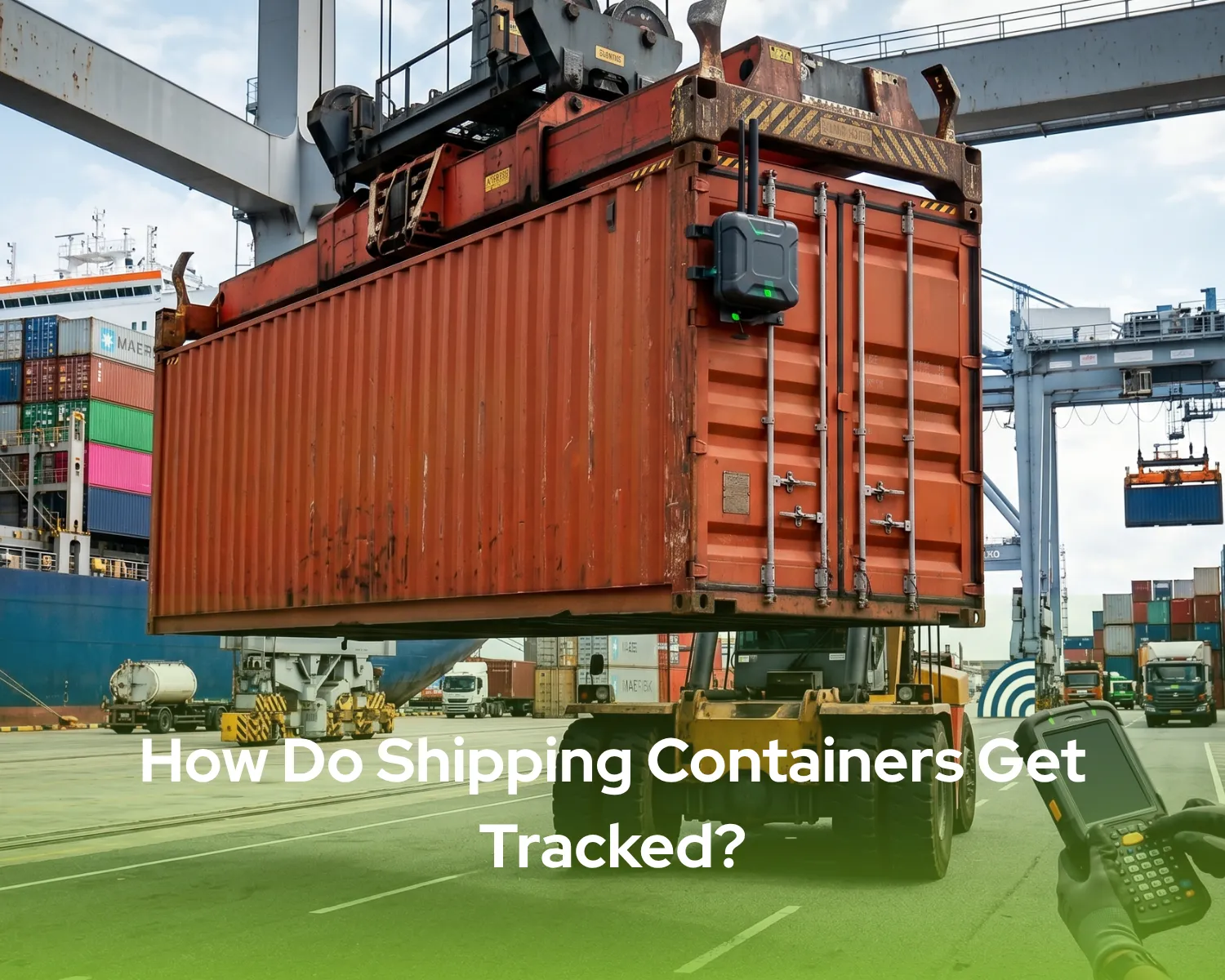
In the fast-paced global economy of 2026, transparency and real-time data have become the backbone of international trade. For businesses and logistics managers, the primary concern remains visibility: how do shipping containers get tracked across vast oceans and complex inland networks? At Pramo, we understand that moving a container is only half the battle; the other half is providing our clients with the peace of mind that comes from knowing exactly where their assets are at any given second. From satellite-based IoT sensors to blockchain-verified manifests, the technology behind container visibility has evolved into a sophisticated digital ecosystem.
The Foundation of Modern Visibility: Why Tracking Matters
The sheer scale of global shipping is staggering. Every year, over 800 million TEUs (Twenty-foot Equivalent Units) move through the world’s ports. Without a definitive answer to how do shipping containers get tracked, the global supply chain would descend into chaos. Tracking is no longer a luxury—it is a mechanical necessity to prevent theft, monitor environmental conditions for sensitive cargo, and optimize port arrival schedules.
When clients partner with Pramo for our specialized container services, they aren’t just buying a steel box; they are investing in a secure logistical journey. Understanding how do shipping containers get tracked allows businesses to reduce “dark periods” in their supply chain where cargo status is unknown, leading to better inventory management and reduced overhead costs.
IoT and Smart Sensors: The Heart of the System
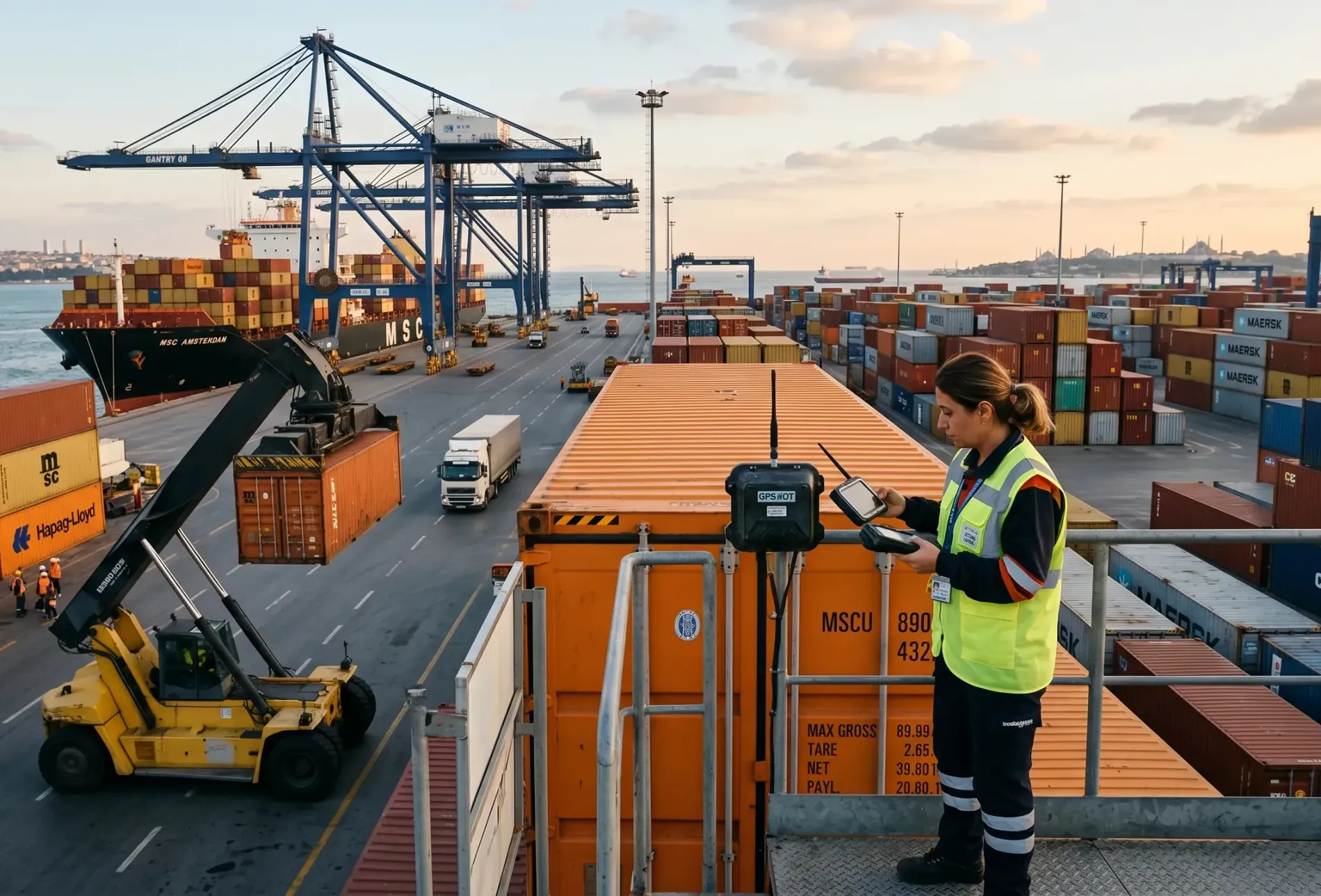
If you are wondering how do shipping containers get tracked with such high precision today, the answer lies in the Internet of Things (IoT). Modern containers are often equipped with “Smart Devices” attached to the door or the frame.
- GPS Tracking: Using Global Positioning System satellites, these devices transmit the exact latitude and longitude of the container.
- Environmental Monitoring: High-tech sensors monitor internal temperature, humidity, and even light levels (to detect unauthorized door openings).
- Shock Detection: For fragile equipment, sensors record any impact or rough handling during transit.
This hardware is the most direct answer to how do shipping containers get tracked in real-time. According to Logistics Technology standards, these devices have become significantly more affordable in 2026, allowing for widespread adoption even for standard dry-van containers.
Satellite vs. Cellular: Maintaining Connectivity
A common logistical hurdle is the “blind spot” in the middle of the ocean. So, how do shipping containers get tracked when they are thousands of miles away from a cell tower?
Modern tracking devices utilize a hybrid communication model. While near the coast, they use cellular networks (5G/6G) to transmit data cheaply and quickly. However, once the vessel enters the deep sea, the device switches to LEO (Low Earth Orbit) satellite constellations. This hybrid approach ensures that the question of how do shipping containers get tracked is answered with “continuous connectivity,” regardless of geographical isolation. At Pramo, we utilize these hybrid systems to ensure our international clients have 24/7 visibility
AIS (Automatic Identification System) Integration
While individual devices track the container, AIS tracks the vessel carrying it. If a container doesn’t have an individual IoT device, how do shipping containers get tracked then? In these cases, logistics providers link the container number to the vessel’s AIS signal.
AIS is a mandatory tracking system used by ships for identifying and locating vessels by electronically exchanging data with other nearby ships and satellite stations. By tracking the ship, we provide an estimated location for the container. However, at Pramo, we recommend individual IoT tracking for high-value cargo to ensure that if a container is offloaded or moved to a different feeder ship, the visibility remains unbroken.
Blockchain and Digital Ledger Technology
In 2026, the digital paperwork is as important as the physical location. If you ask a data scientist how do shipping containers get tracked, they will point to the blockchain.
Blockchain provides a decentralized, immutable record of every “handshake” the container makes.
- Departure: The manufacturer signs off on the digital manifest.
- Transit: Every port scan is recorded on the ledger.
- Arrival: The final recipient confirms delivery, closing the loop.
This ensures that the question of how do shipping containers get tracked includes a verified history of ownership and custody, drastically reducing the risk of fraud or lost documentation.
Port Scanners and OCR Technology
At the major hubs like the Port of Istanbul or the Port of Rotterdam, the question of how do shipping containers get tracked is answered by massive infrastructure. Optical Character Recognition (OCR) cameras read the unique ISO container codes as trucks pass through gates. This data is instantly synced with global databases, providing “Gate-In” and “Gate-Out” timestamps. This localized tracking is essential for port efficiency and ensuring that the container is loaded onto the correct vessel.
Concrete Examples: Tracking in Action
To provide somut (concrete) data, let’s look at a typical Pramo project. Suppose a client is shipping modular components for a prefab house from Turkey to the UK.
- Day 1: The container is fitted with a Pramo IoT device.
- Day 5: The vessel enters the Mediterranean; the client monitors the temperature to ensure the wood components aren’t warping due to humidity.
- Day 12: The container is offloaded in London. The OCR gate scanner confirms the arrival, and an automated SMS is sent to the site manager.
Without knowing how do shipping containers get tracked, the site manager would be left guessing when to hire the crane, potentially wasting thousands of dollars in standby fees.
The Role of Telematics in Inland Tracking
Once the container leaves the port on a truck or train, the question of how do shipping containers get tracked shifts to telematics. The truck’s onboard computer and the container’s sensor work in tandem. This allows for “Geofencing”—a technology where a digital “fence” is drawn around the destination. When the container enters this zone, the customer receives an alert. At Pramo, this level of precision is standard for our light steel and modular delivery services.
The Future of Transparent Logistics
As we have explored, the answer to how do shipping containers get tracked is a symphony of satellite technology, IoT sensors, and smart data management. In the modern era, “lost cargo” is becoming a relic of the past. At Pramo, we are committed to staying at the cutting edge of these technologies. We don’t just deliver containers; we deliver certainty.
Whether you are moving a single unit for a private project or managing a fleet of hundreds, understanding how do shipping containers get tracked is the first step toward a more efficient, stress-free business model. Transparency builds trust, and trust is the foundation of every successful partnership at Pramo.
Let us help you navigate the complexities of global trade. Explore our container solutions today and discover the power of 100% visibility. With our advanced systems, you will never have to ask where your cargo is again; you will simply know.
How do shipping containers get tracked if the battery dies?
Modern IoT devices in 2026 use solar-harvesting technology or batteries that last up to 10 years. This ensures the tracking is never interrupted during long-haul voyages.
How do shipping containers get tracked inside a warehouse?
Inside steel-roofed buildings, GPS signals can be weak. In these environments, we use Bluetooth Low Energy (BLE) or Wi-Fi triangulation to maintain indoor visibility.
Is container tracking expensive?
While there is a cost for the hardware, the ROI is found in reduced insurance premiums and the elimination of lost cargo. Knowing how do shipping containers get tracked is an investment in risk management.