





















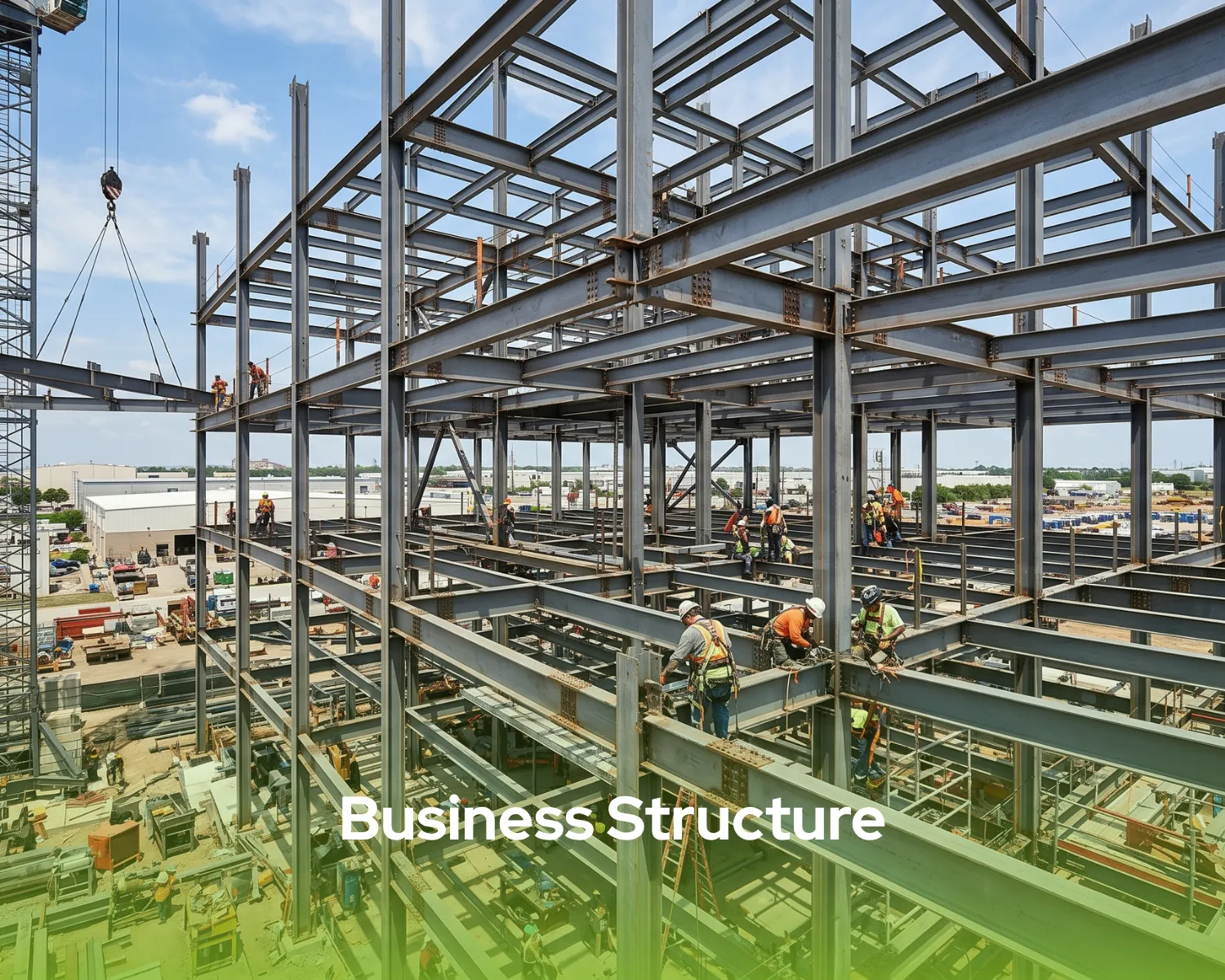
In the rapidly evolving commercial landscape of 2026, the physical foundation of an organization is no longer just a shell; it is a strategic asset. As companies face increasing pressure to remain agile, sustainable, and cost-effective, the traditional approach to office and industrial design is being overhauled. Today, a successful business structure must prioritize flexibility and rapid deployment to keep pace with global market shifts. Whether you are expanding a logistics hub or establishing a new corporate headquarters, the way you choose to build reflects your brand’s adaptability and long-term vision.
Pramo is at the forefront of this architectural revolution, providing high-tech modular solutions that redefine what a modern facility can achieve. By integrating advanced engineering with sustainable materials, we help organizations build a business structure that is as dynamic as the markets they serve. To explore how we can transform your physical presence, we invite you to look into our comprehensive modular structures and our cutting-edge hybrid structure solutions. In this guide, we will analyze the technical standards, financial advantages, and strategic importance of selecting the right building model for your company.
Defining the Pramo’s Modern Business Structure: Technical Excellence
In a technical sense, the term business structure in 2026 refers to the physical and organizational framework that supports a company’s operations. In the construction sector, this involves moving away from slow, site-intensive traditional methods toward precision-engineered off-site fabrication. Modern prefabricated buildings utilize high-strength galvanized steel frames and high-density insulation panels to create a workspace that is both durable and incredibly fast to assemble.
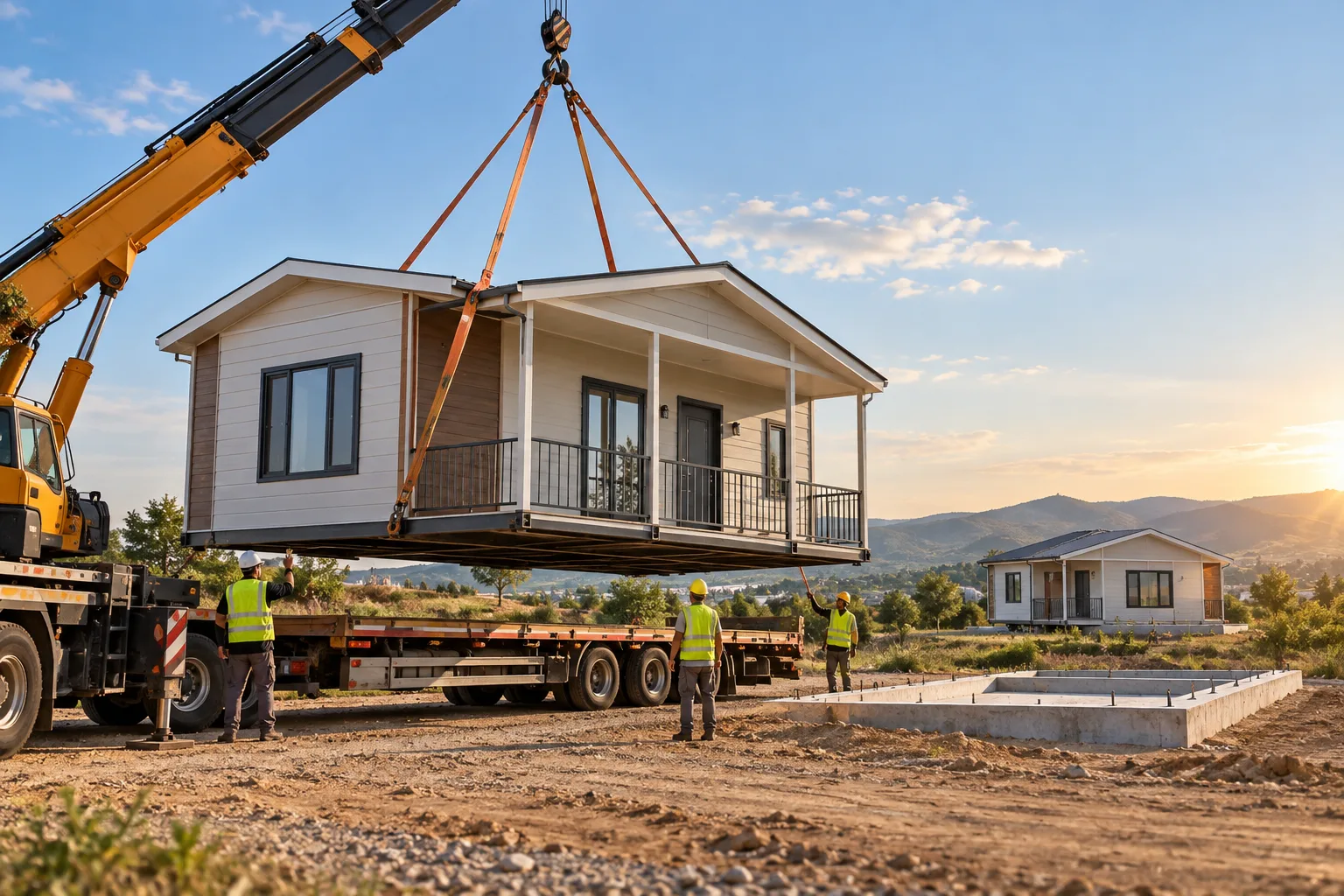
The move toward prefabrication has changed the way executives view capital expenditure. Instead of waiting years for a concrete building to cure, a modular business structure can be manufactured in a controlled factory environment and assembled on-site in a fraction of the time. This precision ensures that every component meets rigorous quality standards, eliminating the common human errors associated with traditional construction sites. For a 21st-century enterprise, this level of technical reliability is the cornerstone of a resilient business structure.
Modularity and Strategic Agility
The hallmark of a successful company in 2026 is the ability to scale up or down without massive overhead losses. A modular business structure offers unparalleled flexibility that brick-and-mortar buildings simply cannot match. If your team grows from fifty to five hundred employees, your physical space should be able to expand accordingly without a complete demolition of the existing site.
- Scalability: Pramo’s modular systems allow for horizontal and vertical expansion. This means your business structure can grow module by module as your revenue increases.
- Column-Free Spans: Advanced steel engineering provides wide, open interiors. This flexibility is vital for creating collaborative open-plan offices or high-capacity logistics centers.
- Relocatability: Should your strategic focus shift to a new region, a Pramo business structure can be disassembled and moved to a new location, preserving your initial capital investment.
This “asset mobility” is a game-changer for financial planning. It allows a firm to treat its physical headquarters as a flexible asset rather than a sunk cost tied to a single piece of land.
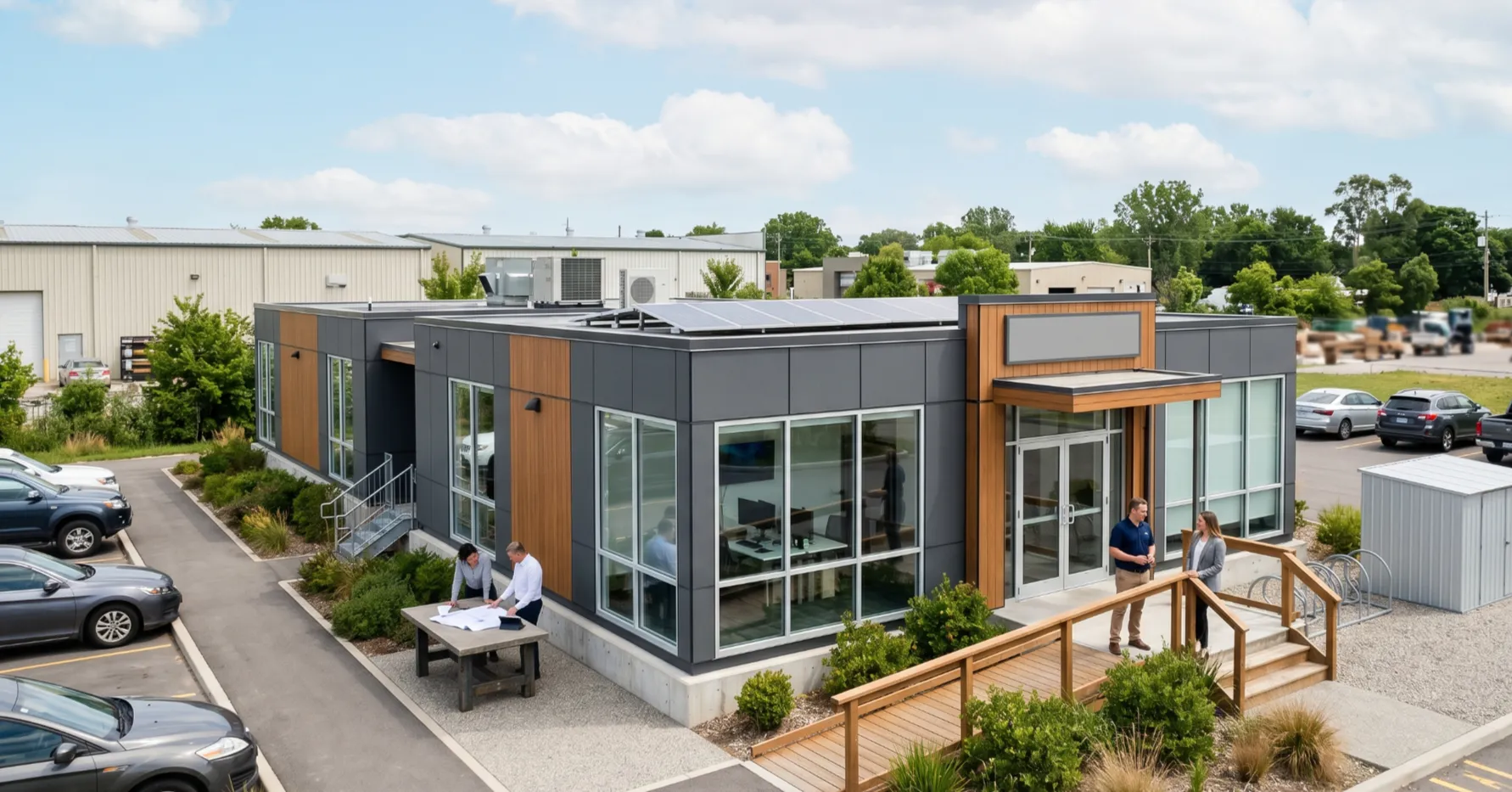
Durability, Safety, and Seismic Resilience
In regions prone to seismic activity or extreme weather, the physical integrity of your business structure is a matter of both employee safety and business continuity. Steel, unlike concrete, possesses a high degree of ductility. This allows the building to absorb and dissipate energy during an earthquake rather than cracking or collapsing.
Pramo ensures that every business structure we deliver is engineered to exceed international safety codes and 2026 building regulations. By using corrosion-resistant galvanized steel, we extend the physical life of our buildings to over 80 years. This long-term durability ensures that your core business structure remains a safe and productive environment for generations, regardless of external environmental pressures. Safety is not just a regulatory hurdle; it is a foundational pillar of trust between a company and its workforce.
Insulation and Operational Efficiency
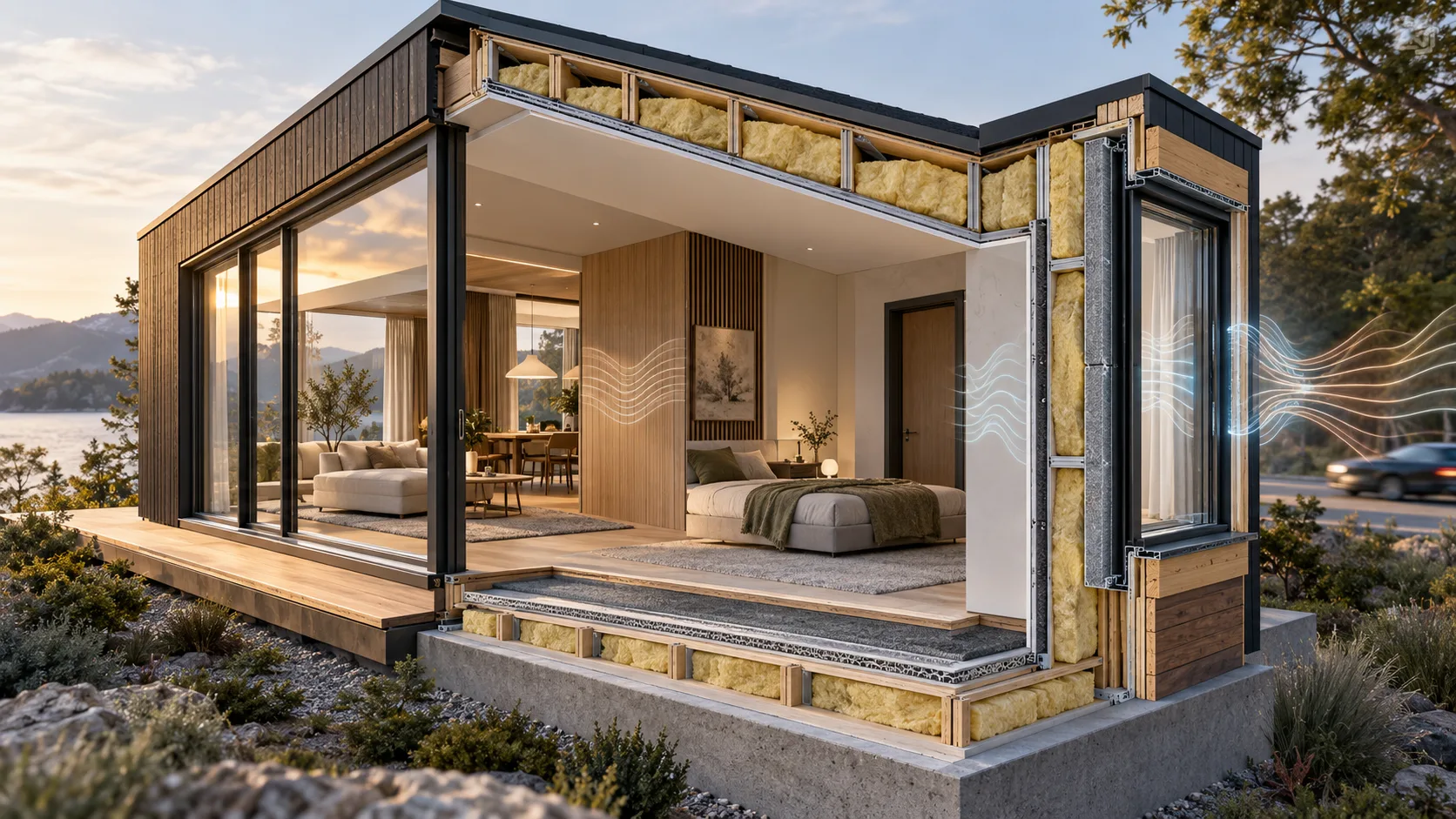
A high-performing business structure must be energy-efficient to remain competitive in an era of high utility costs and strict carbon regulations. Pramo’s multi-layered sandwich panel systems provide world-class thermal insulation. This creates a powerful barrier against extreme temperatures, significantly reducing the energy required for heating and cooling.
By optimizing the thermal envelope of your business structure, you can reduce operational energy costs by up to 50% compared to traditional masonry buildings. Furthermore, the use of fire-rated materials like rock wool ensures that your inventory and equipment are protected against thermal hazards. In the 2026 corporate world, a sustainable business structure is synonymous with a profitable one. Green building certifications are no longer optional for major brands; they are a vital component of corporate social responsibility and brand equity.
The Accelerated Timeline: Precision and Speed
Time is the most valuable currency in 2026. A delay in opening a new sales office or production plant can result in millions of dollars in lost opportunity. Selecting a modular business structure allows for a “dual-track” workflow: while site foundations are being prepared, the building is being manufactured in the factory.
Pramo’s streamlined process for delivering a business structure involves:
- Strategic Design: Customizing the floor plan to your specific operational workflow.
- Digital Manufacturing: Using CNC technology to produce components with zero margin for error.
- Rapid Logistics: Shipping protected modules to your site globally.
- Expert Assembly: Completing the business structure in weeks rather than months.
This rapid deployment minimizes on-site noise, dust, and disruption to your ongoing activities. It allows for a cleaner, safer, and more predictable construction experience.
Financial Analysis: The Economics of Prefabrication
When analyzing the return on investment (ROI) for a new facility, a modular business structure consistently outperforms traditional builds. Traditional construction often suffers from “hidden costs” such as labor strikes, weather delays, and material wastage. In contrast, the cost of a Pramo business structure is fixed from the moment the design is approved.
Fixed pricing allows for better cash flow management and risk mitigation. Moreover, because these buildings are erected faster, the company can begin generating revenue much sooner. In the 2026 fiscal environment, an agile business structure that reduces “time-to-market” is the preferred choice for CFOs and real estate developers alike. The ability to depreciate these assets differently than permanent masonry also offers significant tax advantages in many jurisdictions.
Technology Integration: The Smart Business Structure
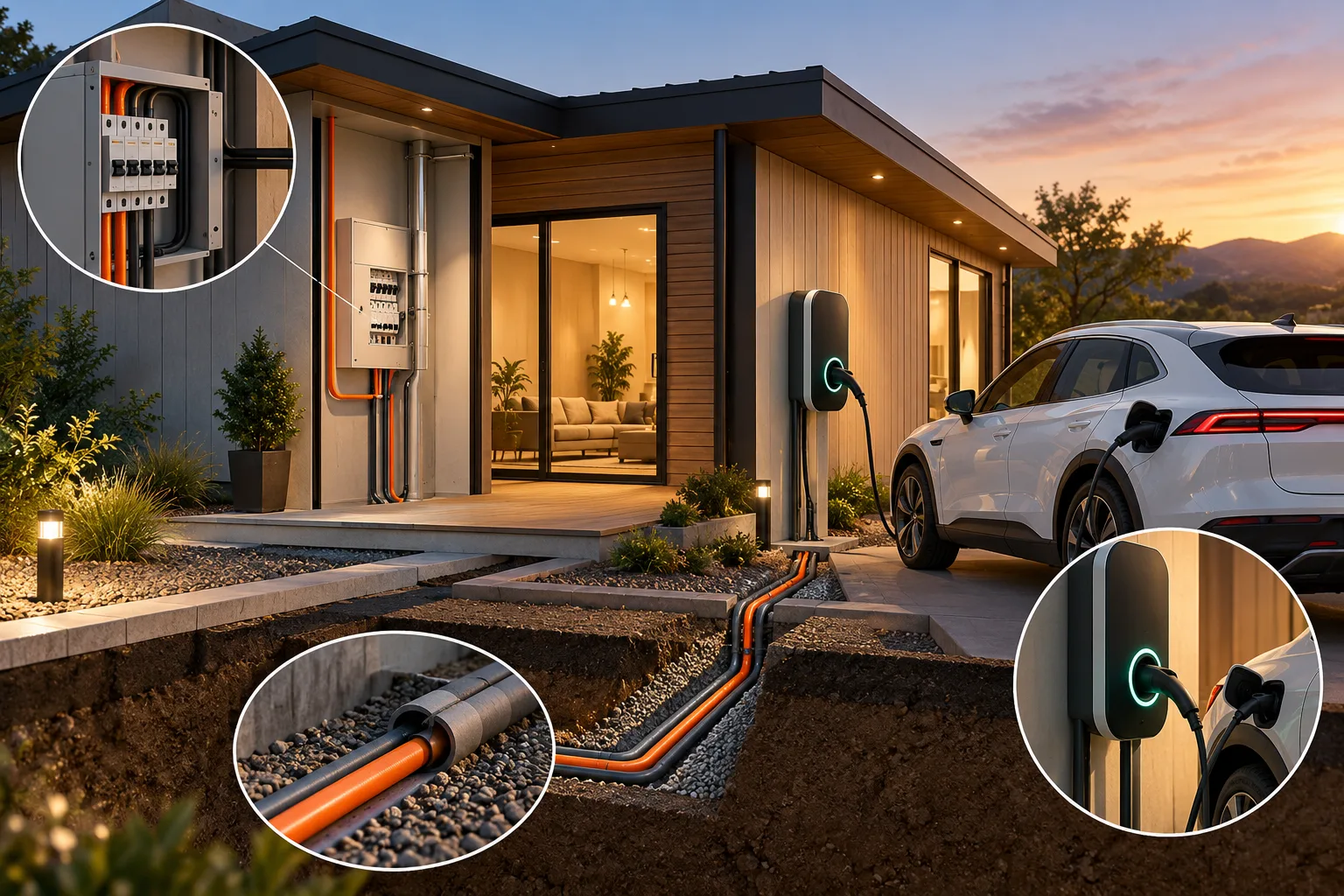
The modern office is a digital ecosystem. In 2026, a business structure must act as a smart hub, integrating Internet of Things (IoT) sensors, automated climate control, and high-speed data networks into its very fabric. Pramo’s steel-frame systems allow for easy integration of hidden cabling and smart building tech without the need for invasive drilling or retrofitting.
A tech-ready business structure supports a more productive workforce. Whether it’s acoustic management to reduce office noise or smart lighting that adjusts based on natural sunlight, every detail is designed to enhance human performance. As we move further into the decade, the line between software and hardware in a business structure will continue to blur, making modularity even more essential for future tech upgrades.
Sustainability and the Circular Economy
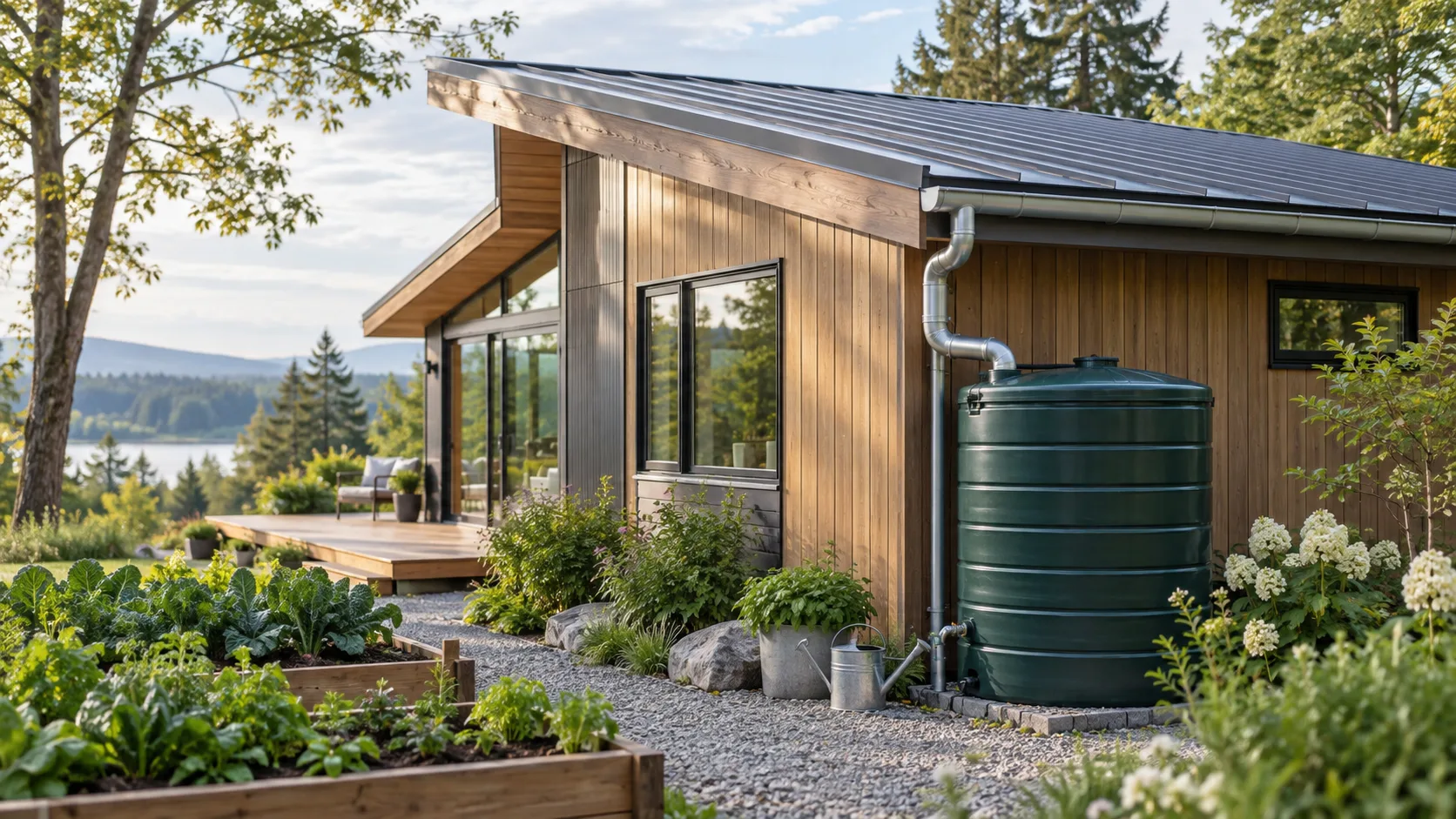
In 2026, the construction industry is under intense scrutiny regarding its environmental impact. A modular business structure is inherently more sustainable than traditional methods. Factory-controlled production reduces material waste by up to 90%, and because the buildings can be disassembled, they fit perfectly into the “circular economy” model.
Pramo is committed to using recyclable steel and eco-friendly insulation in every business structure we produce. This approach not only helps the planet but also helps our clients avoid “carbon taxes” and regulatory fines. When a building reaches the end of its useful life, a modular business structure can be recycled rather than becoming a pile of concrete rubble in a landfill.
Partnering with Pramo for Long-Term Success
In conclusion, the decision of how to build your physical presence is one of the most significant strategic choices a company can make. In 2026, the optimal business structure is one that combines the permanence of steel with the flexibility of modular design. It must be fast to build, safe to inhabit, and easy to scale. Pramo is proud to be the engineering partner that helps companies navigate this complex landscape with confidence.
By choosing a Pramo business structure, you are investing in an asset that will protect your team, reduce your costs, and enhance your brand’s reputation for innovation. If you are ready to modernize your infrastructure and build a foundation for the future, our team of experts is ready to assist you. Let us help you design the perfect business structure for your next chapter of growth. The future of architecture is modular, sustainable, and fast—let’s build it together with Pramo.