





















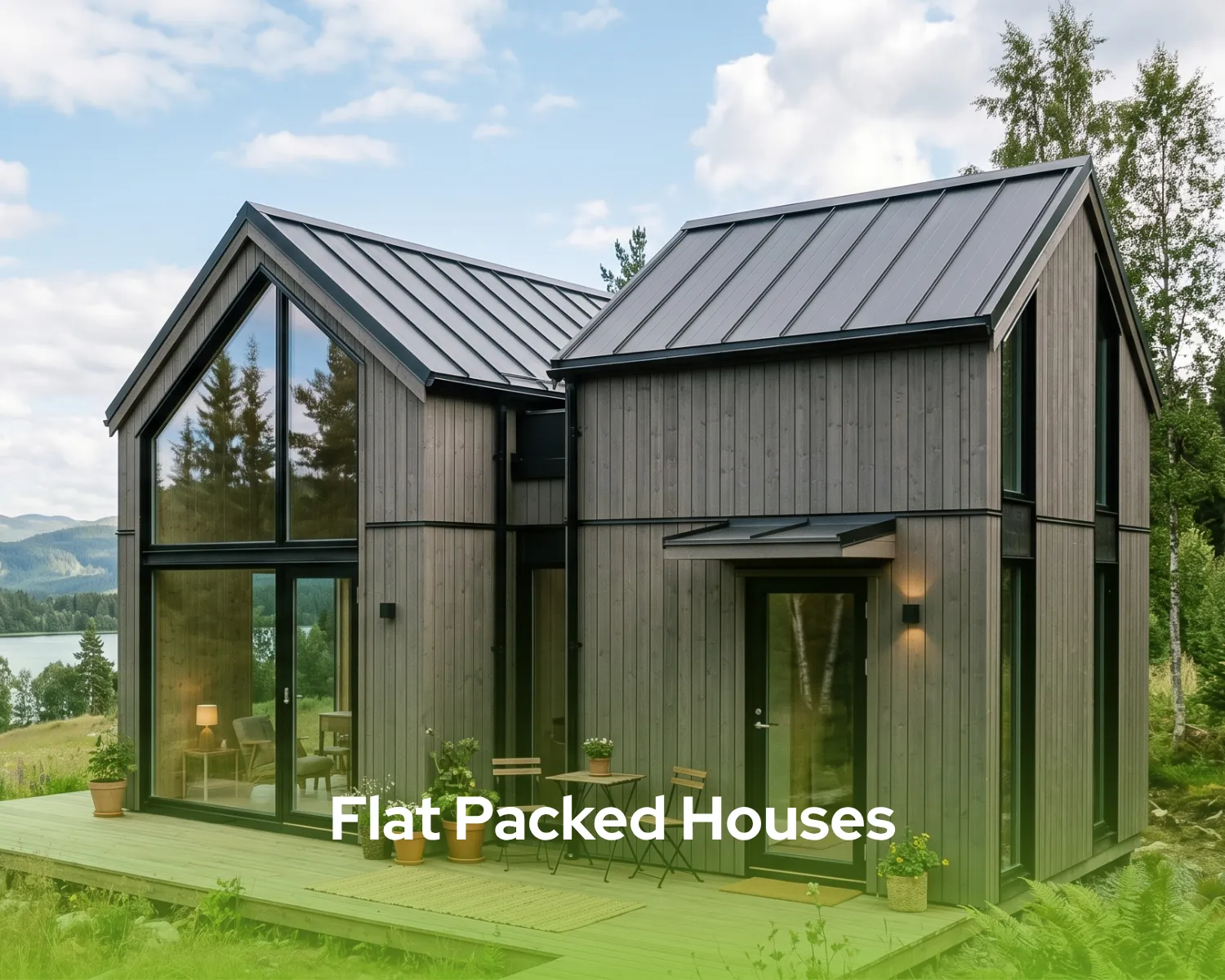
In the rapidly evolving architectural landscape of 2026, the demand for efficiency, sustainability, and affordability has reached an all-time high. As global housing needs shift toward more agile solutions, flat packed houses have emerged as a primary choice for individuals and developers alike. These structures represent a significant leap in construction technology, allowing for high-quality residential spaces to be manufactured in a controlled environment and shipped globally with ease. The concept of a modern home is no longer tied to months of on-site labor and unpredictable weather delays; instead, it is defined by precision engineering and rapid deployment.
Pramo is leading this residential revolution by offering state-of-the-art modular solutions that redefine the housing experience. Whether you are looking for a compact living unit or a spacious family home, our flatpacked houses provide the perfect balance of aesthetic appeal and structural integrity. To discover more about our versatile range, we invite you to explore our specialized flatpack container solutions and our flagship prefab house models. In this comprehensive guide, we will analyze the technical standards, financial benefits, and environmental impact of choosing this modern construction method.
Defining Flat Packed Houses: Technical Excellence
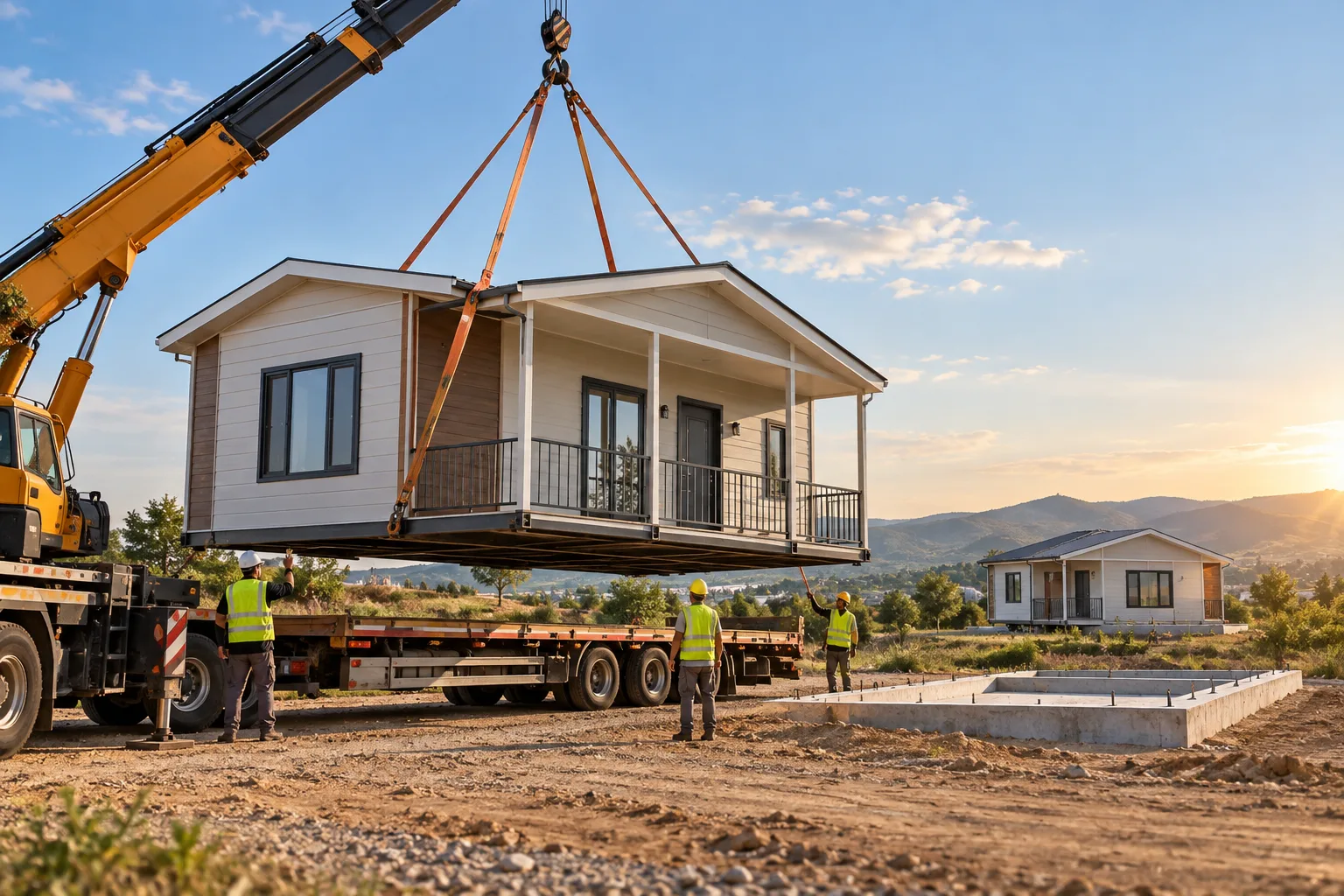
Technically, flat packed houses are structures where all components—walls, roof, floor, and structural frames—are manufactured off-site and packed into a flat configuration for efficient transport. This method significantly reduces shipping costs and logistical complexity. Upon reaching the destination, these components are assembled using a systematic bolt-and-nut approach, often requiring minimal specialized heavy machinery. This level of technical sophistication ensures that a flat packed houses project can be completed in a fraction of the time required for traditional masonry.
The shift toward prefabrication has transformed the residential sector. By utilizing high-precision CNC machinery, manufacturers can ensure that every panel of a flat packed houses unit fits perfectly, eliminating the gaps and structural inconsistencies common in hand-built homes. Furthermore, the integration of a high-quality prefab house as a primary residence provides superior insulation and seismic resistance, making it a reliable long-term investment in any climate.
The Versatility of the Modern Prefab House
The hallmark of living in 2026 is the ability to customize your environment to fit your lifestyle. A flat packed houses model offers unparalleled design flexibility. Modern modular architecture allows for various floor plans, ranging from minimalist tiny homes to multi-story luxury residences. Because the structure is based on a modular grid, homeowners can easily add or remove sections as their family grows or their needs change.
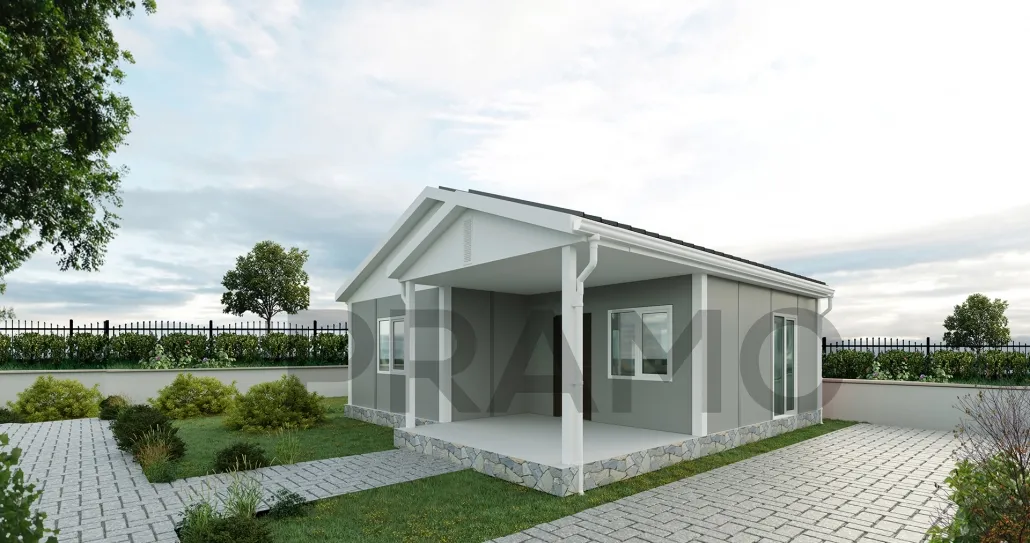
The modern flat packed houses can be finished with a variety of exterior claddings, such as wood, stone, or composite panels, to match local aesthetics. Rapid assembly is another key feature; a standard flat packed houses unit can often be erected within days, allowing owners to move in much faster than traditional builds. Due to their compact shipping size, flat packed houses can be delivered to remote islands or dense urban environments where traditional construction is impossible. This agility is why the prefab house has become a favorite for eco-villages, disaster relief housing, and high-end vacation rentals. It represents a “mobile asset” that retains its value regardless of where it is located.
Durability, Safety, and Seismic Resilience
In regions prone to earthquakes or extreme weather, the structural integrity of your home is the most important factor. Flat packed houses built with light-gauge steel frames offer superior safety compared to traditional wood or brick structures. Steel is inherently ductile, meaning a flat packed houses structure can absorb and dissipate the energy from seismic waves, significantly reducing the risk of collapse. In the context of 2026 building safety, this engineering approach is the gold standard for residential security.
Pramo ensures that every flatpacked houses unit is engineered to meet 2026 international building codes. By using galvanized steel that is resistant to corrosion, pests, and fire, we provide a prefab house that is built to last for generations. Safety is a foundational pillar of our design philosophy, ensuring that your family remains protected against the elements. Whether it is heavy snow loads in the north or high winds in coastal areas, a flat packed houses unit from Pramo is a fortress of reliability.
4. Insulation and Energy Efficiency
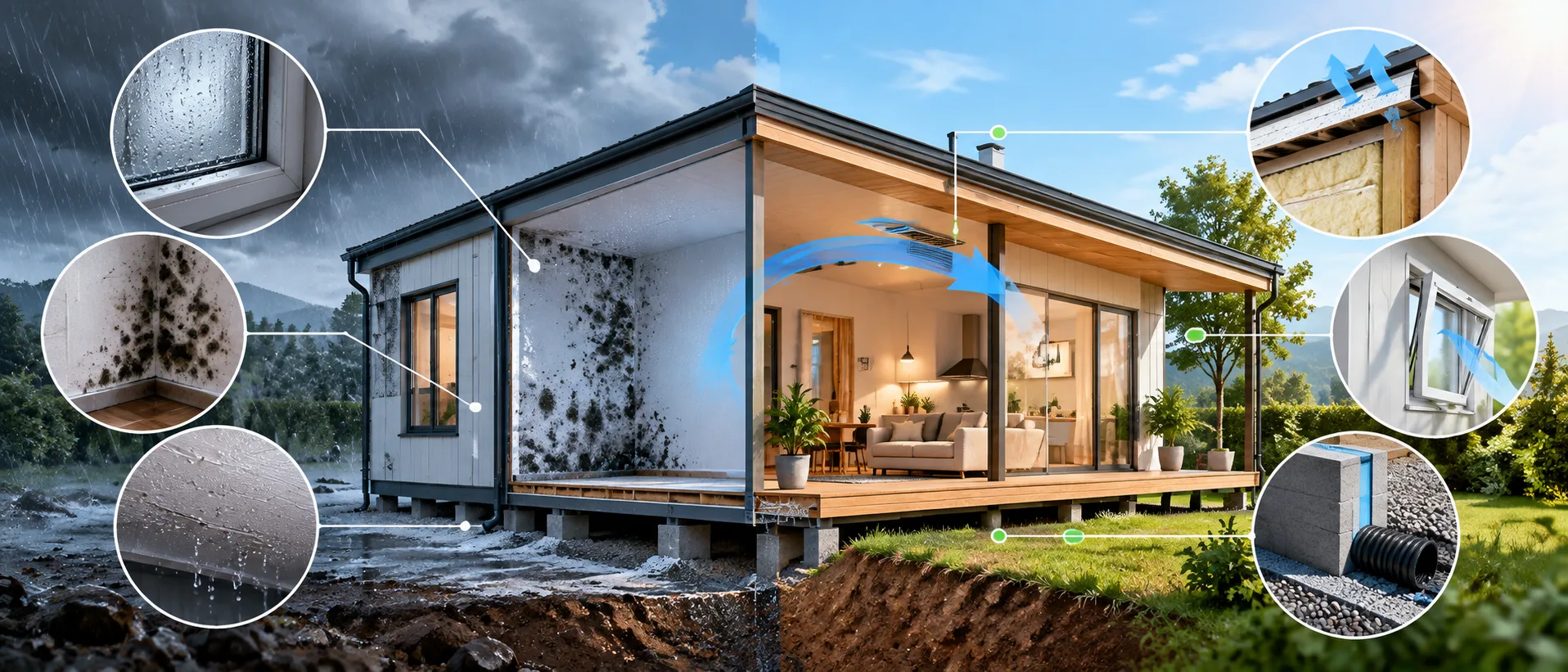
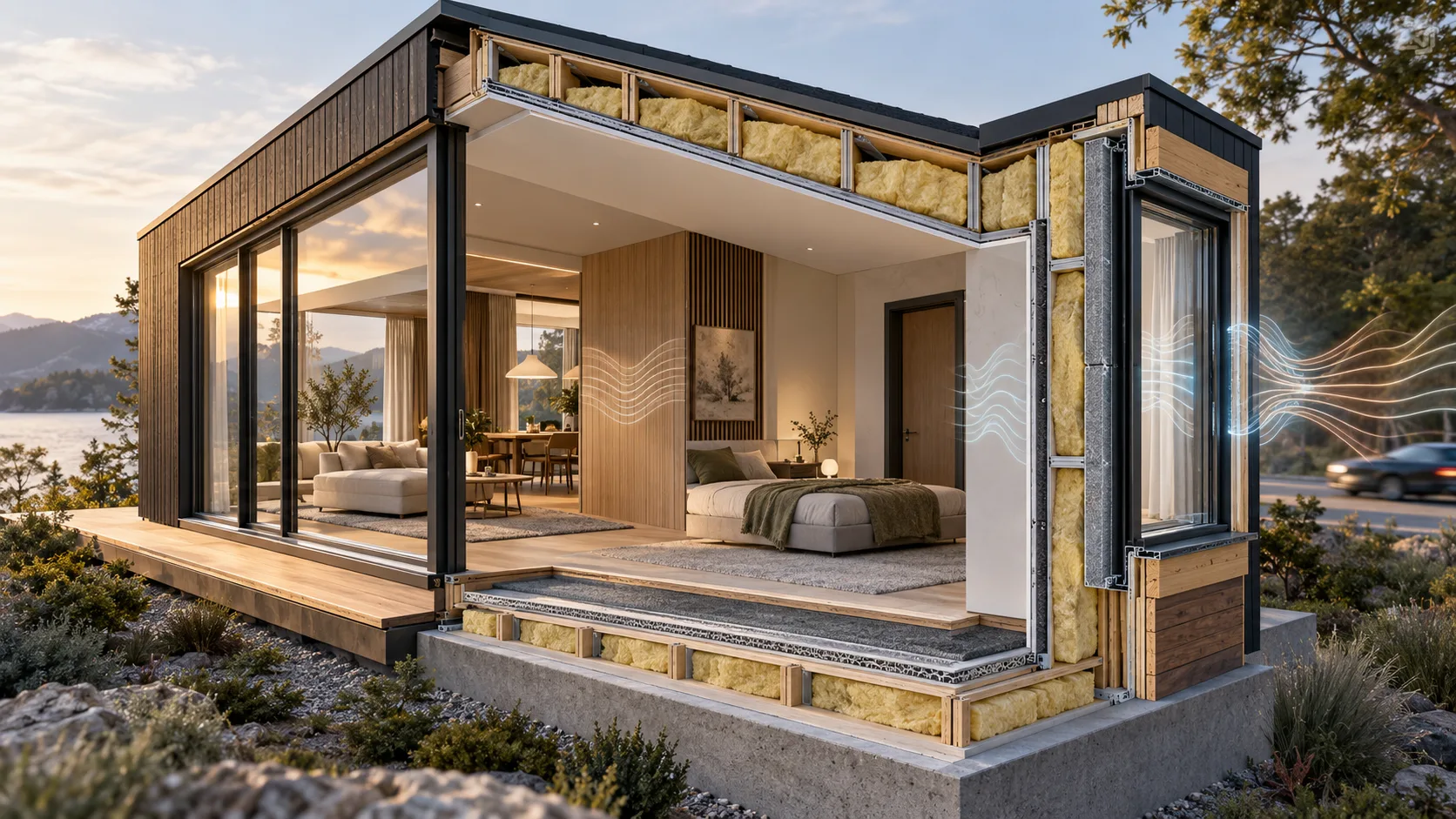
A high-performing home must be energy-efficient to remain affordable in an era of rising energy costs. Flat packed houses utilize advanced sandwich panel technology, which includes high-density insulation materials like rock wool or polyurethane. This creates a thermal envelope that keeps the interior cool in the summer and warm in the winter, drastically reducing the carbon footprint of the building. The precision fit of these panels ensures there are no thermal bridges, which is a common failure in site-built homes.
By choosing a flat packed houses solution, homeowners can save up to 60% on their monthly utility bills compared to non-insulated traditional homes. The airtight construction of a modern prefab house also improves indoor air quality by preventing the entry of dust and allergens. In 2026, a sustainable flat packed houses unit is not just an environmental choice; it is a smart financial decision that enhances the quality of life for every occupant. This focus on thermal performance makes the prefab house ideal for both arctic and tropical climates.
The Financial Advantage: ROI of Flat Packed Houses
When analyzing the return on investment for a new home, flat packed houses consistently outperform traditional construction. Conventional builds often suffer from budget overruns due to labor shortages and material price fluctuations. In contrast, the cost of a flat packed houses project is largely fixed from the moment the design is finalized in the factory. This financial transparency is vital for modern homeowners who need to manage their debt-to-income ratios effectively.
This cost-predictability allows for better financial planning. Furthermore, because these homes are assembled so quickly, owners can save months of rent or mortgage interest payments. In the 2026 real estate market, a high-quality prefab house is seen as a liquid asset; it can be sold, moved, or expanded with minimal friction. Investing in flat packed houses means investing in a future where your home adapts to your financial situation, rather than the other way around. The lower maintenance costs associated with steel-framed flat packed houses further enhance the long-term ROI.
Technology Integration and Smart Living
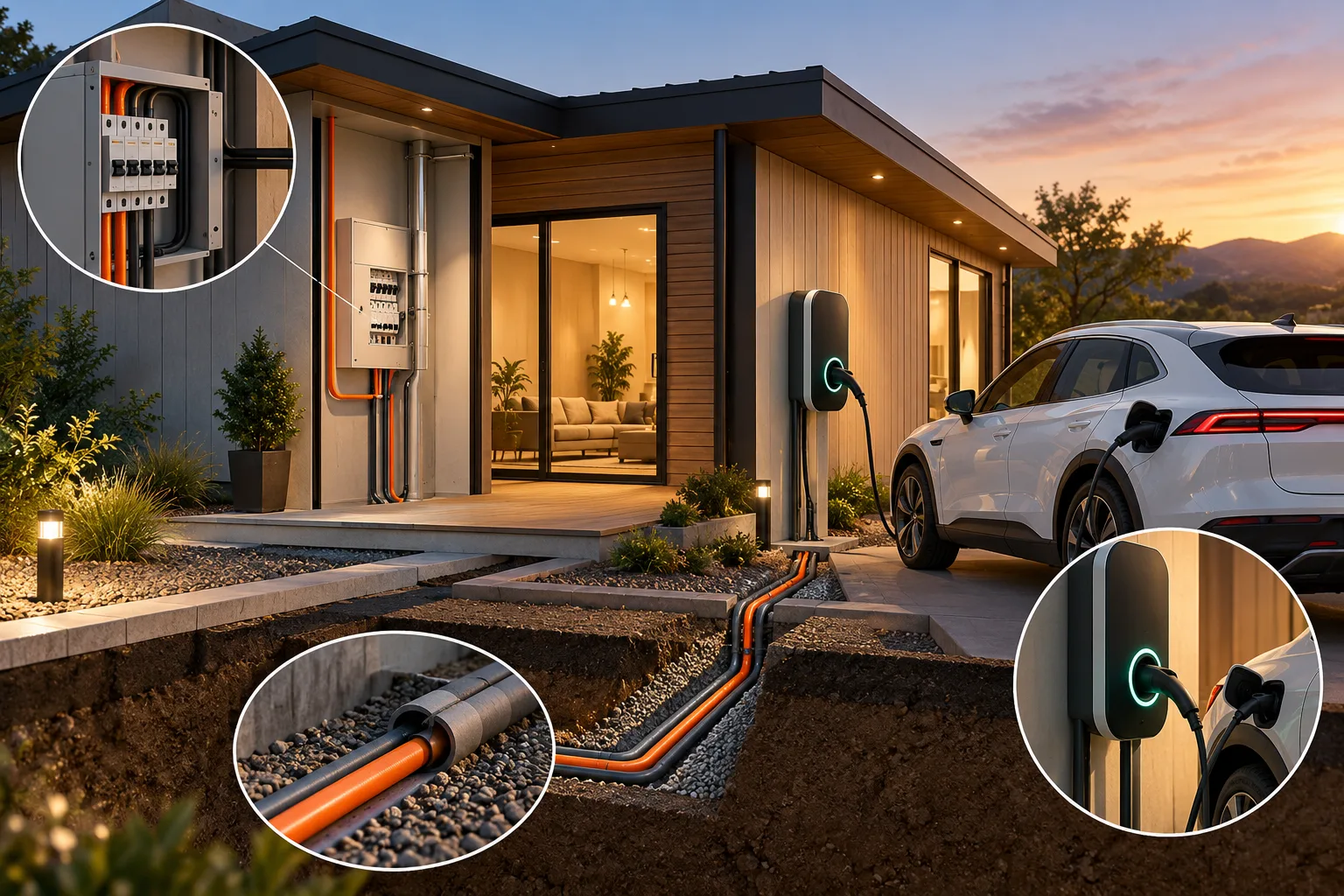
The modern home is a technological hub. In 2026, flatpacked houses are designed to be “smart-ready” from the factory. Pramo integrates hidden conduits for high-speed data, smart lighting, and automated climate control directly into the wall panels. This means your flat packed houses unit is ready for the latest IoT devices without the need for messy retrofitting or drilling. This “plug-and-play” infrastructure is a major selling point for the tech-savvy generation of 2026.
A tech-ready prefab house supports a modern, connected lifestyle. Whether you are working from home or managing a smart household, the infrastructure of a flat packed houses model is designed to support high-performance living. From solar panel integration on the roof to smart locks at the entrance, every detail of the flat packed houses experience is optimized for the digital age. The structural strength of a prefab house allows for the easy mounting of heavy tech hardware, such as large OLED screens or battery storage walls, without compromising the wall’s integrity.
Environmental Impact and Sustainability
Construction is one of the largest contributors to global waste. However, the production of flat packed houses is inherently sustainable. Factory-controlled manufacturing reduces material waste by up to 90%, as any offcuts are recycled back into the production line. Additionally, the lightweight nature of flat packed houses means that the foundation requirements are often less invasive, preserving the natural landscape of the building site and reducing the amount of concrete needed—a major source of CO2 emissions.
Pramo is committed to using eco-friendly materials in every flat packed houses unit we produce. By selecting a prefab house, you are participating in a circular economy where buildings can be disassembled and repurposed rather than demolished and sent to a landfill. In 2026, living in a flat packed houses unit is a powerful statement of environmental responsibility. The low carbon footprint of transporting flat packed houses—thanks to their high packing density—further cements their status as the greenest housing option available today.
Your Future with Pramo
In conclusion, the decision of where to live is one of the most significant choices an individual can make. In 2026, the optimal residence is one that combines the strength of steel with the convenience of modular design. Flat packed houses represent the pinnacle of this intersection, offering a home that is fast to build, safe to inhabit, and easy to sustain. Pramo is proud to be the engineering partner that helps you realize your dream of a modern home through innovative modular technology.
By choosing a Pramo flat packed houses solution, you are investing in a lifestyle that values quality, speed, and sustainability. Whether you are building a single prefab house or an entire residential community, our team of experts is ready to assist you in every step of the process. Let us help you flatpacked houses design the perfect living space for your needs. The future of residential architecture is here, and it is flat-packed, sustainable, and fast—let’s build it together with Pramo.