





















In the architectural landscape of 2026, the global housing paradigm has shifted dramatically towards efficiency, intentionality, and freedom. The rising popularity of little houses is no longer just a niche trend; it has become a definitive response to the complexities of modern urban living and the increasing desire for ecological sustainability. People are trading vast, unutilized square footage for high-tech, compact spaces that prioritize quality of life over quantity of possessions. This movement represents a fundamental change in how we perceive the “ideal home,” focusing on the liberation that comes with a reduced carbon footprint and lower financial overhead.
Pramo is at the forefront of this modular evolution, engineering spaces that defy their physical dimensions through smart design. Whether you are looking for a weekend retreat or a permanent minimalist residence, our houses offer the perfect synthesis of luxury and practicality. To explore the pinnacle of compact elegance, we invite you to view our luxury small home 2026 collection and discover how we utilize every square centimeter. In this guide, we will analyze the technical standards, design philosophy, and lifestyle benefits of investing in these houses.
The Philosophy of the “Little Houses” Movement
The core philosophy behind little houses is “downsizing to upgrade.” By reducing the physical footprint of a dwelling, homeowners can afford much higher quality materials, such as premium claddings and advanced smart home systems, that would be cost-prohibitive in a traditional mansion. In 2026, a home is judged by its intelligence and harmony with nature, not its total area.
Living in little houses encourages a curated lifestyle. Every object within the home must serve a purpose or provide significant aesthetic value. This intentionality leads to a clutter-free environment that promotes mental clarity and reduces the stress associated with maintaining a large property. Minimalism in architecture is about stripping away the non-essential to reveal the beauty of form and function—a principle that is the heartbeat of every Pramo project.
Technical Engineering of Modern Little Houses
Technically, the construction of high-end houses are requires far more precision than conventional building. Because space is limited, there is no margin for error in the structural frame or insulation layers. Pramo utilizes aerospace-grade light steel frames to ensure that our little houses are both lightweight for transport and incredibly resilient against seismic activity and extreme weather.
The production of little houses occurs in a controlled factory environment. This ensures that every component is protected from moisture and environmental degradation during the build phase. When you research little houses, you will find that factory-built models offer superior airtightness and thermal performance compared to site-built structures. For those interested in the logistics of these designs, our smart small house plans detail how we integrate mechanical, electrical, and plumbing (MEP) systems into ultra-compact wall cavities without sacrificing interior volume.
Maximizing Interior Volume: Smart Design Strategies
One of the biggest misconceptions about little houses is that they feel “cramped.” On the contrary, expert modular design uses vertical space and multi-functional furniture to create a sense of openness. High ceilings, large panoramic windows, and the use of light-colored interior finishes can make little houses feel significantly larger than their actual square footage.
In 2026, the “Transformer” concept has been perfected. In Pramo’s little houses, a dining table might fold into a wall to reveal a workspace, or a staircase might double as a library and storage unit. These innovative solutions ensure that little houses provide all the amenities of a traditional home—including full-sized kitchens and master suites—within a much smaller structural envelope. The key is in the planning; a well-designed 30-square-meter home can feel more functional than a poorly planned 100-square-meter apartment.
Energy Efficiency and Sustainable Systems
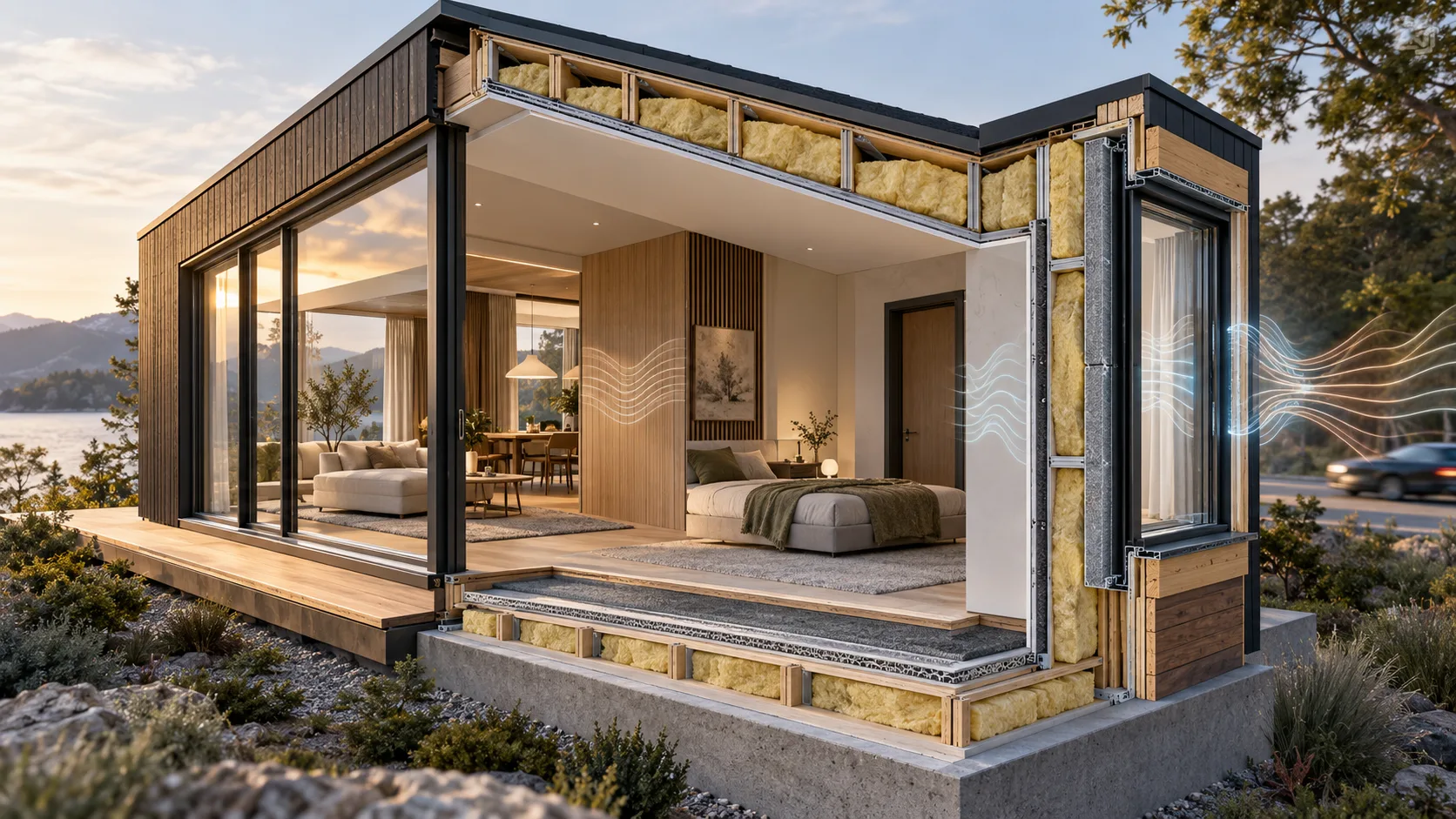
Sustainability is a cornerstone of the little houses experience. Due to their smaller volume, these homes require significantly less energy to heat and cool. Pramo integrates advanced sandwich panel technology with high-performance insulation to create a thermal shield. This means that little houses can often be powered entirely by a small array of solar panels, making them ideal for off-grid living.
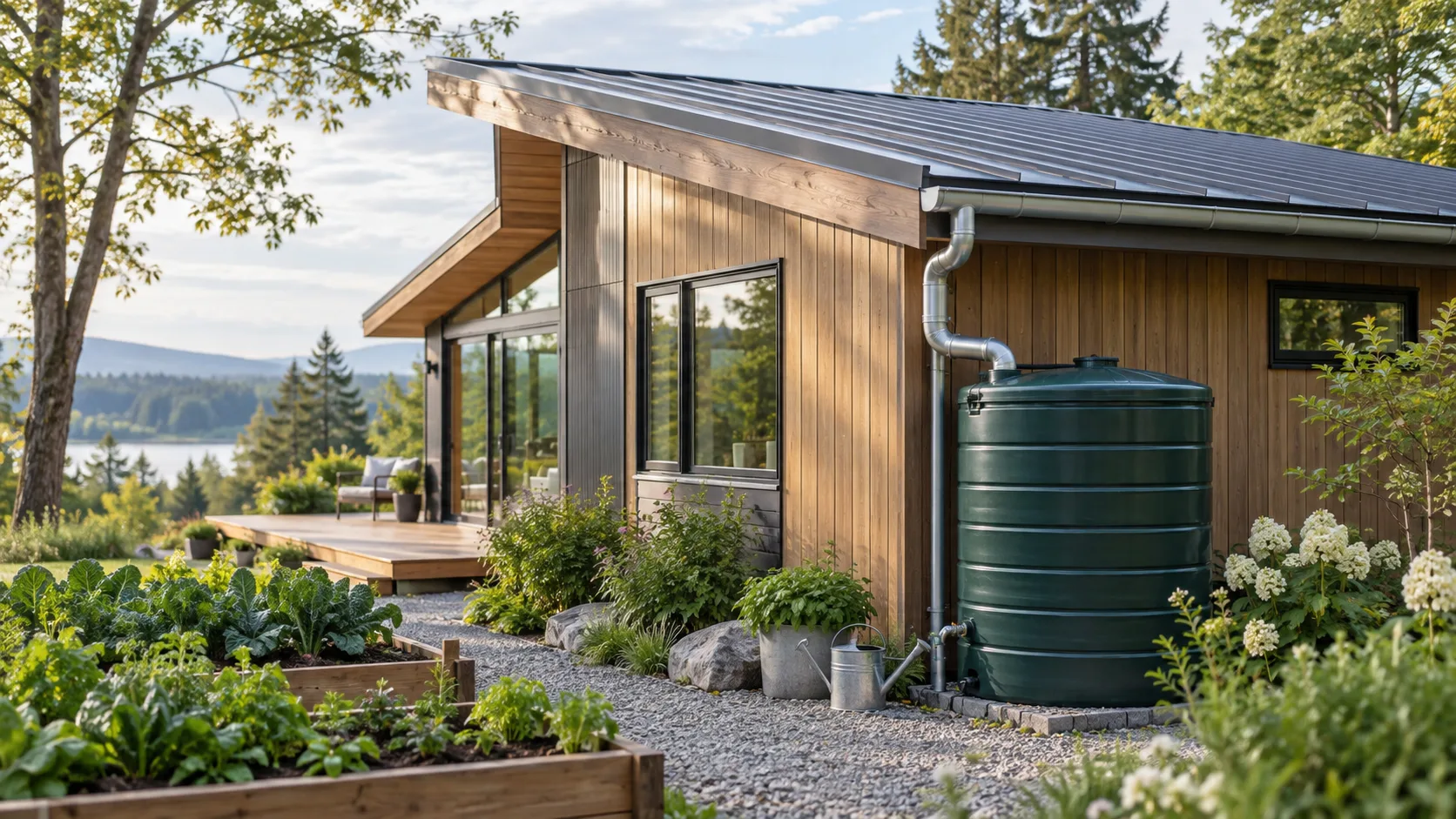
Water conservation is another area where little houses excel. Many owners choose to integrate greywater recycling and rainwater harvesting systems directly into the house’s chassis. By choosing little houses, you are making a conscious decision to minimize your impact on the planet. The reduced material usage during construction further lowers the initial embodied carbon of the project, making little houses the greenest housing option available in 2026.
Financial Freedom and Return on Investment (ROI)
The financial advantages of little houses are undeniable. With lower purchase prices, minimal utility bills, and reduced maintenance costs, owners can allocate their capital toward travel, investments, or early retirement. In the 2026 real estate market, little houses are seen as high-liquidity assets. They can be moved to a different location if your career or lifestyle changes, preserving the value of the structure independently of the land.
Furthermore, little houses serve as excellent secondary income generators. Many Pramo clients utilize their units as high-end Airbnb rentals or Accessory Dwelling Units (ADUs) on their existing property. The ROI on these houses is often much faster than traditional rental properties due to the lower initial investment. When you invest in little houses, you are investing in flexibility and financial resilience.
The Mobility Factor: Homes Without Borders
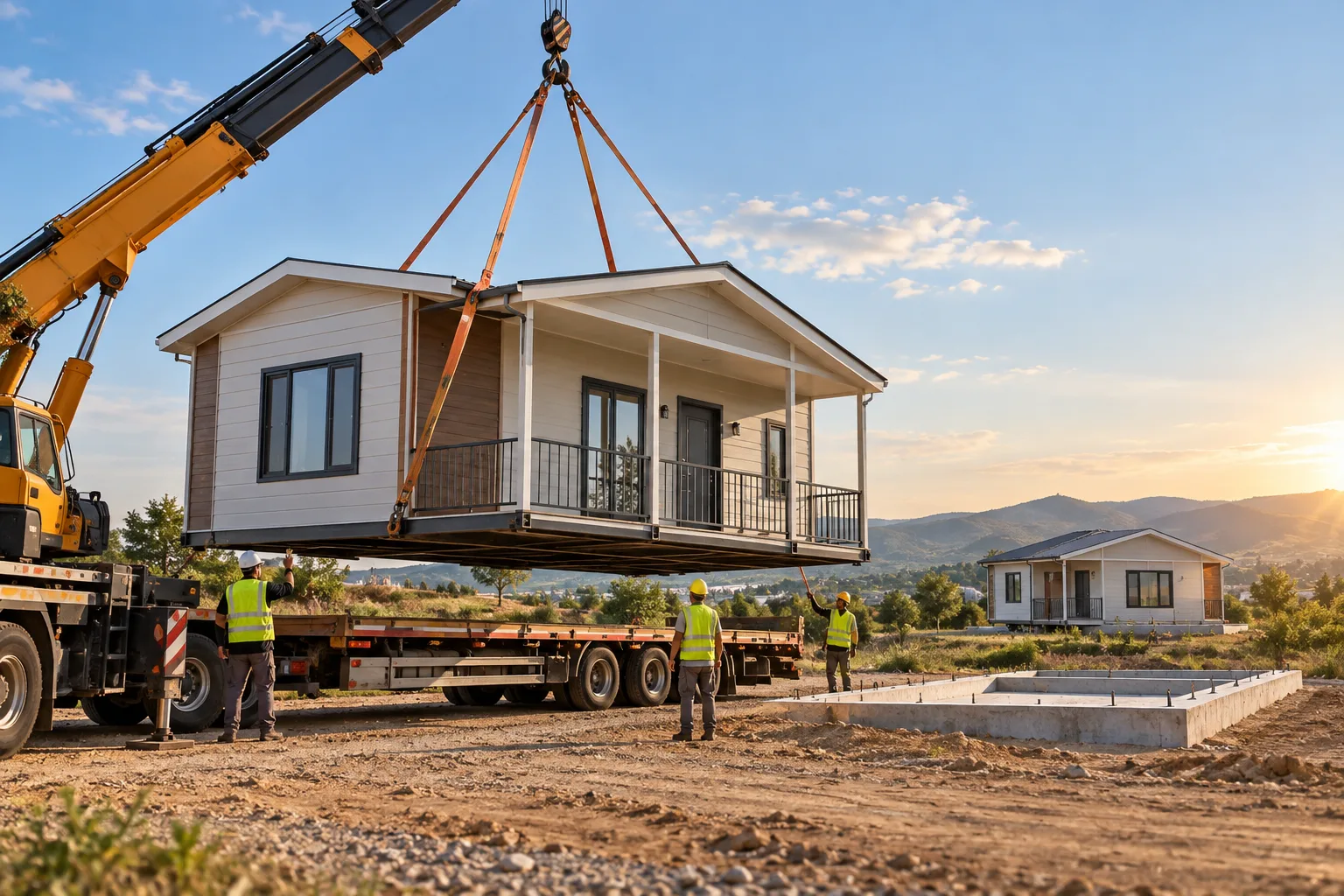
In an era where remote work is the norm, mobility is a luxury. Many little houses are designed to be “flatpacked” or transported on a standard trailer. This means your home can follow you from the mountains in the summer to the coast in the winter. Pramo’s engineering ensures that our little houses can be disassembled and reassembled without losing structural integrity or aesthetic finish.
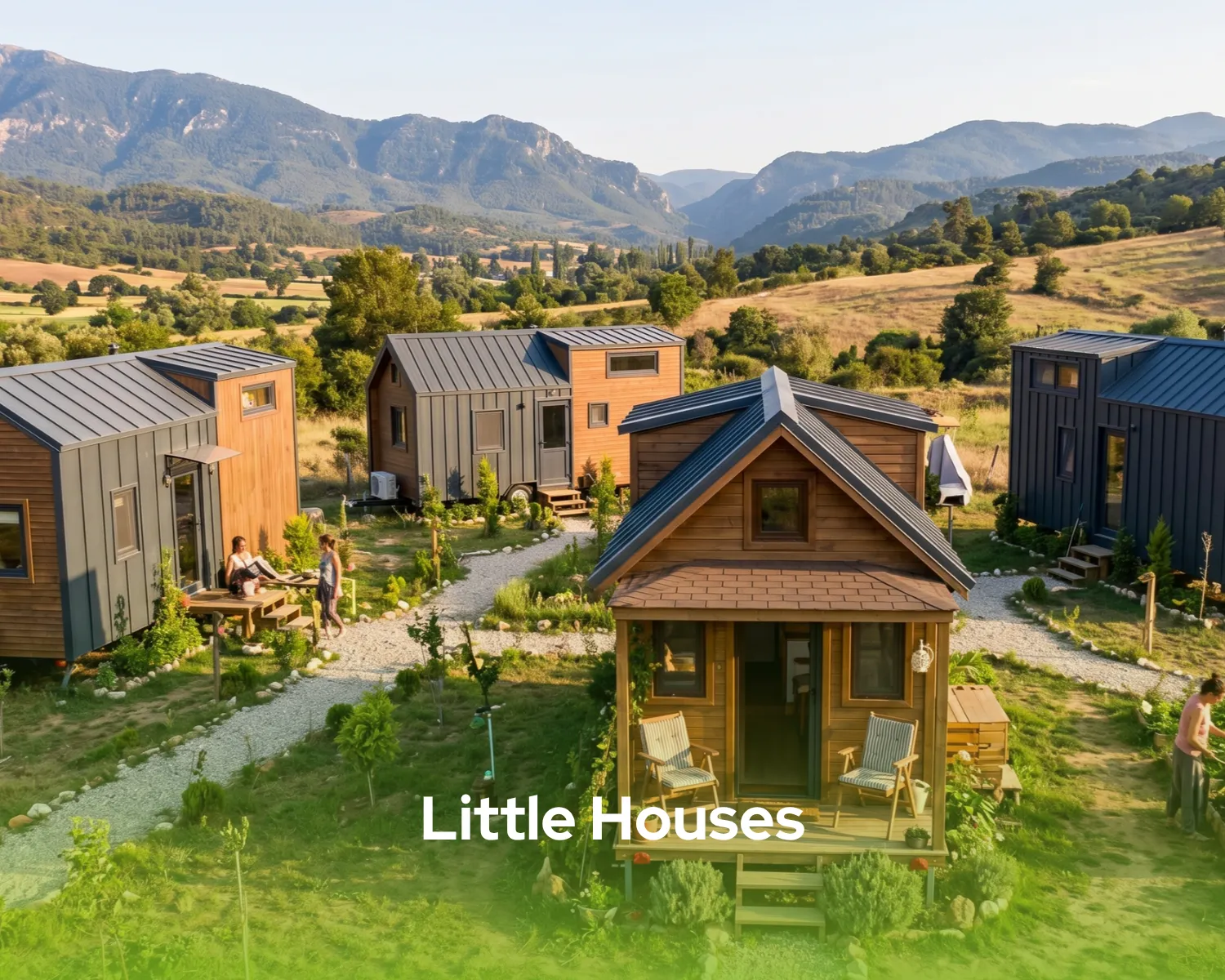
This mobility transforms the concept of homeownership. You are no longer tied to a single geographic location. Little houses provide the stability of a permanent residence with the freedom of a nomadic lifestyle. Whether you place your unit in a dedicated houses community or a remote forest clearing, the infrastructure is designed to be plug-and-play, allowing for rapid setup and connection to local or off-grid utilities.
Psychological Benefits of Downsizing
Living in little houses has a profound impact on mental well-being. The reduction in physical clutter leads to a significant decrease in decision fatigue. When your environment is simple and organized, your mind is free to focus on creative pursuits and personal relationships. Little houses foster a closer connection with the outdoors, as the interior space often extends onto large decks and outdoor living areas.
Studies in 2026 have shown that inhabitants of little houses report higher levels of life satisfaction and lower levels of anxiety compared to those in oversized traditional homes. The intimacy of little houses encourages family bonding and a more mindful way of living. Pramo designs these spaces with human psychology in mind, ensuring that even the smallest room feels like a sanctuary of light and peace.
Material Science and Durability
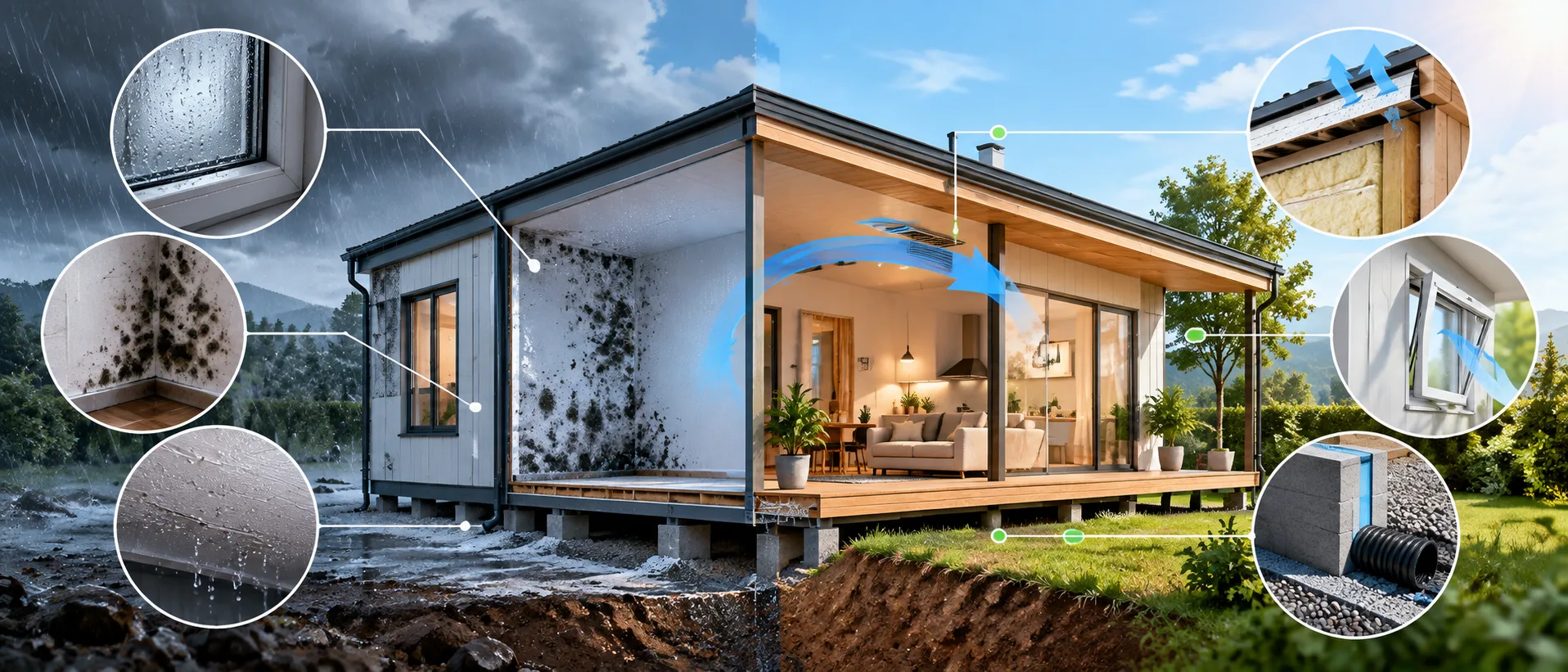
The longevity of little houses depends on the materials used to shield the interior from the elements. In 2026, Pramo uses advanced composite claddings that are resistant to UV radiation, fire, and moisture. This ensures that your investment in little houses remains visually stunning and structurally sound for decades with minimal maintenance.
The transition to high-performance materials in houses also means better soundproofing. Despite their light weight, the multi-layered wall systems effectively block out environmental noise, providing a quiet interior environment. This technical focus on acoustic and thermal comfort is what sets Pramo’s little houses apart from the low-quality “tiny homes” of the past decade.
Technology and Smart Home Integration
A modern home must be a smart home. In 2026, little houses are built with integrated IoT (Internet of Things) infrastructure. From automated climate control that learns your preferences to smart security systems that can be monitored from anywhere in the world, house offer a high-tech living experience.
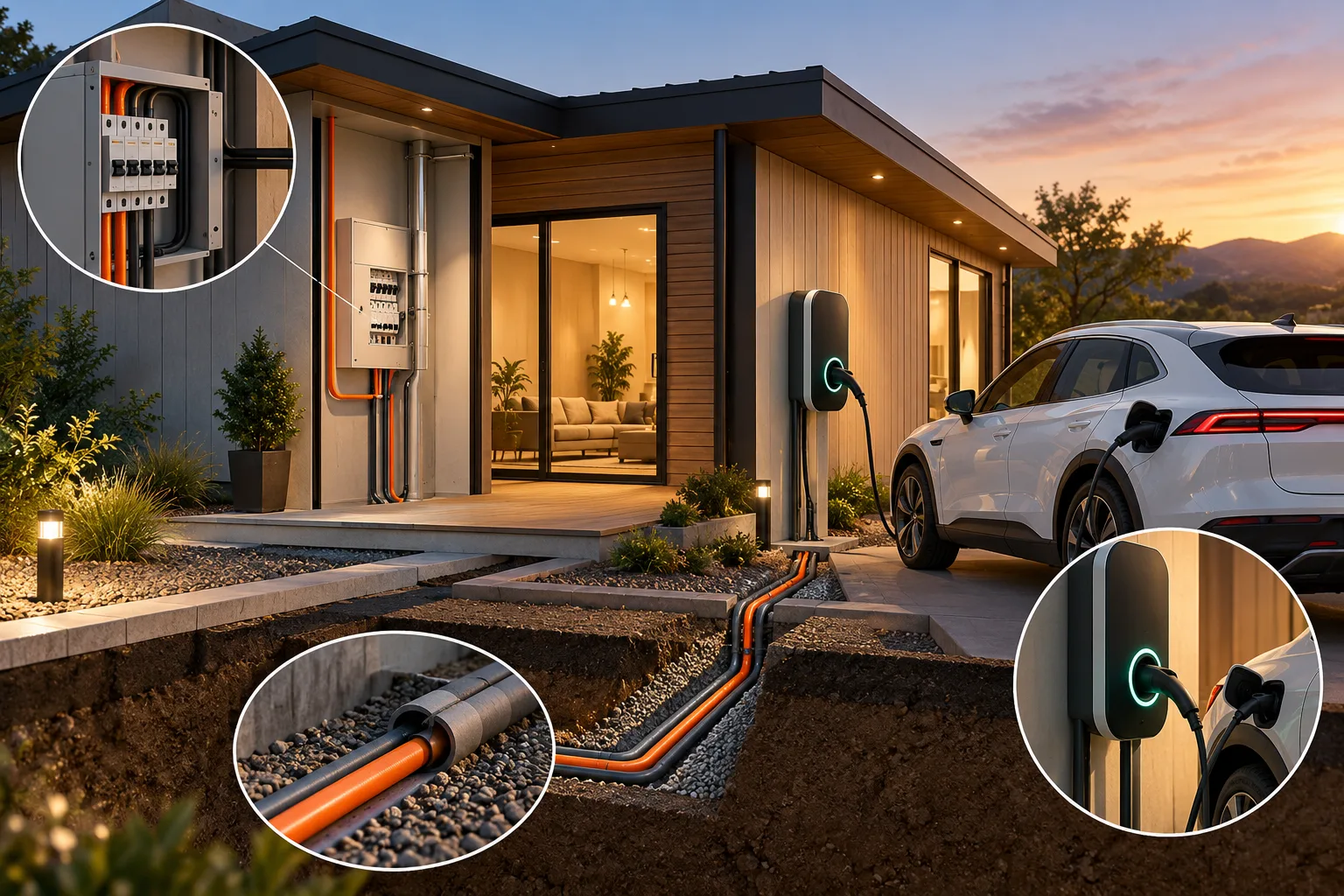
At Pramo, we pre-install high-speed fiber optic conduits and smart lighting arrays in our little houses during the factory phase. This avoids the need for invasive retrofitting later on. Living in these houses means being at the cutting edge of domestic technology, where your home works for you, managing energy usage and security with autonomous efficiency.
The Future is Small and Smart
As we look toward the future of global architecture, it is clear that the era of “bigger is better” is coming to an end. Little houses represent the pinnacle of modern engineering, offering a lifestyle that is sustainable, affordable, and deeply fulfilling. Pramo is proud to be a leader in this movement, providing the tools and technology for individuals to reclaim their freedom through minimalist living.
By choosing little houses, you are adopting a philosophy of life that values experiences over square footage. Whether you are seeking a high-tech luxury small home 2026 or a simple off-grid cabin, Pramo is here to turn your vision into a reality. The world is changing, and our homes are changing with it. Welcome to the future of living—compact, clever, and completely free. Let us help you find your place in the little house revolution today.
Are little houses safe during storms?
Yes. Pramo’s little houses are engineered with light-gauge steel frames designed to withstand high wind loads and seismic activity, often exceeding the safety standards of traditional homes.
Can I customize the floor plan of my little house?
Absolutely. While we offer standardized smart small house plans, the modular nature of our construction allows for significant customization to meet your specific needs.
How long does it take to build these houses?
The production of little houses in our factory typically takes 4–6 weeks, with on-site assembly often completed in just a few days.
What is the lifespan of Pramo’s little houses?
With proper maintenance, high-quality little houses built by Pramo can last 50 to 75 years, comparable to traditional permanent structures.