




















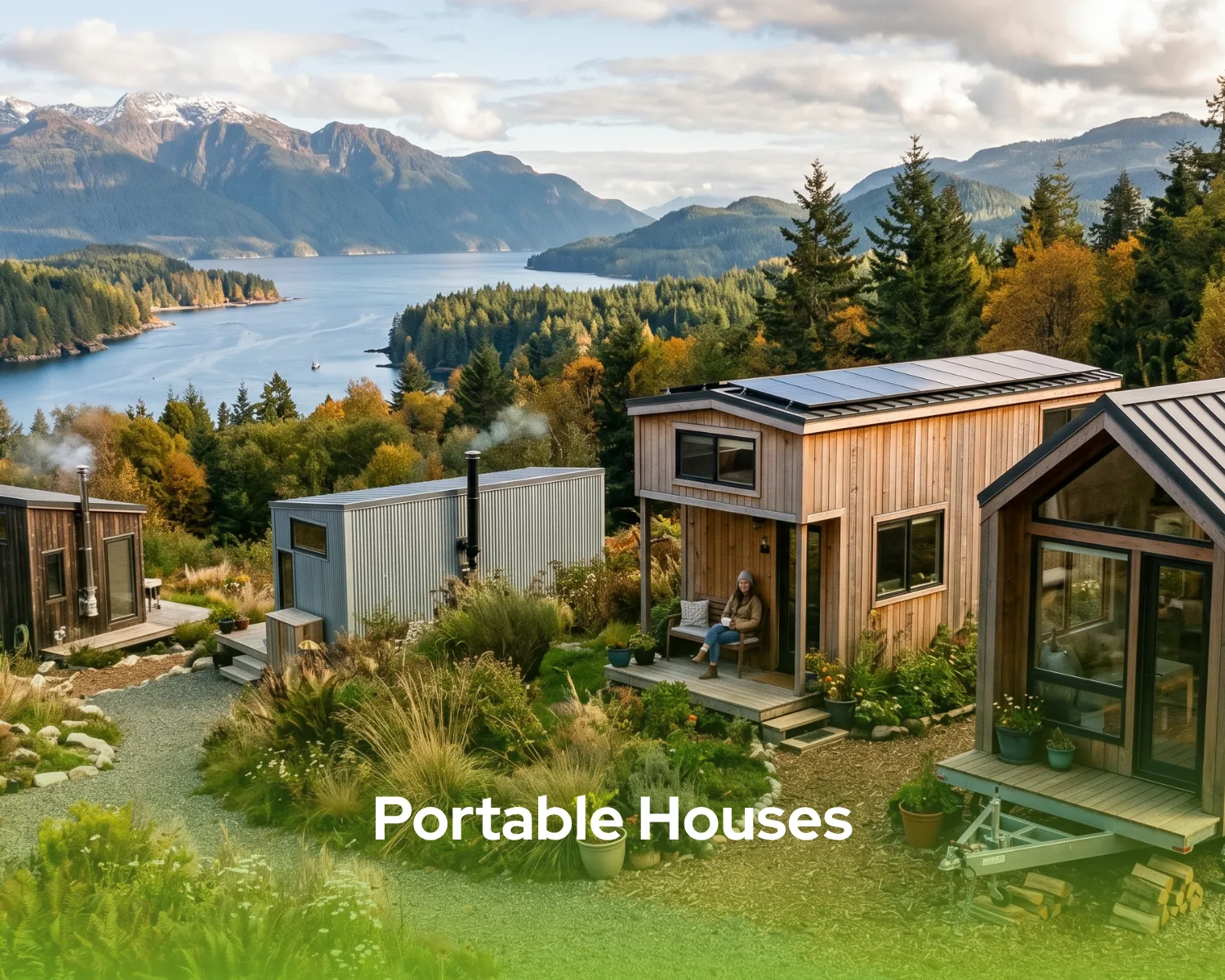
The global housing landscape in 2026 has undergone a radical transformation, driven by the need for mobility, sustainability, and rapid construction. As traditional real estate becomes increasingly inaccessible and rigid, a new generation of homeowners and investors is turning toward more dynamic alternatives. This shift has placed portable houses at the forefront of modern architecture. These structures are no longer just temporary shelters; they are high-tech, precision-engineered homes that offer the same—if not better—comfort than traditional brick-and-mortar buildings while providing the freedom to relocate whenever life demands.
At Pramo, we are leading this modular revolution by combining aerospace-grade engineering with luxury interior design. Whether you are looking for a weekend retreat, a primary residence, or a commercial hospitality unit, our range of portable houses provides a “plug-and-play” lifestyle that fits the pace of the 21st century. In this comprehensive guide, we will explore the technicalities, benefits, and design trends of the modern pop up house and help you decide how to embark on your modular journey.
Defining the Concept: What are Modern Portable Houses?
To understand the appeal of these structures, we must first define what makes a house truly portable in 2026. Technically, portable houses are residential units built entirely off-site in a controlled factory environment. According to Prefabrication standards—a concept widely recognized for its efficiency in modern urban planning—these homes are designed to be transported in one or more sections and placed on a temporary or permanent foundation. Unlike traditional homes, portable houses are engineered to withstand the structural stresses of transportation. This means the frames are often more robust, utilizing high-tensile steel or reinforced composites.
A popular variation of this concept is the pop up house, which often features foldable or telescopic walls that allow the unit to expand its square footage once it arrives at the destination. This innovative approach to space allows a compact shipping unit to transform into a spacious three-bedroom home in a matter of hours. The engineering behind a pop up house ensures that every hinge, seal, and joint is airtight, maintaining the structural integrity of the home regardless of how many times it is deployed or retracted. This versatility makes portable houses an ideal choice for the modern nomad.
Why Choose Portable Houses Over Traditional Construction?
When considering a new home, the question often arises: Should I choose a prefabricated house or a container home? While both are excellent modular buildings, portable houses offer a unique blend of benefits that traditional construction simply cannot match. Choosing the right path depends on your lifestyle goals and land requirements. One of the primary reasons to choose portable houses is the elimination of construction site chaos. Traditional builds take months, involving dozens of contractors and weather-related delays. With portable houses, the entire process is streamlined within a factory setting, ensuring quality control that is impossible to achieve outdoors.
1. Financial Agility and Fixed Costs
Traditional construction is notorious for budget overruns. Material costs fluctuate, and labor delays can add thousands to the final bill. With portable houses, the price is fixed from the moment you sign the contract. Because the construction happens in a factory, Pramo can optimize material usage and labor efficiency, passing those savings directly to you. In 2026, owning a pop up house is seen as a “liquid” real estate investment. The house itself retains value and can be sold and moved to a new owner even if the land is sold separately. This financial flexibility is a cornerstone of why portable houses are gaining traction among millennial and Gen Z investors.
2. Environmental Responsibility and Sustainability
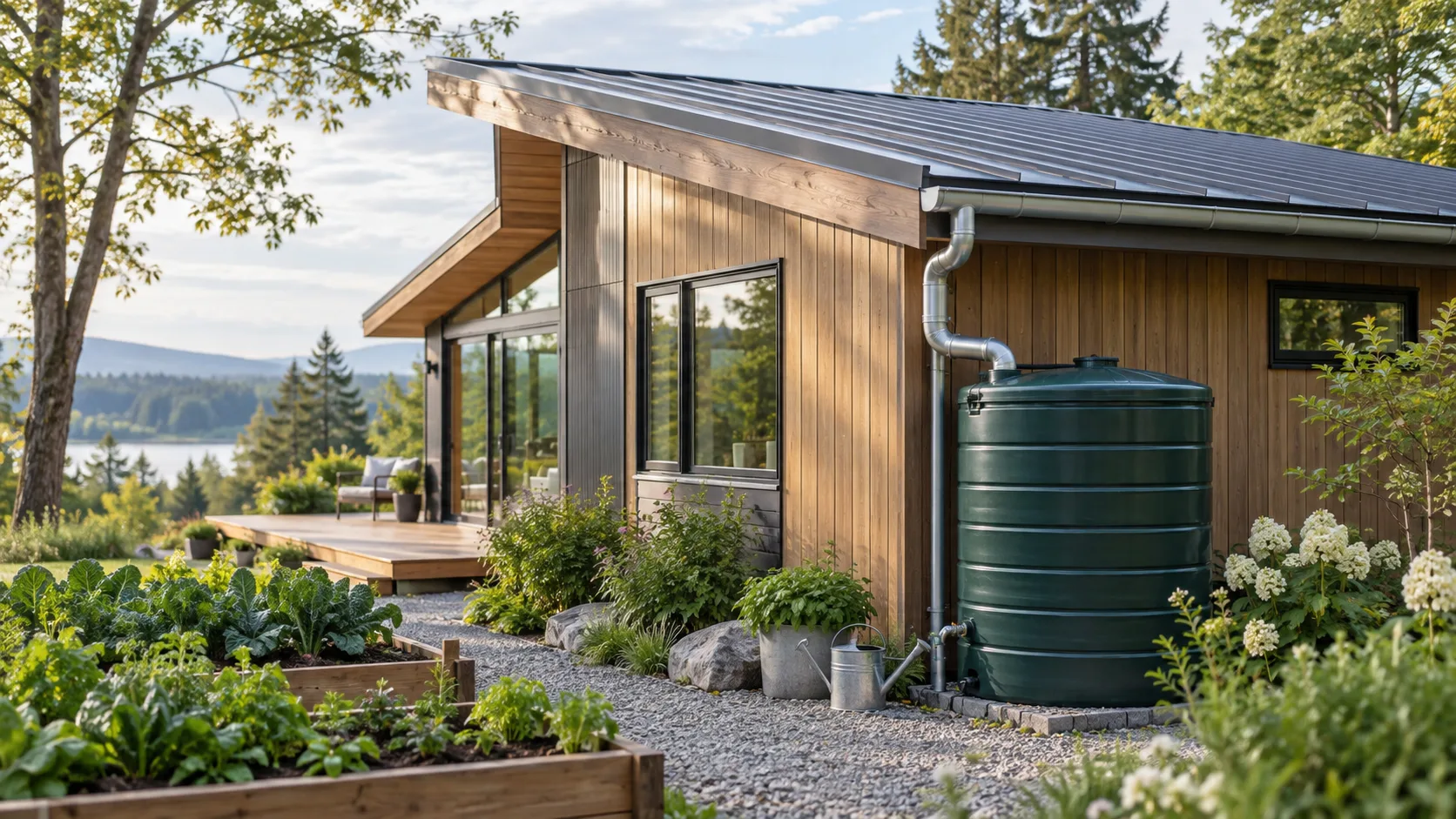
In a world focused on carbon neutrality, portable houses are the greenest way to build. The factory-controlled process reduces material waste by up to 80% compared to traditional sites. Furthermore, a Pramo portable houses unit can be equipped with off-grid technologies, such as solar glass and atmospheric water generators. By choosing a pop up house, you are significantly reducing your ecological footprint while maintaining a high standard of living. The “leave no trace” philosophy of portable houses means you can enjoy a beautiful natural location without permanently scarring the earth with deep concrete foundations.
Technical Specifications: The Anatomy of a Pop Up House
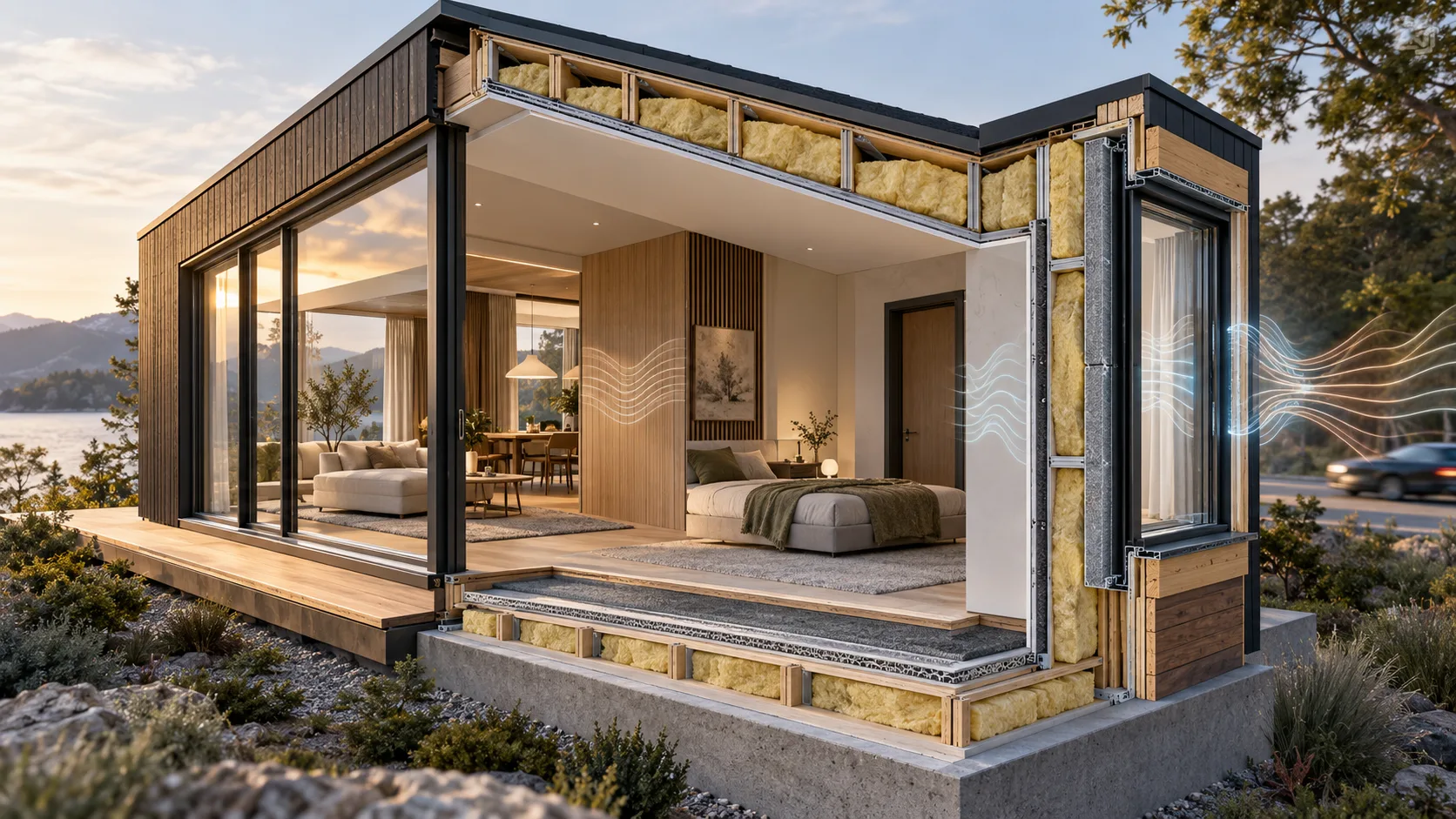
The durability of portable houses lies in their multi-layered construction. At Pramo, we don’t just build walls; we build thermal and structural envelopes designed to last a lifetime. Every structural decision is made with the intention of creating a legacy home. When you invest in portable houses, you are investing in high-grade materials that have been tested against extreme conditions.
Structural Integrity and The Chassis
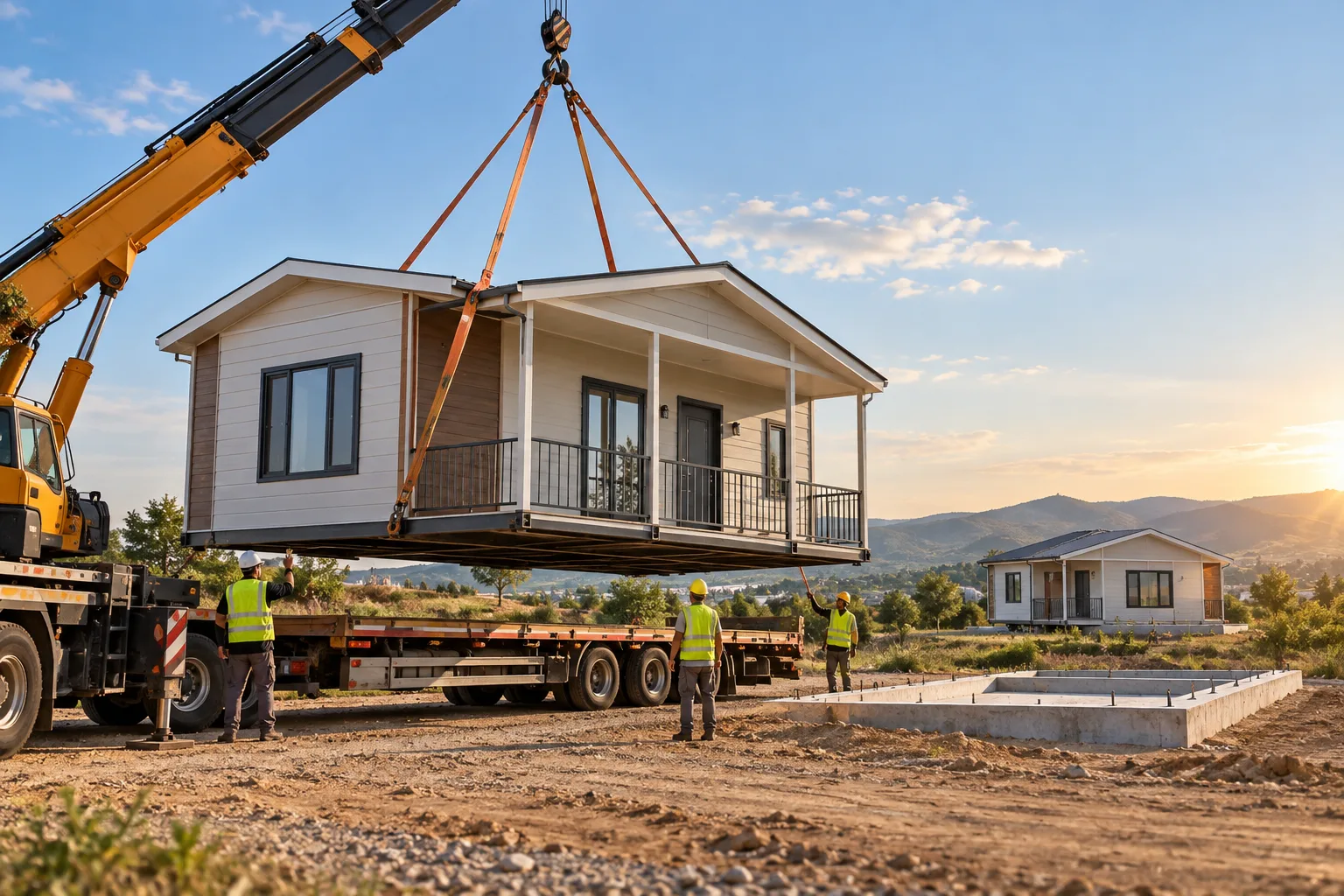
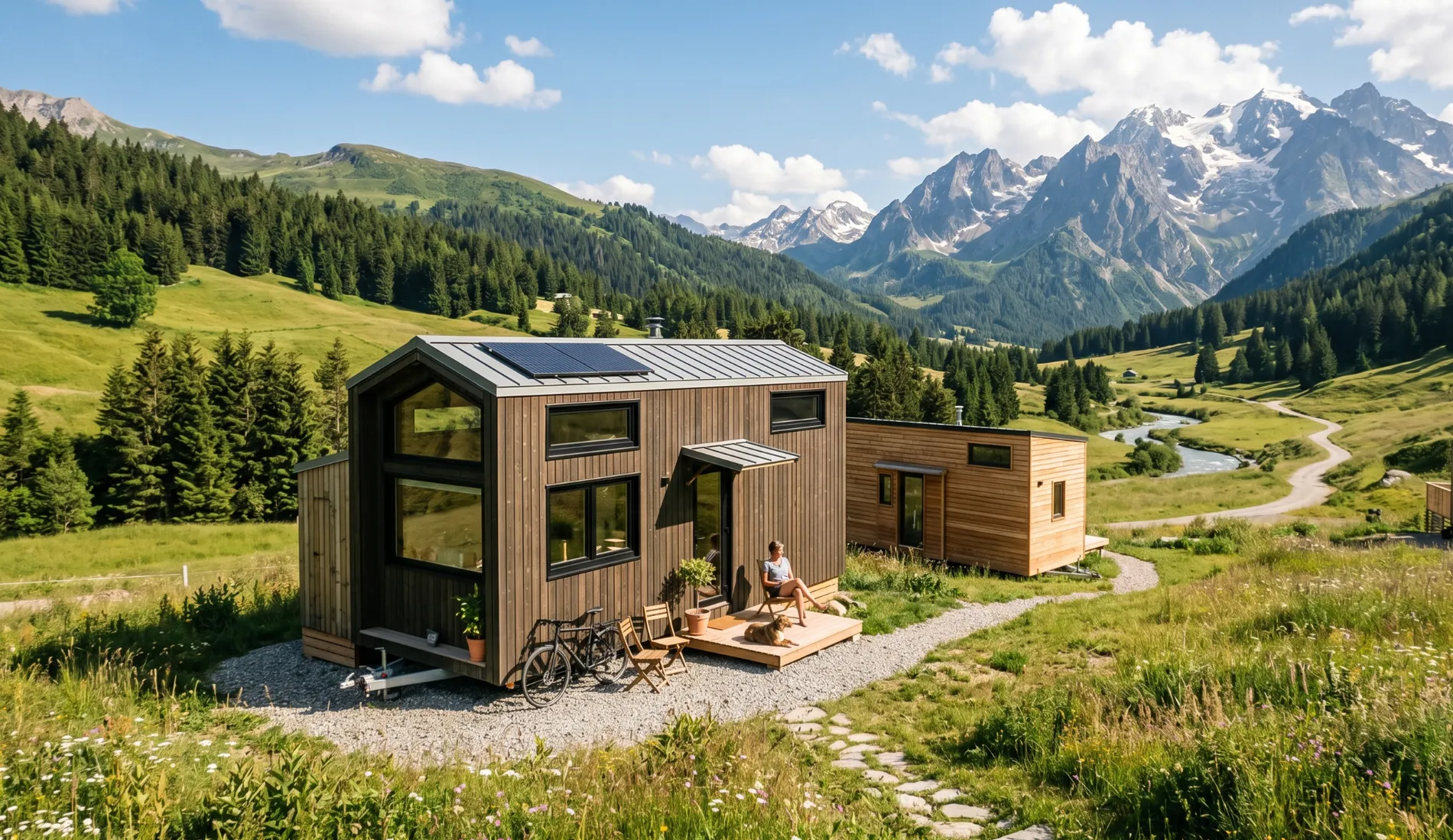
Every portable houses unit we produce starts with a galvanized steel chassis. This frame is the backbone of the house, allowing it to be lifted by cranes or pulled by trailers without warping. For a pop up house model, we utilize industrial-grade hydraulic or mechanical hinges that allow for seamless expansion. This ensures that the seals remain airtight and waterproof, regardless of how many times the house is moved. The strength of the steel used in portable houses provides a level of safety against natural disasters, such as earthquakes and hurricanes, that traditional timber homes simply cannot match.
High-Performance Insulation and HVAC
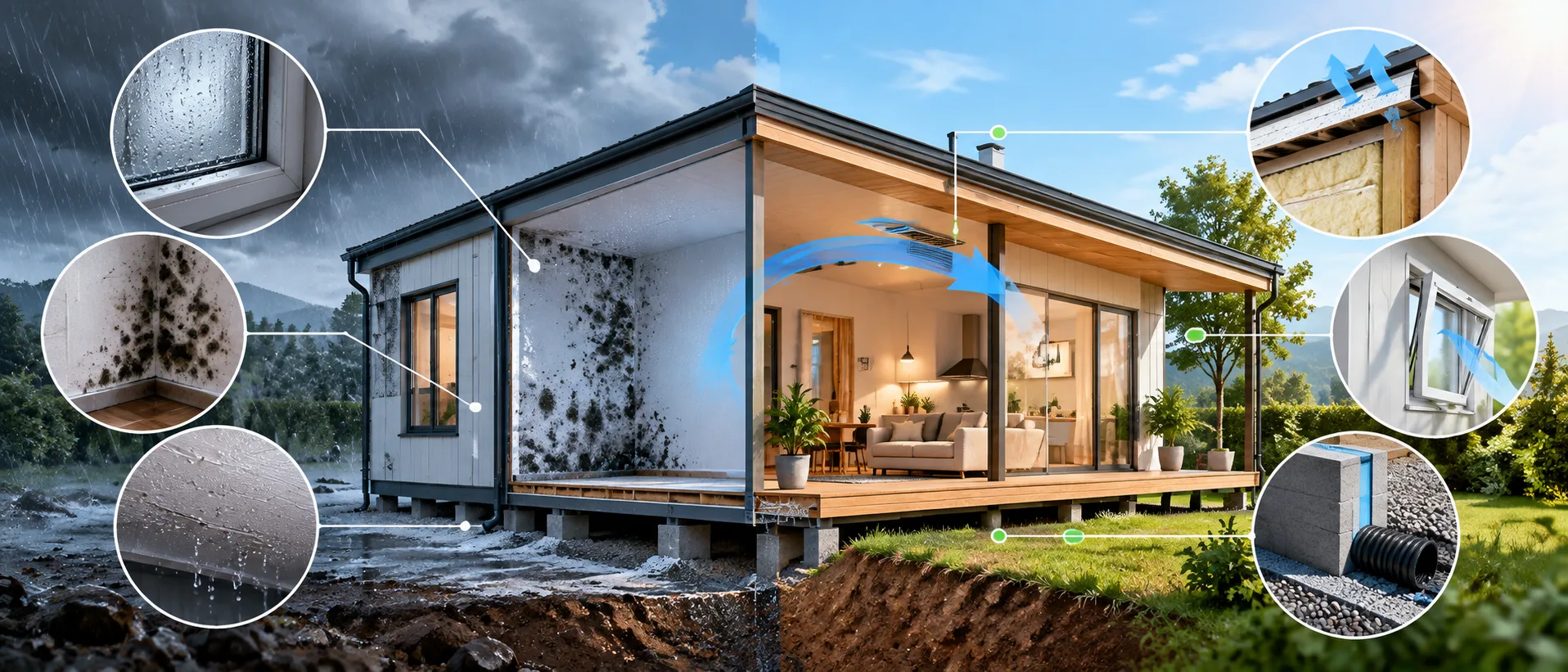
One of the most common myths is that portable houses are difficult to heat or cool. In reality, our 2026 insulation standards far exceed those of traditional homes. We use high-density rock wool or closed-cell spray foam that creates a continuous thermal barrier. Whether your pop up house is located in a snowy mountain or a scorching desert, the interior remains a stable, comfortable environment with minimal energy consumption. The HVAC systems in portable houses are integrated into the smart home ecosystem, allowing for precise climate control from your smartphone.
The Design Revolution: Aesthetics Meet Mobility
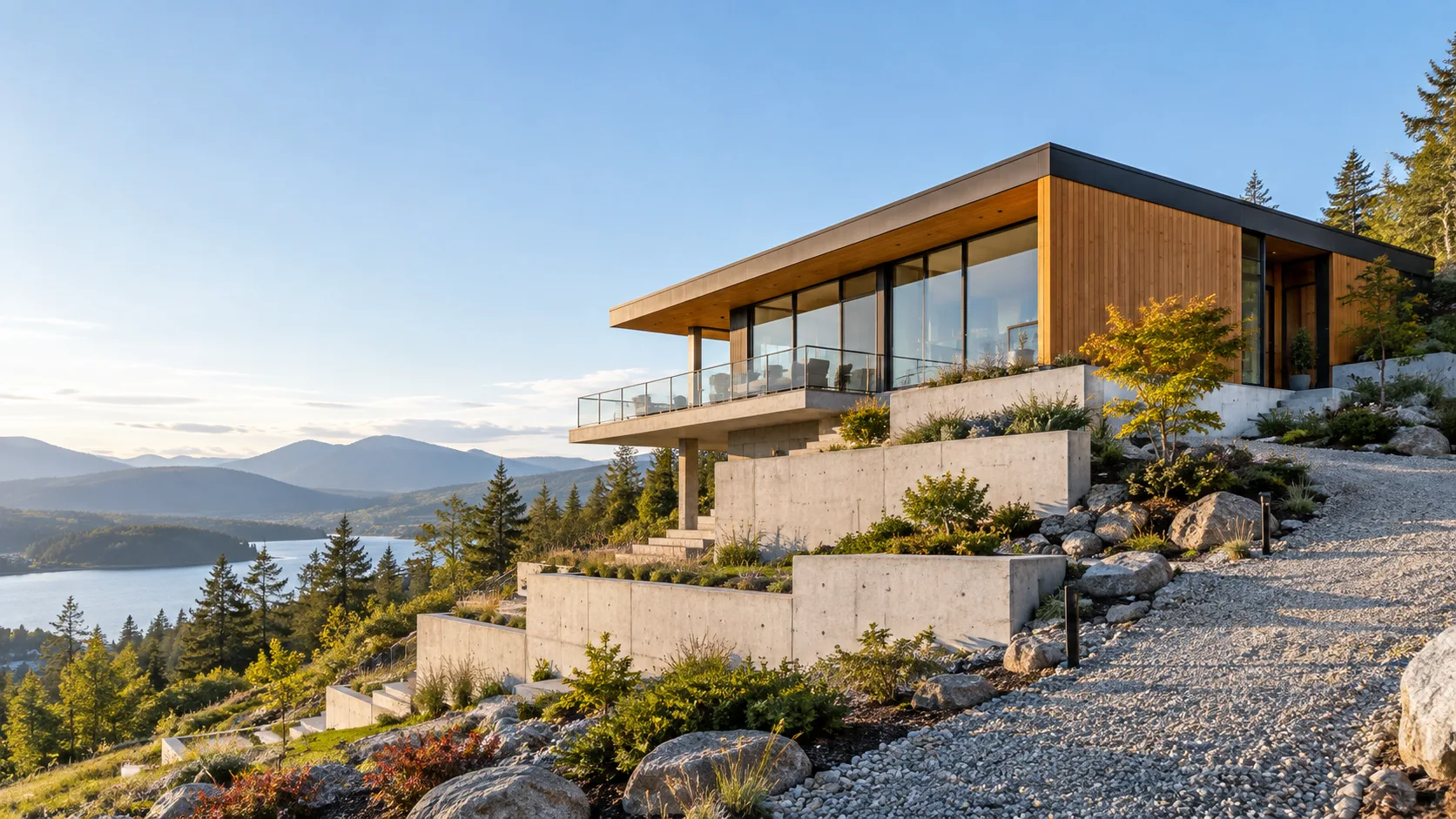
Gone are the days when portable houses looked like industrial trailers. The modern pop up house is a masterpiece of contemporary design. At Pramo, we offer a vast array of finishes to suit every taste, ensuring your home looks as good as it performs. We believe that mobility should not come at the cost of beauty. Modern portable houses are now being featured in architectural magazines for their sleek lines and innovative use of space.
- Exterior Cladding: Choose from sustainable timber, architectural metal panels, or sleek composite textures that mimic natural stone.
- Interior Minimalism: We utilize smart furniture—beds that retract into the ceiling and tables that fold into walls—to ensure that your portable houses feel spacious and clutter-free.
- Smart Glass Technology: Many of our portable houses feature smart glass that can turn from transparent to opaque with a mobile app, providing privacy without the need for curtains.
This level of customization ensures that a pop up house doesn’t just feel like a temporary dwelling, but a permanent luxury residence that just happens to be mobile. The attention to detail in portable houses is what sets Pramo apart from the competition.
Logistics and Installation: The Journey of Your House
Understanding how portable houses get from our factory to your land is essential. The logistics of a pop up house are surprisingly efficient and require minimal on-site labor. The goal is to make the installation as seamless as possible for the homeowner.
- Site Preparation: While the house is being built, you prepare a simple foundation—usually screw piles or a concrete slab. This is far less invasive than the foundations required for traditional homes.
- Transportation: The house is loaded onto a truck. Because portable houses are designed to ISO dimensions, they can travel on standard highways easily.
- Deployment: Once on-site, a crane positions the unit. If it is an expandable pop up house, our technicians deploy the wings.
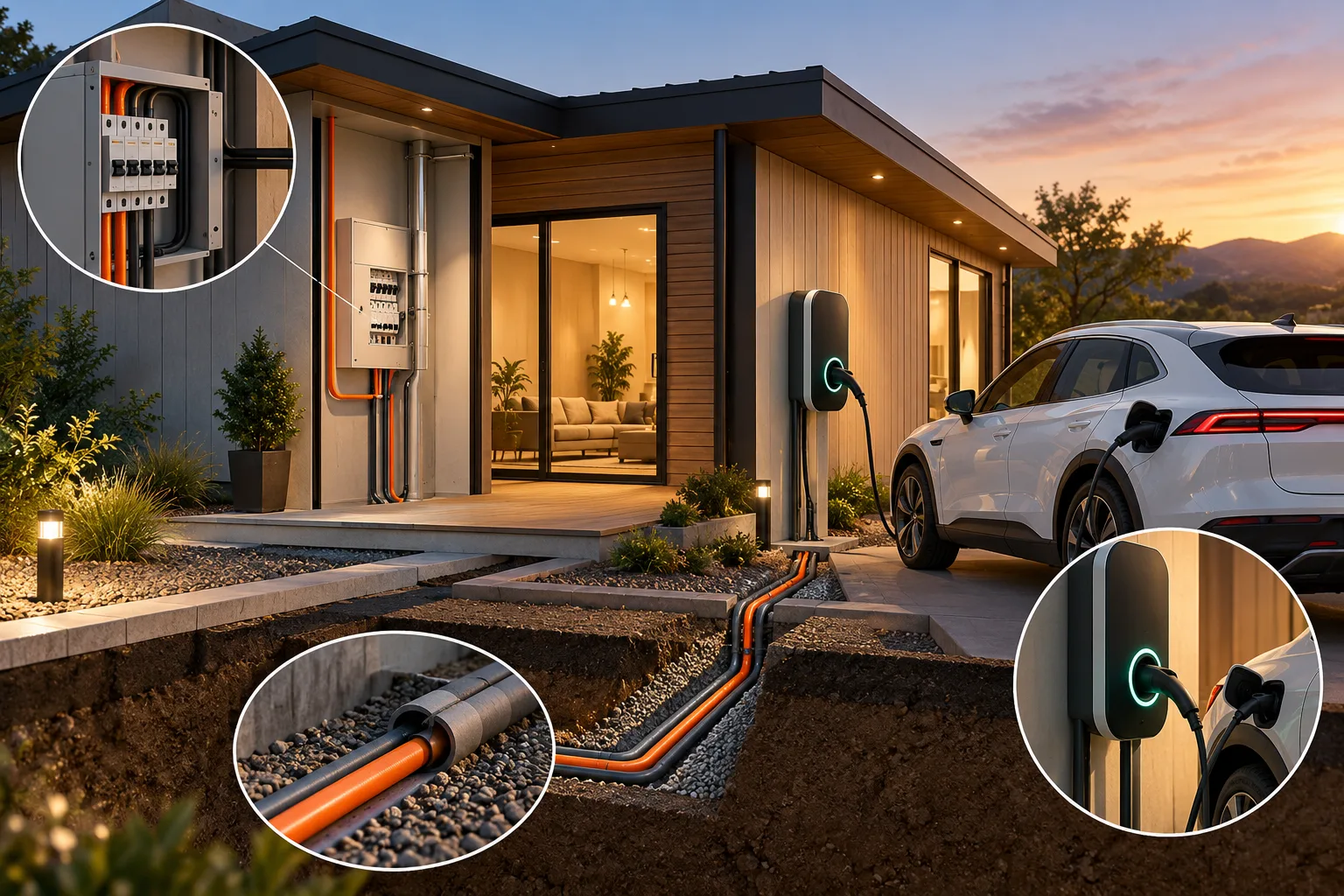
- Utilities: The pre-installed systems are connected to the local grid or your off-grid setup.
This entire process for portable houses can be completed in a matter of days, allowing you to move into your new home almost immediately. The efficiency of the pop up house model is a game-changer for those who need housing solutions quickly.
Security and Longevity: Built to Last 50+ Years
A frequent concern for new buyers is the lifespan of portable houses. Because these units are built with high-grade steel and advanced composites, they are incredibly resilient. A pop up house is designed to handle the stresses of multiple relocations, which makes it structurally tougher than a standard house that never moves. Every joint in our portable houses is reinforced to prevent fatigue over time. With basic maintenance, Pramo portable houses are designed to serve for 50 to 80 years, providing a truly durable housing solution for you and your family. The longevity of a pop up house makes it a smart long-term asset.
Lead the Modular Movement with Pramo
As we look toward the future of housing, the flexibility offered by portable houses is becoming a necessity. Whether it’s responding to a shifting job market, a desire for sustainable living, or simply the desire to see the world, the pop up house provides the ultimate solution for those who refuse to be anchored to one spot forever. At Pramo, we are committed to making high-quality, sustainable living accessible to a global audience. Our portable houses are the result of years of R&D aimed at perfecting the balance between mobility and comfort.
If you are still debating whether Should I choose a prefabricated house or a container home?, our team is here to guide you through every step of the decision-making process. We believe that everyone deserves a home that fits their lifestyle. Embrace the freedom of portable houses and discover a life without boundaries. With a Pramo pop up house, your home is wherever you choose to be. Contact us today to begin designing your own portable houses and take the first step toward a more flexible, modern, and exciting future. The world is waiting, and your pop up house is the key to exploring it in total comfort.
Do I need a permit for portable houses?
Yes, in 2026, most local governments require a permit for any structure used as a primary residence. However, because portable houses are built to international building codes, the process is often faster than traditional builds. It is always best to check with your local municipality before purchasing portable houses.
How does a pop up house handle extreme weather?
Pramo units are rated for hurricane-force winds and heavy snow loads. The expansion mechanisms of the pop up house are locked into place with high-strength pins to ensure stability. Portable houses are designed to be safe havens regardless of the exterior environment.
Can I connect several portable houses together?
Absolutely. Many of our clients start with a single unit and later add more portable houses to create a larger multi-unit complex. The modular nature of a pop up house allows for endless configurations.