






















The dream of breaking free from the shackles of rising utility bills, urban noise, and the traditional power grid is no longer a fringe movement. Today, off grid houses represent the pinnacle of architectural freedom and environmental responsibility. Choosing to live independently from public utilities water, electricity, and gas requires a strategic shift in how we perceive housing. It is not about “roughing it” in the wild; it is about utilizing advanced engineering to create a seamless, luxurious, and autonomous lifestyle.
At Pramo Prefabricated, we specialize in merging high-end modular construction with sustainable technologies. This deep dive will explore why off grid living is the future of residential development, the essential components of a self-sufficient home, and how you can transition to a life of true independence.
What Does It Truly Mean to Live Off the Grid?
To understand the appeal of off grid houses, one must first define the concept of Off-the-grid living. In a legal and technical sense, an off-grid home is a residence that is entirely self-reliant for its energy and resource needs. It does not plug into the local power company’s transformers, nor does it rely on municipal water lines or sewage systems.
However, modern off grid living is far removed from the primitive cabins of the past. Today’s autonomous homes utilize high-efficiency solar arrays, advanced battery storage, and sophisticated water filtration systems to provide a level of comfort that often surpasses traditional urban apartments. For a detailed roadmap on starting this journey, visit our ultimate guide to living off grid for step-by-step instructions.
Why Off Grid Houses Are Surpassing Traditional Construction
The surge in demand for off grid houses is driven by several global factors. From energy price volatility to the desire for a smaller carbon footprint, homeowners are looking for ways to take control of their domestic environment.
- Energy Independence: You are immune to grid failures, blackouts, and price hikes from energy monopolies.
- Environmental Stewardship: By generating your own power and managing your own waste, you drastically reduce your ecological impact.
- Financial Freedom: Once the initial investment is paid off, your monthly “rent” for utilities effectively drops to zero.
- Location Flexibility: Off-grid technology allows you to build your dream home in remote, pristine locations where utility lines simply cannot reach.
Core Components of High-Performance Off Grid Living
Building a house that functions without a grid requires a holistic approach to engineering. Every component must work in harmony to ensure that energy production meets consumption.
Energy Generation: The Power of the Sun and Wind
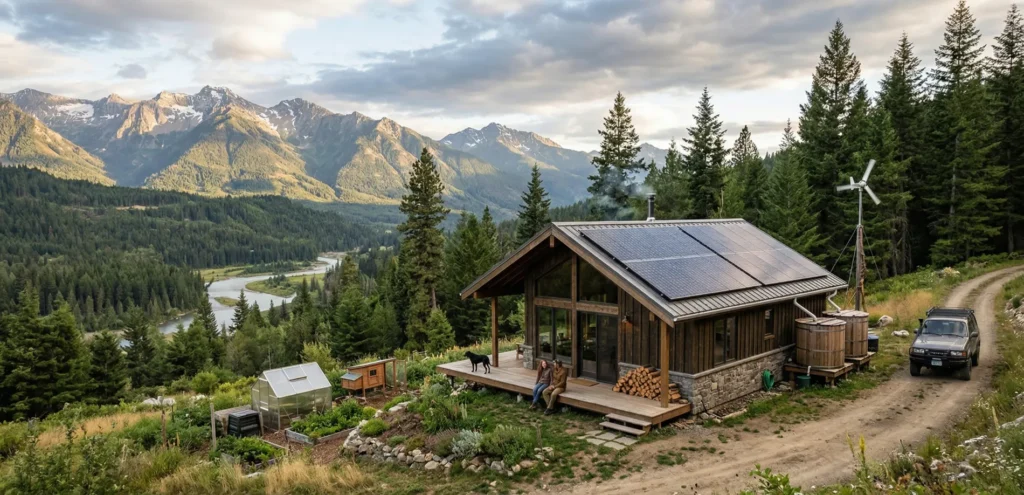
The heart of all off grid houses is the renewable energy system. Solar photovoltaic (PV) panels are the most common choice due to their falling costs and high reliability. Depending on your geographical location, small-scale wind turbines can supplement solar power during the winter months or nighttime.
Energy Storage: Battery Technology
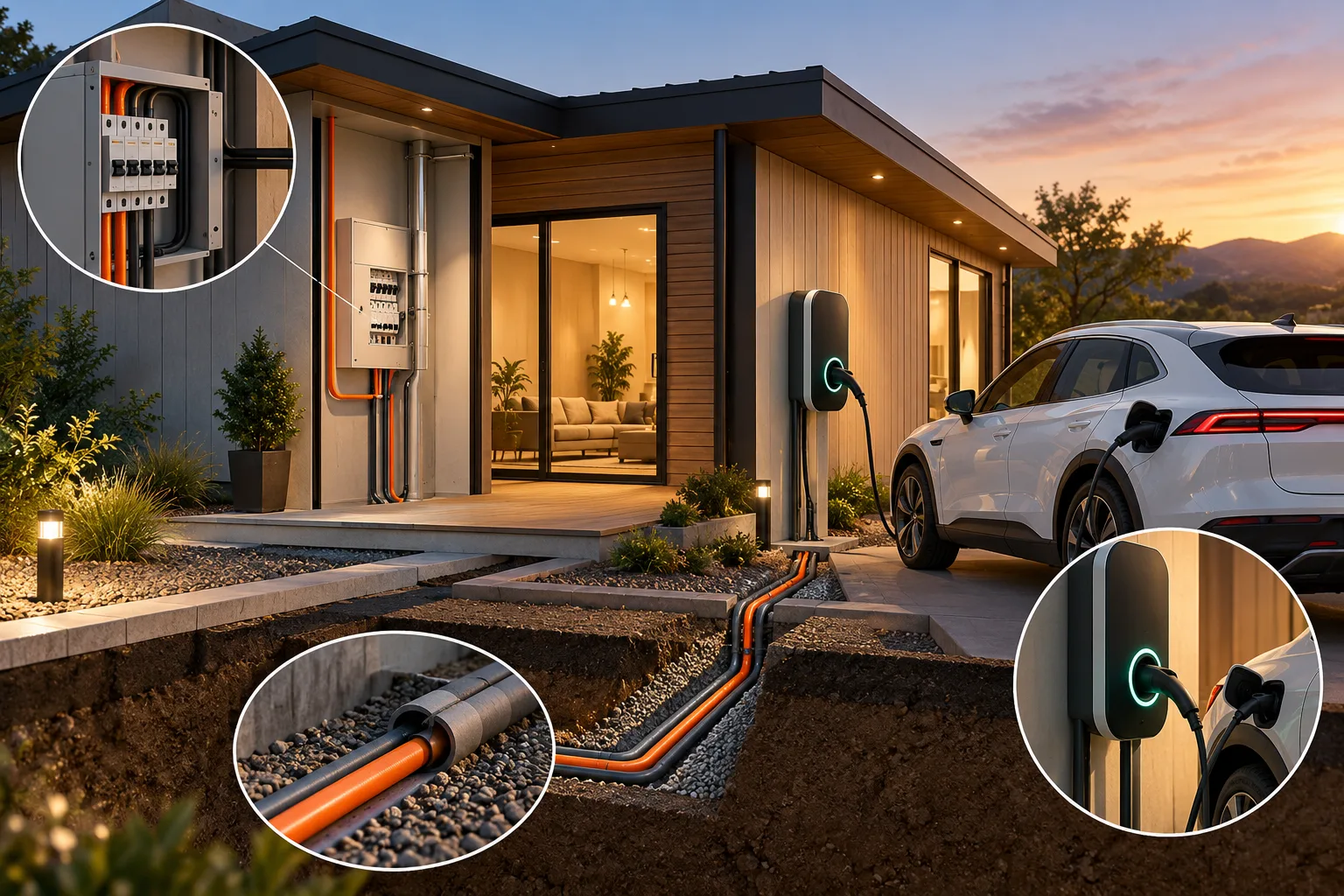
Generating power is only half the battle; storing it is where true off grid living succeeds. Modern lithium-iron-phosphate (LiFePO4) batteries have revolutionized off-grid setups. These batteries store excess energy produced during the day to power your appliances, lighting, and climate control throughout the night.
Water Collection and Management
Water is the most critical resource for any home. Off-grid systems typically rely on a combination of:
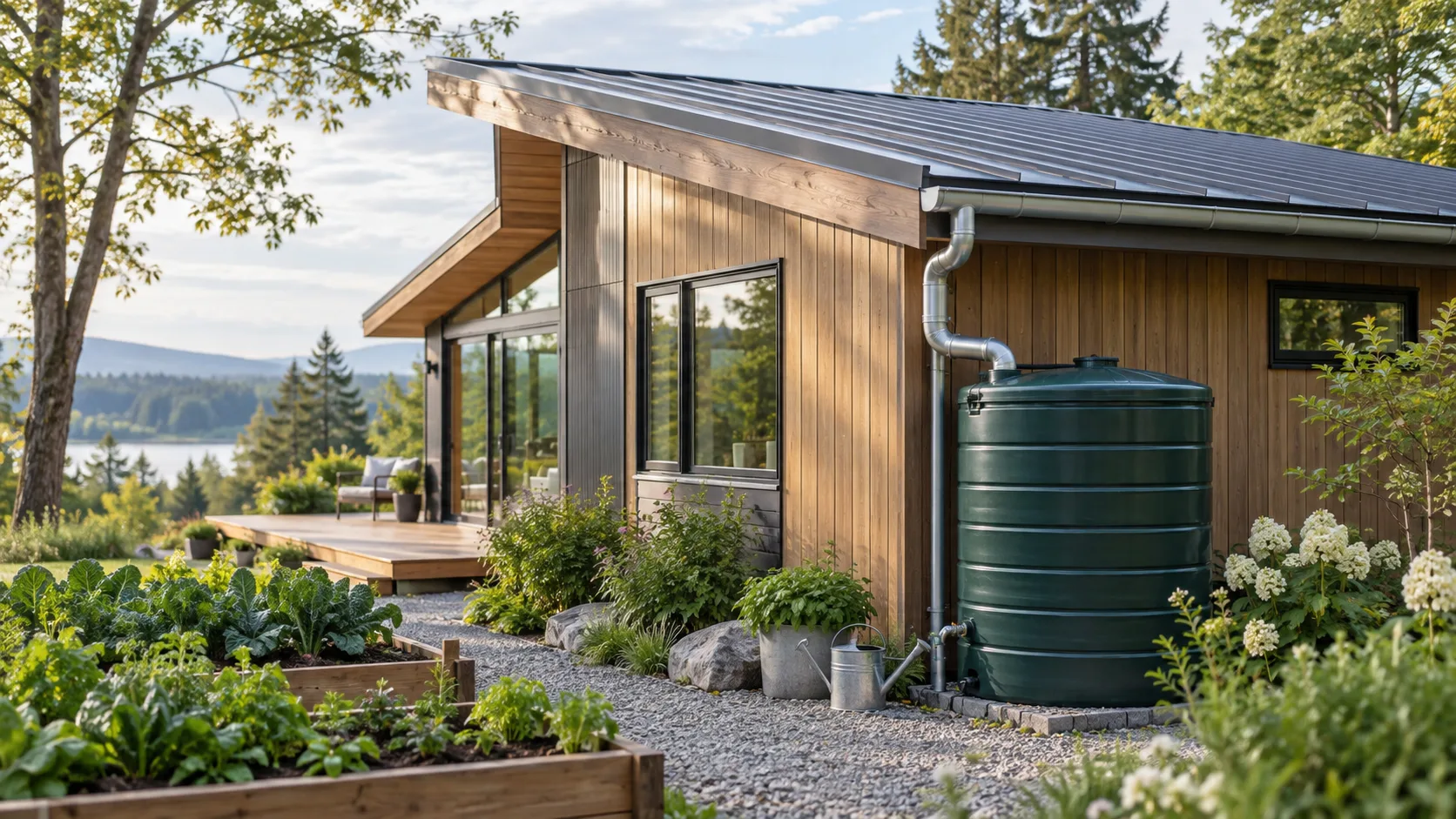
- Rainwater Harvesting: Capturing and storing water from the roof surface.
- Private Wells: Tapping into underground aquifers.
- Advanced Filtration: Using UV sterilization and reverse osmosis to ensure every drop is potable.
Architectural Design: Efficiency First
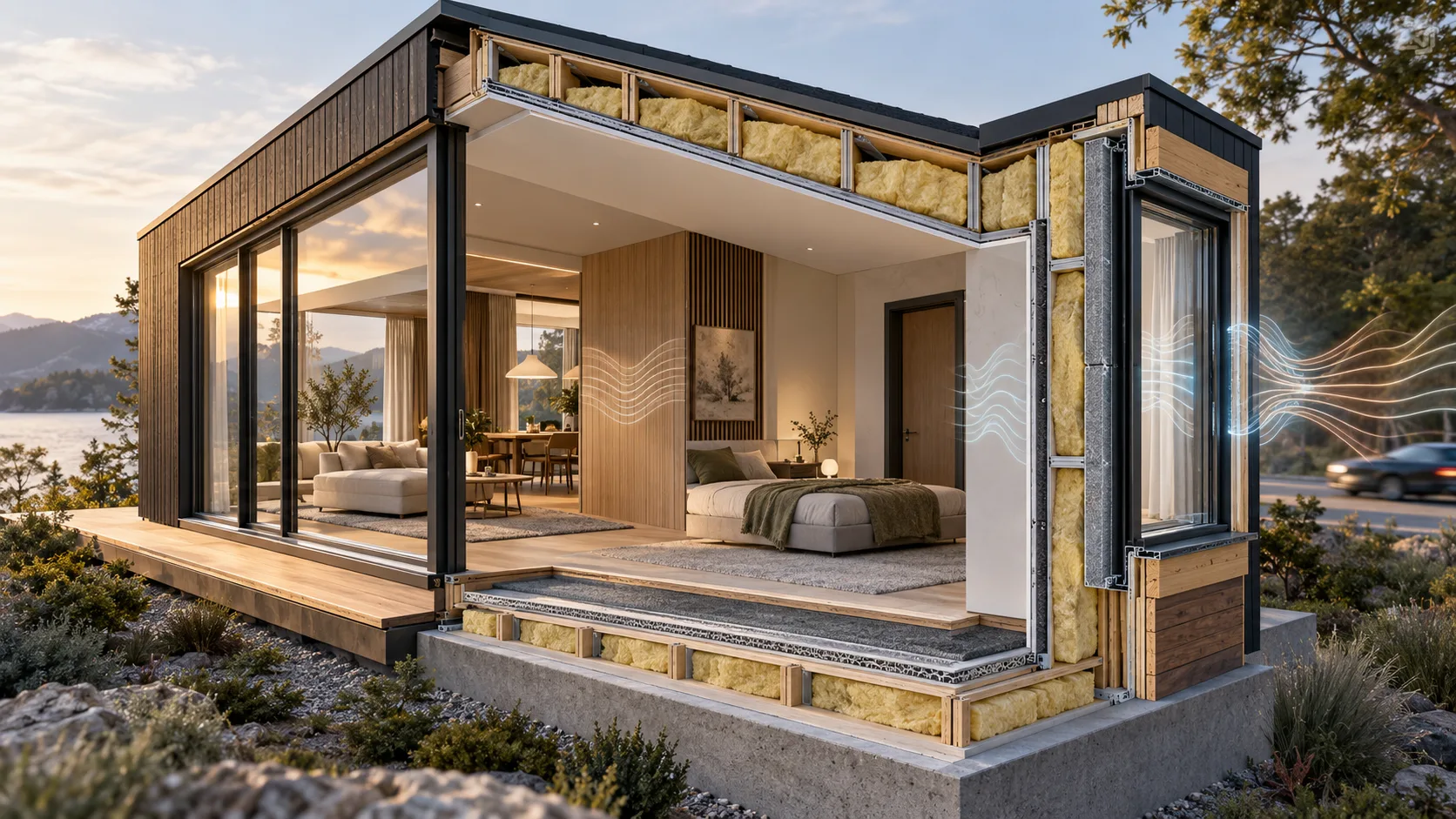
In off grid houses, the design of the structure itself acts as a passive energy system. Pramo Prefabricated homes are engineered with high-thermal-mass materials and superior insulation to minimize the need for active heating and cooling.
- Passive Solar Design: Aligning the house to maximize sunlight during winter and provide shade during summer.
- High-Performance Glazing: Using triple-paned windows to prevent heat transfer.
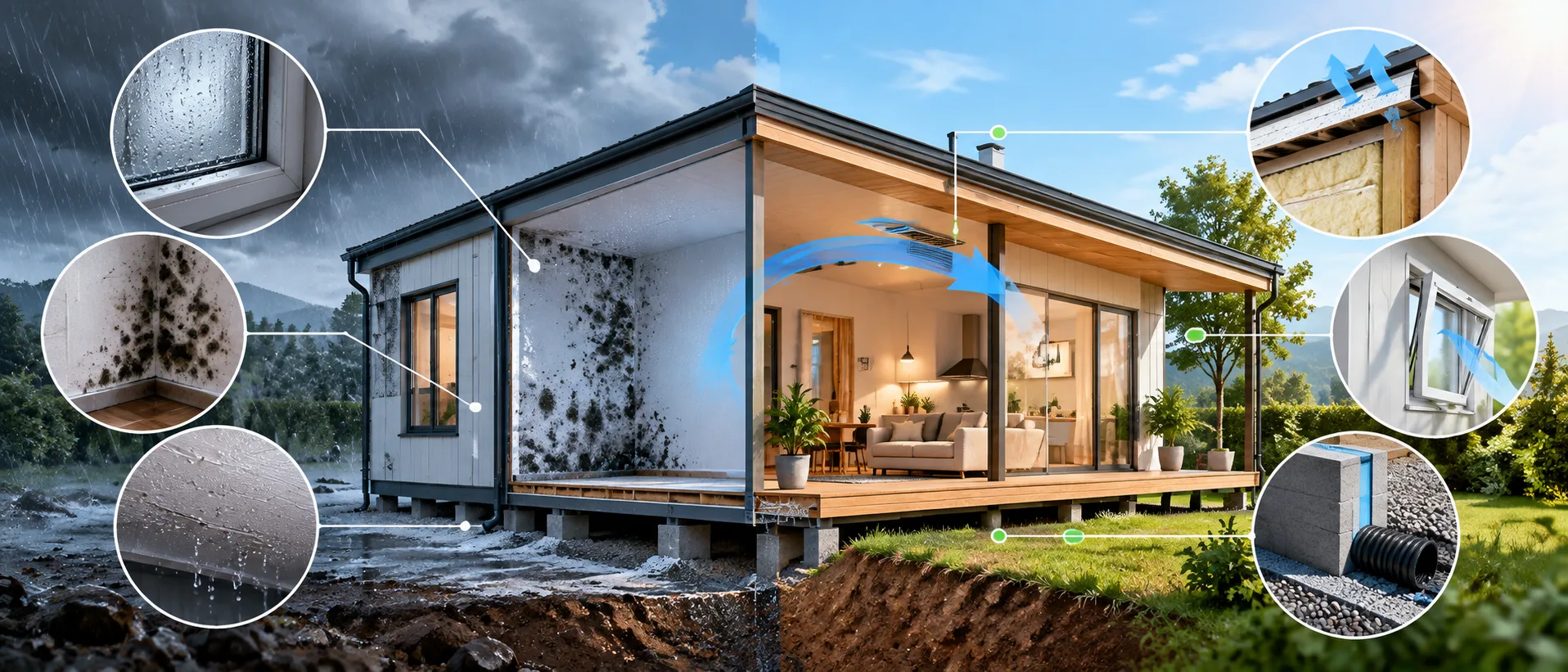
- Airtight Construction: Preventing energy leaks that traditional homes often ignore.
The Role of Prefabricated Technology in Off Grid Living
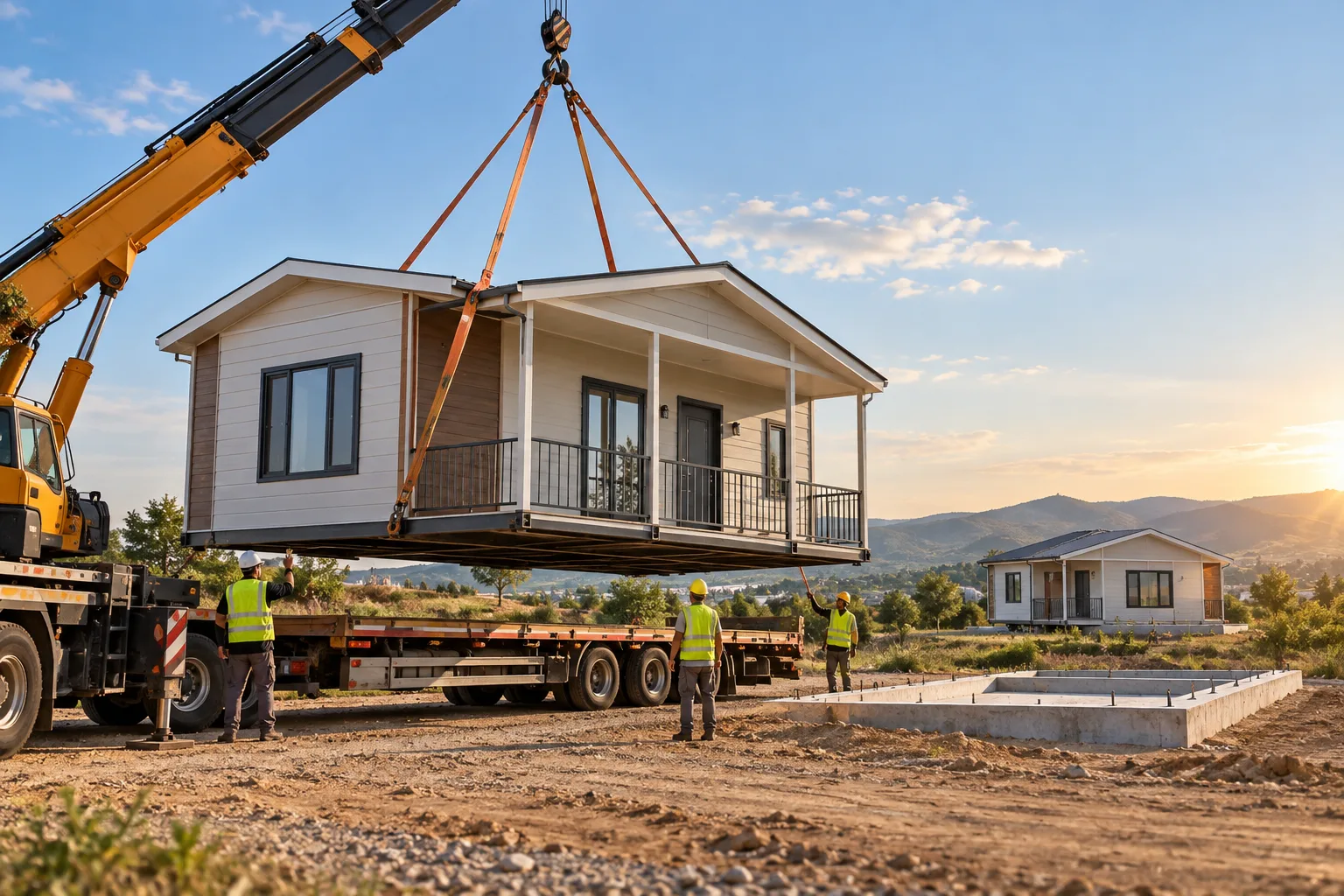
Why is prefabrication the ideal partner for off grid living? The answer lies in precision. When building in a remote location, traditional construction becomes expensive and wasteful. Pramo Prefabricated structures are built in a controlled factory environment, ensuring that every seal is airtight and every component is optimized for energy efficiency.
By choosing a prefabricated model, you ensure that your off grid houses are delivered as a high-performance machine, ready to be powered by the sun. This controlled manufacturing process eliminates the variables of weather and on-site human error, which are critical when every watt of energy counts.
Why Off Grid Houses are the Smartest Investment for 2026
The shift toward off grid houses is no longer just a trend for environmentalists; it has become a sophisticated financial and lifestyle strategy for the modern homeowner. As global energy markets fluctuate, the desire for a fixed-cost, autonomous living space is at an all-time high. Choosing an off-grid path means you are no longer a consumer of a grid—you are a producer of your own life.
Total Freedom Through Technology
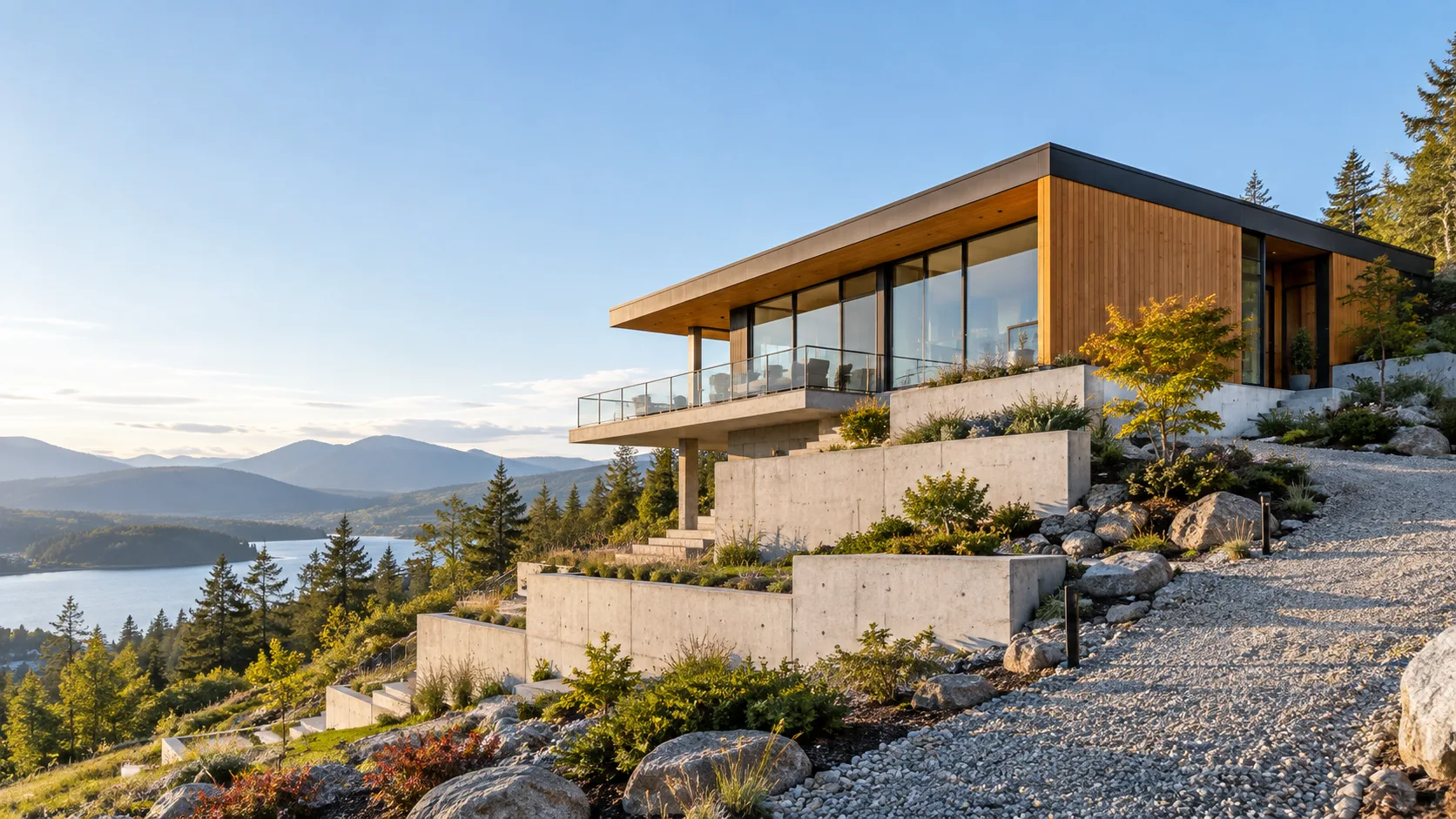
The primary reason to invest in off grid houses is the absolute autonomy they provide. When your home is built with integrated renewable energy and water systems, you are immune to the rising costs of public utilities. In the architectural world, Self-sufficiency is the ultimate luxury. It allows you to place your home in locations that were previously considered “unbuildable” due to the lack of infrastructure. Whether it’s a mountain peak or a secluded forest, Pramo’s engineering makes these locations accessible.
Prefabricated Precision Meets Sustainability
At Pramo Prefabricated, we believe that the efficiency of off grid houses starts with the manufacturing process. Traditional on-site construction often leads to “thermal bridges”—tiny gaps where heat escapes. Because our homes are built in a controlled factory environment, we ensure a level of airtightness that is impossible to achieve in the rain and wind of a standard construction site. This precision is what allows our homes to stay warm in the winter and cool in the summer using minimal battery power.
For those just starting their journey, we have developed an extensive resource. You can find everything from solar calculations to water filtration tips in our ultimate guide to living off grid. This guide is designed to bridge the gap between dreaming of independence and actually achieving it.
The Economic Value of Off Grid Living
While the initial setup for off grid houses requires an investment in solar arrays and battery storage, the Return on Investment (ROI) is staggering. Within a decade, most homeowners have completely offset the cost of their energy systems through the absence of monthly utility bills. Furthermore, as “green” real estate becomes more desirable, off-grid homes are seeing a significant increase in resale value compared to traditional grid-tied houses.
Your Path to Independence
Transitioning to off grid living is a declaration of independence. It is about taking responsibility for your resources and living in harmony with your surroundings. With Pramo’s advanced prefabricated technology, you don’t have to sacrifice modern comforts to live a sustainable life.
If you’re ready to take the next step, explore our ultimate guide to living off grid to see how we can turn your vision into a reality. Let’s build a future where you are in control.
Waste Management: Closing the Loop
A truly autonomous home must manage its waste responsibly. Traditional septic tanks are common, but many enthusiasts of off grid living are moving toward:
- Composting Toilets: Converting human waste into nutrient-rich soil without using water.
- Greywater Systems: Recycling water from showers and sinks to irrigate gardens.
- Biodigesters: Converting organic waste into methane gas for cooking.
Financial Considerations and ROI
While the upfront cost of off grid houses can be higher due to the specialized equipment (batteries, panels, filtration), the return on investment (ROI) is significant. In many regions, the cost of bringing utility lines to a remote property can exceed the cost of an entire off-grid solar system. Over a 10-to-15-year period, the savings on monthly bills often pay for the technology twice over.
Challenges to Consider Before Transitioning
Transitioning to off grid living is a lifestyle change, not just a housing choice. It requires a “resource-aware” mindset. You must learn to monitor your battery levels during cloudy weeks and manage water usage during dry spells. However, for most, the peace of mind and sense of accomplishment far outweigh these minor adjustments.
Build Your Independent Future with Pramo
Off grid houses are no longer a dream for the future—they are a viable, luxurious, and responsible choice for the present. By combining the precision of Pramo Prefabricated engineering with the freedom of renewable energy, you can create a home that truly serves you, rather than you serving the utility companies.
If you are ready to explore the possibilities of self-sufficient living, start by reading our ultimate guide to living off grid or contact our team for a custom consultation. Let’s build a future where your home is as independent as you are.