






















For millions of residents and property managers, the functional lifespan of a home’s core components is a matter of both comfort and legal compliance. One of the most frequent questions asked by tenants and housing officers alike is: how often do housing associations replace kitchens? In the evolving landscape of 2026 social housing, the answer is no longer just a fixed number of years. It involves a complex intersection of the Decent Homes Standard, lifecycle cost analysis, and the rapid adoption of modular components. Understanding these cycles is essential for ensuring that living standards remain high while maintenance budgets stay sustainable.
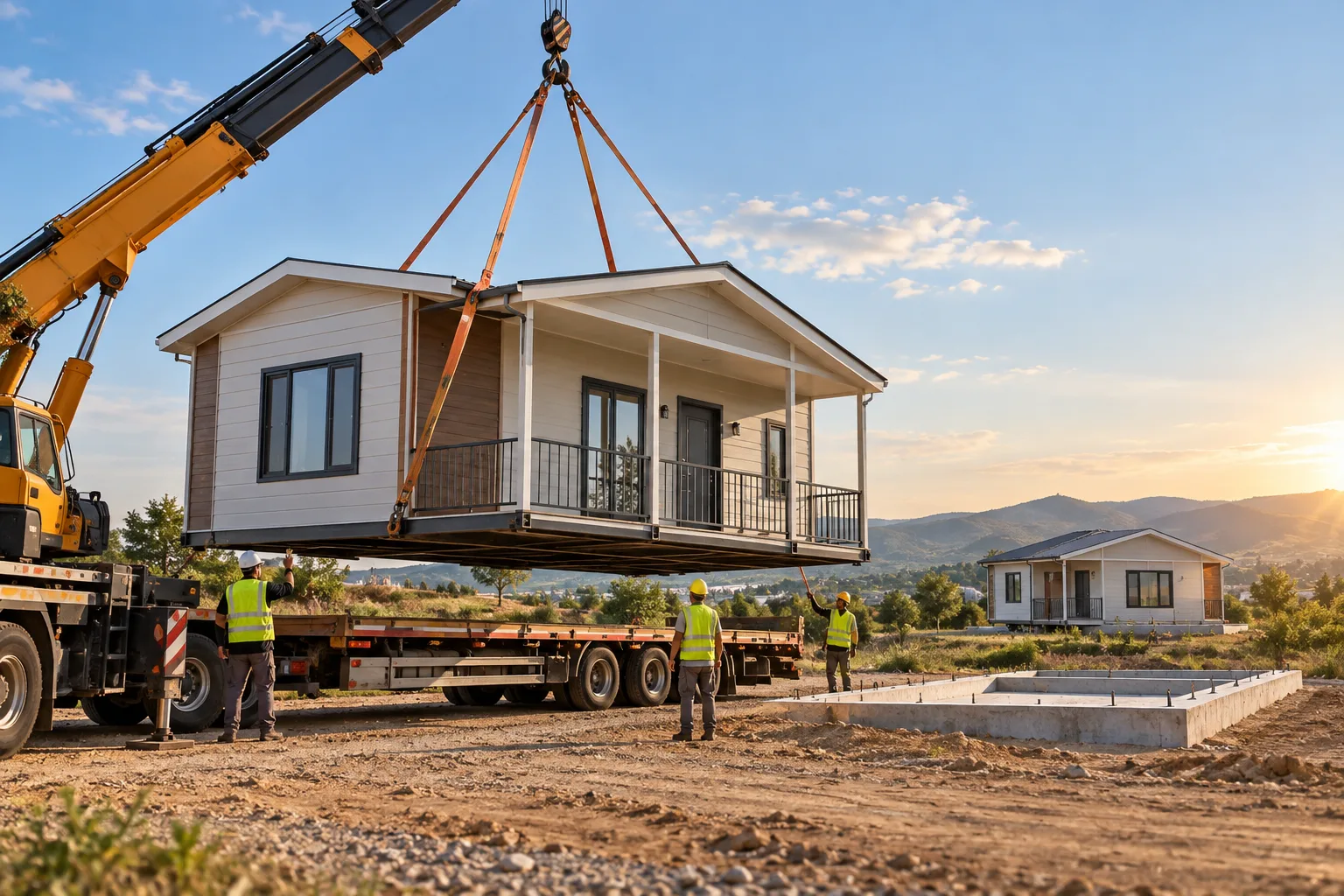
At Pramo Prefabricated, we specialize in high-durability modular interiors that redefine these replacement cycles. We don’t just build structures; we engineer longevity. When asking how often do housing associations replace kitchens, it is vital to look at the materials and methods used in modern construction. To explore our full range of durable housing solutions, visit our primary prefab house service page. This guide will explore the regulatory timelines and technical factors that dictate the life of a social housing kitchen.
The Regulatory Framework: Decent Homes Standard 2026
To answer how often do housing associations replace kitchens, we must first look at the official guidelines. In the UK and many European jurisdictions, the Decent Homes Standard serves as the benchmark. Traditionally, the guideline for a kitchen’s lifespan was set at 20 to 30 years. However, in 2026, the emphasis has shifted toward “functional efficiency” and “safety.”
Housing associations are now required to assess kitchens based on their condition rather than just their age. If a kitchen is over 20 years old and fails on two or more components (such as a lack of space or inadequate layout), it is typically flagged for replacement. So, while the “paper” answer to how often do housing associations replace kitchens remains around the 20-year mark, modern proactive maintenance schedules often see refreshments happening sooner to avoid expensive emergency repairs. Many tenants frequently ask their local council, “how often do housing associations replace kitchens?” and the answer is increasingly tied to the Energy Performance Certificate (EPC) ratings of the unit.
Technical Factors Influencing Kitchen Lifespans
Why do some kitchens last 30 years while others fail in 15? When analyzing how often do housing associations replace kitchens, technical specifications are the deciding factor.
1. Material Durability and Moisture Resistance
In 2026, the shift from standard MDF to high-pressure laminates and composite materials has changed the game. Kitchens built with lower-grade materials are prone to water damage and hinge failure, forcing earlier replacement cycles. Pramo units utilize industrial-grade moisture-resistant materials that are specifically designed for the high-turnover environment of social housing. If the material is low quality, the answer to how often do housing associations replace kitchens becomes much shorter, often as little as 12 years.
2. Design and Layout Efficiency
A kitchen that is poorly designed becomes difficult to clean and maintain, leading to faster degradation. When housing associations plan how often do housing associations replace kitchens, they now prioritize “future-proof” designs. This includes accessible heights and easy-to-replace modular panels, which can extend the total life of the kitchen carcass even if the doors are refreshed.
The Modular Advantage: How Pramo Redefines Replacement
At Pramo, we approach the question of how often do housing associations replace kitchens from a manufacturing perspective. By utilizing Prefabrication techniques—a method well-documented on for its efficiency—we create kitchens that are not only faster to install but also easier to maintain.
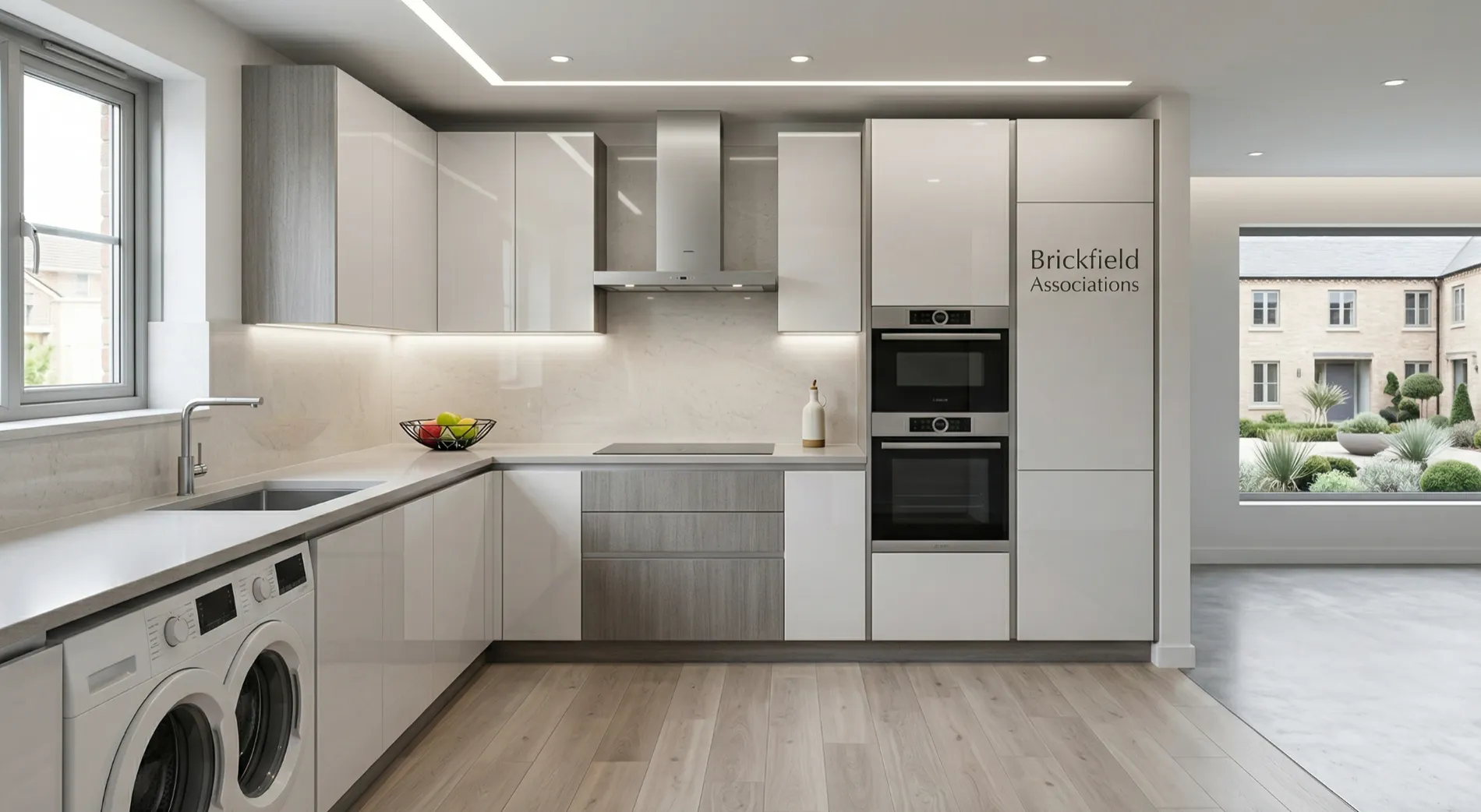
Modular kitchens allow housing associations to replace specific “pods” or sections rather than tearing out the entire room. This means the answer to how often do housing associations replace kitchens could become “never as a whole, but constantly as a series of small, efficient upgrades.” This modular philosophy reduces waste and ensures that tenants always have access to a modern, safe cooking environment without the 20-year wait for a total overhaul. When you consider how often do housing associations replace kitchens, the flexibility of modular components significantly extends the total asset life.
Financial Implications of Kitchen Replacement Cycles
For a housing association, the budget for capital works is often the largest expenditure. Calculating how often do housing associations replace kitchens is a high-stakes financial balancing act. Replacing too early wastes capital; replacing too late leads to increased day-to-day repair costs and tenant dissatisfaction. In the current economic climate, the question of how often do housing associations replace kitchens is heavily influenced by the cost of sustainable materials.
In 2026, many associations are moving toward a “Planned Preventative Maintenance” (PPM) model. By using high-durability units like those found in our prefab house catalog, associations can extend the replacement cycle by 25%. Over a portfolio of 10,000 homes, extending the kitchen life from 20 to 25 years represents a multi-million-pound saving. This is why stakeholders always ask, “how often do housing associations replace kitchens?” during annual budget reviews.
Tenant Rights and the Replacement Process
Tenants often wonder how often do housing associations replace kitchens when they notice wear and tear. Under the Landlord and Tenant Act, the association is responsible for keeping the structure and exterior of the home in repair, as well as the basins, sinks, and other sanitary fittings. If you are a tenant asking, “how often do housing associations replace kitchens?”, you should check your specific tenancy agreement for the “Planned Maintenance” schedule.
If a kitchen becomes unsafe—for example, due to faulty wiring or severe damp—the association must act regardless of the 20-year cycle. However, for purely aesthetic reasons, tenants usually have to wait for the scheduled cycle. This is why the quality of the initial installation is so vital; a Pramo kitchen is designed to look and function as new for the entirety of its 20+ year lifecycle, reducing the “aesthetic fatigue” that often leads to tenant complaints. The common consensus on how often do housing associations replace kitchens is that safety issues override any pre-set schedule.
Environmental Impact and Sustainability in 2026
The carbon footprint of home maintenance is a major concern in 2026. When considering how often do housing associations replace kitchens, the environmental cost of disposal and manufacturing must be factored in. Tearing out a kitchen every 15 years is no longer sustainable.
Pramo’s modular kitchens are designed for the circular economy. Our components are 100% recyclable, and our manufacturing process produces 80% less waste than traditional on-site joinery. By increasing the intervals of how often do housing associations replace kitchens through better engineering, we directly contribute to the Net Zero goals of housing associations across the globe. Therefore, the strategic answer to how often do housing associations replace kitchens is now part of the wider ESG (Environmental, Social, and Governance) report.
Summary of Replacement Timelines
To provide a clear reference for our clients, here is a breakdown of the typical 2026 expectations for kitchen components. When people ask how often do housing associations replace kitchens, they are often referring to these specific parts:
| Component | Lifespan Expectation |
| Kitchen Carcass | 20–25 Years |
| Worktops | 15–20 Years |
| Taps and Sinks | 10–15 Years |
| Wall Tiling | 20 Years |
By aligning these timelines, housing associations can answer the question of how often do housing associations replace kitchens with a clear, data-driven strategy. A poorly maintained unit will significantly reduce the time between these cycles, making the answer to how often do housing associations replace kitchens much more expensive for the provider.
Building for the Future with Pramo
The question of how often do housing associations replace kitchens is ultimately about the quality of the initial investment. In 2026, the goal is to build homes that are resilient, sustainable, and easy to maintain. By choosing Pramo’s high-performance modular solutions, housing associations can ensure that their kitchens are not just a “box-ticking” exercise in compliance, but a long-term asset that provides value for decades.
Explore our innovative prefab house and discover how we are helping housing associations optimize their maintenance cycles through superior engineering. Whether you are managing a single property or a massive social housing portfolio, understanding how often do housing associations replace kitchens is the first step toward a more efficient, tenant-focused future. Let’s build kitchens that don’t just last—let’s build kitchens that excel. When asked “how often do housing associations replace kitchens?”, let the answer be a testament to quality construction.