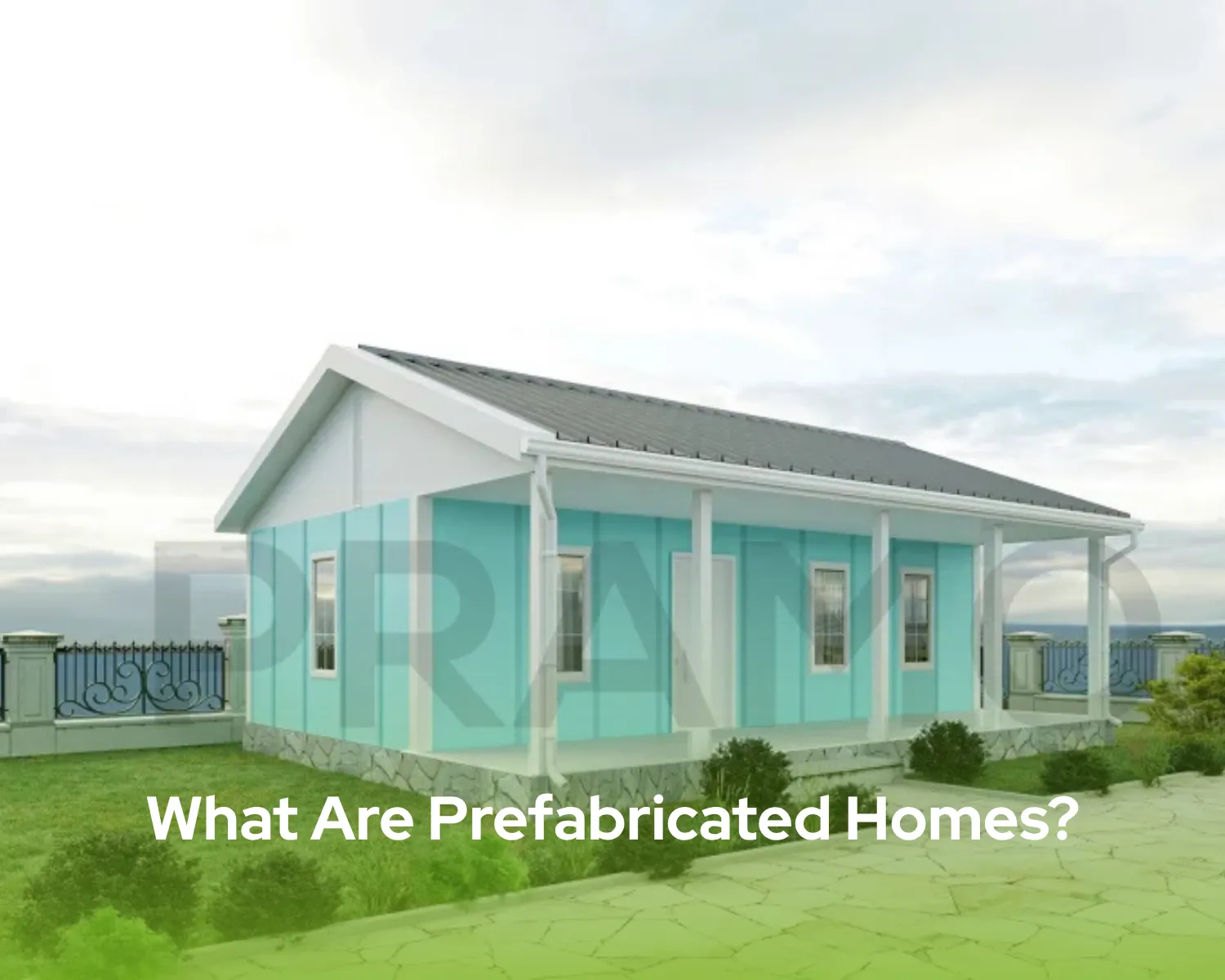
























When it comes to building in seismic zones, one of the most frequently asked questions is: are prefabricated homes earthquake resistant? Prefabricated homes, also known as modular or prefab houses, are engineered using precise factory-controlled processes, lightweight yet durable materials, and modern design techniques to withstand seismic activity. If you are considering investing in a prefabricated home, understanding their construction, safety standards, and performance is essential. Pramo provides specialized prefabricated house solutions designed to meet modern earthquake-resistance criteria while offering energy efficiency, quick installation, and durability.
In this article, we explore how prefabricated homes perform under seismic conditions, the engineering standards that ensure safety, and why choosing a Pramo prefab home can offer peace of mind for homeowners in earthquake zones.
What Makes Prefabricated Homes Earthquake Resistant?
Are prefabricated homes earthquake resistant? The earthquake resistance of prefabricated homes comes from several design and engineering factors:
- Lightweight materials – Reduces the load on foundations and improves structural stability.
- Modular construction – Factory-built modules are tested for stress and seismic compliance.
- Steel or reinforced frames – Provide flexibility and resistance against lateral forces.
- Proper anchoring to foundations – Ensures stability during seismic events.
So are prefabricated homes earthquake resistant? The answer is Pramo’s prefabricated homes combine these elements to produce safe and resilient structures. You can explore more about their prefab house solutions for modern earthquake-resistant designs.
Prefabricated Homes vs. Traditional Houses in Seismic Zones
| Feature | Prefabricated Homes | Traditional Homes |
|---|---|---|
| Weight | Lighter structure reduces seismic load | Heavier masonry increases risk |
| Construction | Factory-tested modules | On-site variability may reduce quality |
| Flexibility | Steel frames allow movement | Rigid structures may crack |
| Installation | Anchored modules improve safety | Dependent on construction quality |
| Energy Efficiency | High-performance insulation integrated | May require retrofitting |
Prefab homes often outperform traditional homes in earthquake resilience due to controlled factory processes, precision assembly and modern engineering.
How Pramo Ensures Earthquake Resistance
Pramo uses advanced engineering methods to guarantee that prefabricated homes meet seismic safety standards:
- Finite Element Analysis (FEA) – Simulates stress and movement during an earthquake.
- Seismic Load Testing – Modules are tested for lateral and vertical forces.
- Quality-Controlled Production – Every panel and frame is manufactured under strict standards.
- Flexible Joints and Connections – Allow controlled movement without structural damage.
These processes ensure that Pramo’s prefabricated homes are reliable even in high-risk seismic zones.And thus are prefabricated homes earthquake resistant questions can be answer like this.
Engineering Factors Affecting Seismic Performance
Several factors determine how well a prefabricated home can withstand earthquakes:
- Foundation Design – Deep or reinforced foundations distribute loads effectively.
- Material Selection – Steel and light composite panels reduce risk of collapse.
- Module Size – Smaller modular units perform better under lateral forces.
- Interconnection – Properly connected modules reduce stress points.
Homeowners should always confirm that their prefab home meets local seismic building codes and standards.
Advantages of Prefabricated Homes in Earthquake Zones
Choosing a prefabricated home in a seismic area offers several benefits:
- Reduced risk of structural failure – Factory-tested modules ensure consistent quality.
- Energy-efficient and durable – High-performance insulation and materials.
- Faster construction – Less time on-site reduces the chance of errors.
- Customizable design – Modules can be adapted to local seismic requirements.
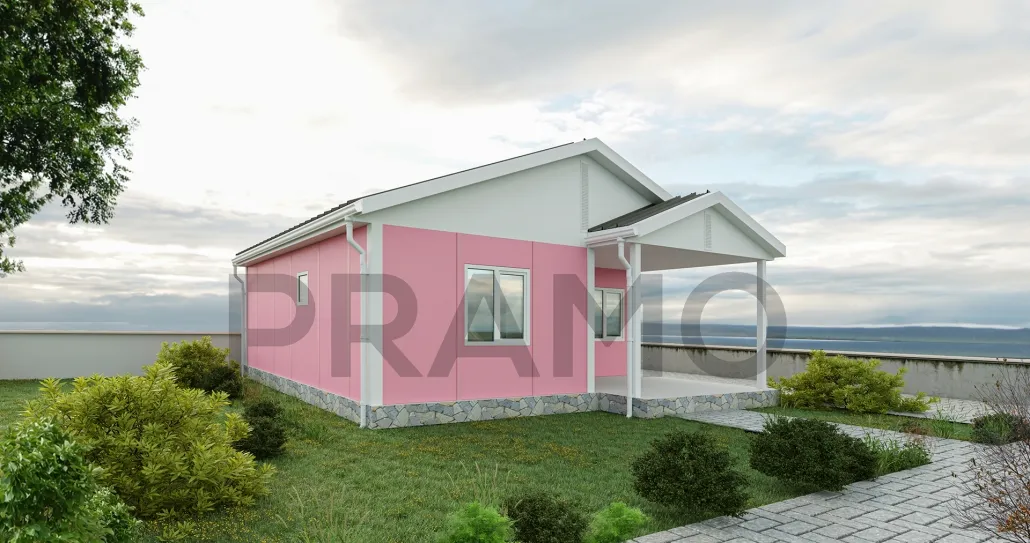
Pramo prefabricated homes combine safety with modern living comforts, making them an ideal choice for earthquake-prone regions.
Pramo’s Prefabricated Homes and Earthquake Safety
Are prefabricated homes earthquake resistant? Several studies have demonstrated that prefabricated homes can survive moderate to severe earthquakes with minimal damage:
- Prefab structures in Japan withstood high-magnitude quakes thanks to steel frames.
- European prefabricated residential projects showed reduced repair costs after seismic events.
- Pramo’s prefab houses undergo similar testing to meet international earthquake standards.
These examples illustrate that prefabricated construction, when engineered correctly, provides superior safety compared to traditional masonry homes.
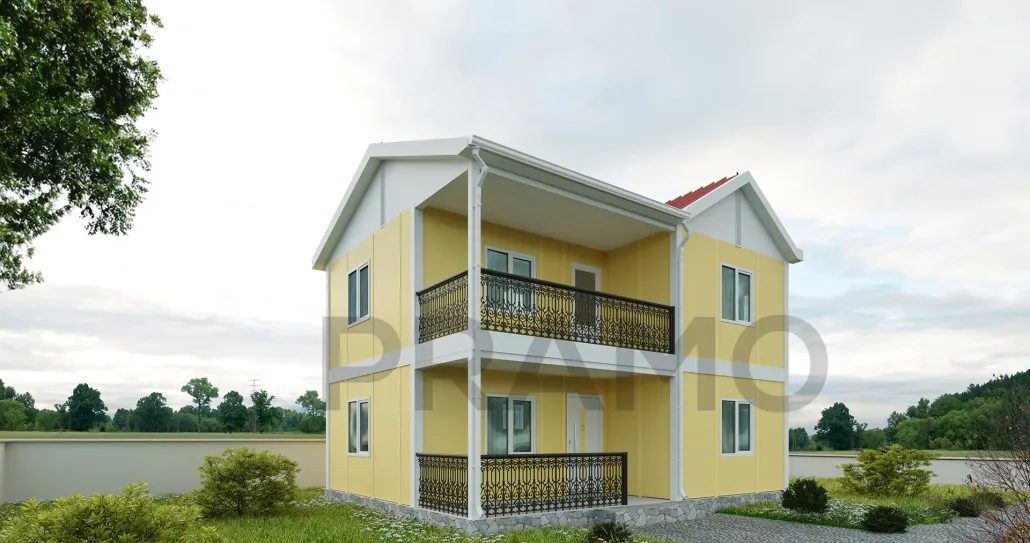
Common Misconceptions About Prefab Homes
Are prefabricated homes earthquake resistant? That questions show us some people believe that prefabricated homes are fragile or temporary structures. In reality:
- Prefab does not mean weak – Modern prefabricated homes use reinforced steel frames and high-quality panels.
- Energy efficiency does not compromise safety – Insulated panels are integrated into structural design.
- Prefab can be permanent – These homes are built to last decades with proper maintenance.
Understanding the engineering behind prefabricated homes is key to appreciating their seismic performance.
Energy Efficiency and Sustainability
Factory-controlled modules allow prefabricated homes to have precise insulation installation, improving energy efficiency and reducing utility costs. Steel or composite panels provide thermal regulation while maintaining earthquake resistance. Pramo ensures that every prefab module meets both energy and seismic performance standards.
Installation and Maintenance for Seismic Safety
Proper installation is essential for earthquake resistance:
- Verify foundation design and anchoring points.
- Ensure modules are connected securely with flexible joints.
- Follow manufacturer instructions for assembly and quality checks.
- Periodic inspections maintain long-term safety and energy efficiency.
Pramo provides expert guidance to ensure prefabricated homes are installed for maximum seismic performance.
Frequently Asked Questions
Are prefabricated homes earthquake resistant?
Yes, modern prefabricated homes are designed with steel frames, precise modular connections, and tested materials to withstand seismic activity.
Do prefab homes provide long-term durability?
Yes, with proper materials, structural design, and maintenance, prefabricated homes are durable and resilient.
Are prefab houses energy-efficient?
Yes, factory-controlled insulation ensures excellent thermal performance.
Is government support available for prefab houses?
Yes, projects meeting eligibility criteria can receive financial support.
Prefabricated homes offer a reliable, durable, and energy-efficient solution for areas prone to earthquakes. With modern engineering, Pramo ensures that prefabs meet seismic standards while providing speed, cost efficiency, and modern design. Choosing a prefabricated home combines safety, sustainability, and comfort for long-term living.Contact Pramo’s professional expert for your project!