





















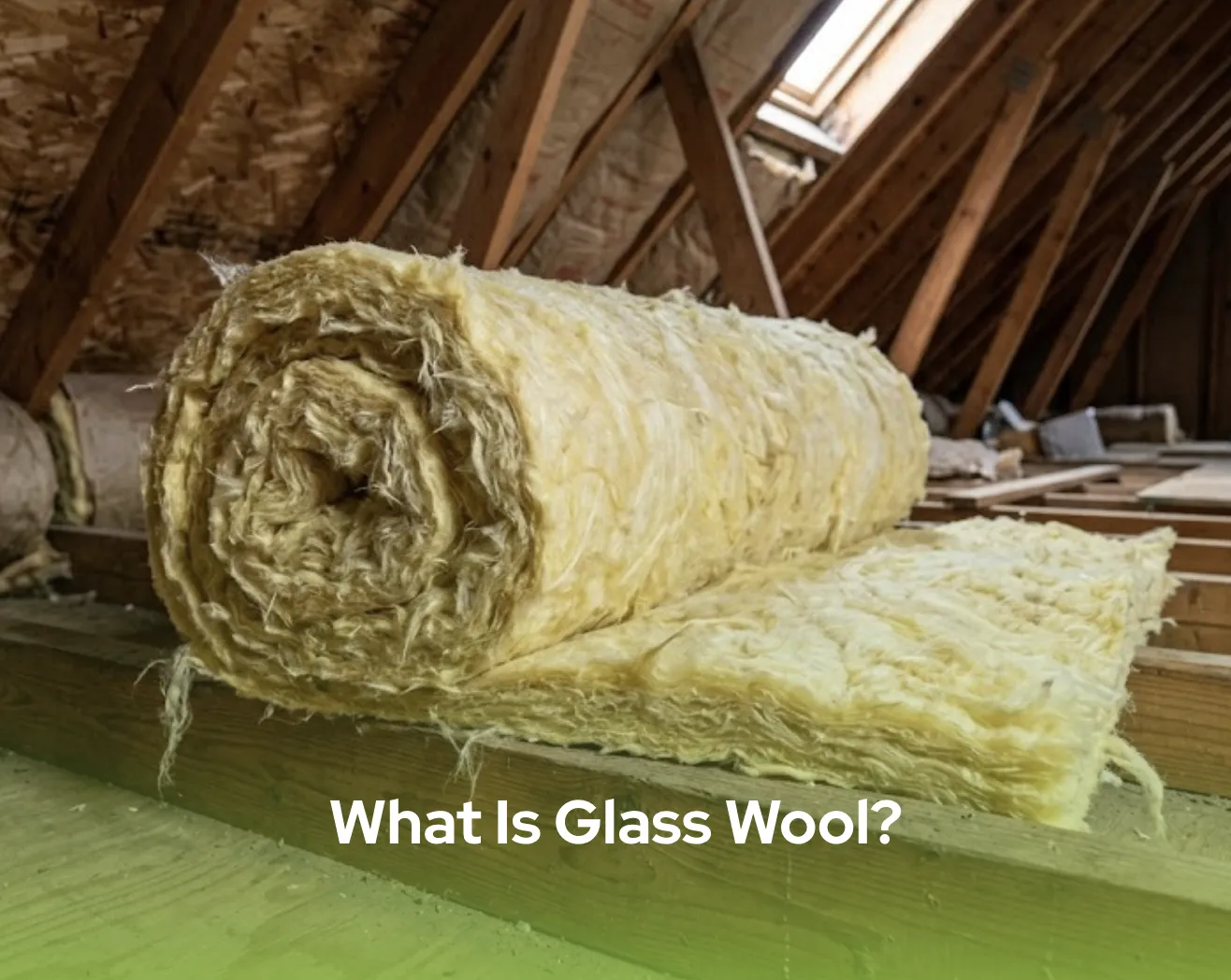
What is glass wool? Glass wool is one of the most widely used insulation materials in modern construction, manufactured from recycled glass and silica sand that are melted and spun into fine fibers. It is valued for its excellent thermal insulation, acoustic performance, fire resistance, and cost-effectiveness. If you are researching what is glass wool, the simple answer is that it is a lightweight yet highly efficient insulation solution used in residential, commercial, and industrial buildings to improve energy efficiency and indoor comfort.
As energy regulations become stricter and sustainability gains importance, understanding what is glass wool has become essential for architects, contractors, developers, and property owners. Modern building companies such as Pramo recognize the importance of high-performance insulation materials in creating durable, energy-efficient, and comfortable structures.
What Is Glass Wool?
The most direct answer to what is glass wool is that it is a fibrous insulation material produced from molten glass.The manufacturing process includes:
- Melting recycled glass and silica sand
- Spinning molten material into thin fibers
- Forming insulation blankets, rolls, or boards
- Applying bonding materials for stability
The final product is a lightweight insulation material with excellent thermal and acoustic properties.Understanding what is glass wool begins with understanding its unique fiber-based structure, which traps air and creates an effective insulation barrier.
How Is Glass Wool Manufactured?
To fully understand what is glass wool, it is important to examine its production process.
Raw Material Preparation
Glass wool typically contains:
- Recycled glass
- Silica sand
- Limestone
- Soda ash
The use of recycled content contributes to environmental sustainability.
Melting Process
Raw materials are heated at temperatures exceeding 1,400°C.
Fiber Formation
The molten glass is spun into fine fibers using specialized manufacturing equipment.
Product Formation
Fibers are processed into:
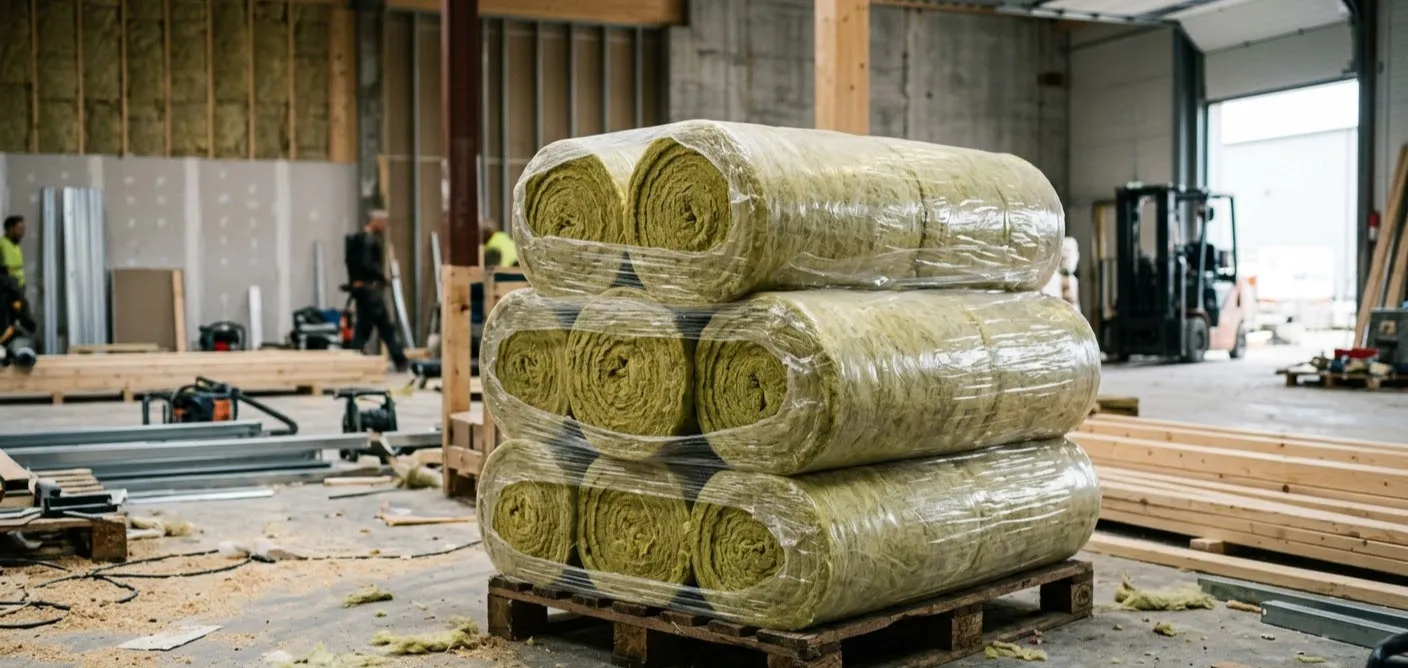
- Rolls
- Batts
- Boards
- Acoustic insulation products
This process gives glass wool its flexibility and performance characteristics.
Why Is Glass Wool Popular?
One reason people frequently ask what is glass wool is because it remains one of the most commonly used insulation materials worldwide.Its popularity comes from:
- Cost efficiency
- Easy installation
- Good thermal performance
- Effective sound absorption
- Lightweight structure
From practical construction experience, selecting the appropriate insulation thickness during the design phase can improve installation efficiency by nearly 20% while significantly enhancing long-term energy savings.
Thermal Insulation Performance
A major reason builders search for what is glass wool is its thermal insulation capability.Glass wool helps:
- Reduce heat transfer
- Improve indoor comfort
- Lower energy consumption
- Increase HVAC efficiency
Buildings insulated with glass wool typically experience lower heating and cooling costs throughout the year.
Acoustic Insulation Benefits
Another important aspect of what is glass wool is its acoustic performance.The fibrous structure helps absorb sound waves and reduce noise transmission.
Benefits include:
- Improved residential comfort
- Better office acoustics
- Reduced external noise
- Enhanced privacy
This makes glass wool a preferred solution for apartments, hotels, offices, and educational facilities.
Fire Resistance Properties
When discussing what is glass wool, fire performance is often a key consideration.Advantages include:
- Non-combustible characteristics
- Resistance to high temperatures
- Improved building safety
- Compliance with modern fire regulations
Although glass wool is not identical to rock wool in fire performance, it still provides strong protection in many construction applications.
Common Applications of Glass Wool
Understanding what is glass wool also requires understanding where it is used.
Residential Buildings
Glass wool is commonly installed in:
- Roofs
- Exterior walls
- Interior partitions
- Attics
Commercial Buildings
Applications include:
- Offices
- Hotels
- Shopping centers
- Educational facilities
Industrial Facilities
Glass wool is often used in:
- Factories
- Warehouses
- Mechanical systems
- HVAC insulation
Its versatility makes it one of the most widely adopted insulation materials globally.
Glass Wool vs. Rock Wool
Many people researching what is glass wool also compare it with rock wool.
Advantages of Glass Wool
- Lower weight
- Cost efficiency
- Easy installation
- Flexible application
Advantages of Rock Wool
- Higher density
- Better fire resistance
- Superior sound insulation
The choice depends on project requirements and performance priorities.
Sustainability Benefits
Environmental performance is increasingly important in modern construction.Glass wool contributes to sustainability through:
- Recycled raw materials
- Reduced energy consumption
- Long service life
- Lower carbon footprint
Pramo supports modern building solutions that prioritize sustainability and long-term performance.
Moisture Resistance and Durability
Modern glass wool products are engineered to perform reliably over time.Benefits include:
- Stable thermal performance
- Long-term durability
- Resistance to settling
- Low maintenance requirements
Proper installation is essential for maximizing performance.
Installation Best Practices
Correct installation significantly affects insulation efficiency.Recommendations include:
- Avoiding compression of insulation
- Ensuring full cavity coverage
- Proper vapor barrier application
- Professional installation
Projects that follow these practices achieve better long-term results.
Why Architects and Engineers Use Glass Wool
Professionals frequently choose glass wool because it offers a strong balance between performance and affordability.Benefits include:
- Design flexibility
- Energy efficiency
- Acoustic comfort
- Cost control
These factors contribute to the continued popularity of glass wool in modern construction.
Common Misconceptions About Glass Wool
Is Glass Wool Harmful?
Modern glass wool products are manufactured according to strict safety standards and can be safely installed when proper procedures are followed.
Does Glass Wool Absorb Water?
Modern products are designed to resist moisture and maintain insulation performance.
Is Glass Wool Only for Residential Buildings?
No. It is widely used in commercial and industrial applications as well.
Is Glass Wool Expensive?
Glass wool is often considered one of the most cost-effective insulation solutions available.
Future of Glass Wool Insulation
The demand for energy-efficient buildings continues to grow.
Future trends include:
- Sustainable construction
- Net-zero energy buildings
- Improved acoustic performance
- Smart building technologies
As building standards evolve, glass wool is expected to remain a leading insulation material.
Frequently Asked Questions
What is glass wool?
Glass wool is a fibrous insulation material made from molten glass and recycled materials used for thermal and acoustic insulation.
What is glass wool used for?
It is used in walls, roofs, floors, HVAC systems, and industrial facilities for insulation purposes.
Is glass wool fire resistant?
Yes. Glass wool provides good fire resistance and contributes to building safety.
Is glass wool environmentally friendly?
Yes. It often contains recycled materials and supports energy-efficient construction.
Understanding what is glass wool is essential for anyone planning a modern construction project. Its combination of thermal insulation, acoustic performance, fire resistance, affordability, and sustainability makes it one of the most widely used insulation materials in the world.
At Pramo, we believe that selecting the right insulation material is critical for long-term building performance. Whether you are developing a residential, commercial, or industrial project, glass wool can help improve efficiency, comfort, and sustainability. Contact Pramo today to learn more about advanced construction solutions and modern insulation technologies.