






















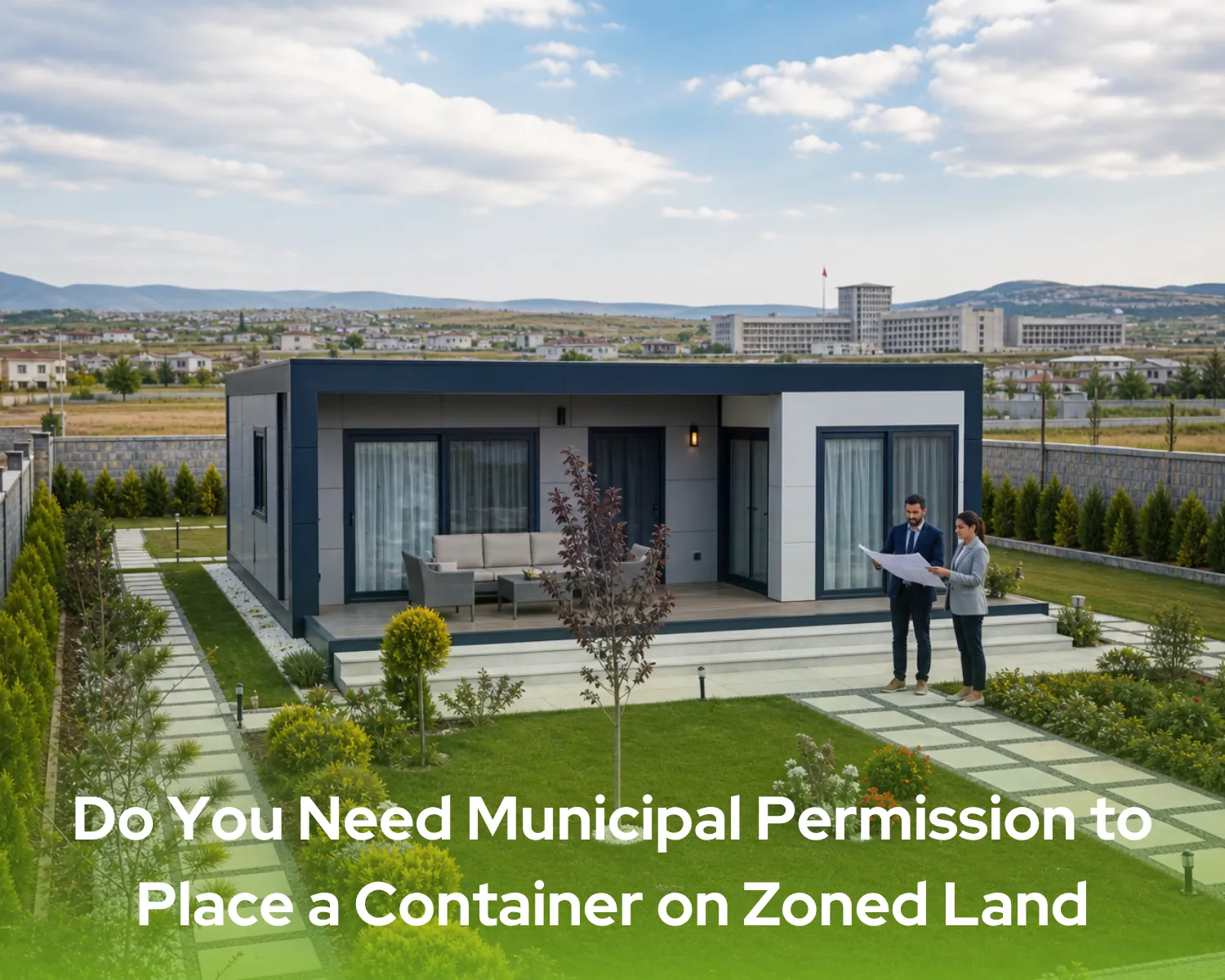
The short answer is usually yes when the container will be used as a home, office, workplace or another long-term occupied space. The fact that a container can be moved does not automatically remove planning or building-permit requirements.
The answer depends on the land-use designation, the proposed use, how the unit will be positioned or fixed, utility connections and the practice of the competent municipality. Before buying or installing a unit, request a written opinion from the municipality’s planning and building-control department.
What Does Zoned Land Mean?
Zoned land is property whose permitted uses and development conditions are defined by an official development plan. “Zoned” does not mean that any structure can be placed on the plot without approval.
- Permitted use, such as residential, commercial, industrial or tourism
- Building coverage and total construction area
- Maximum height or number of storeys
- Setbacks from roads and adjoining plots
- The building’s permitted position on the site
- Parking, landscaping and infrastructure conditions
- Special protection, heritage or safety provisions
In other words, zoning defines how development may occur; it is not a blanket exemption from permission.
Is a Container Legally Considered a Building?
Under Turkish planning law, the concept of a “building” or “structure” is broad and may cover permanent or temporary, fixed or movable installations. With limited exceptions, Article 21 of Zoning Law No. 3194 requires a building permit before construction. Therefore, relying only on the claim that a container is movable can create legal risk.
A municipality is more likely to treat the container as a permit-requiring structure when it is:
- Used as a dwelling, office or commercial premises
- Kept in the same place for a long period
- Installed on a concrete base, platform or anchoring system
- Connected to electricity, water or sewerage
- Combined with additional modules
- Expanded with a roof, veranda, canopy or enclosed extension
Wheels or theoretical portability do not necessarily create an exemption. Authorities may focus on actual use and the physical situation created on the land.
When Is Municipal Approval Required?
For a container used as a home, office, warehouse or sales area, approval or a building permit may be required. The application normally goes to the municipality where the land is located. Outside municipal boundaries, another competent authority may be responsible.
The authority will usually consider the following questions:
- What is the plot’s designated use in the development plan?
- Is the proposed container use compatible with that designation?
- Does the plot have a development right?
- Will the unit be temporary or long term?
- Will it be anchored to the ground?
- Will utilities be connected?
- Are setbacks and building lines respected?
- Is the plot subject to special legislation?
It is therefore inaccurate to say that every container is permit-free—or that exactly the same permit applies in every case.
Conditions for Placing a Container on Zoned Land
1. Confirm the planning status
Obtain a current planning-status document showing the permitted use, development ratio, height and setbacks.
2. Define the intended use
State clearly whether the unit will be a home, office, sales point, security cabin, warehouse or construction-site facility. The required approvals may change with the use.
3. Prepare the site and technical documents
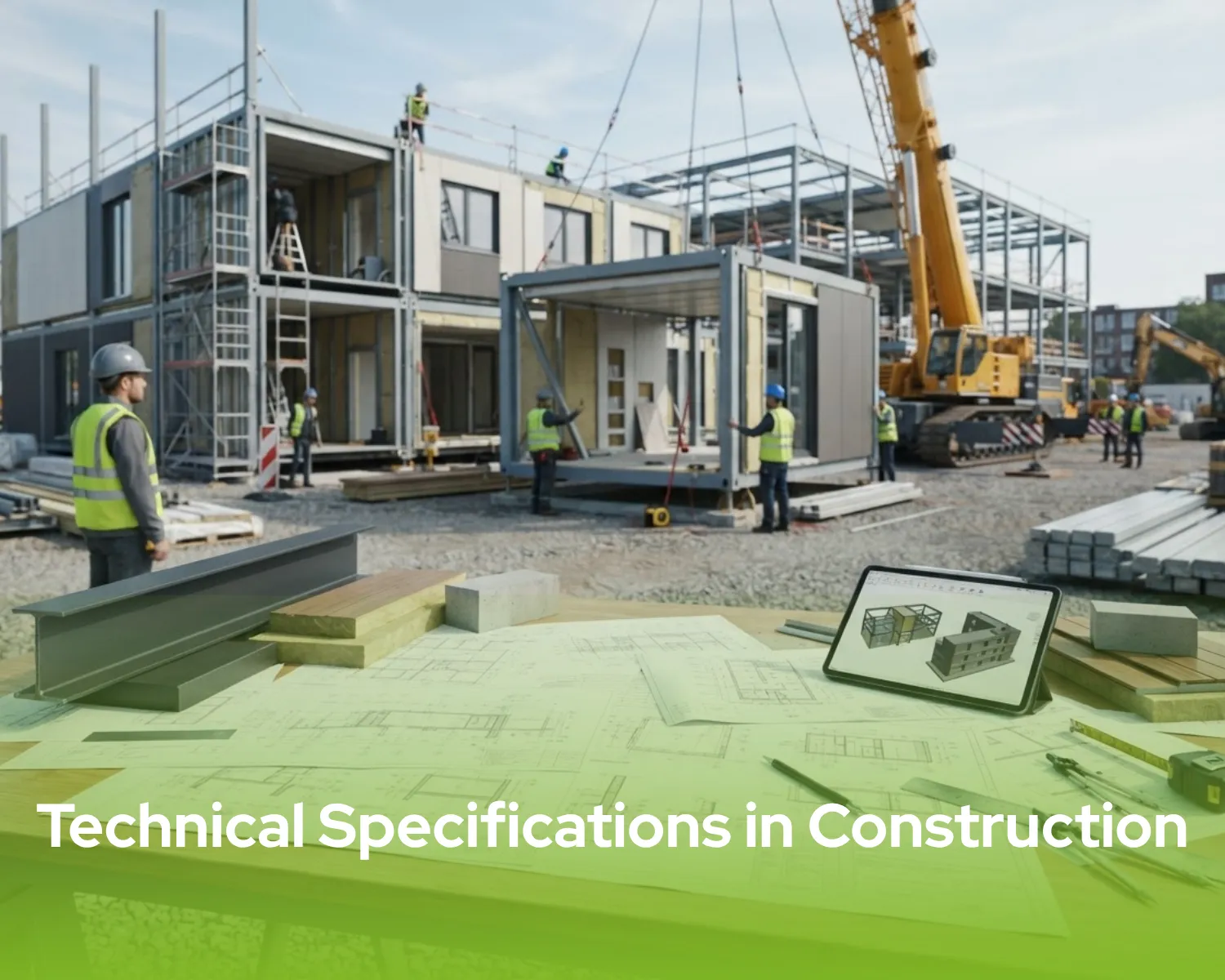
The municipality may request a site plan, architectural drawings, survey plan, structural information and utility projects, depending on the size and nature of the unit.
4. Obtain the permit or written opinion before installation
If the unit is permit-requiring, obtain the building permit first. If officials say that a particular case is exempt, request that conclusion in writing rather than relying on oral information.
5. Check utility approvals separately
Approval to place the unit does not automatically authorize electricity, water, wastewater or sewer connections.
Documents the Municipality May Request
- Title deed or proof of ownership
- Current planning-status document
- Survey and setting-out plan
- Site layout plan
- Technical drawings showing container dimensions
- Architectural and, where required, structural project
- Electrical and mechanical installation plans
- Details of the connection to the ground
- Owner consent when the applicant is not the owner
- Statement of intended use
- Application forms, fees and supporting documents
The definitive document list should be confirmed with the plot and parcel details.
Does a Temporary Container Need a Permit?
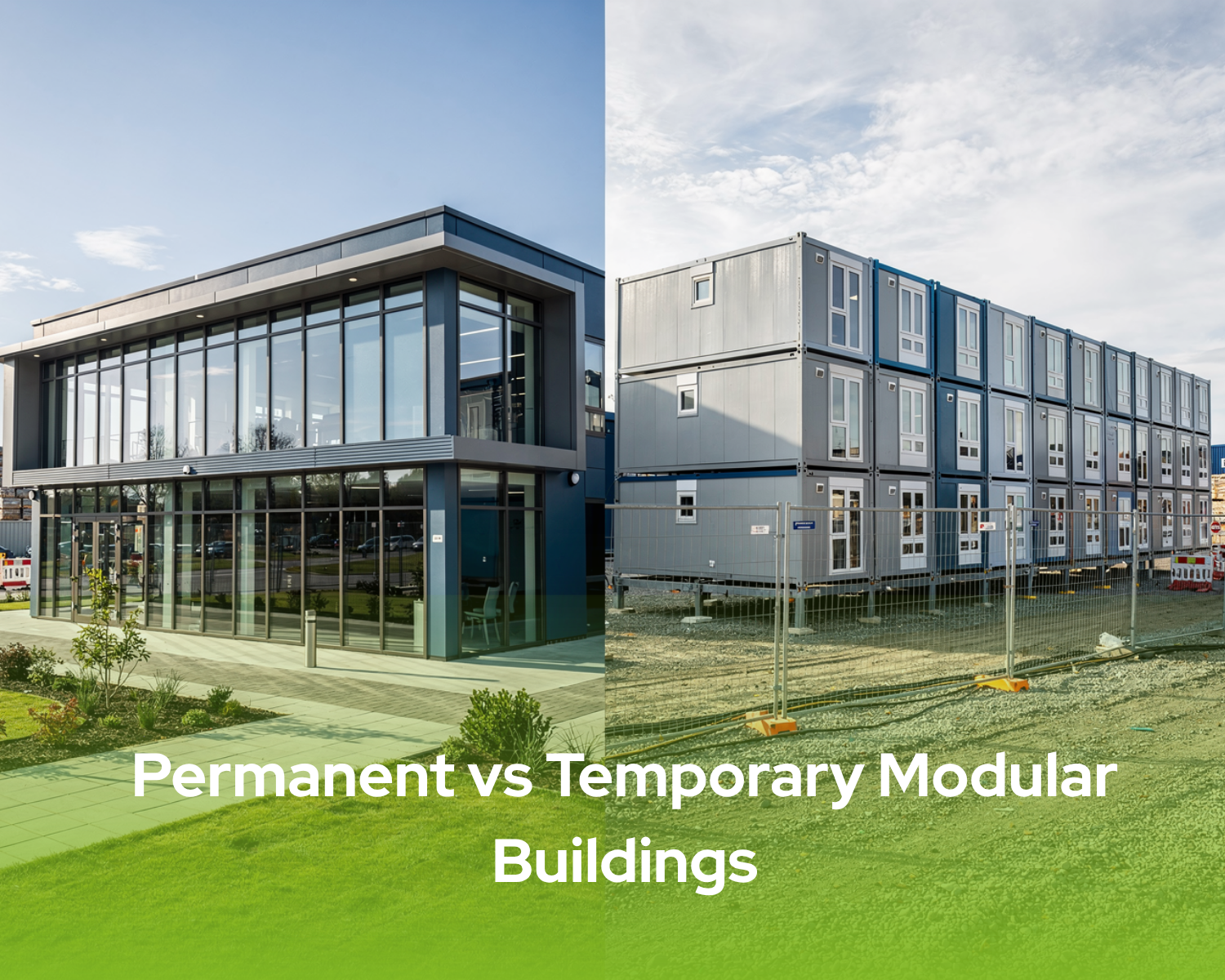
Temporary use does not always mean permit-free use. Construction-site buildings may be governed by special provisions, but those rules do not automatically apply to a privately used container placed on any plot. Tell the authority how long it will remain, its purpose, whether it will be fixed, whether utilities will be connected and how it will be removed.
What Happens If a Container Is Installed Without Permission?
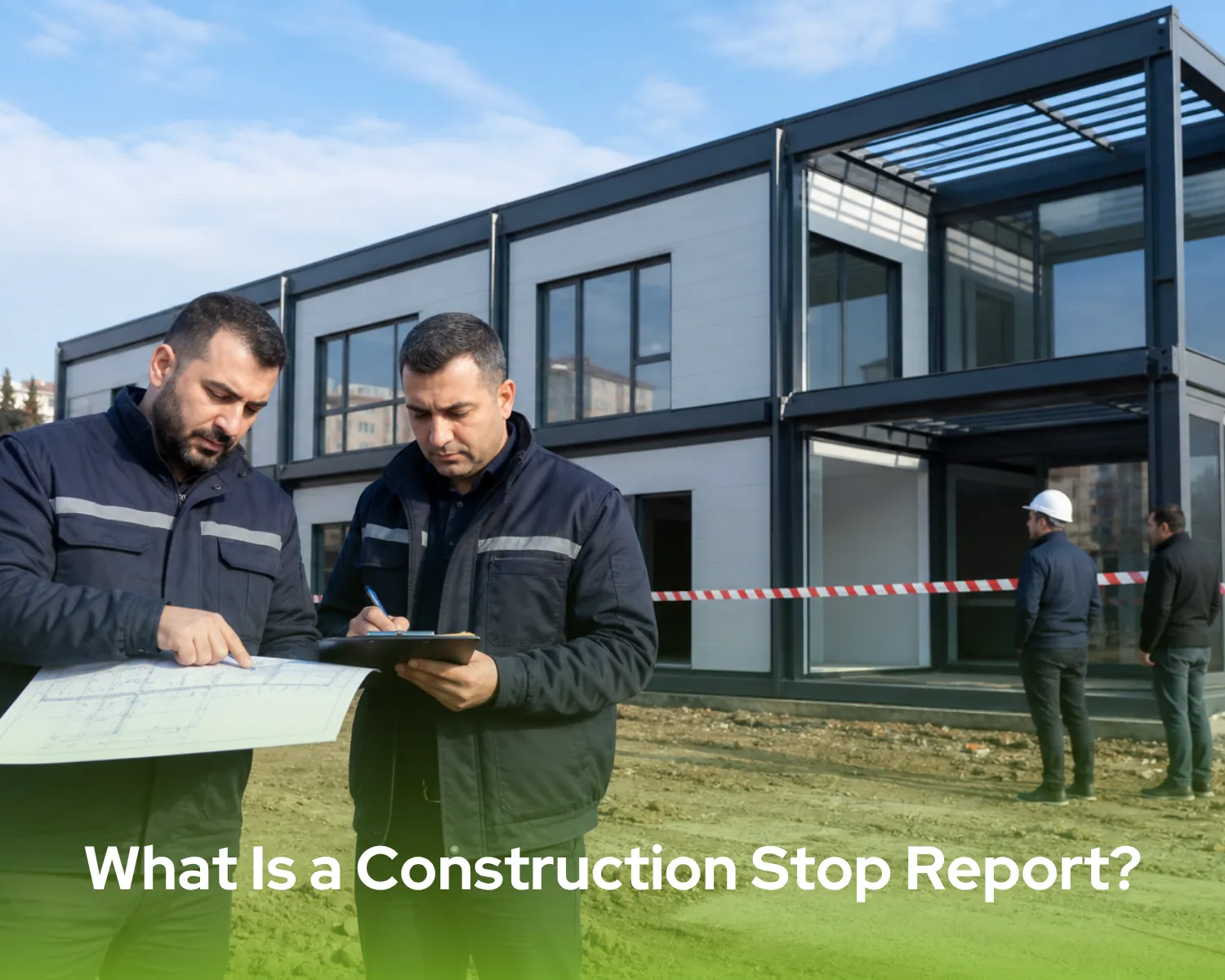
If a container requires permission but is installed without it, the authority may treat it as an unauthorized structure. Possible consequences include a construction-stop report, sealing of the site, administrative fines and, if the violation is not corrected, removal or demolition.
Articles 32 and 42 of Zoning Law No. 3194 regulate action against unauthorized or non-compliant structures and administrative sanctions. The outcome depends on the size and nature of the violation. Completing the approval process before installation is safer than trying to legalize the unit afterwards.
Is Agricultural Land Different from Zoned Land?
Yes. A property recorded as agricultural land and a plot within an implementation development plan are not the same. Agricultural land may also be subject to agricultural-protection rules and may require non-agricultural-use permission or opinions from additional authorities.
Questions to Ask Before Buying a Container
- Can a residential or office container be placed on this specific plot?
- Is it subject to a building permit?
- Is there a separate procedure for temporary use?
- Which projects and documents are required?
- What are the applicable setbacks?
- Can electricity, water and sewer connections be made?
- Does the municipality have a special rule for container structures?
- Are approvals from other institutions required?
Check the Plot and Permission Process First
For most residential, office or long-term uses, the answer is yes: municipal permission—or at least a written planning opinion—is required before placing a container on zoned land. Portability or prefabrication does not automatically override planning rules.
Review the plot’s planning status, the unit’s purpose and dimensions, its connection to the ground and its infrastructure needs together. Applying with the plot and parcel details before purchase can prevent delay, extra cost and enforcement action.