






















Container office vs prefabricated office is one of the most common questions for businesses looking for practical, cost-effective, and flexible workspace solutions. Both systems provide fast installation, modular designs, and adaptable working environments. However, the right choice depends on project requirements, usage duration, budget, and expected performance.
At Pramo, we provide modern modular building solutions designed for different industries and business needs. In this guide, we explain the differences between container office vs prefabricated office, their advantages, usage areas, and which solution is more suitable for different projects.
What Is a Container Office?
A container office is a modular workspace solution produced in a factory environment and transported to the required location for installation. These structures are especially preferred for projects that require fast and practical office spaces.
Main advantages of container offices include:
| Advantage | Description |
|---|---|
| Fast Production Process | Factory-based production allows container offices to be prepared quickly and reduces overall project completion time. |
| Quick Installation | Modular structure enables faster on-site installation compared to traditional construction methods. |
| Easy Transportation | Container offices can be transported easily to different locations when relocation is required. |
| Modular Usage Options | Additional units can be added or layouts can be adapted according to changing workspace needs. |
| Cost-Effective Solutions | Lower production and installation requirements provide economical workspace solutions for different projects. |
Container offices are commonly used in construction sites, temporary projects, field operations, and businesses that need immediate workspace solutions.

What Is a Prefabricated Office?
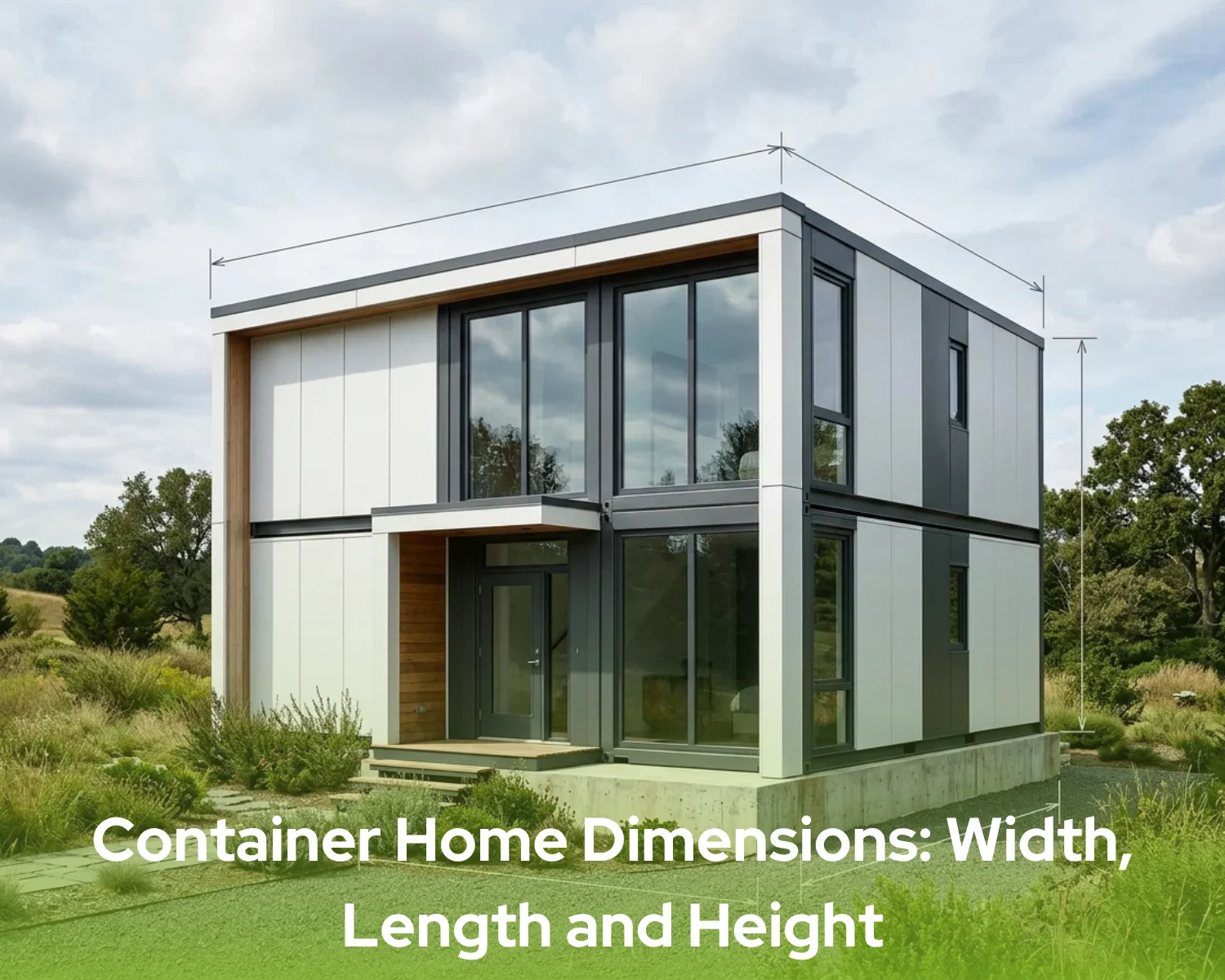
A prefabricated office is a modern building system where structural components are manufactured in a controlled factory environment and assembled at the project site.
When evaluating container office vs prefabricated office, prefabricated solutions provide more flexibility for businesses requiring long-term and customized workspaces. Main advantages of prefabricated offices include:
- Flexible architectural designs,
- Larger workspace options,
- Long-term usage capability,
- Customizable layouts,
- Better adaptation to specific project requirements.
Prefabricated offices are suitable for corporate offices, industrial facilities, commercial projects, and permanent workplace solutions.
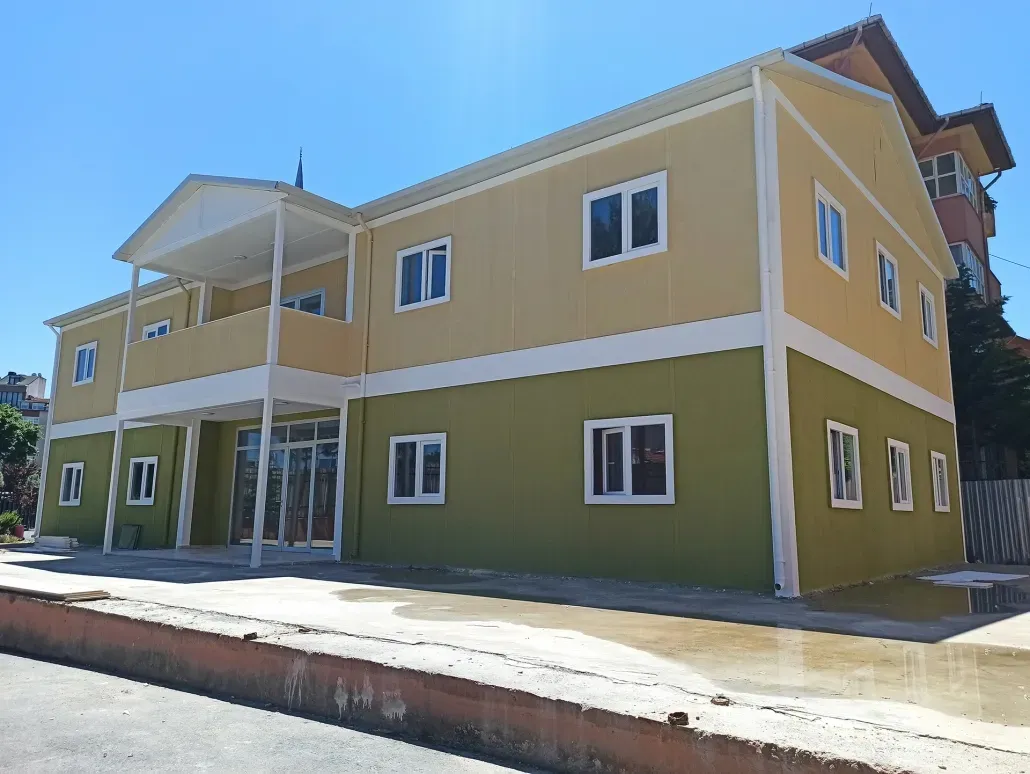
Container Office vs Prefabricated Office: Main Differences
The comparison between container office vs prefabricated office should be based on the purpose of use, project duration, and expected functionality.
| Comparison Criteria | Container Office | Prefabricated Office |
|---|---|---|
| Installation Time | Faster installation process | Depends on project size and design |
| Mobility | Easier to relocate | More suitable for fixed locations |
| Design Flexibility | Standard modular options | Higher customization possibilities |
| Usage Duration | Temporary and medium-term projects | Long-term projects |
| Application Areas | Construction sites, temporary offices | Corporate and permanent workplaces |
While container offices provide advantages for businesses needing fast installation and portable solutions, prefabricated offices are generally more suitable for larger and long-term projects.
Which One Is More Economical?
When comparing container office vs prefabricated office, cost evaluation should include more than the initial investment. Container offices can be more economical for short-term projects because they offer:
- Lower initial costs,
- Faster production,
- Reduced installation time.
Prefabricated offices may provide better long-term value because they offer:
- More customization options,
- Larger working areas,
- Better adaptation to future needs.
Based on our experience, evaluating only the purchase price can lead to incorrect decisions. Project duration, maintenance requirements, and future expansion possibilities should also be considered.
When Should You Choose a Container Office?
A container office is a practical solution for projects requiring quick and efficient workspace creation. Common usage areas include:
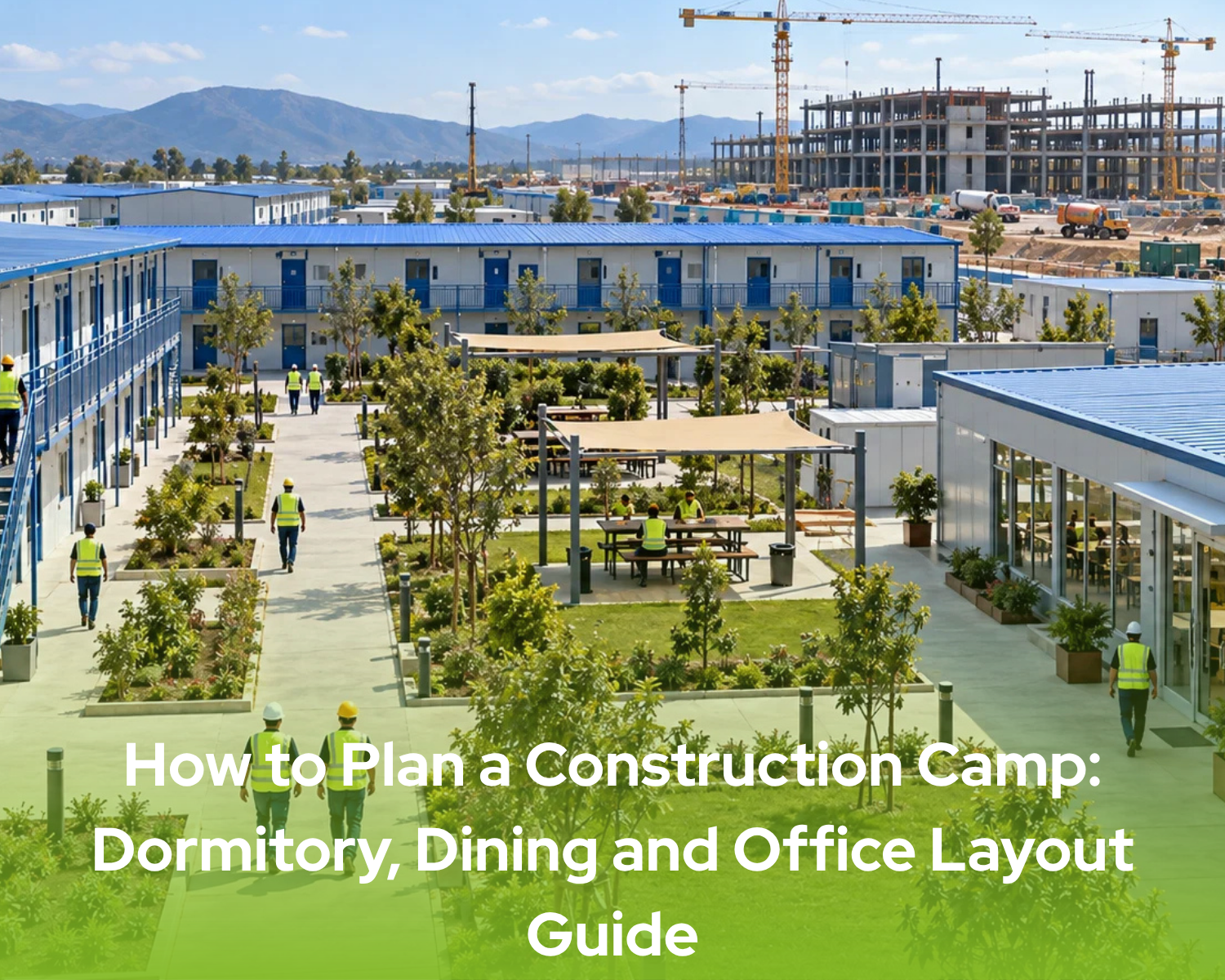
Construction Site Offices: Container offices provide comfortable and practical workspaces for project managers, engineers, and site teams during construction projects. They help improve project coordination by creating functional areas close to the working environment.
Temporary Project Offices: Container offices offer flexible workspace solutions for short-term projects where permanent buildings are not required. Their quick installation and modular structure make them ideal for temporary business needs.
Field Management Areas: These structures create efficient operational spaces for teams working in remote locations or large-scale project areas. They support daily management activities by providing practical office environments.
Emergency Workplaces: Container offices can be installed quickly to provide immediate working environments during urgent situations. Their fast setup capability makes them a reliable solution for temporary operational requirements.
Small-Scale Business Spaces: Container offices provide economical and functional office alternatives for small businesses and growing companies. They offer practical workspace solutions without requiring high construction costs.
For projects where speed is critical, container offices provide significant time advantages.
When Should You Choose a Prefabricated Office?
A prefabricated office is a better choice when businesses need a more permanent and customizable workspace.
Prefabricated offices are commonly used in corporate offices where businesses need modern and functional workspaces designed according to their organizational needs. They are also preferred in industrial facilities to create administrative and operational areas within factories, production sites, and large-scale projects.
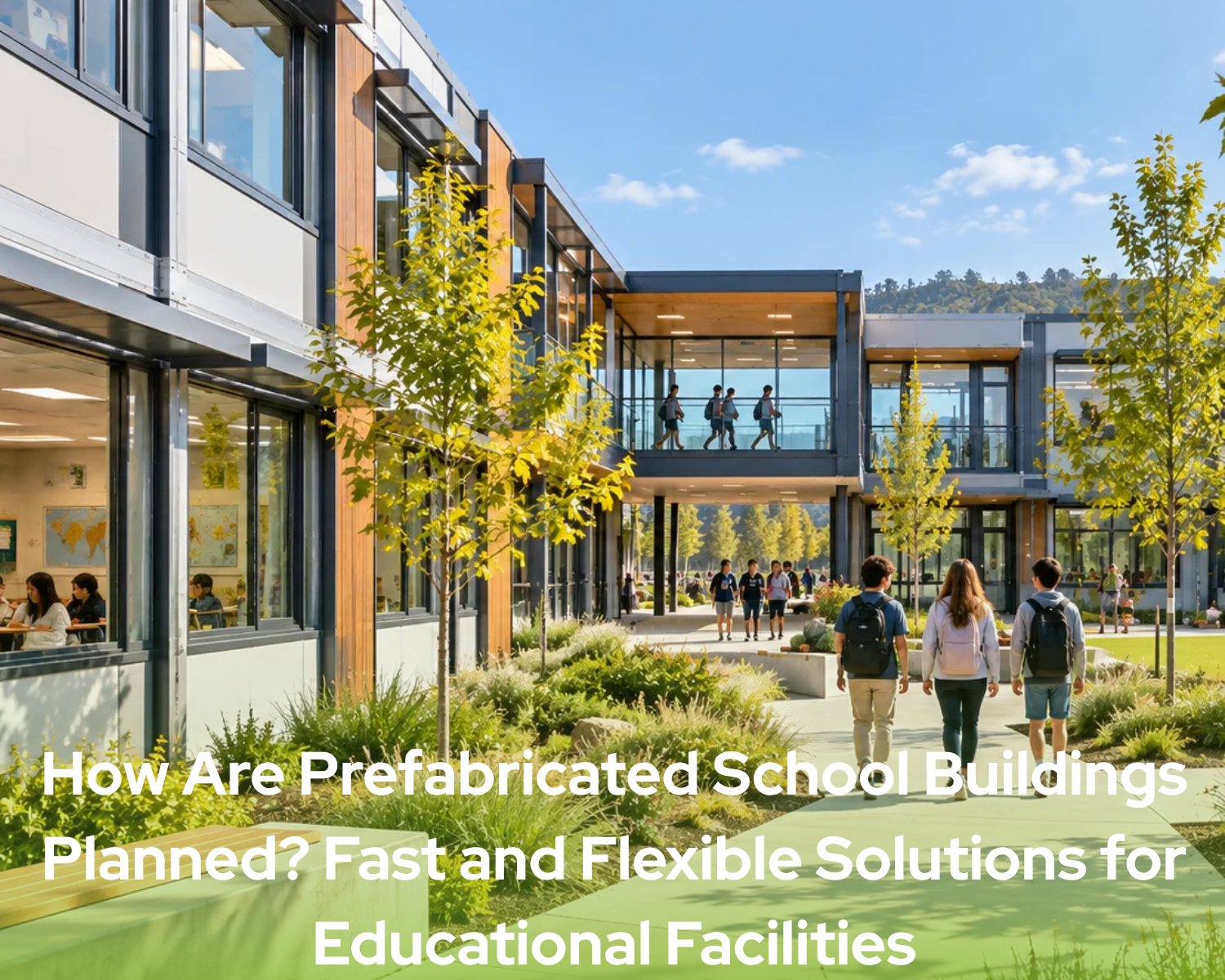
In addition, prefabricated office systems can be used for educational buildings such as classrooms, training areas, and additional learning spaces. They provide practical solutions for commercial projects that require flexible office areas, service spaces, or business facilities.
For companies planning long-term usage, prefabricated offices offer durable and customizable workplace solutions. With their design flexibility, efficient installation process, and long-lasting performance, they are an effective choice for organizations looking for reliable office environments.
Factors to Consider Before Choosing an Office Solution
The decision between container office vs prefabricated office should be based on several important factors.
Businesses should evaluate:
- Project duration,
- Number of employees,
- Required workspace size,
- Climate conditions,
- Insulation requirements,
- Future expansion needs,
- Transportation possibilities.
Especially in large-scale projects, defining requirements before production helps improve efficiency and prevents additional costs.
Installation Process and Project Planning
Both container offices and prefabricated offices require professional planning for successful installation.
The general process includes:
- Site analysis,
- Project design,
- Production preparation,
- Transportation,
- Installation,
- Final quality checks.
Proper planning ensures better performance, safety, and long-term usability.
Pramo’s Modular Office Solutions
Understanding container office vs prefabricated office helps businesses choose the right workspace solution according to their needs. At Pramo, we offer reliable modular office solutions designed for different industries, project sizes, and operational requirements.
You can explore Pramo’s container and prefabricated office solutions to find the most suitable option for your project.
Frequently Asked Questions
What is the difference between a container office and a prefabricated office?
The main difference is design flexibility, usage duration, and mobility. Container offices are suitable for quick and temporary solutions, while prefabricated offices are better for long-term customized projects.
Which is cheaper a container office or a prefabricated office?
The answer depends on project requirements. Container offices are usually more economical for short-term projects, while prefabricated offices can provide better long-term value.
Can container offices be moved?
Yes. One of the main advantages of container offices is their ability to be relocated when required.
Are prefabricated offices suitable for permanent use?
Yes. With proper materials and professional installation, prefabricated offices can provide durable long-term workspace solutions.