





















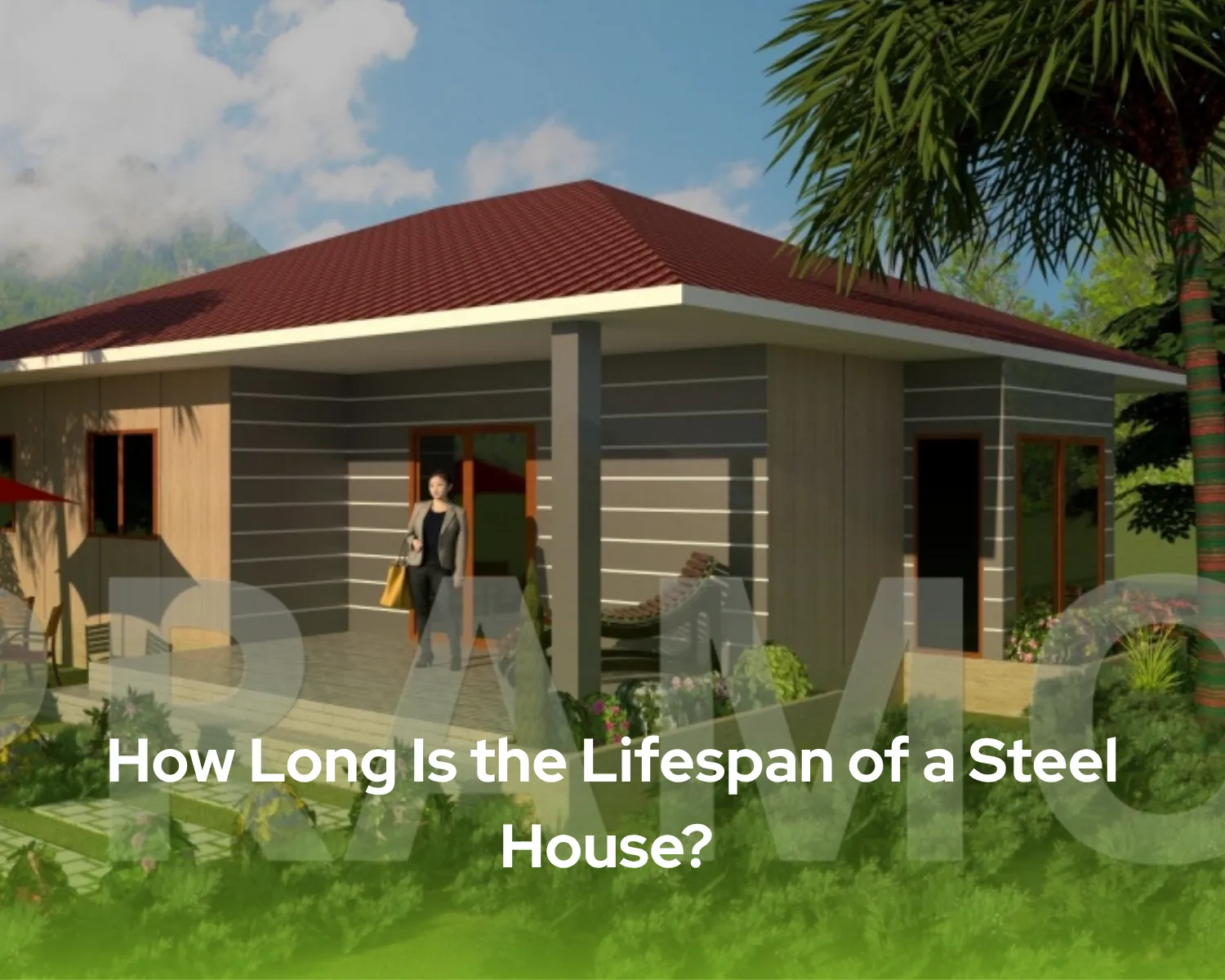
Steel houses are becoming increasingly popular for their durability, rapid construction, and modern aesthetics. At Pramo, we provide expert steel structure solutions designed to last decades while maintaining structural integrity. Homeowners and developers often ask how long is the lifespan of a steel house? This question is essential for investment planning, safety considerations, and understanding long-term maintenance requirements.
Steel houses use high-strength steel for load-bearing components such as columns, beams, and frames. Unlike traditional concrete or masonry homes, steel structures resist environmental stresses such as wind, seismic activity, and heavy loads, contributing to longer service life. In this article, we explore factors affecting steel house longevity, materials, maintenance practices, and best-in-class construction methods that Pramo employs to maximize durability.
What Is a Steel House?
A steel house is a type of building where the main structural elements such as beams, columns, and frames—are made from high-strength steel. Unlike traditional concrete or masonry homes, steel houses provide exceptional durability, flexibility, and resistance to environmental stresses like wind, seismic activity, and heavy loads. These structures allow for larger open spaces without requiring numerous supporting columns, making them ideal for residential, commercial, and industrial projects.Understanding “How Long Is the Lifespan of a Steel House?” starts with knowing its structural composition.
At Pramo, steel houses are designed to combine modern aesthetics with engineering precision. Prefabricated steel components are manufactured in controlled factory environments, ensuring consistent quality and rapid on-site assembly. The use of steel not only ensures long-term structural integrity but also supports sustainable construction practices, as steel is fully recyclable and factory production minimizes on-site waste.This approach helps answer the question: “How Long Is the Lifespan of a Steel House?” effectively.
Factors Influencing Steel House Lifespan
The lifespan of a steel house is not a fixed number; it depends on multiple factors:
- Material Quality: Using corrosion-resistant steel and high-quality coatings extends structural life.
- Design and Engineering: Proper load distribution, seismic design, and modular integration reduce stress on structural components.
- Construction Methods: Factory-controlled fabrication ensures precise assembly and reduces defects that can shorten lifespan.
- Maintenance: Periodic inspections, protective coatings, and upkeep of joints prevent premature degradation.
- Environmental Conditions: Climate, humidity, and exposure to corrosive elements influence steel longevity.
Pramo integrates these considerations into every project to ensure steel homes remain safe, durable, and efficient for decades. Every Pramo solution answers the homeowners’ core concern how long is the lifespan of a steel house?.
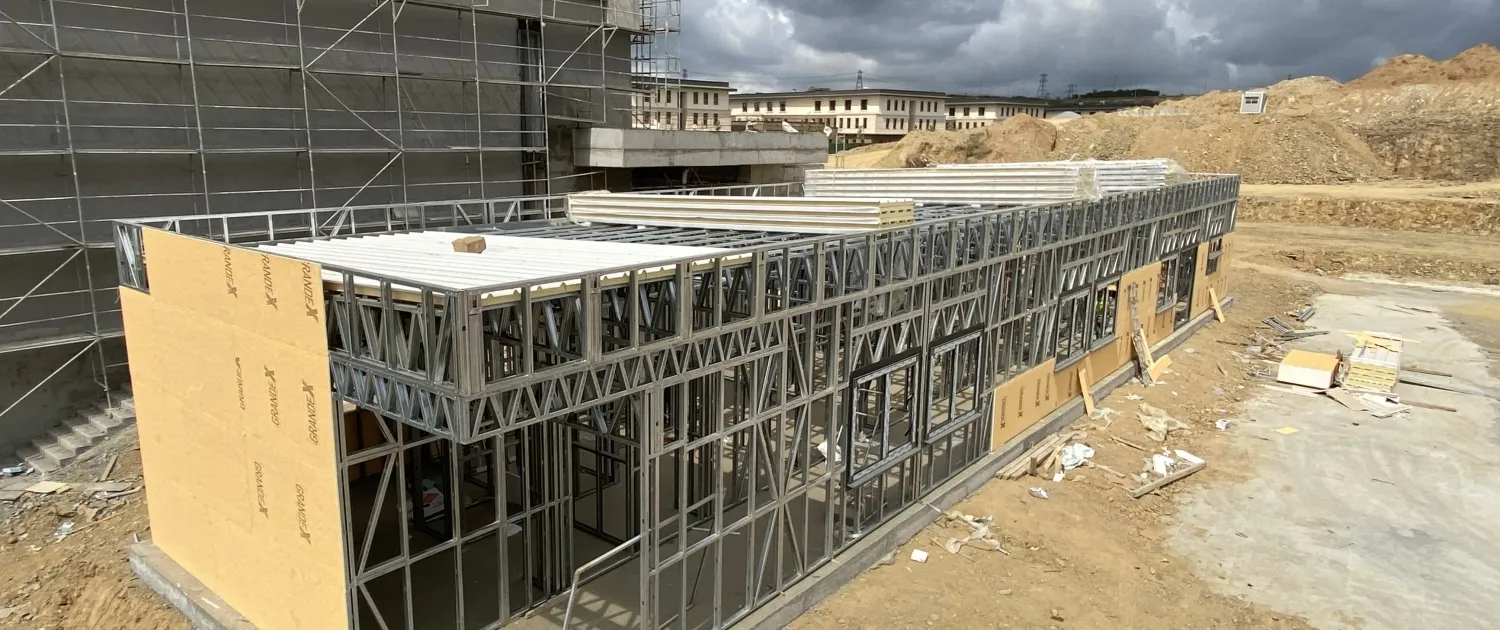
Steel Frames and Structural Resilience
High-quality steel frames form the backbone of durable prefab homes. They:
- Absorb seismic energy, reducing earthquake damage
- Resist warping, bending, or cracking under stress
- Enable open-plan designs and multi-story structures without compromising strength
These attributes make steel homes particularly advantageous in earthquake-prone or high-wind regions. Understanding how long is the lifespan of a steel house involves assessing these structural advantages
Differences of Light Steel vs Normal Steel
Steel houses can be built using either light steel or conventional steel frameworks. Understanding the differences is essential for selecting the optimal structure for your project:
| Feature | Light Steel | Normal Steel |
|---|---|---|
| Weight | Lightweight, reducing foundation load | Heavier, requires stronger foundation |
| Ease of Construction | Prefabricated, faster on-site assembly | On-site fabrication, longer construction time |
| Flexibility | Easily adaptable for modular and multi-story designs | Less flexible, more rigid structures |
| Durability | Highly resistant to corrosion and deformation | Extremely strong, ideal for industrial load-bearing |
| Cost | Lower transportation and labor costs | Higher initial material and labor costs |
| Energy Efficiency | Can integrate insulation easily in prefabricated panels | Insulation requires additional construction efforts |
Pramo’s light steels are often preferred for residential prefabricated projects due to speed, energy efficiency, and cost-effectiveness, while normal steel is ideal for heavy industrial or high-rise commercial projects.
Protective Coatings and Cladding
Exterior protective coatings and wall cladding significantly increase steel house longevity:
- Zinc or galvanization layers prevent rust
- Modern composite panels or fibercement cladding offer insulation and shield against moisture
- Regular inspection and maintenance of coatings prolong structural integrity
Pramo uses advanced cladding systems optimized for both aesthetics and durability.
What Are Steel Homes Maximum Longevity?
Even with high-quality materials, steel homes require routine maintenance:
| Maintenance Task | Description |
|---|---|
| Annual Inspections | Check for rust, loose joints, and panel integrity. |
| Cleaning and Coating | Remove dirt and debris; reapply protective coatings if needed. |
| Structural Reinforcement | Adjust or reinforce joints after extreme weather events. |
| Mechanical Systems Maintenance | HVAC, plumbing, and electrical systems contribute to overall durability. |
Following these practices, a well-built steel house can easily last 50 years or more.
Environmental and Sustainable Advantages of Steel House
Steel houses not only provide durability and flexibility but also deliver significant sustainability benefits, making them a responsible choice for environmentally conscious homeowners.Steel structures also support sustainability:
| Feature | Description |
|---|---|
| Recyclable Materials | Steel is a 100% recyclable material that retains its structural strength after recycling. By choosing a steel home, owners contribute to reducing the demand for virgin resources, supporting a circular economy. |
| Reduced On-Site Waste | Prefabrication allows steel components to be manufactured under controlled factory conditions, minimizing material waste during production. On-site assembly is faster and generates less debris compared to conventional construction methods. |
| Energy-Efficient Insulation | Modern steel homes incorporate insulation systems that limit heat loss and reduce energy consumption for heating and cooling. This lowers operational costs and decreases the overall environmental footprint of the building. |
| Long-Term Durability | Steel’s resistance to corrosion, deformation, and external weather conditions ensures that homes maintain their structural integrity for decades, reducing the need for frequent repairs or rebuilds. |
| Integration with Sustainable Systems | Steel structures easily accommodate renewable energy technologies such as solar panels, enhancing energy self-sufficiency and further reducing environmental impact. |
By selecting a steel home from Pramo, owners benefit from durability and eco-conscious construction.
Prefab Steel vs Traditional Construction
| Feature | Steel House | Traditional Concrete/Brick House |
|---|---|---|
| Lifespan | 50+ years with proper maintenance | 30–50 years, depends on materials |
| Structural Flexibility | High, resists seismic & wind forces | Moderate, prone to cracking |
| Construction Speed | Fast due to prefabrication | Longer on-site construction times |
| Maintenance | Minimal, periodic inspections | Medium, may require frequent repairs |
| Sustainability | Steel recyclable; low site waste | Less recyclable; more construction waste |
How long is the lifespan of a steel house? With Pramo’s engineered steel structures, protective coatings, and proper maintenance, these homes are designed to last 50 years or more. Steel homes combine resilience, energy efficiency, modular flexibility, and aesthetic design, making them a smart investment for residential, commercial, or hybrid projects.
Frequently Asked Questions
What is a steel house?
A steel house is a building constructed with steel as the main structural material, providing high durability, flexibility, and seismic resistance.
Are steel houses earthquake-resistant?
Yes. Steel’s elasticity allows it to absorb seismic energy, making steel houses safer in earthquake-prone areas.
How long does a steel house last?
With proper maintenance, steel houses can last 50 years or more, maintaining structural integrity and aesthetic appeal.
Can steel houses be used for prefabricated homes?
Absolutely. Steel is ideal for prefabricated modular homes, allowing fast assembly, consistent quality, and long-term durability.