





















As global populations grow, urban density increases, and housing costs continue to rise, the demand for new-generation living solutions has become stronger than ever. At this point, micro homes have emerged as one of the most efficient responses to the modern world’s economic and sustainable housing needs. Combining smart design, modular architecture, and a minimalist lifestyle, these homes prove that high comfort can be achieved even within compact spaces.
In this comprehensive guide, we explore what micro homes are, how they are designed, who they are ideal for, and why they are rapidly gaining popularity around the world.
1. What Are Micro Homes? The New Model of Modern Minimalism
Micro homes typically range between 12 m² and 40 m² and are designed to offer maximum functionality within a compact footprint. Tailored for individuals who embrace minimalist living, these homes utilize:
-
Smart storage solutions
-
Transformable furniture
-
Highly efficient space planning
They are not just “small houses” they represent an environmentally conscious lifestyle. With lower energy consumption, reduced maintenance costs, and mobility advantages, they stand out as a sustainable housing alternative.

2. Why Are Micro Homes Becoming So Popular?
As urban living spaces shrink and rental prices rise, micro homes have quickly gained traction among various demographic groups worldwide. Today home developments are preferred by:
-
Single occupants
-
Young professionals
-
Students
-
Digital nomads
-
Sustainability-conscious individuals
Key reasons for their growing popularity include:
-
Affordable living costs
-
Lower energy usage
-
Reduced upfront investment
-
Minimalist and nature-oriented lifestyle
-
Fast installation with modular building technology
-
Easy access to city centers
Micro homes offer a modern response to the financial and spatial challenges of traditional housing.
3. Architectural Principles Behind Micro Home Design
Despite their size, micro homes rely on meticulous architectural planning. The goal is simple: maximize usability within the smallest possible footprint.
3.1 Multi-Purpose Furniture
Transformable furniture lies at the heart of micro home efficiency:
-
Beds that convert into desks
-
Seating units with built-in storage
-
Modular cabinets configured to suit different needs
3.2 Smart Storage
Ceiling-height shelving, hidden compartments, and integrated wardrobes make compact living effortless.
3.3 Open-Plan Layout
Reducing interior walls creates a spacious visual flow.
3.4 Natural Lighting
Well-positioned windows and light-enhancing materials make small areas feel larger.
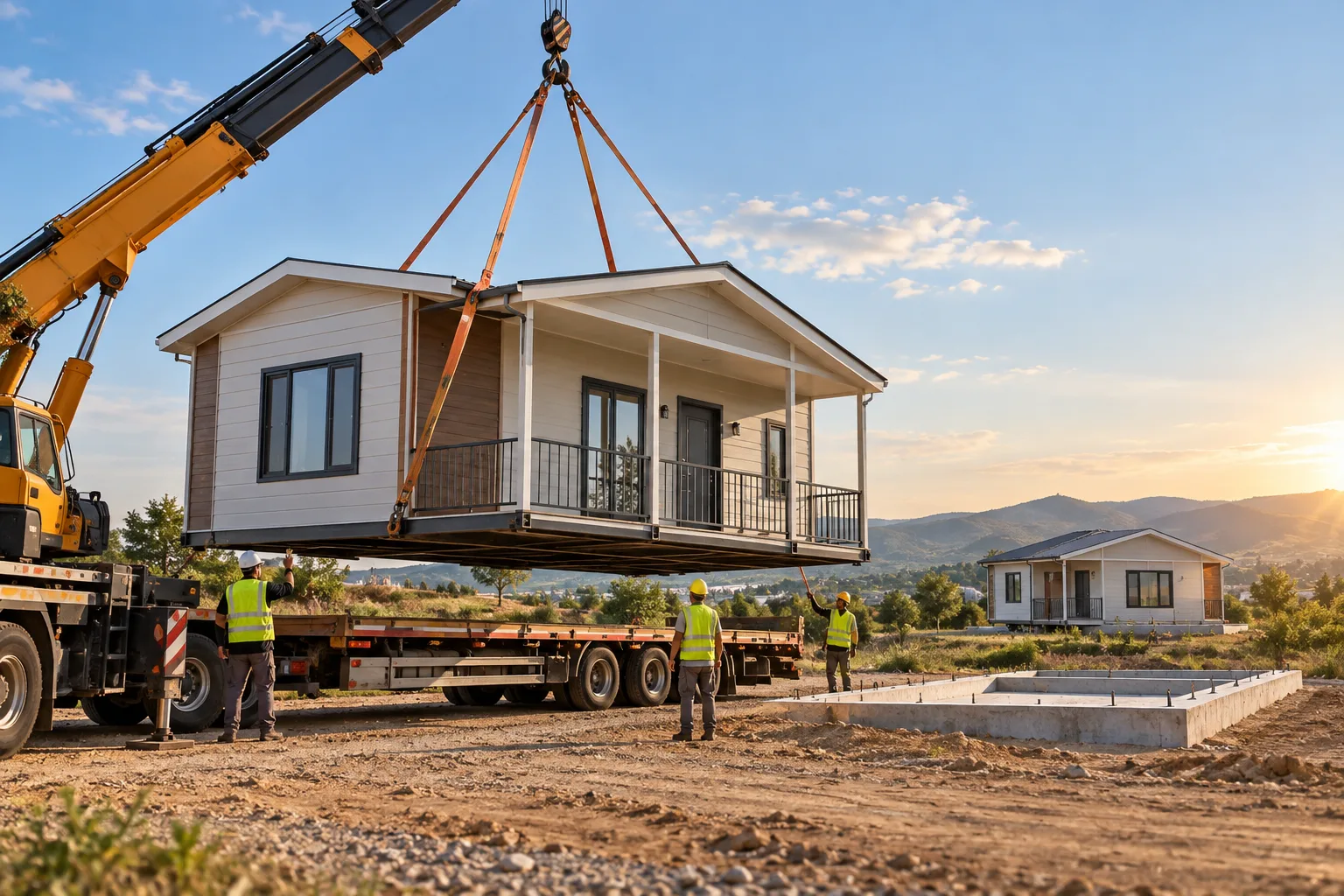
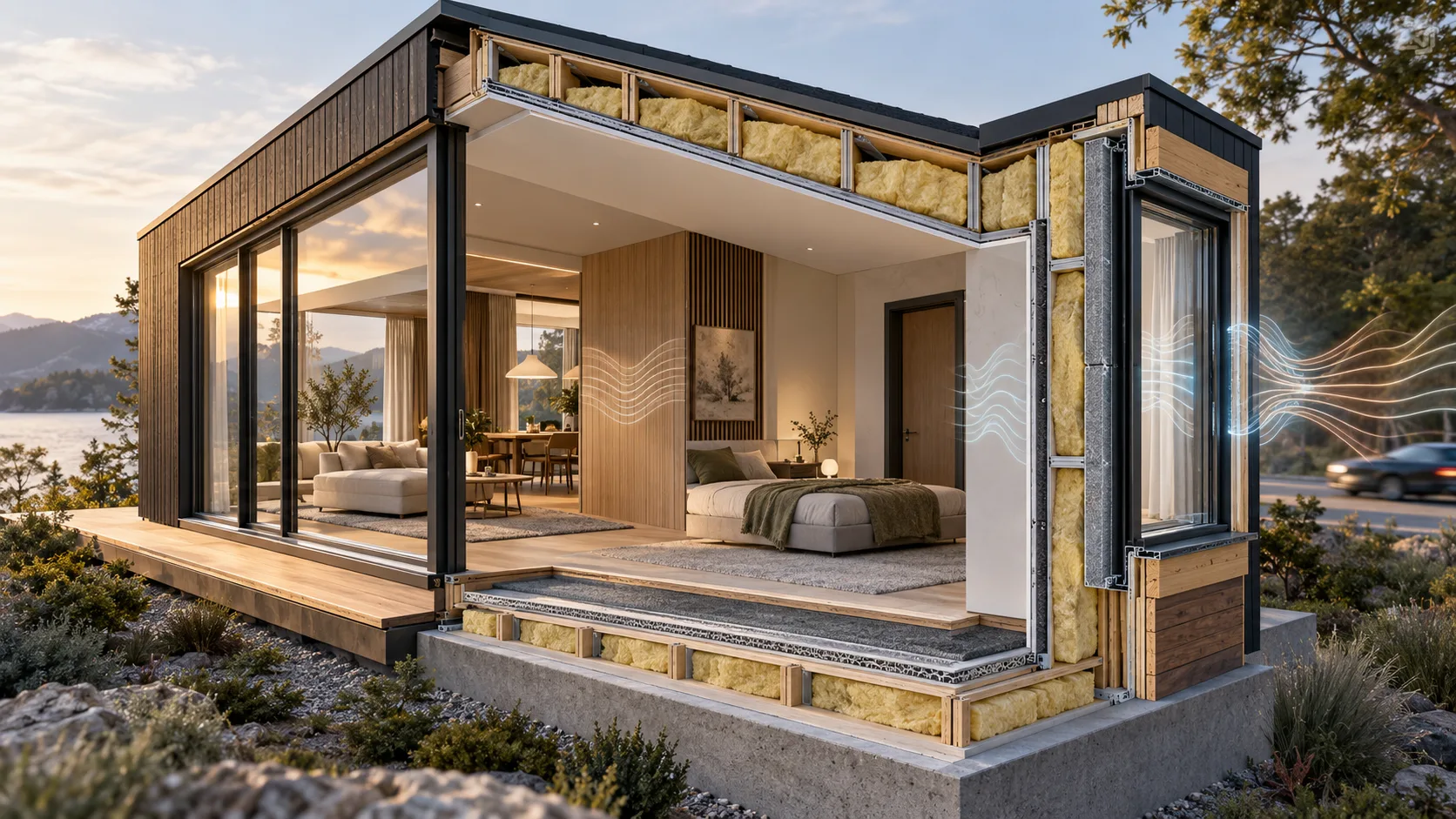
Micro homes are frequently produced using modular construction techniques—an approach that enables fast installation, long-term structural durability, and highly sustainable building performance. Pramo’s advanced modular building systems offer the same production efficiency and quality consistency at larger scales, while the company’s light steel homes provide exceptional strength, insulation, and energy efficiency for permanent residential solutions.
4. Who Are Micro Homes Designed For?
Micro homes cater to a diverse range of lifestyles:
4.1 Young Professionals
Affordable, accessible, and modern urban living.
4.2 Students
A cost-effective housing alternative with proximity to city centers or campuses.
4.3 Minimalists
Perfect for those who prioritize simplicity, low consumption, and freedom.
4.4 Holiday & Nature Retreats
Micro homes also serve as portable vacation homes in natural or coastal areas.
4.5 Additional Living Units
They can also be used as:
-
Guest houses
-
Garden offices
-
Studios or ateliers
-
Secondary residential units
5. The Power of Modular Technology in Micro Home Construction
Micro homes pair exceptionally well with modular building systems. For manufacturers like Pramo, modular micro home production offers strategic advantages.
Benefits of modular micro home construction:
-
Rapid production timelines
-
Factory-controlled quality
-
Easy transportation
-
Minimal onsite waste
-
Superior energy efficiency
-
Long-lasting structural components
Micro homes and Pramo’s light steel construction methods are a highly compatible combination for global markets.
6. Advantages of Living in a Micro Home
6.1 Cost-Effective Lifestyle
Lower rent or purchase costs, minimal utility expenses, and reduced maintenance.
6.2 Environmentally Friendly
Small footprint → less consumption → reduced carbon emissions.
6.3 Mobility
Portable and modular units can be relocated when needed.
6.4 Minimalist Life Approach
Ideal for individuals seeking simplicity, clarity, and intentional living.
7. The Future of Micro Homes and Prefabricated Living
These homes are becoming a focal point in the future of urban planning. Worldwide, new developments are adopting micro home principles for:
-
Affordable housing
-
Student villages
-
Community living projects
-
Smart micro-neighborhoods
For industry leaders like Pramo, this trend presents a significant expansion opportunity in international modular housing markets.
Micro Homes as the Key to New-Generation Living
Micro homes deliver a surprisingly spacious living experience within minimal square meters and align perfectly with the demands of modern life. Sustainable, economical, and functional — they offer a compelling housing solution for both individuals and forward-thinking developers.
When combined with modular building technology, micro homes stand out as one of the most promising residential models of the future.