





















The global housing landscape is undergoing a radical transformation. As urbanization intensifies and the desire for sustainable, minimalist lifestyles grows, traditional brick-and-mortar construction is being challenged by more innovative solutions. Enter pod homes—the pinnacle of modern, modular architecture. These compact, highly efficient living pods are redefining what it means to own a home in 2026, offering a blend of mobility, technology, and eco-friendly design that traditional houses simply cannot match.
At Pramo, we are at the forefront of this architectural evolution. We believe that a home should adapt to your life, not the other way around. Whether you are looking for a backyard office, a guest house, or a fully independent off-grid residence, our pod homes provide the ultimate solution. In this 1600-word guide, we will explore everything you need to know about the rise of living pods and why they are the smartest investment for the modern era.
What Are Pod Homes? Defining the New Standard
To understand why pod homes are trending, we must first define them. A pod home is a self-contained, modular living unit that is typically prefabricated in a factory setting and then transported to its final location. Unlike standard mobile homes, living pods are engineered with high-end materials, architectural precision, and integrated smart technology.
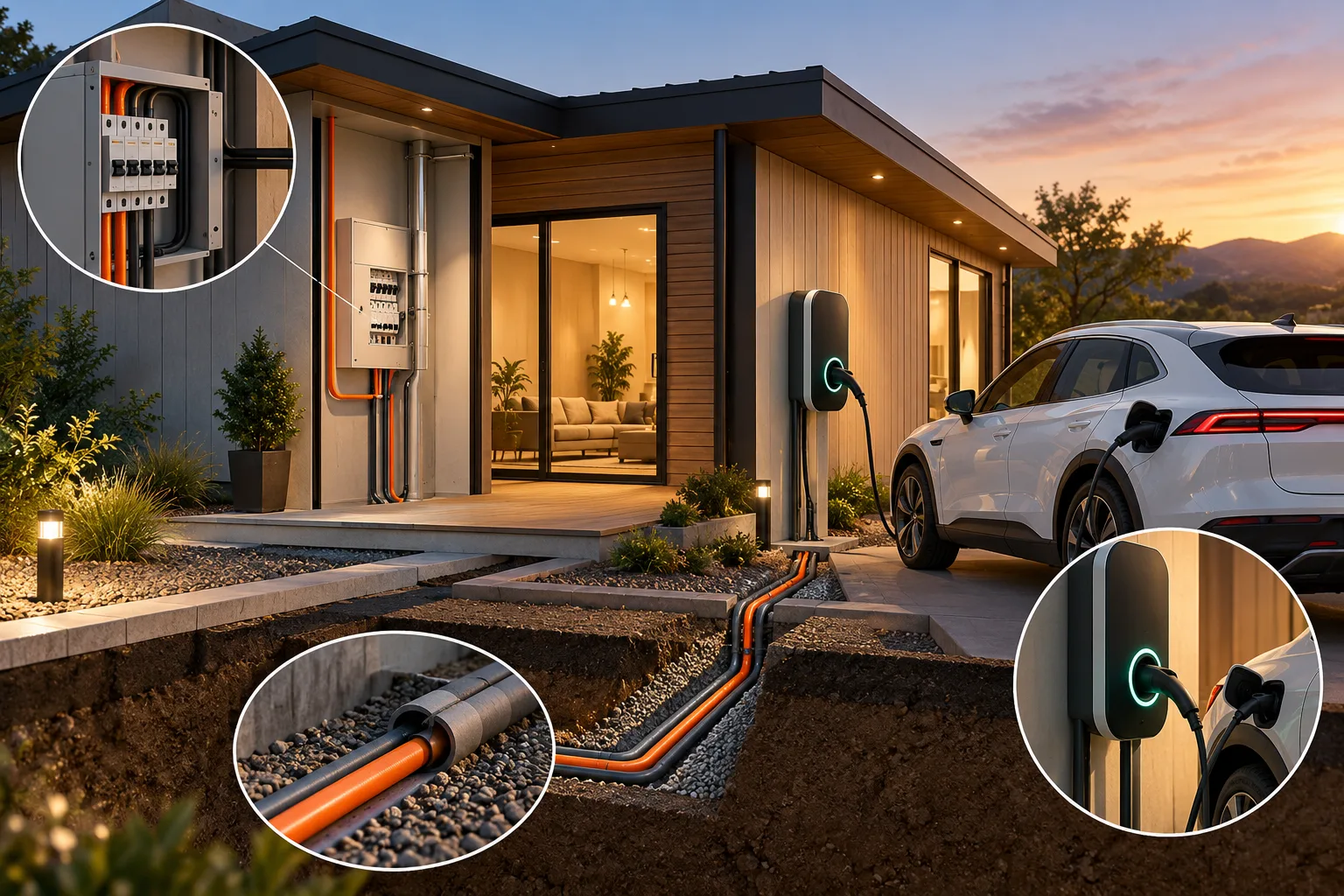
According to Modular Building , modular construction allows for up to 90% of the work to be completed off-site, which significantly reduces waste and construction time. This efficiency is the backbone of the pod homes movement. These units are often designed to be “plug-and-play,” meaning they arrive on-site with electrical, plumbing, and HVAC systems ready to be connected.
The Versatility of Living Pods: Beyond Just Housing
One of the primary reasons living pods have gained immense popularity is their incredible versatility. They are no longer just “tiny houses”; they are multi-functional spaces that serve various purposes:
- Residential Annexes: Homeowners use pod homes as ADUs (Accessory Dwelling Units) to provide a private space for aging parents or adult children.
- Remote Work Hubs: With the permanent shift toward remote work, living pods serve as the perfect garden office, offering a quiet, professional environment away from the main house.
- Eco-Tourism and Glamping: Developers are using clusters of pod homes to create sustainable resorts in remote areas without damaging the natural landscape.
- Emergency Housing: Due to their rapid deployment capabilities, living pods are essential for providing high-quality shelter in disaster-stricken areas.
Pod Homes vs. Prefabricated Homes: The Ultimate 2026 Comparison Guide
The global housing market is shifting toward faster, smarter, and more sustainable construction methods. For those looking to escape the high costs and long timelines of traditional brick-and-mortar builds, two primary contenders have emerged: pod homes and prefabricaed homes. While both are born in a factory, they serve very different lifestyles and architectural goals.
At Pramo, we specialize in both high-end living pods and expansive prefabricated homes, giving us a unique perspective on which structure suits which client. In this 1600-word deep dive, we will compare these two modern marvels to help you decide which investment is right for your land and your future.
Why Choose Pod Homes?
If you are considering investing in living pods, it is essential to weigh the benefits against traditional construction. Here is why pod homes are winning the race:
Speed of Delivery
A traditional house can take 12 to 18 months to build. A pod home from Pramo can be manufactured and installed in a fraction of that time. Because the production happens in a controlled factory environment, there are no weather delays or contractor disputes to slow down the process.
Sustainability and Efficiency
Pod homes are inherently greener. Factory production allows for precise material cutting, which virtually eliminates construction waste. Furthermore, most living pods are designed with superior insulation and energy-efficient systems, significantly lowering your carbon footprint.
Cost Predictability
Construction budget overruns are a nightmare for most homeowners. With pod homes, the price is often fixed from the start. Since the majority of the work is standardized, you won’t encounter the “hidden costs” that usually arise during on-site builds.
Mobility
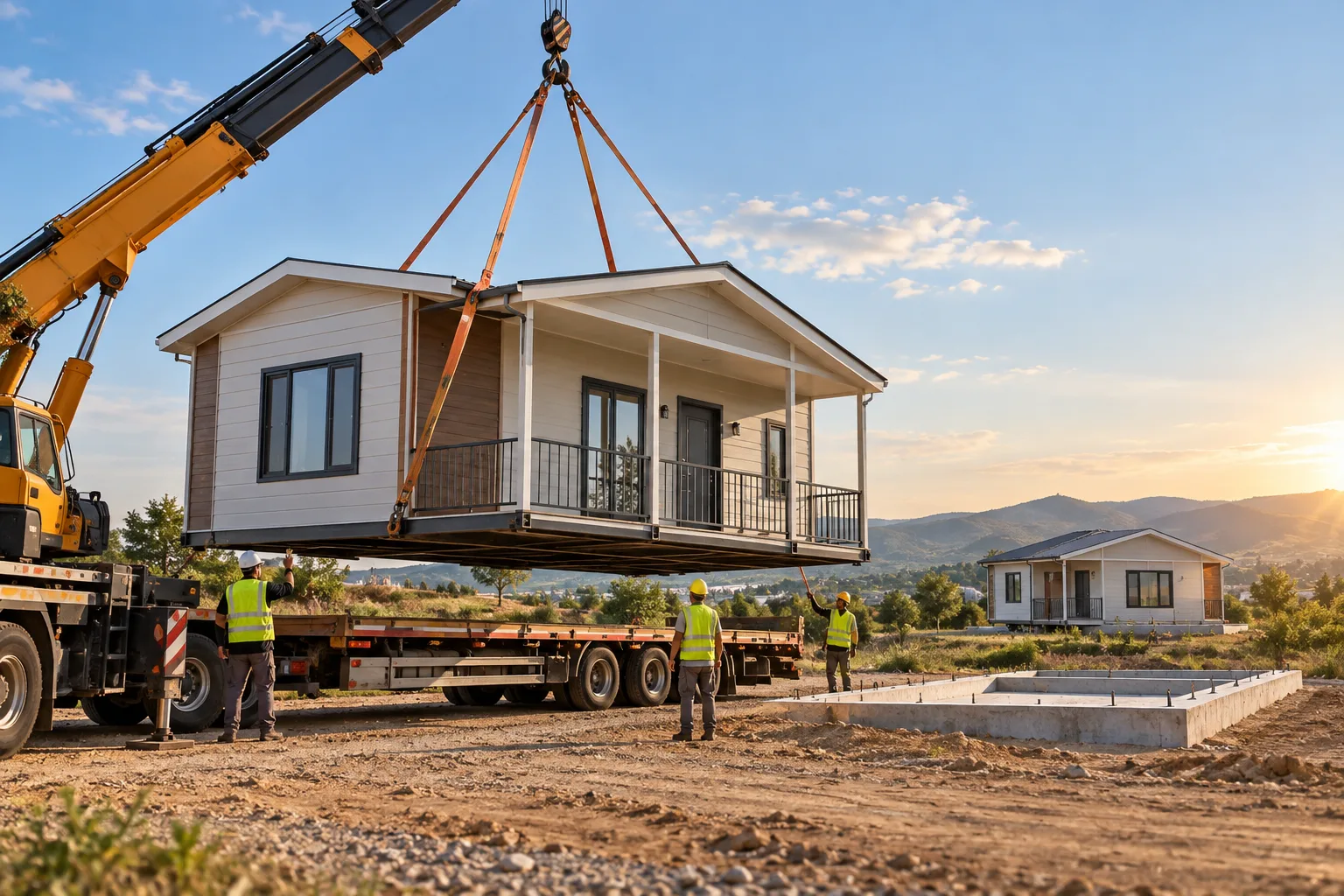
Need to move? In many cases, your living pods can move with you. Their modular nature allows them to be lifted by crane and transported via truck to a new location, making them a truly liquid asset.
Engineering Excellence: Inside a Pramo Pod Home
At Pramo, we don’t just build boxes; we engineer high-performance living pods. Our construction process focuses on three pillars: durability, aesthetics, and comfort.
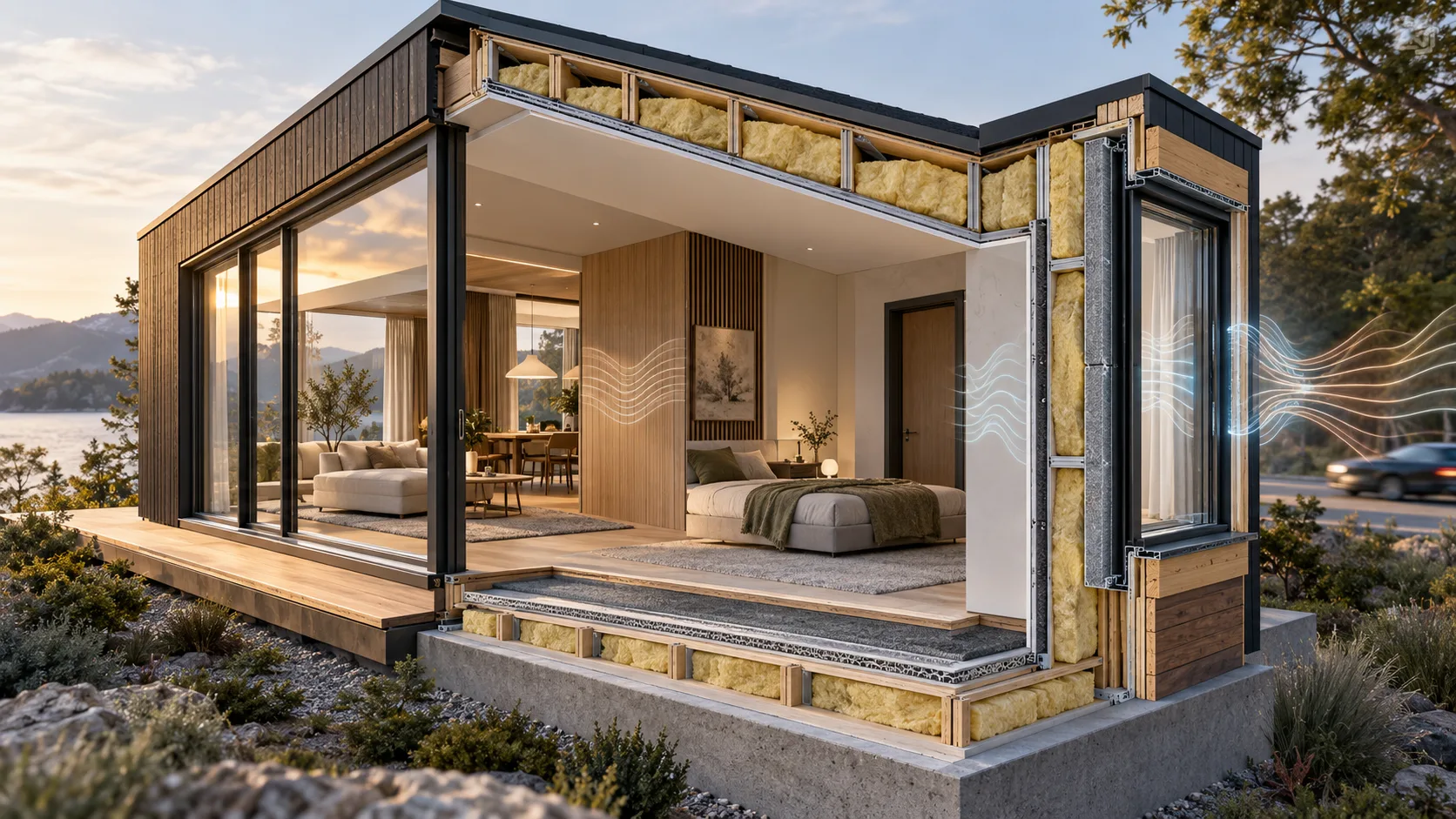
The structural integrity of our pod homes is based on high-grade galvanized steel frames. This ensures that the unit is earthquake-resistant and capable of withstanding extreme weather conditions, from heavy snow loads to high coastal winds. Inside, we use premium insulation materials like rock wool or polyurethane, ensuring that your living pods remain energy-efficient year-round.
If you are interested in the technical specifications of our modular units, you can explore our Prefabricated Technical Details to see how we maintain such high quality across all our builds.
Design Trends in Pod Homes for 2026
The aesthetic of pod homes has come a long way. The “industrial box” look has been replaced by “organic modernism.” Some of the top trends we are seeing in living pods this year include:
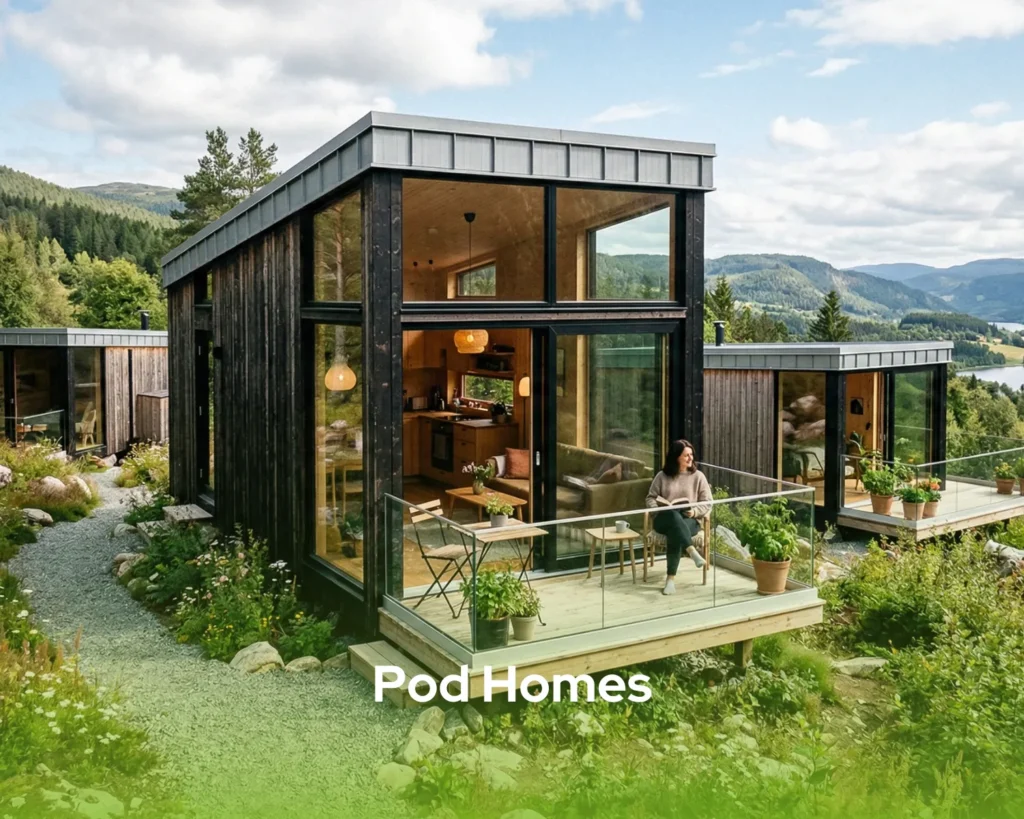
- Biophilic Design: Integrating large floor-to-ceiling windows to blur the lines between the indoors and outdoors.
- Smart Automation: Fully integrated IoT systems that allow owners to control lighting, temperature, and security of their pod homes via smartphone.
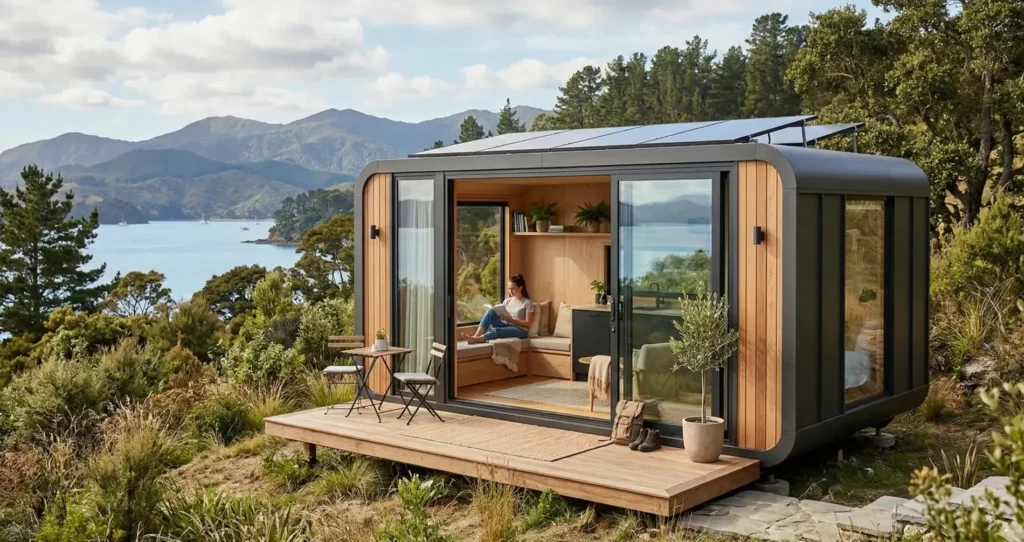
- Hybrid Materials: Combining sleek metal exteriors with warm wood interiors to create a cozy yet modern atmosphere.
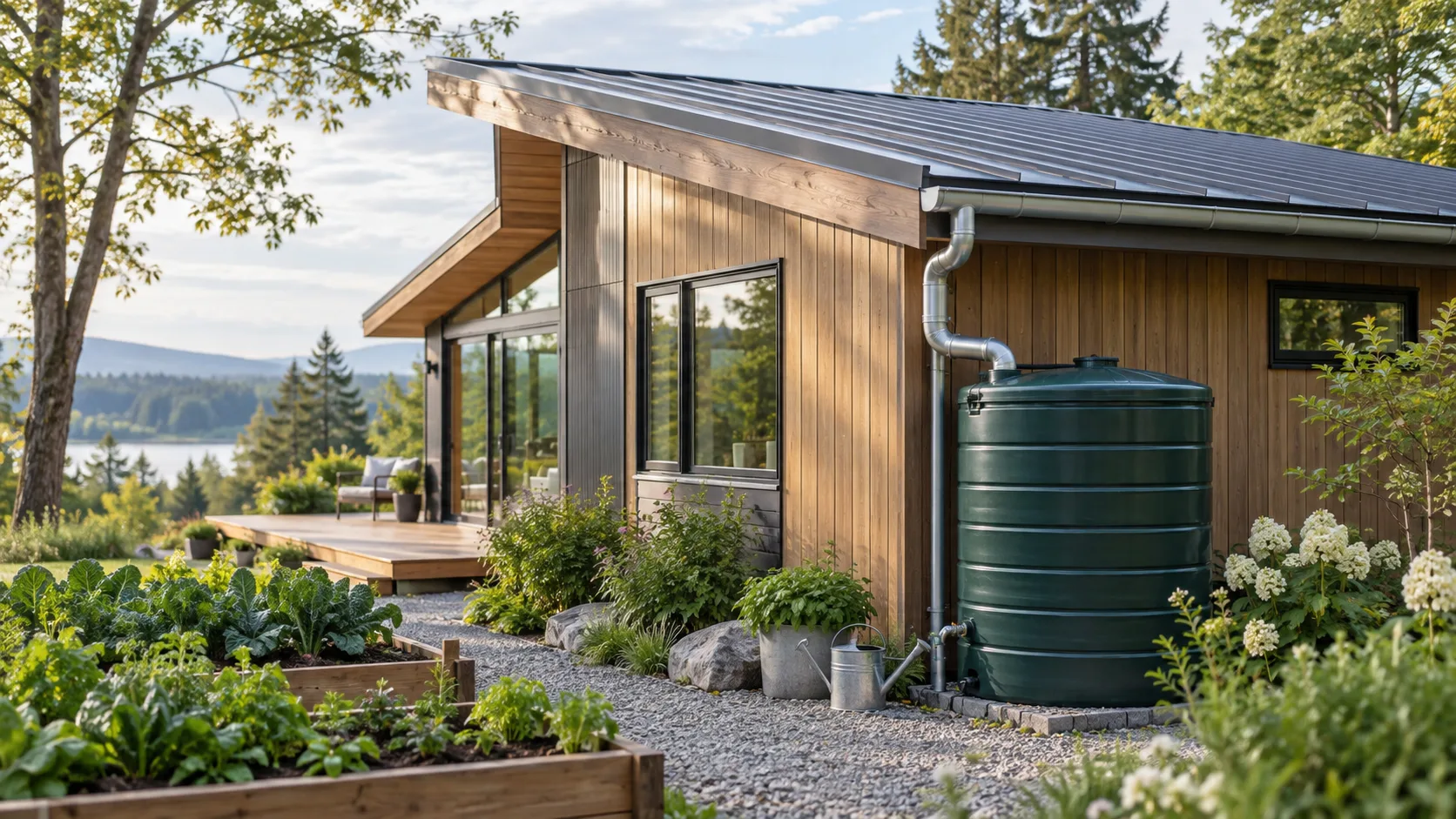
- Off-Grid Capabilities: An increasing number of living pods are being fitted with solar arrays and rainwater harvesting systems for total independence.
The Legal Landscape: Permits and Regulations
A common question is: “Where can I legally place pod homes?” While regulations vary by country and municipality, the trend is shifting toward more lenient zoning for modular units. In many regions, living pods are categorized as “temporary structures” or “ADUs,” which simplifies the permitting process.
However, it is vital to consult with your local planning department before purchasing. At Pramo, we assist our clients by providing the necessary architectural drawings and technical data required for pod homes permit applications. Ensuring your living pods are compliant with local building codes is the first step toward a stress-free living experience.
Maximizing Space: Interior Solutions for Living Pods
Living in a compact space requires smart design. The best pod homes utilize every square inch effectively. Innovative furniture solutions, such as Murphy beds, foldable desks, and hidden storage compartments, are essential components of high-quality living pods.
By choosing a minimalist interior, you can make a 30-square-meter pod home feel as spacious as a traditional apartment. The key is light and height; high ceilings and strategic mirror placements can transform the feel of your living pods instantly.
Financial Aspect: Are Pod Homes a Good Investment?
From an investment perspective, pod homes offer a unique advantage. They have a lower entry price point compared to traditional real estate, making them accessible to a wider range of buyers. Additionally, the high demand for short-term rentals (like Airbnb) means that owners of living pods can see a return on investment (ROI) much faster than with conventional properties.
Because pod homes are durable and low-maintenance, the long-term cost of ownership is significantly lower. You won’t be dealing with roof leaks or foundation cracks that plague older homes.
Challenges and Considerations
While we are advocates for living pods, it is important to be realistic. Potential owners of pod homes should consider:
- Site Preparation: You still need a flat surface, utility connections, and a proper foundation (like a concrete slab or screw piles).
- Access: Can a large truck and crane reach your property? This is a crucial logistical check for any pod home delivery.
- Financing: While getting a mortgage for living pods is becoming easier, some traditional banks are still catching up to the modular housing trend.
Embrace the Pod Life with Pramo
The rise of pod homes is not just a passing fad; it is a response to a changing world that demands flexibility, sustainability, and efficiency. Whether you are looking to downsize, create a backyard retreat, or launch a tourism business, living pods offer a futuristic and reliable solution.
At Pramo, we combine years of expertise in prefabricated construction with a passion for modern design. Our pod homes are built to last, designed to inspire, and engineered to provide the comfort you deserve.
Are you ready to join the modular revolution? Explore our range of living pods today and take the first step toward a smarter way of living.