





















The global housing market is undergoing a massive transformation. With rising material costs and a growing demand for sustainable solutions, more people than ever are asking one fundamental question: what is a prefab house? Once considered a temporary or low-quality option, today’s prefab homes represent the cutting edge of architectural design and engineering excellence.
At Pramo Prefabricated, we believe that understanding the technology behind your home is the first step toward a smarter investment. In this comprehensive guide, we will break down the mechanics of prefabricated construction, explore the different types of prefab homes, and explain why this method is outperforming traditional building techniques in the modern era.
What is a Prefab House?
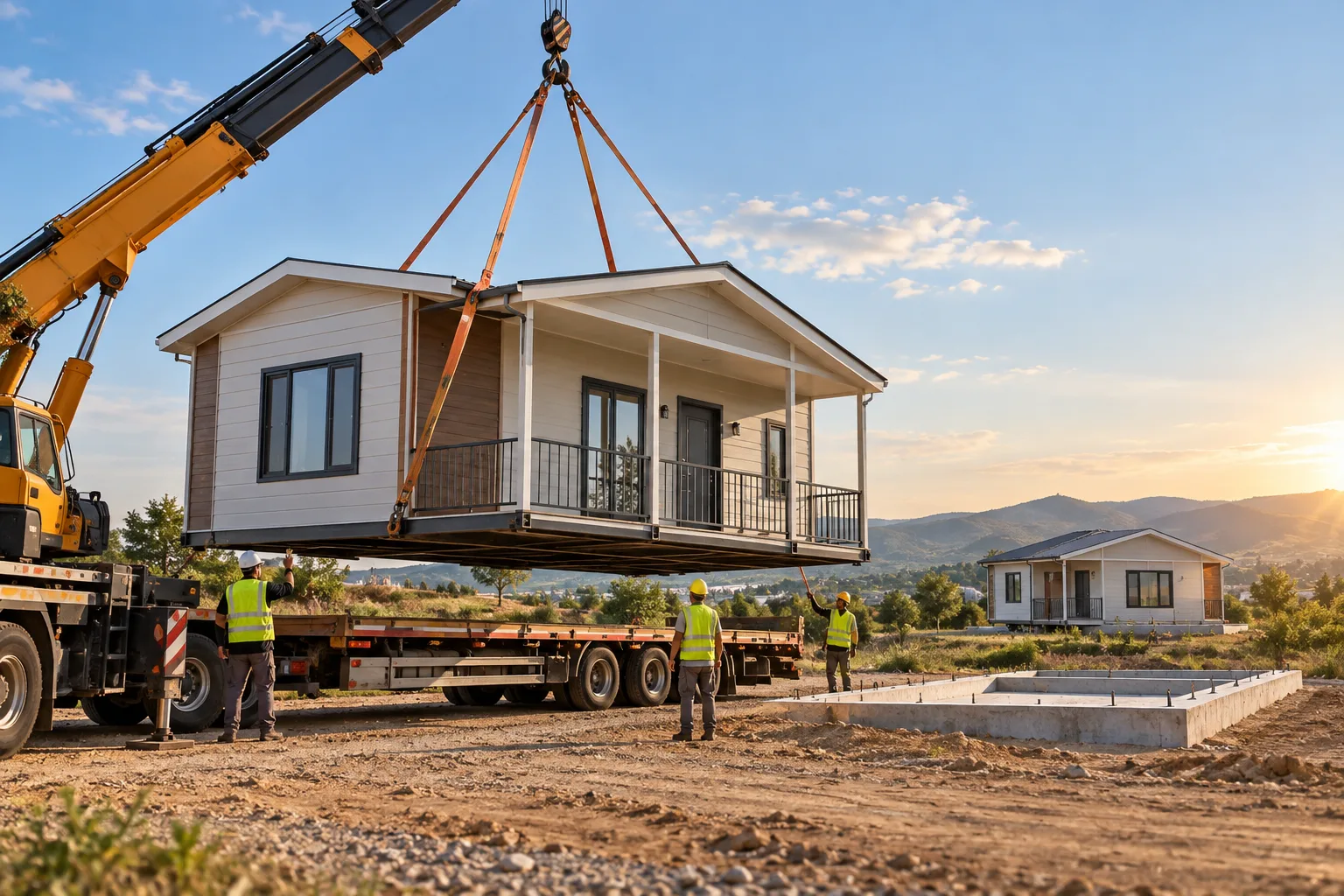
To answer what is a prefab house simply: it is a dwelling built off-site in a factory environment before being transported to its final destination for assembly. Unlike a traditional “stick-built” home, where every brick and beam is placed on-site exposed to the elements, prefab homes are manufactured under strict quality-controlled conditions.
The term “prefab” is an umbrella for several different construction methods, including modular, panelized, and light steel structures. Regardless of the specific type, the core philosophy remains the same: efficiency, precision, and speed.
The Evolution of Prefab Homes
If you are wondering what is a prefab house in terms of history, you might be surprised to learn that the concept is centuries old. However, the prefab homes of 2026 are light-years ahead of their predecessors. Modern versions utilize aerospace-grade engineering and high-performance materials like light steel and advanced composites.
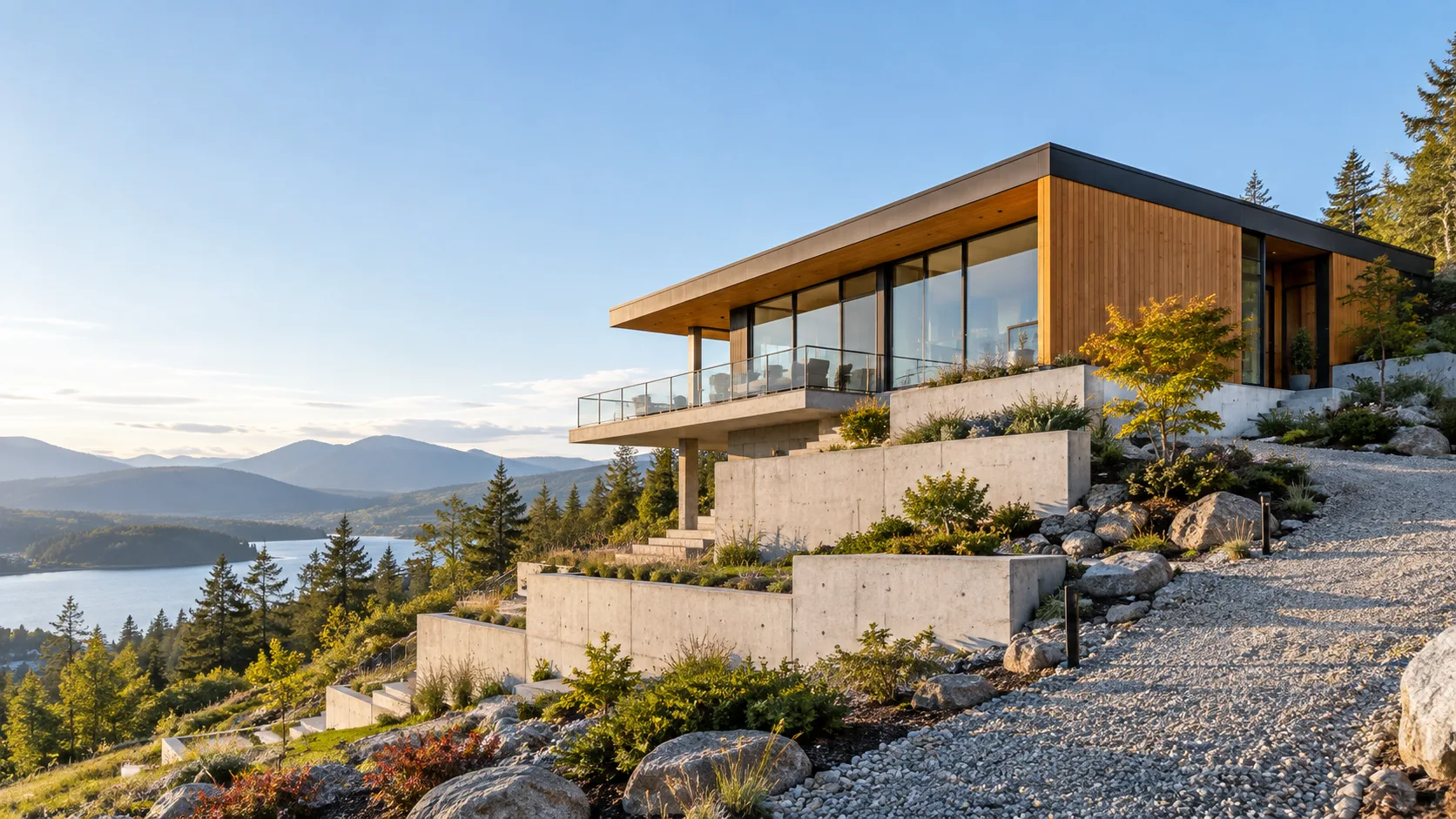
Today, choosing a prefab option doesn’t mean sacrificing style. You can find everything from minimalist tiny houses to expansive luxury villas that are indistinguishable from traditional builds.

Why Choose Prefabricated Living?
Now that we’ve answered what is a prefab house, let’s look at why you should consider one for your next property.
1. Superior Speed of Construction
Time is money. While a traditional home can take 12 to 18 months to complete, most prefab homes can be ready in a matter of weeks. Because the foundation can be prepared on-site while the house is being built in the factory, the total project timeline is cut by up to 50%.
2. Cost-Effectiveness
Because the manufacturing process is so efficient, there is significantly less material waste. These savings are passed directly to the homeowner, making prefab homes a more affordable path to high-quality ownership.
3. Sustainability and Energy Efficiency
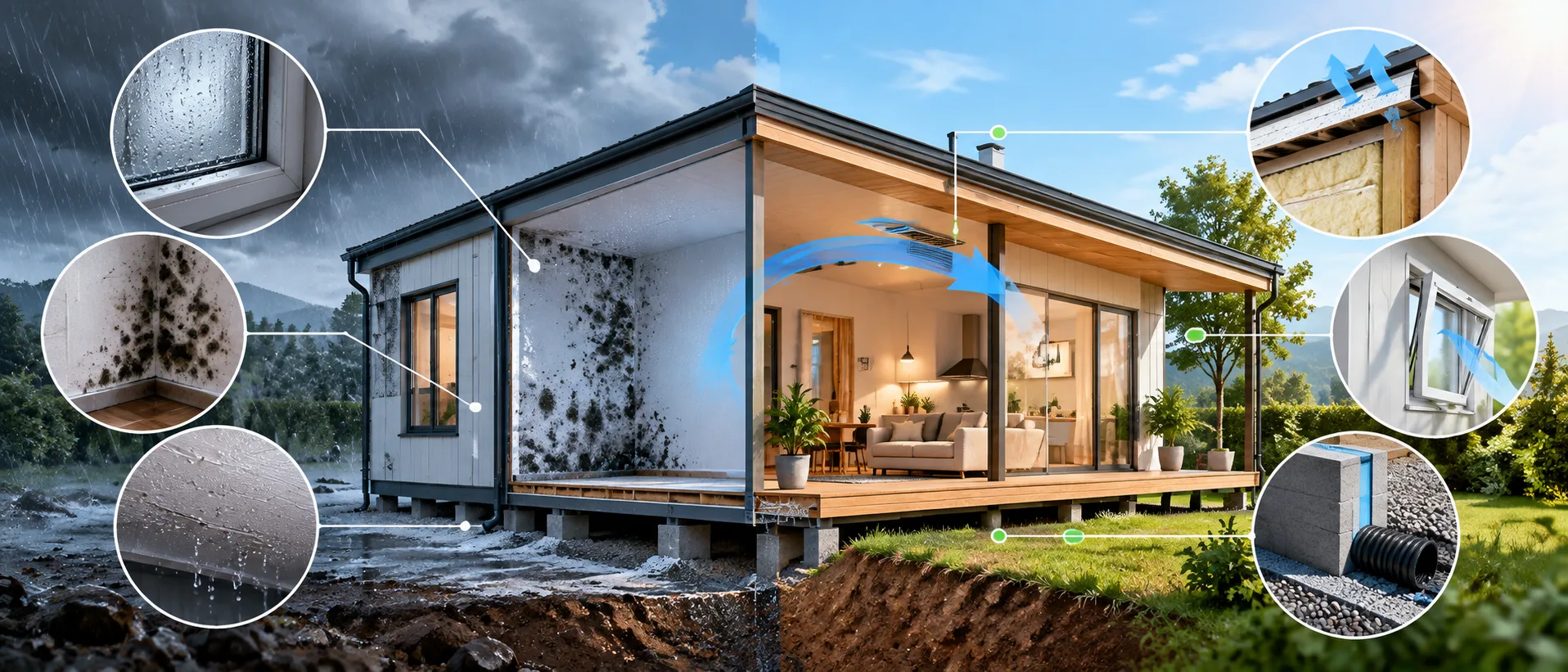
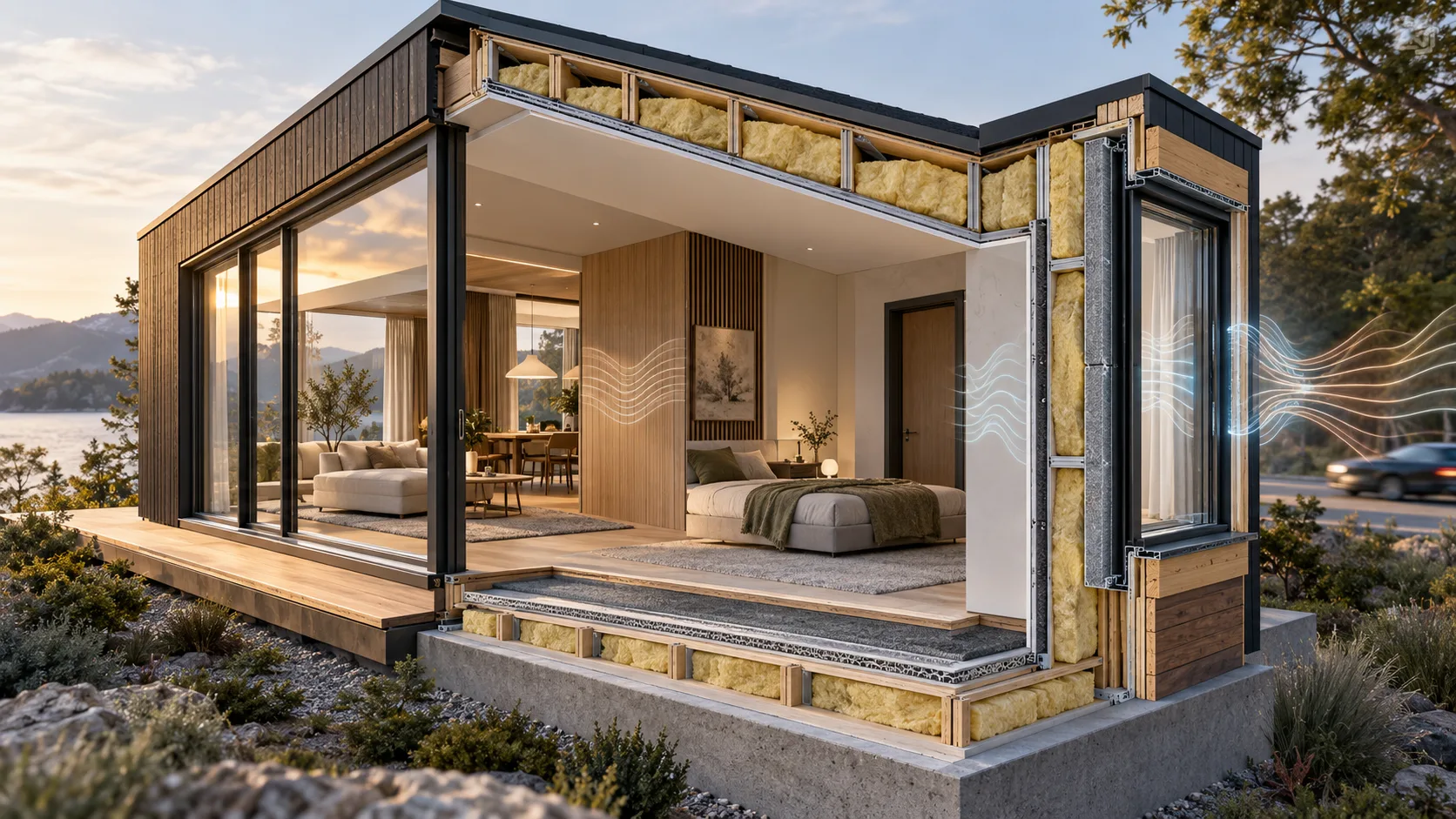
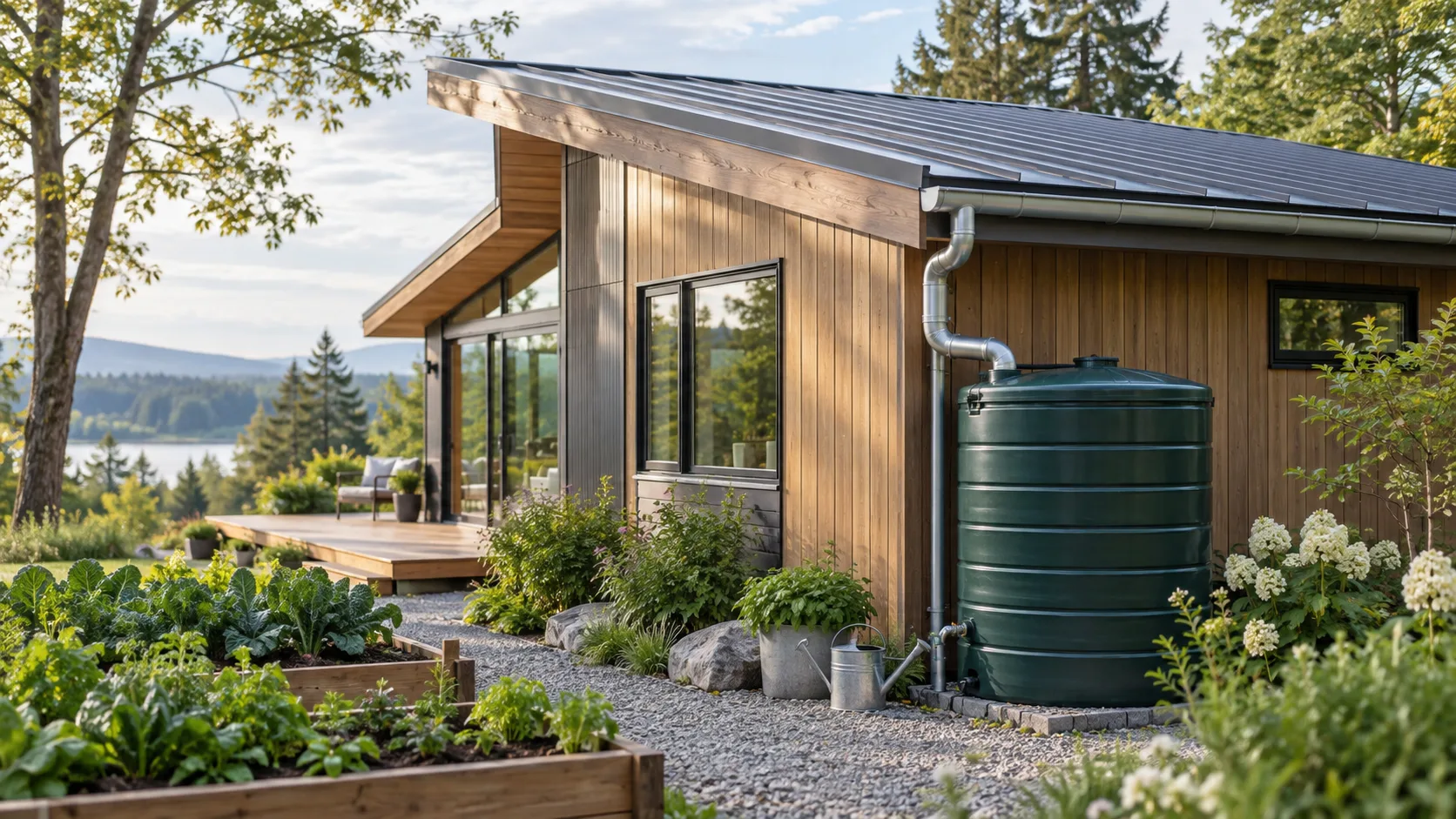
Precision factory cutting means tighter seals and better insulation. Modern prefab homes are designed to be energy-efficient from the ground up, often featuring integrated solar readiness and eco-friendly materials.
Types of Prefabricated Housing
Understanding what is a prefab house requires a look at the different categories available in the market today:
-
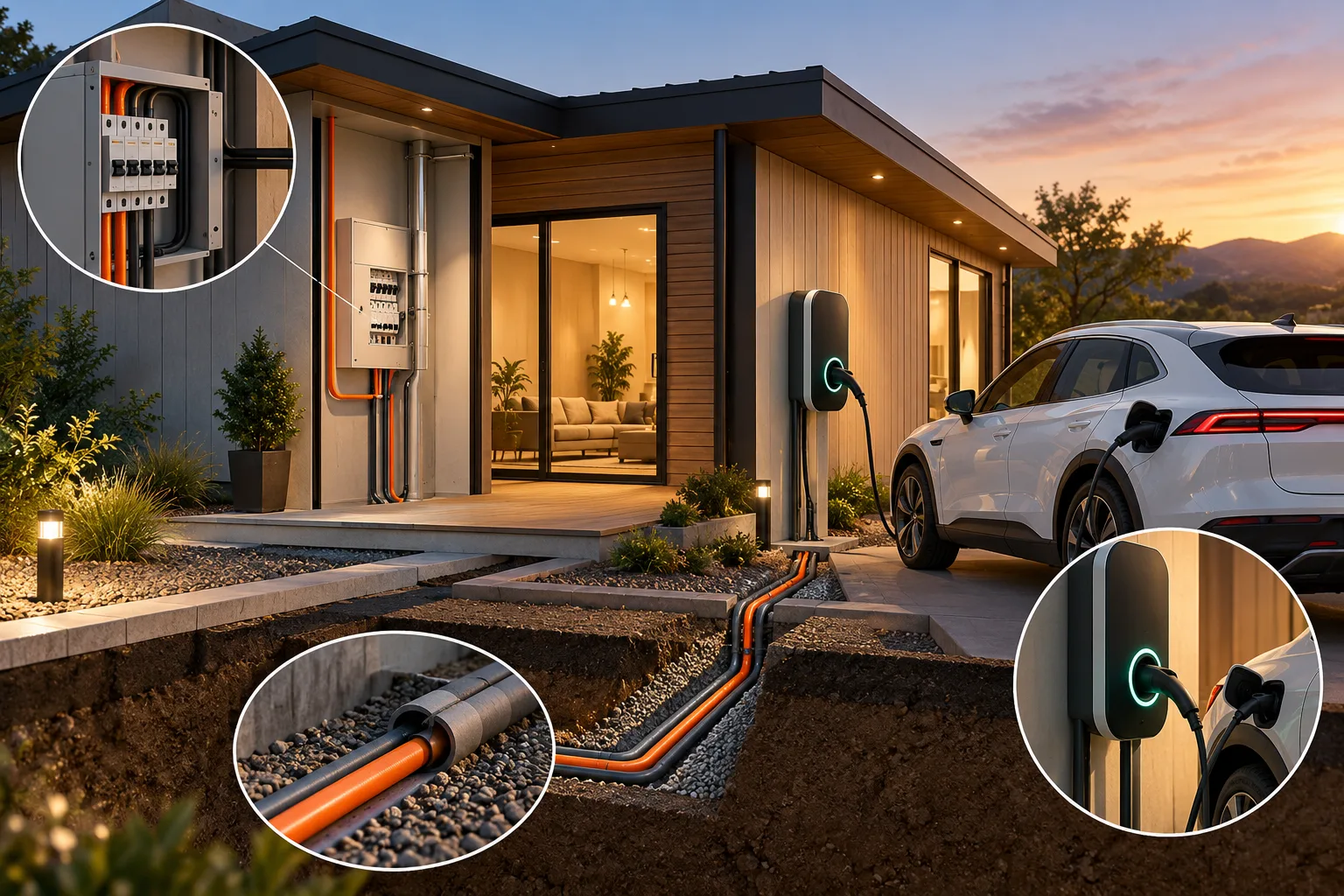
Modular Homes: These are built in large 3D sections (modules) that are finished internally in the factory including plumbing and wiring before being joined together on-site.
-
Panelized Homes: The walls are built as large panels and assembled like a 3D puzzle on your land.
-
Light Steel Structures: These utilize galvanized steel frames for extreme durability and fire resistance. At Pramo, we specialize in these high end prefab homes to ensure longevity.
Key Features to Look for in High-Quality Prefab Homes
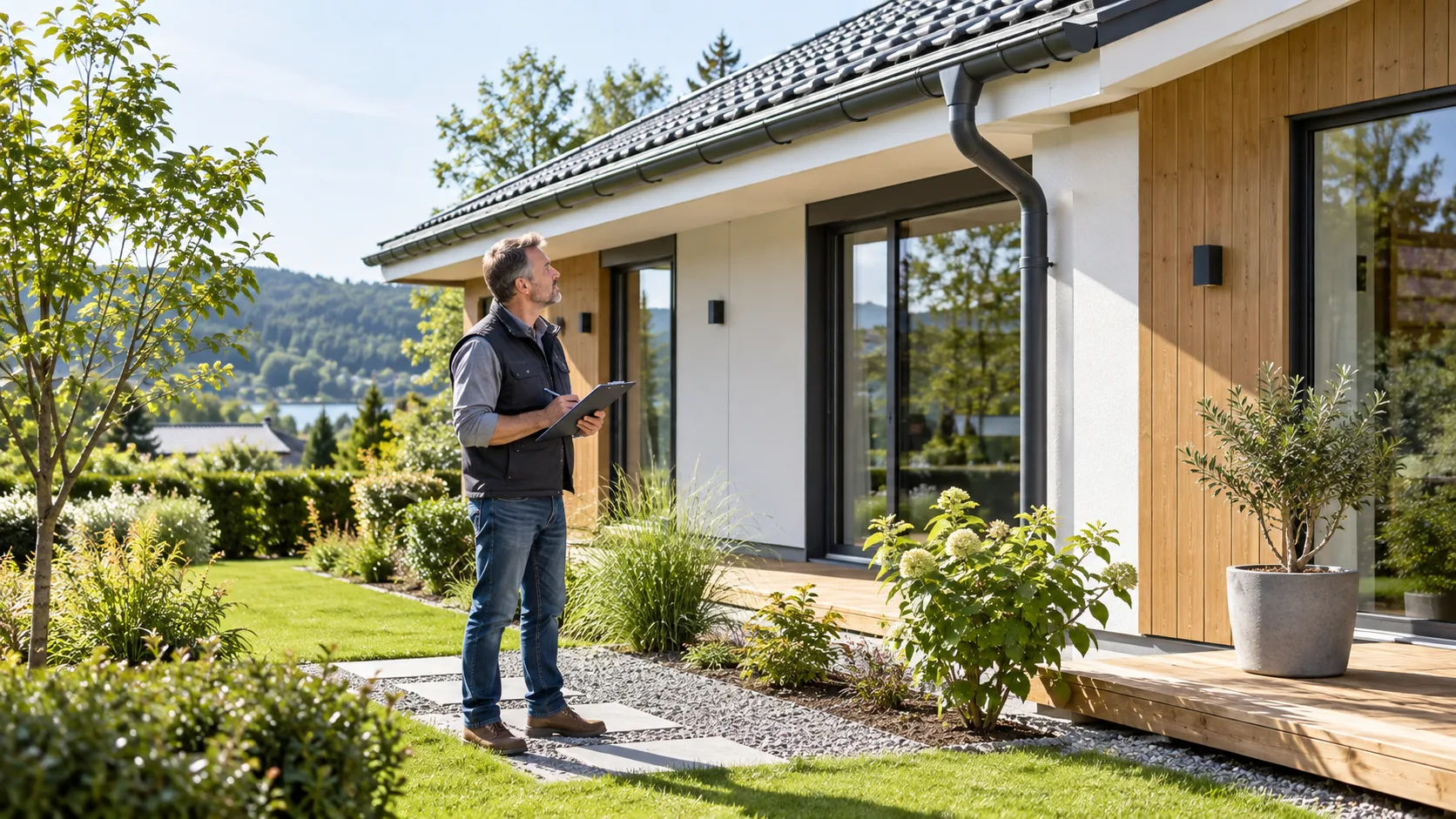
When evaluating what is a prefab house worth buying, you must look beneath the surface. A high-quality portable home or prefab unit is defined by its structural integrity and insulation standards.
Insulation and R-Values
Do not settle for a home that cannot handle extreme weather. High-quality prefab homes use advanced rock wool or closed-cell spray foam insulation to maintain a perfect climate year-round.
Structural Engineering
Ensure the manufacturer uses premium materials. Steel-framed prefab homes offer the best protection against seismic activity and harsh environmental conditions compared to timber-framed options.
Customization: Making it Your Own
A common misconception when asking what is a prefab house is that they all look the same. In reality, modern prefab homes offer immense customization depth. You can modify floor plans, choose bespoke interior finishes, and select exterior cladding that matches your aesthetic whether that’s a sleek industrial look or a rustic wood finish.
The Financial Advantage in 2026
In today’s economy, prefab homes are a strategic financial asset. They offer a lower entry price for first-time buyers and a higher ROI for investors looking to create vacation rentals. Because the costs are fixed at the start of the project, you don’t have to worry about the “budget creep” common in traditional construction.
Why Choose Pramo Prefabricated?
Pramo Prefabricated is a hub of advanced engineering where aesthetic vision meets structural durability. We answer the question of what is a prefab house by delivering homes that exceed international building codes. Our catalog represents the pinnacle of off-site construction, ensuring that every one of our prefab homes is a bespoke masterpiece built to last.
Our 3-Step Process:
-
Consultation: We help you find the right model for your land.
-
Precision Build: Your home is manufactured in our state-of-the-art facility.
-
Rapid Delivery: We ship and install your new home safely and efficiently.
The Future of Housing
So, what is a prefab house? It is the intersection of technology, sustainability, and freedom. It is a home that respects your time and your budget without compromising on quality. As the world moves toward smarter living, prefab homes are leading the way.
Choosing a modern living space is the beginning of a transformative journey toward sustainability and freedom. At Pramo Prefabricated, we offer a diverse portfolio of engineered models designed to meet the highest standards of the modular industry.