





















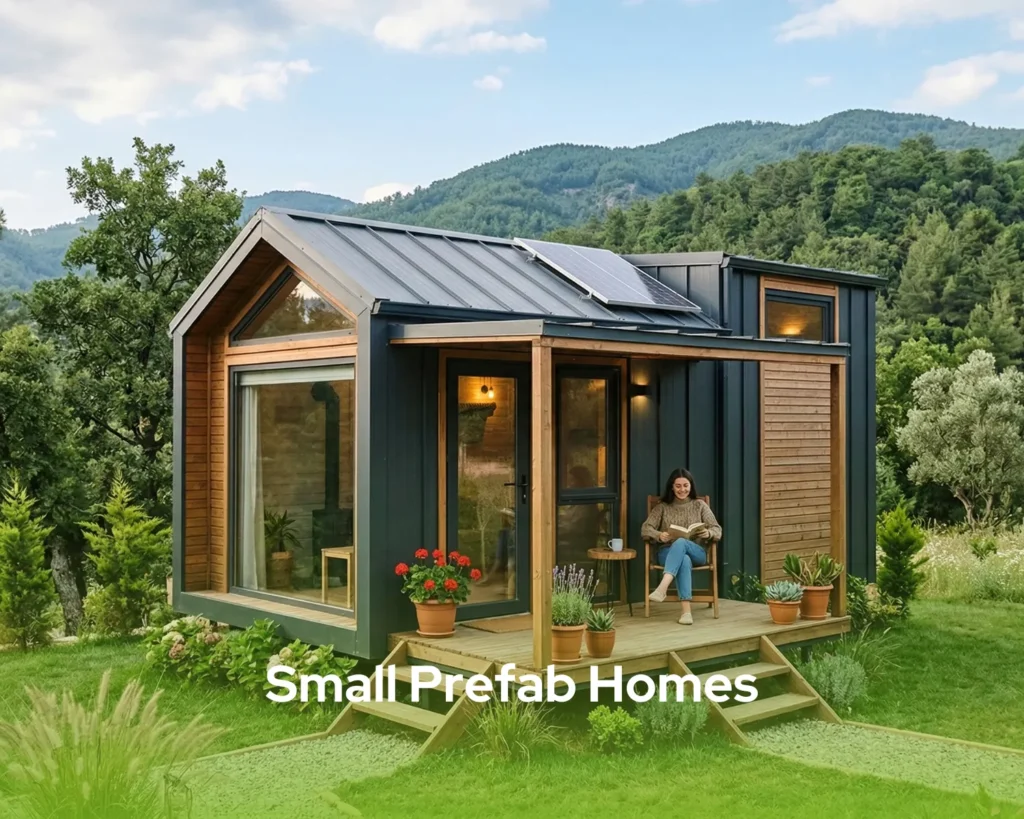
The global housing market is witnessing a monumental shift toward efficiency, sustainability, and minimalism. As urban spaces become more crowded and the desire for financial freedom grows, the concept of small prefab homes has transitioned from a niche trend into a mainstream housing solution. These structures, built with precision in controlled factory environments, offer a level of quality and speed that traditional “stick-built” construction simply cannot match. Whether you are looking for a primary residence, a vacation retreat, or a backyard guest suite, a small house built using modular techniques represents the future of residential architecture.
At Pramo Prefabricated, we are dedicated to redefining what it means to live small. We believe that a compact footprint should never mean a compromise in luxury or structural integrity. Our engineering process focuses on high-performance materials and smart design to ensure that every square inch of our small prefab homes serves a functional purpose. In this extensive guide, we will explore the technical, environmental, and financial reasons why choosing a prefabricated small house is the smartest decision for modern landowners.
The Technical Evolution of Small Prefab Homes
To understand the superiority of modern small prefab homes, one must look at the precision of the manufacturing process. Unlike traditional construction, where materials are exposed to rain, wind, and fluctuating temperatures on a building site, a prefabricated small house is constructed indoors. This allows for a level of airtightness and structural accuracy that is impossible to achieve in the field. Technical literature on Prefabricated Building highlights that this method reduces material waste by up to 80%, as every cut is calculated by advanced software.
The structural “bones” of our small prefab homes at Pramo are typically composed of light-gauge galvanized steel or high-density timber frames. This ensures that the building is not only lightweight and easy to transport but also incredibly resilient against environmental stressors like high winds and seismic activity. When you invest in a modular small house, you are investing in a structure that has been stress-tested and engineered for long-term durability.
Why Modern Homeowners are Choosing the Small House Lifestyle
The motivation behind the surge in small prefab homes is multifaceted, touching on economics, psychology, and environmental ethics.
- Financial Liberation: A traditional large-scale home often comes with a lifetime of debt. In contrast, small prefab homes have a significantly lower entry price point, allowing owners to live mortgage-free or with minimal financial burden.
- Reduced Maintenance: A compact small house requires far less time and money to maintain. Less roof surface, fewer walls to paint, and smaller floor areas mean you spend your weekends living, not cleaning or repairing.
- Energy Efficiency: Because small prefab homes have a lower interior volume, they require a fraction of the energy to heat and cool. This leads to a permanent reduction in utility bills.
- Environmental Stewardship: By choosing a small house, you are actively reducing your carbon footprint. Fewer raw materials are used in construction, and less land is disturbed during the installation process.
Comparing Small Prefab Homes with Traditional Prefabricated Buildings
While all modular structures share some similarities, there are distinct differences when you specifically look at our Prefabricated House Models compared to larger industrial buildings.
- Customization vs. Standardization: While industrial buildings focus on repetitive blocks, our small prefab homes are designed with architectural flair. We integrate large glass facades, high ceilings, and premium finishes to ensure the small house feels expansive and modern.
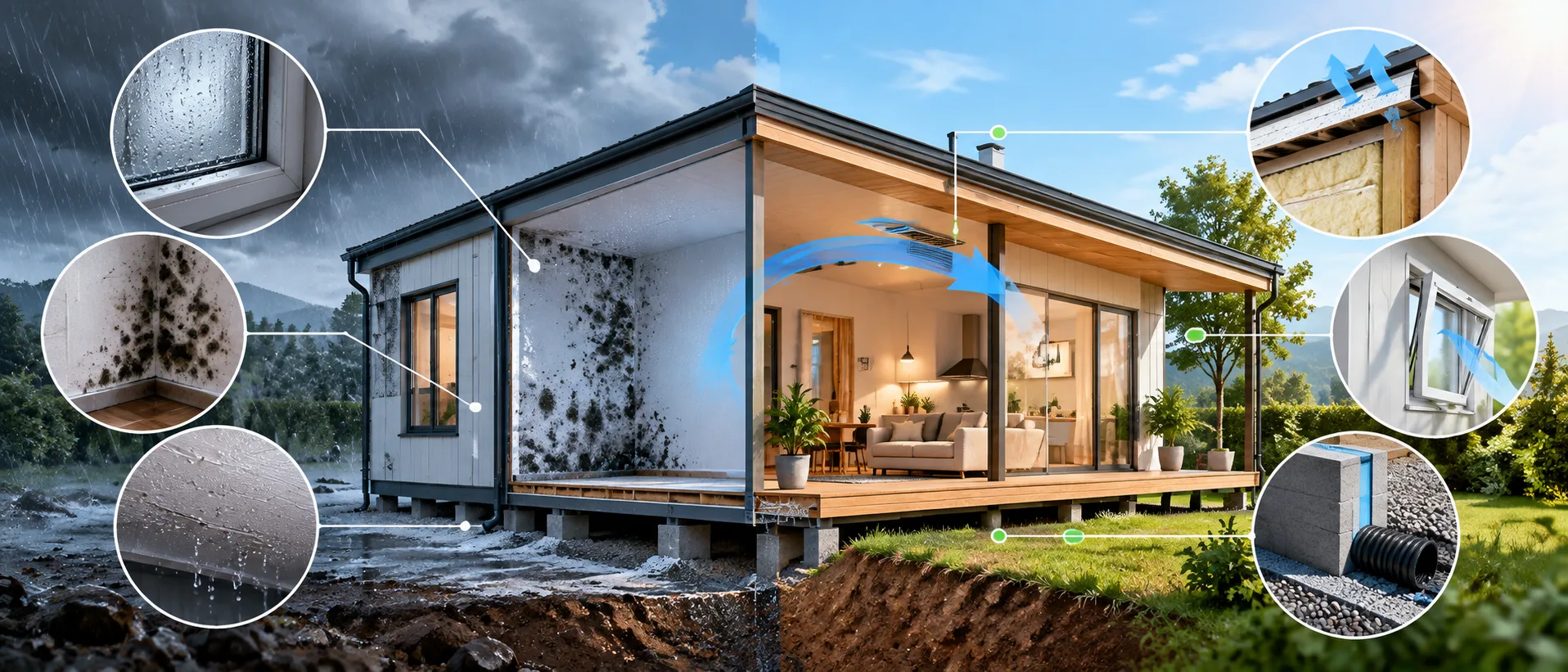
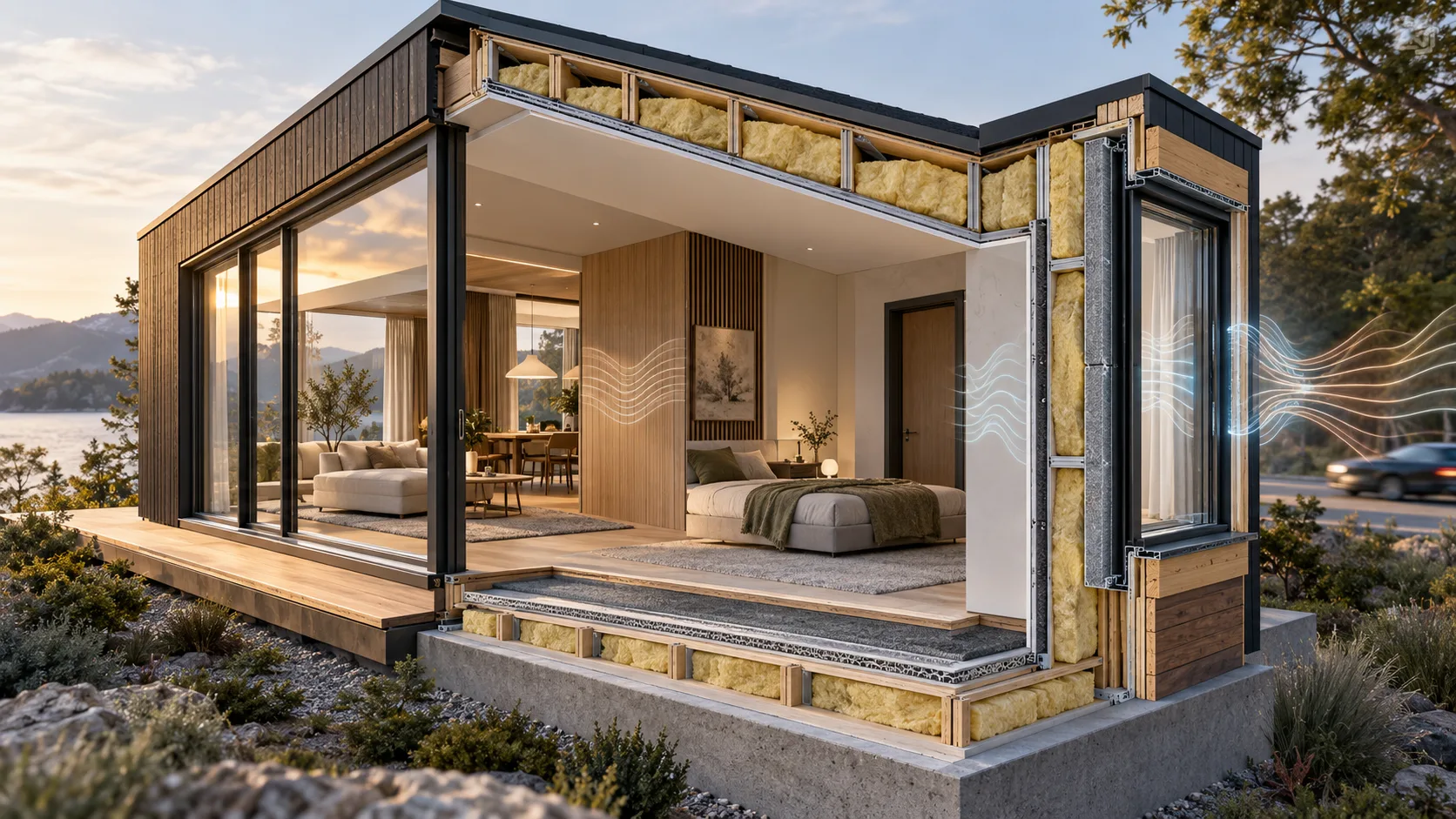
- Insulation Standards: Small prefab homes require higher-grade insulation because their small surface area makes them more susceptible to external temperature changes. We use rock wool and polyurethane panels to create a thermal fortress.
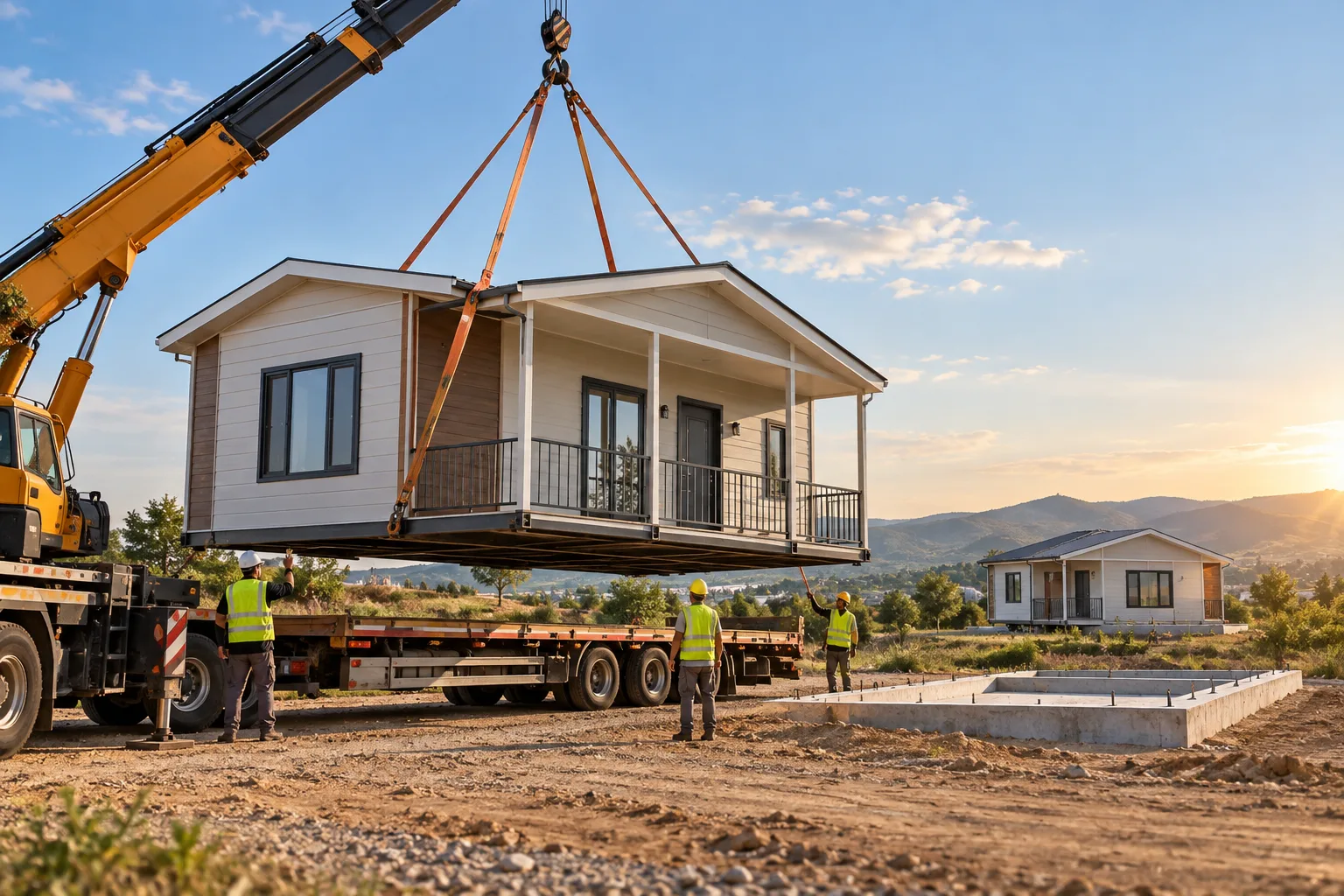
- Speed of Deployment: A large prefabricated complex can take months to assemble on-site. However, a singular small house can often be delivered as a finished unit and installed within a single day.
- Mobility Options: Many small prefab homes are built on chassis or foundations that allow for future relocation, a feature rarely found in larger prefab structures.
Design Strategies for Maximizing a Small House Interior
The secret to a successful small house is “smart volume” design. At Pramo, we use several architectural tricks to make our small prefab homes feel twice their actual size.
- Vertical Space Utilization: We often incorporate lofted sleeping areas in our small prefab homes. By moving the bed to a second level, the entire ground floor becomes a spacious living and dining zone.
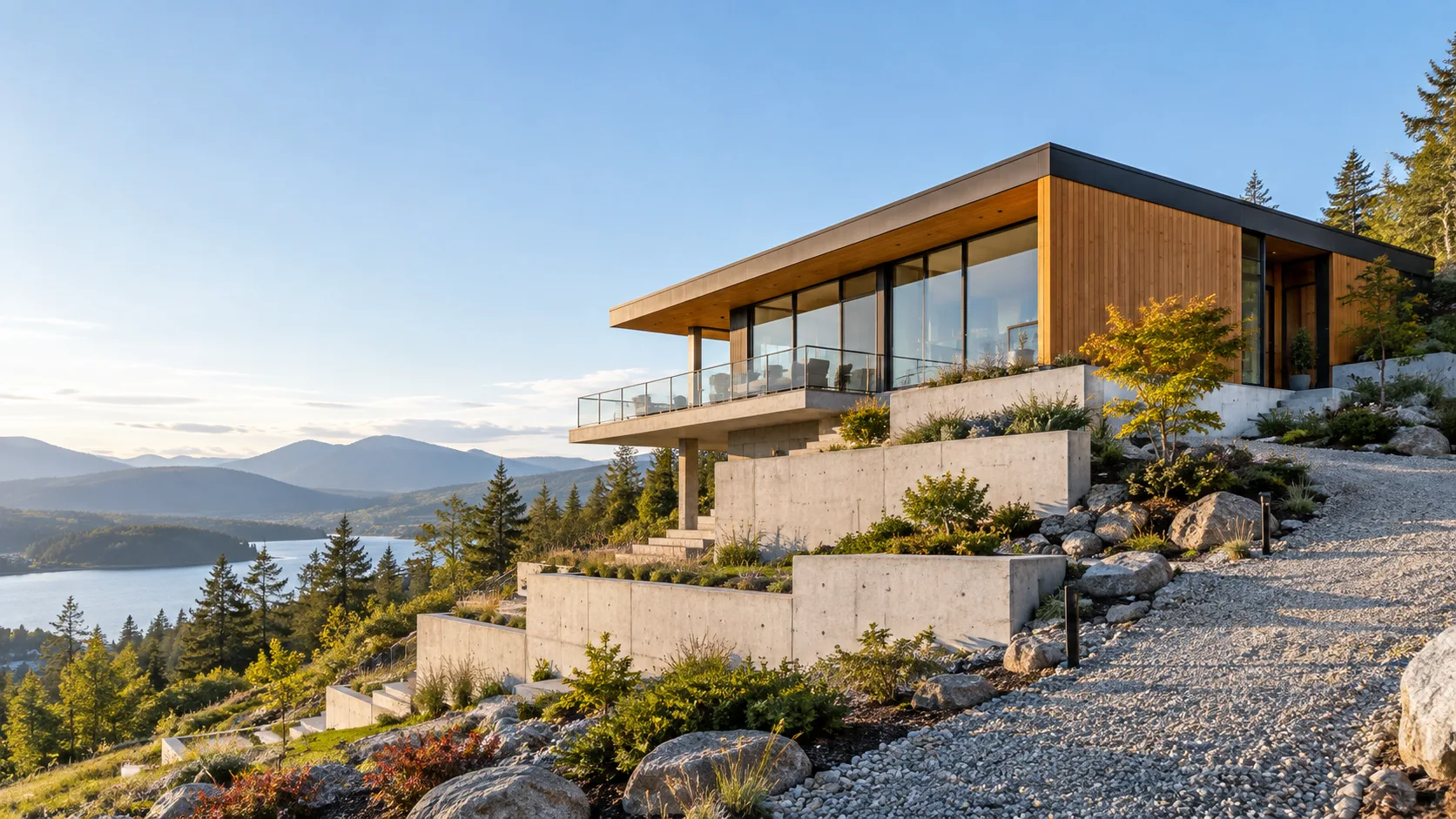
- Indoor-Outdoor Fluidity: Large sliding doors and floor-to-ceiling windows are staples of our small house designs. This blurs the line between the interior and the garden, making the living space feel as large as the landscape itself.
- Multifunctional Furniture: Every piece of furniture in a small house should work twice. We offer integrated storage solutions, such as cabinets hidden under stairs and foldable kitchen islands.
- Clutter-Free Minimalism: The design of small prefab homes encourages a minimalist lifestyle, which has been shown to reduce stress and improve mental clarity.
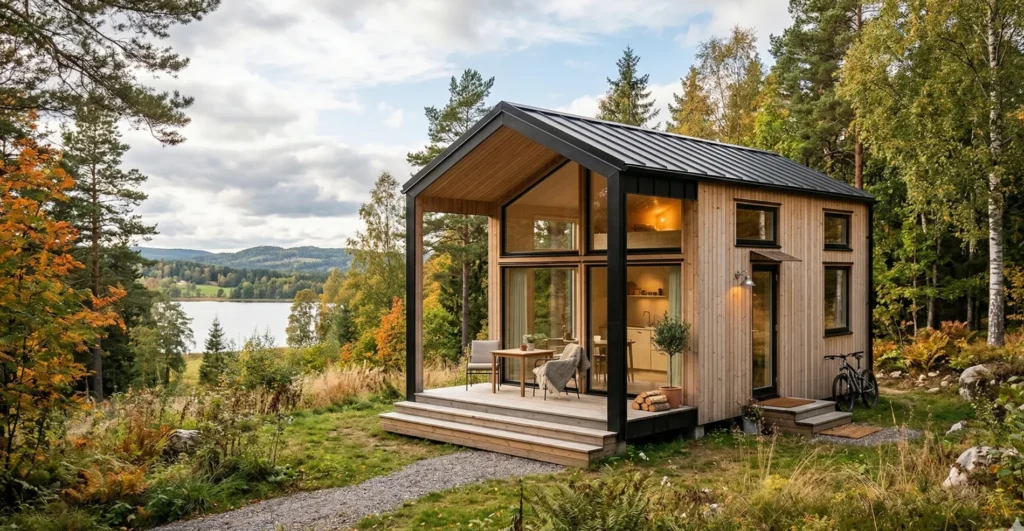
The Engineering of Durability in Small Prefab Homes
Safety is the primary concern for any homeowner. Our small prefab homes are designed to meet and exceed international building codes.
- Seismic Resilience: Because a small house has less mass, it performs exceptionally well during earthquakes. The steel-frame structures we use are flexible enough to absorb vibrations without cracking.
- Fire Safety: We utilize non-combustible insulation materials, such as A1-class rock wool, in all our small prefab homes. This provides a critical safety barrier that traditional wood-only cabins cannot offer.
- Corrosion Protection: Every steel component in our small house units is galvanized to prevent rust, especially for structures located in humid or coastal environments.
- Pest Resistance: Unlike traditional timber homes, the inorganic materials used in our small prefab homes are not attractive to termites or other wood-boring insects.
Financial Investment and Resale Value of a Small House
A common misconception is that small prefab homes depreciate like vehicles. In reality, a high-quality small house on a well-maintained piece of land appreciates in value just like a traditional home.
- High Rental Demand: In the age of Airbnb and short-term rentals, small prefab homes are high-yield assets. Travelers are increasingly seeking out “unique tiny stays” over traditional hotel rooms.
- Lower Insurance Premiums: Due to their durable materials and modern safety features, insuring a small house is often more affordable than insuring an older, larger property.
- Liquidity: If you ever decide to sell, the lower price point of small prefab homes makes them accessible to a much larger pool of buyers, from young professionals to retirees looking to downsize.
- Fast ROI: If used for commercial tourism, a small house can often pay for itself within 3 to 5 years, making it one of the most profitable real estate investments in 2026.
The Logistics of Installing Your Small House
The journey from the Pramo factory to your land is a carefully coordinated operation.
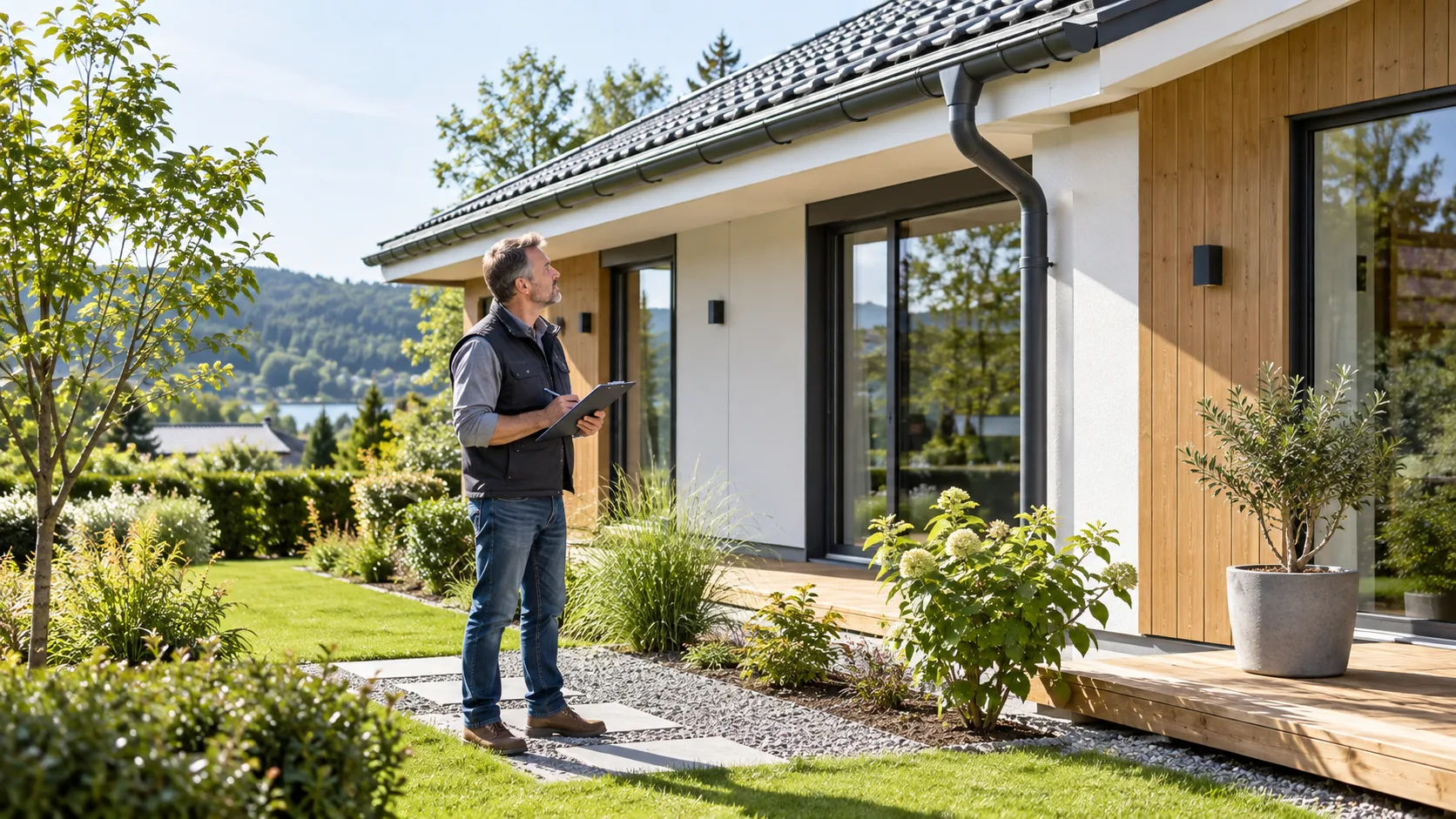
- Site Preparation: Before your small prefab homes arrive, you need a level foundation. This can range from a simple concrete slab to screw piles, depending on the soil quality of your land.
- The “Crane Day”: This is the most exciting part of the process. Your small house is lifted into place by a professional crane team. Because most of the work is done in the factory, the on-site noise and mess are minimal.
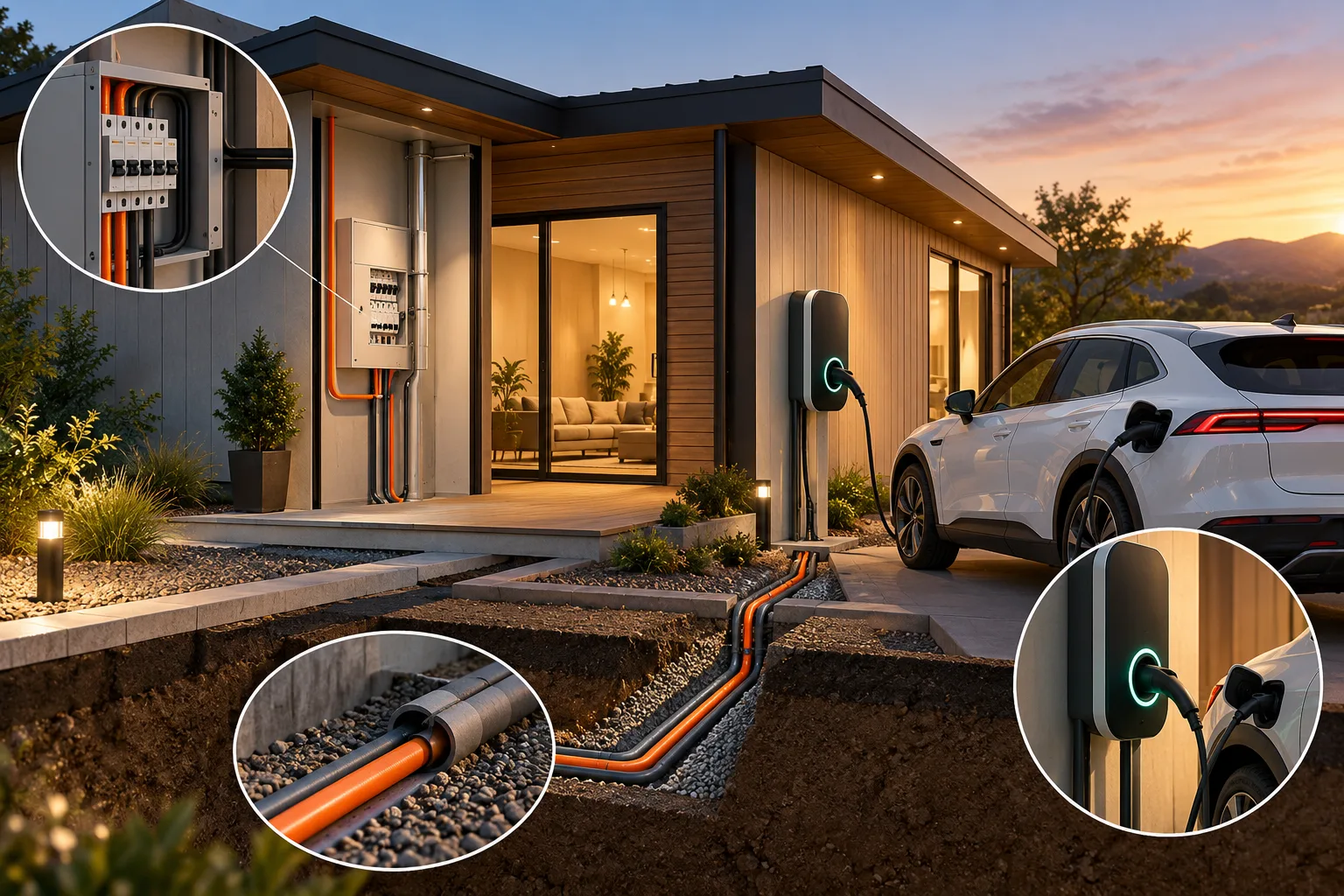
- Utility Connections: Our small prefab homes come with pre-installed plumbing and electrical systems. Once the house is on the foundation, local contractors simply “plug in” the water, electricity, and sewage lines.
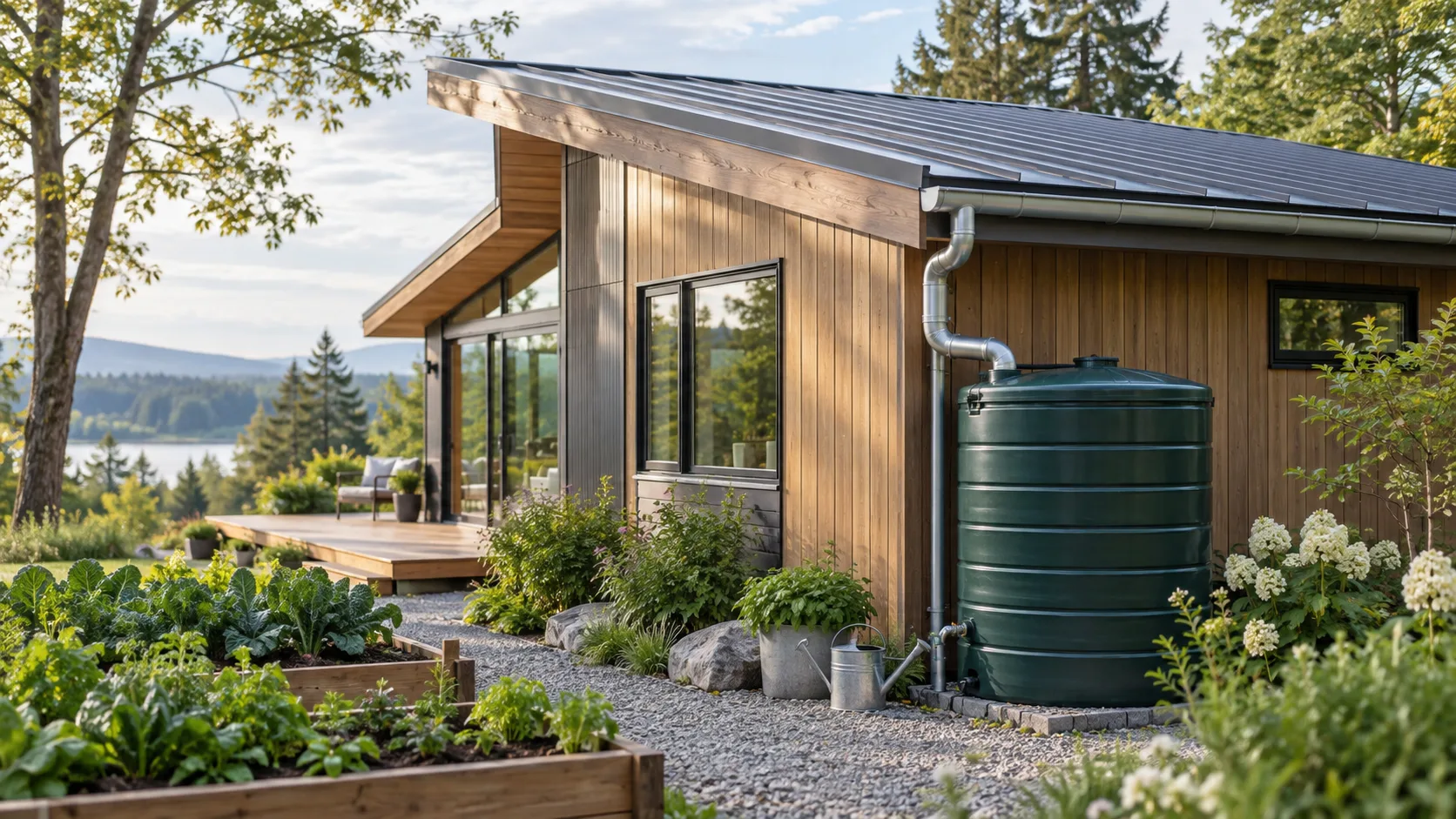
- Off-Grid Capability: For those looking for total independence, we can equip your small house with solar arrays, rainwater harvesting, and composting systems.
Sustainability: Small Prefab Homes and the Circular Economy
Building a small house is an act of environmental preservation.
- Precision Cutting: In our factory, we use computerized machinery to cut materials for our small prefab homes. This ensures that there is almost zero leftover waste, unlike traditional sites where dumpsters are filled daily.
- Recycled Materials: We prioritize the use of recycled steel and sustainable timber in our small house production, contributing to a circular economy.
- Low Impact Foundations: Because small prefab homes are relatively light, they don’t require massive deep-earth foundations, preserving the natural drainage and biology of the soil.
- Thermal Efficiency: The superior seals and insulation in our small house models mean they consume up to 70% less energy for temperature regulation than a standard home of the same age.
Designing Your Future with Pramo
The transition to living in small prefab homes is not just about saving money; it is about reclaiming your time and focusing on what truly matters. Whether you envision a sleek, glass-fronted small house as a mountain retreat or a cozy modular studio in your backyard, Pramo Prefabricated has the expertise to bring that vision to life.
Our small prefab homes are built with the heart of an architect and the mind of an engineer. We take pride in delivering a Prefab House that stands the test of time, weather, and changing lifestyles. By choosing to live in a small house, you are choosing a path of efficiency, beauty, and freedom.
Are you ready to discover the possibilities of modular living? Explore our portfolio of small prefab homes today and let us help you build a smarter, more sustainable future. Your perfect small house is just a consultation away with Pramo.