






















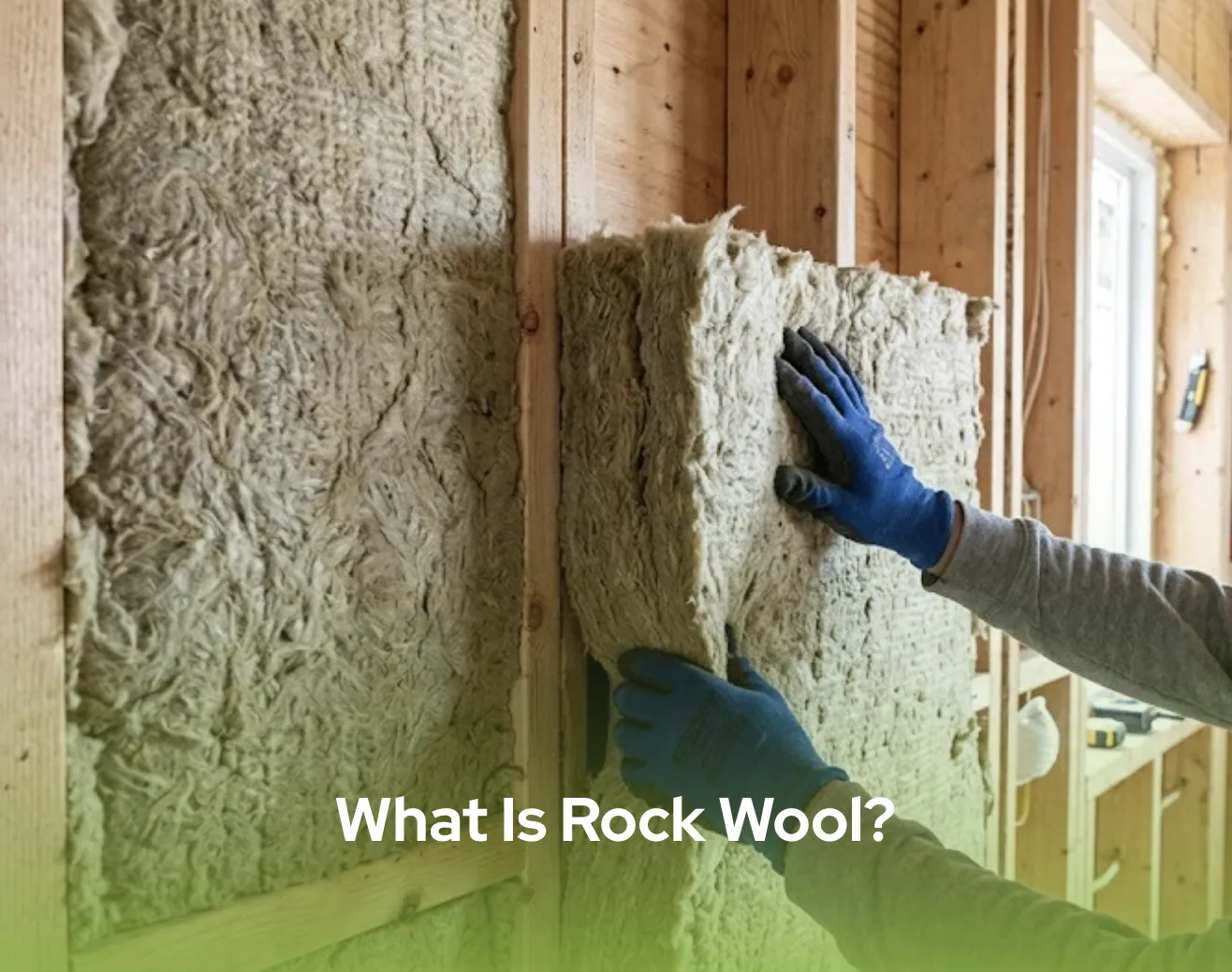
What is rock wool? Simply put, rock wool is a high-performance insulation material manufactured from natural volcanic rock and recycled raw materials that are melted at extremely high temperatures and spun into fibers. It is widely used in residential, commercial, and industrial buildings because of its excellent thermal insulation, fire resistance, soundproofing, and durability. If you are researching what is rock wool, the most important thing to know is that it is one of the most effective insulation materials available today for improving energy efficiency and building safety.
As construction standards continue to evolve, insulation has become one of the most important aspects of modern building design. This is why the question what is rock wool is increasingly relevant for architects, engineers, contractors, and property owners. Companies like Pramo use advanced insulation solutions to improve building performance, sustainability, and long-term comfort.
What Is Rock Wool?
The simplest answer to what is rock wool is that it is a mineral wool insulation product made primarily from basalt rock and other natural minerals.
The production process involves:
- Melting volcanic rock at extremely high temperatures
- Spinning molten material into fine fibers
- Compressing fibers into insulation boards, rolls, or panels
- Applying binding materials for structural stability
The result is a highly durable insulation material that performs exceptionally well in demanding environments.
How Is Rock Wool Manufactured?
Understanding what is rock wool requires understanding how it is made.
Raw Material Selection
The primary raw materials include:
- Basalt rock
- Dolomite
- Recycled mineral materials
High-Temperature Processing
Materials are heated to temperatures exceeding 1,500°C.
Fiber Formation
Molten rock is spun into fibers similar to cotton-like strands.
Product Shaping
Fibers are formed into:
- Insulation boards
- Blankets
- Acoustic panels
- Pipe insulation products
This manufacturing process gives rock wool its unique performance characteristics.
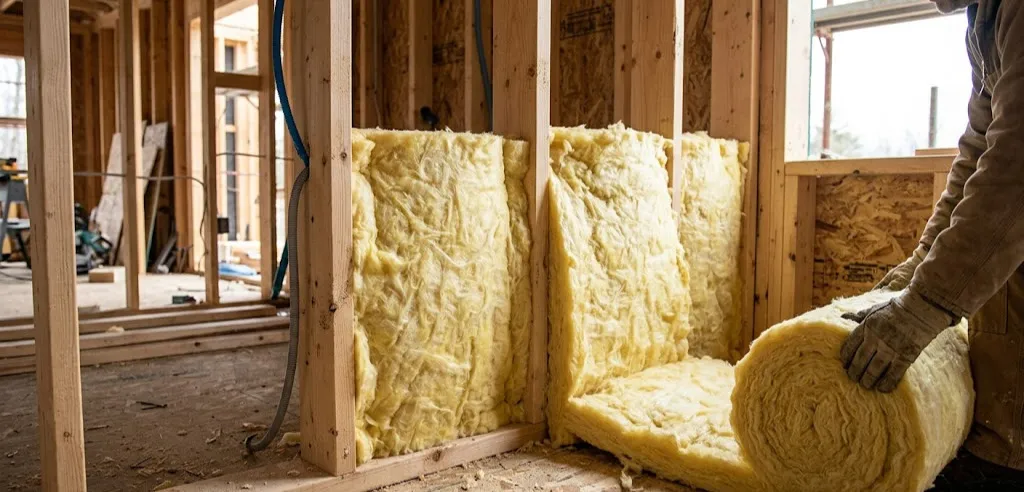
Why Is Rock Wool So Popular?
One reason people frequently ask what is rock wool is because it is widely recommended by construction professionals.Its popularity comes from several advantages:
- Excellent thermal insulation
- Superior fire resistance
- Strong acoustic performance
- Long service life
- Moisture resistance
- Sustainable production
In many building projects, choosing the correct insulation material during the design phase can improve installation efficiency by nearly 20%, while also reducing long-term energy costs.
Thermal Insulation Performance
One of the biggest reasons builders research what is rock wool is its thermal performance.Rock wool helps:
- Reduce heat loss
- Improve indoor comfort
- Lower energy consumption
- Enhance HVAC efficiency
Buildings insulated with rock wool often experience improved year-round temperature stability.
Fire Resistance Benefits
Fire protection is another critical advantage.
Non-Combustible Material
Rock wool is classified as a non-combustible insulation material.
High Temperature Resistance
It can withstand temperatures exceeding 1,000°C without melting.
Improved Building Safety
Many commercial and industrial buildings use rock wool specifically because of its fire protection capabilities.
When discussing what is rock wool, fire safety is often considered one of its strongest benefits.
Acoustic Insulation Properties
Modern buildings require more than thermal efficiency.Rock wool also provides excellent sound insulation.Benefits include:
- Reduced external noise
- Better room acoustics
- Improved workplace comfort
- Enhanced residential privacy
This makes rock wool especially popular in offices, schools, hospitals, and apartment buildings.
Applications of Rock Wool
Understanding what is rock wool also means understanding where it is used.
Residential Buildings
Rock wool is commonly installed in:
- Walls
- Roofs
- Floors
- Attics
Commercial Buildings
Applications include:
- Office buildings
- Shopping centers
- Hotels
- Educational facilities
Industrial Facilities
Rock wool is frequently used in:
- Factories
- Power plants
- Warehouses
- Processing facilities
Its versatility contributes significantly to its widespread use.
Rock Wool vs. Fiberglass
A common question related to what is rock wool involves comparing it with fiberglass insulation.
Rock Wool Advantages
- Better fire resistance
- Higher density
- Superior sound insulation
- Improved moisture resistance
Fiberglass Advantages
- Lower initial cost
- Lightweight installation
- Broad availability
Both materials have their strengths, but rock wool often performs better in demanding applications.
Moisture Resistance and Durability
One of the key benefits of rock wool is its resistance to moisture.Unlike some insulation products, rock wool:
- Repels water
- Maintains thermal performance
- Resists mold growth
- Supports long-term durability
This makes it suitable for a wide variety of climate conditions.
Sustainability and Environmental Benefits
As sustainable construction becomes increasingly important, many professionals researching what is rock wool also consider environmental impact.
Advantages include:
- Natural raw materials
- Recyclable content
- Long service life
- Reduced energy consumption
Pramo prioritizes modern building solutions that support sustainability and long-term efficiency.
Why Architects Prefer Rock Wool
Architects frequently specify rock wool because it offers multiple performance benefits in a single product.
Advantages include:
- Fire protection
- Energy efficiency
- Acoustic comfort
- Design flexibility
This combination makes rock wool a preferred insulation solution for many modern projects.
Common Misconceptions About Rock Wool
Is Rock Wool Harmful?
Modern rock wool products are manufactured according to strict industry standards and are considered safe when properly installed.
Does Rock Wool Absorb Water?
Rock wool resists water penetration while maintaining its insulation performance.
Is Rock Wool Only for Industrial Buildings?
No. It is widely used in residential construction as well.
Is Rock Wool Expensive?
While initial costs may be higher than some alternatives, long-term performance often delivers greater value.
Future of Rock Wool Insulation
The demand for high-performance insulation materials continues to grow.
Future trends include:
- Energy-efficient construction
- Sustainable buildings
- Fire-safe architecture
- Net-zero energy projects
As building standards evolve, rock wool is expected to remain one of the most important insulation materials in modern construction.
Frequently Asked Questions
What is rock wool?
Rock wool is an insulation material made from volcanic rock and mineral fibers used for thermal, acoustic, and fire protection.
Is rock wool fire resistant?
Yes. Rock wool is highly fire resistant and can withstand extremely high temperatures.
Where is rock wool used?
It is used in residential, commercial, and industrial buildings for insulation and soundproofing.
Understanding what is rock wool is essential for anyone involved in modern construction or building renovation. Its combination of thermal insulation, fire resistance, soundproofing, durability, and sustainability makes it one of the most effective insulation materials available today.
At Pramo, we believe high-quality insulation plays a critical role in building performance and long-term comfort. Whether you are designing a residential, commercial, or industrial project, selecting the right insulation solution can significantly improve efficiency and safety. Contact Pramo today to learn more about advanced building technologies and modern construction solutions.
Alt Texts
- What is rock wool? Discover modern insulation solutions and energy efficiency benefits with Pramo
- Learn what is rock wool and explore fire-resistant insulation technologies by Pramo
- What is rock wool used for? Explore thermal and acoustic insulation solutions with Pramo
- Understand what is rock wool and improve building performance with Pramo insulation expertise