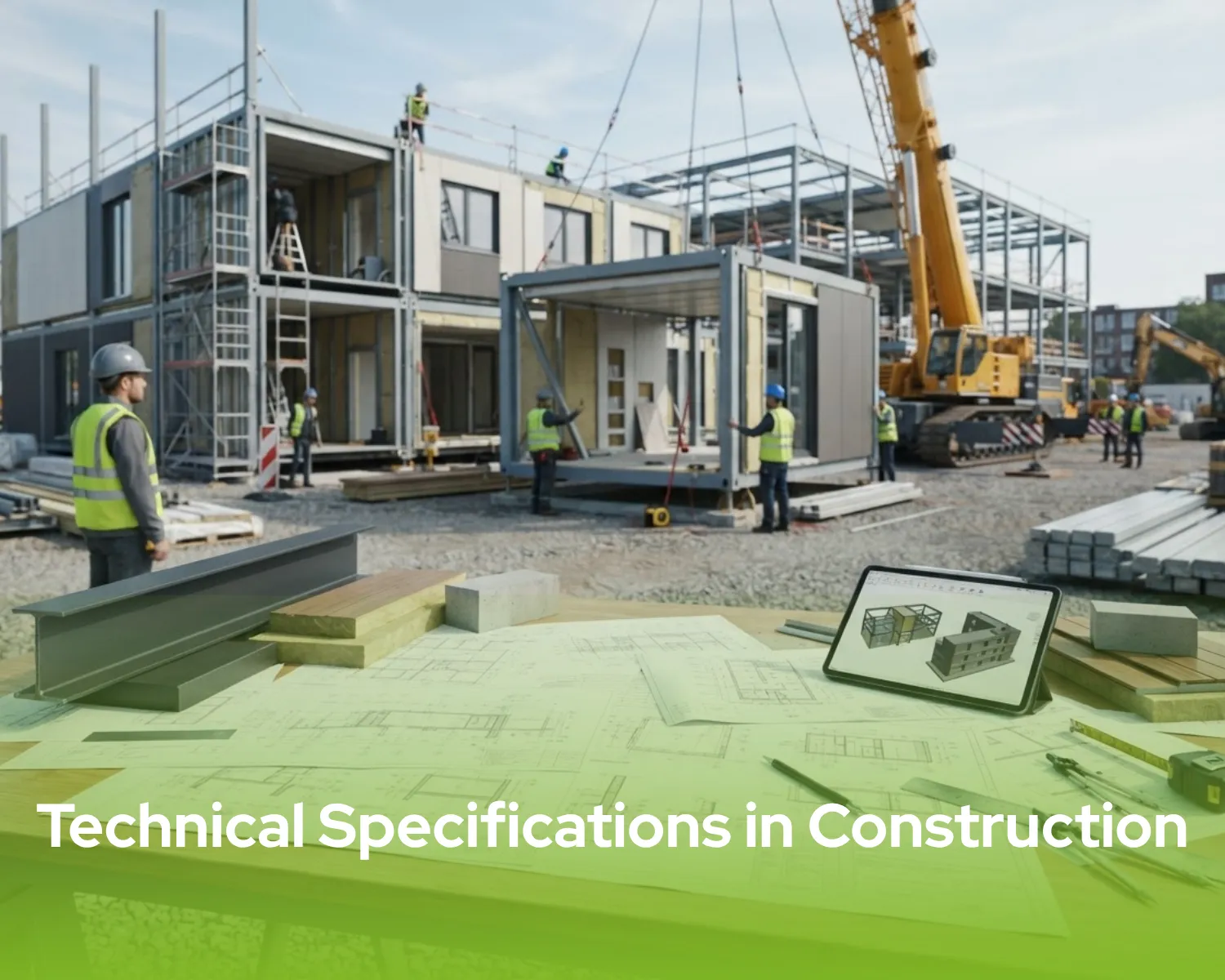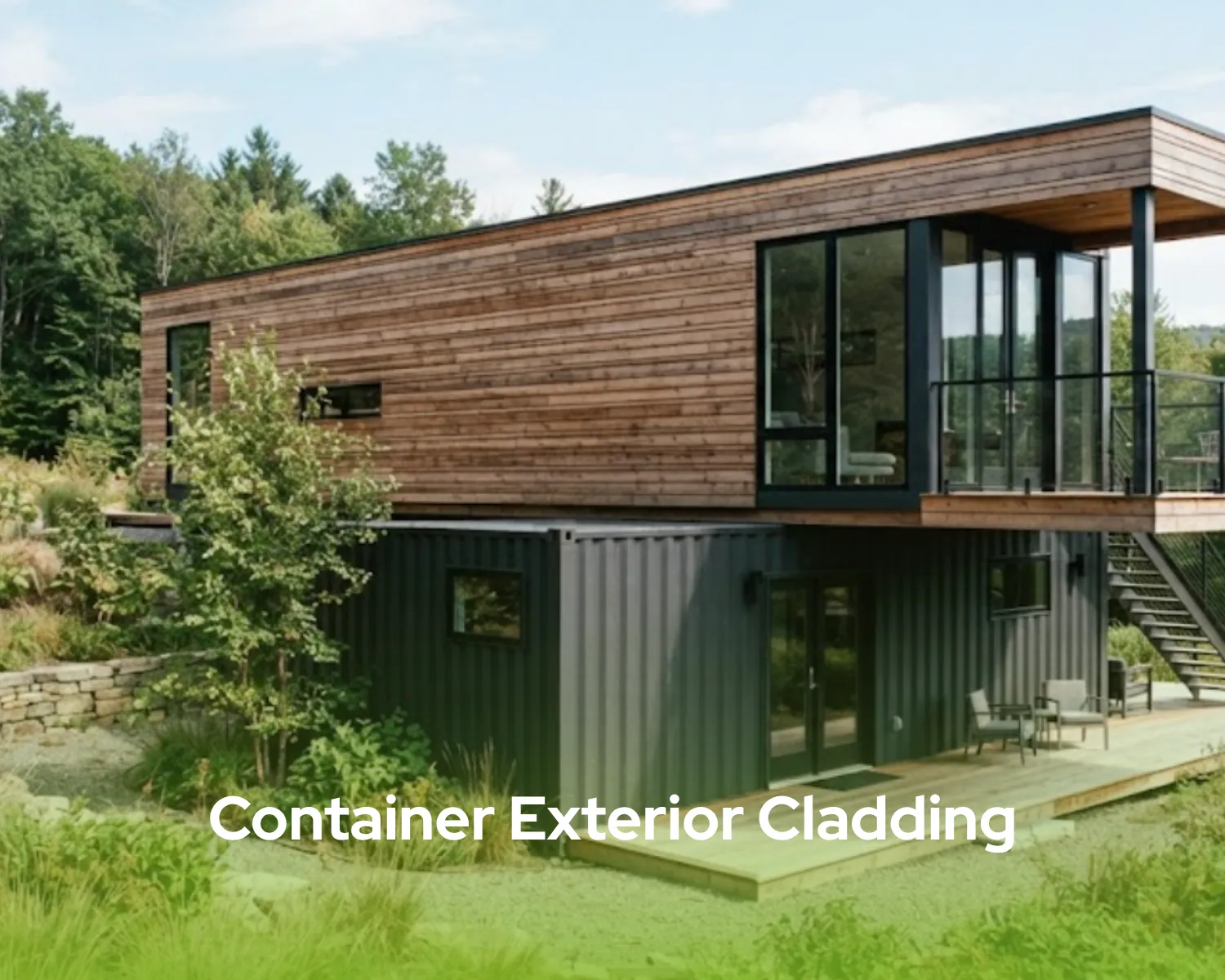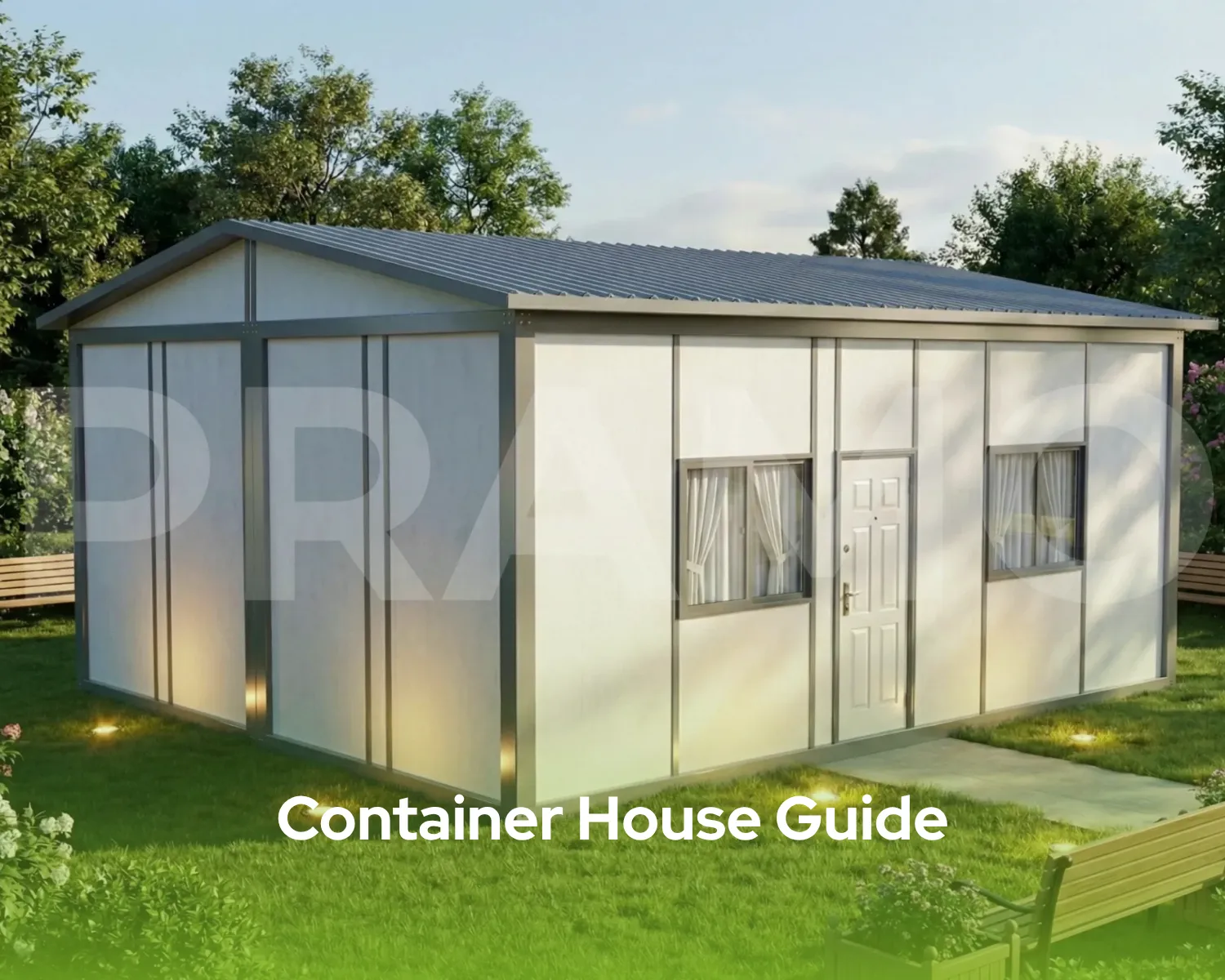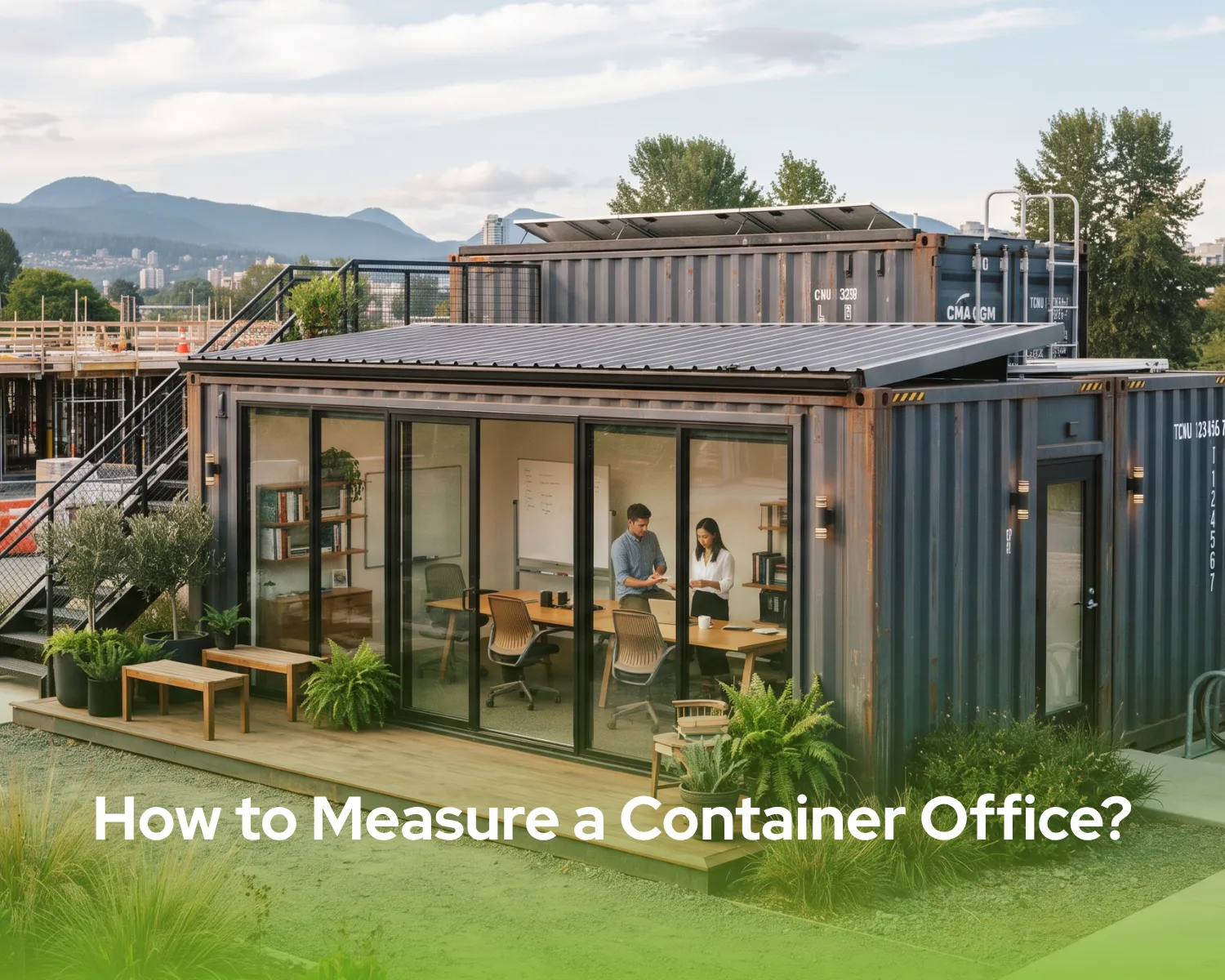























Modular construction provides flexible building solutions for projects with different timelines, budgets and operational requirements. One of the most important decisions during the planning stage is whether to choose a permanent or temporary modular building.
Both systems are manufactured in controlled factory environments and assembled efficiently on-site. However, their intended service life, installation method and relocation potential can differ. Understanding these differences will help you select the right modular building solution for your project.
Are Modular Buildings Permanent or Temporary?
Modular buildings can be either permanent or temporary. The term “modular” describes the construction method rather than the building’s expected lifespan.
Modules are manufactured off-site, transported to the project location and assembled to create a complete structure. Depending on the project requirements, the building may remain in the same location for many years or be designed for relocation and reuse.
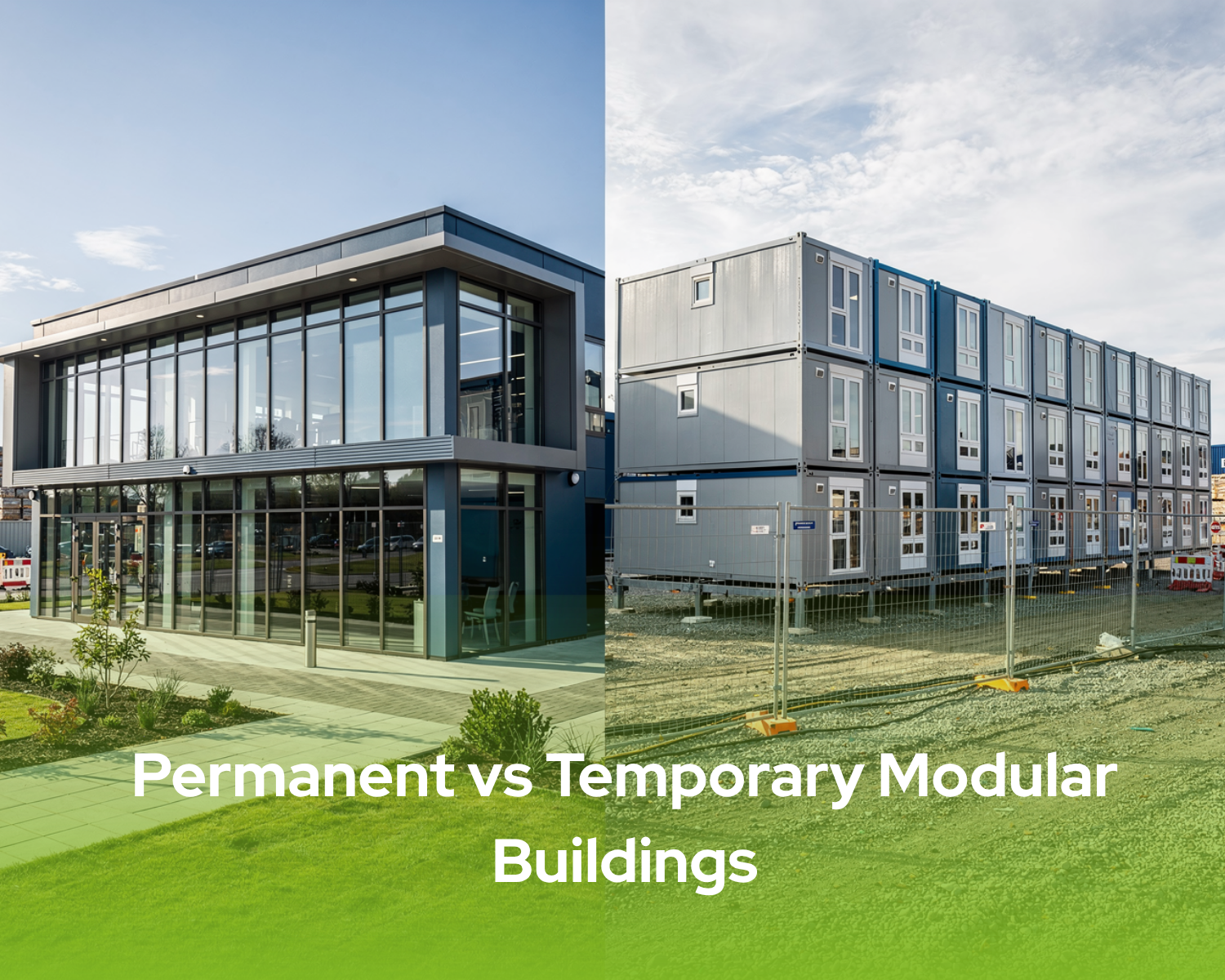
Permanent modular buildings are generally integrated into a site with permanent foundations and infrastructure connections. Temporary modular buildings, on the other hand, provide adaptable spaces that can be installed, removed and relocated as operational needs change.
What Are Permanent Modular Buildings?
Permanent modular buildings are designed to serve as long-term facilities. Although their components are manufactured in a factory, completed structures can provide the durability, functionality and architectural qualities expected from conventionally constructed buildings.
They are typically installed on engineered foundations and connected to electrical, water, sewage, heating, cooling and communication systems. Their exterior façades and interior finishes can also be customised according to the purpose and architectural identity of the project.
Permanent modular construction can be used for:
- Schools and educational facilities
- Hospitals and healthcare buildings
- Administrative offices
- Hotels and accommodation facilities
- Social facilities
- Laboratories
- Industrial buildings
- Military facilities
- Residential projects
Projects that require different functions within the same facility can also benefit from prefabricated multi-purpose buildings.
The off-site production process allows structural components and building systems to be manufactured under controlled conditions. At the same time, foundation and site preparation work can proceed at the project location. This parallel workflow can reduce the overall construction programme considerably.
Advantages of Permanent Modular Buildings
Permanent modular buildings offer several benefits for long-term projects:
- Shorter project delivery times
- Consistent factory-controlled production
- Customisable layouts, finishes and façades
- Reduced construction activity on-site
- Efficient use of materials
- Suitability for complex and large-scale projects
- Durable structures designed for long-term operation
- Opportunities for future expansion
A permanent modular solution is particularly valuable when a project requires fast delivery without compromising long-term functionality, architectural quality or user comfort.
What Are Temporary Modular Buildings?
Temporary modular buildings are designed to meet short-term, changing or project-based space requirements. They can be installed quickly and may be dismantled, transported and reused at another location when they are no longer needed at the original site.
Despite the word “temporary,” these buildings can provide safe, comfortable and efficient working or living environments. Their temporary nature relates primarily to their intended use and potential for relocation, rather than low quality or limited performance.
Common applications for temporary modular buildings include:
- Construction site offices
- Worker accommodation camps
- Changing rooms and welfare facilities
- Temporary classrooms
- Security units
- Dining halls and kitchens
- Emergency healthcare facilities
- Storage buildings
- Project management offices
- Disaster relief facilities
Businesses requiring temporary workspaces can consider purpose-designed prefabricated offices. For projects where mobility and rapid deployment are priorities, Pramo’s container building solutions provide another adaptable option.
Advantages of Temporary Modular Buildings
The primary advantages of modular temporary buildings include:
- Rapid production and installation
- Easy removal and potential relocation
- Flexible expansion or reduction of space
- Reduced disruption at the project site
- Reusability across multiple projects
- Practical application in remote locations
- Reduced need for extensive on-site construction
- Adaptable interior configurations
Temporary modular buildings allow organisations to respond quickly to workforce growth, emergencies and changing project conditions. They are especially useful for construction, mining, energy and infrastructure projects where teams and operational requirements may move between locations.
Temporary and Permanent Modular Buildings: Key Differences
The main difference between temporary and permanent modular buildings is their intended use. Permanent structures are developed for long-term occupation in a fixed location, while temporary solutions prioritise flexibility, rapid deployment and relocation.
Intended Use
Permanent modular buildings are intended to remain operational at the same site over the long term. Temporary buildings are generally used for a specific project, contract period, emergency or immediate space requirement.
Foundations
Permanent buildings commonly require engineered foundations designed for long-term structural performance. Temporary modular buildings may use foundation systems that facilitate quicker installation and later removal, depending on the project specifications and site conditions.
Relocation
A permanent modular structure is usually integrated into its site and is not expected to be moved. Temporary units can often be dismantled, transported and reassembled at another project location.
Design and Appearance
Both systems can be customised. Permanent buildings, however, often include more extensive architectural detailing, façade treatments and integration with the surrounding environment.
Temporary buildings generally focus on functional and repeatable layouts, although they can still be designed to provide modern, comfortable and visually attractive spaces.
Infrastructure Connections
Permanent structures typically use long-term utility and infrastructure connections. Temporary buildings may use systems planned for easier disassembly while still incorporating complete electrical, mechanical, sanitary and climate-control installations.
Investment Approach
A permanent modular building represents a long-term property investment. A temporary building provides operational flexibility and can generate additional value through relocation and reuse.
Are Temporary Modular Buildings Suitable for Long-Term Use?
Temporary modular buildings can remain functional for extended periods when they are correctly engineered, manufactured and maintained. However, the appropriate solution should always be selected according to the expected duration, location, climate and intensity of use.
A building initially required for a short-term project may remain on-site longer than planned. Decision-makers should therefore evaluate possible future requirements before selecting the structural system, insulation level, materials and technical specifications.
If long-term occupation is likely, a permanent modular solution may provide greater lifecycle value. If relocation, reuse or rapid removal is a priority, a temporary system will usually be more suitable.
Can Modular Buildings Be Expanded?
Both temporary and permanent modular buildings can be designed with future expansion in mind. Additional modules may be added horizontally or, where structural design and local requirements permit, vertically.
This scalability is one of the main strengths of new-generation modular structures. Organisations can begin with the space they currently require and expand the facility as their teams, services or production capacity grow.
Expansion possibilities should be considered during the initial engineering process. Early planning makes it easier to coordinate structural connections, circulation areas, access points and utility capacity.
How to Choose the Right Modular Building
The choice between temporary and permanent modular buildings should be based on the complete requirements of the project rather than installation speed alone.
Consider the following questions:
- How long will the building be required?
- Will it need to be relocated?
- What will the building be used for?
- How many people will occupy it?
- What are the local climate and site conditions?
- Which electrical and mechanical systems are required?
- Could the facility need to expand in the future?
- What level of architectural customisation is expected?
- What local building regulations apply?
- What is the project’s total lifecycle budget?
Answering these questions during the planning stage helps define the correct structural system, materials, insulation, layout and installation method.
Which Solution Offers Better Value?
Neither system is automatically better than the other. The best value depends on the building’s purpose and the wider project strategy.
Permanent modular buildings can offer strong lifecycle value for facilities that will remain in continuous use. Temporary modular buildings may be more advantageous when flexibility, relocation and reuse are essential.
The most cost-effective solution is the one that meets operational requirements without creating unnecessary construction, maintenance or relocation costs.
Temporary and Permanent Modular Solutions from Pramo
Pramo Prefabricated develops temporary and permanent modular buildings for projects across different industries and geographical regions. Each building is planned according to its intended use, location, capacity, climate conditions and technical requirements.
From temporary construction site facilities and workforce accommodation to permanent offices, schools, healthcare facilities and industrial buildings, Pramo combines factory-controlled production with efficient on-site assembly.
Choosing between permanent and temporary modular construction begins with a clear understanding of the project. With appropriate planning, engineering and material selection, modular buildings can provide durable, functional and scalable spaces for both immediate and long-term requirements.
Contact Pramo to discuss the most suitable modular building system for your project.