





















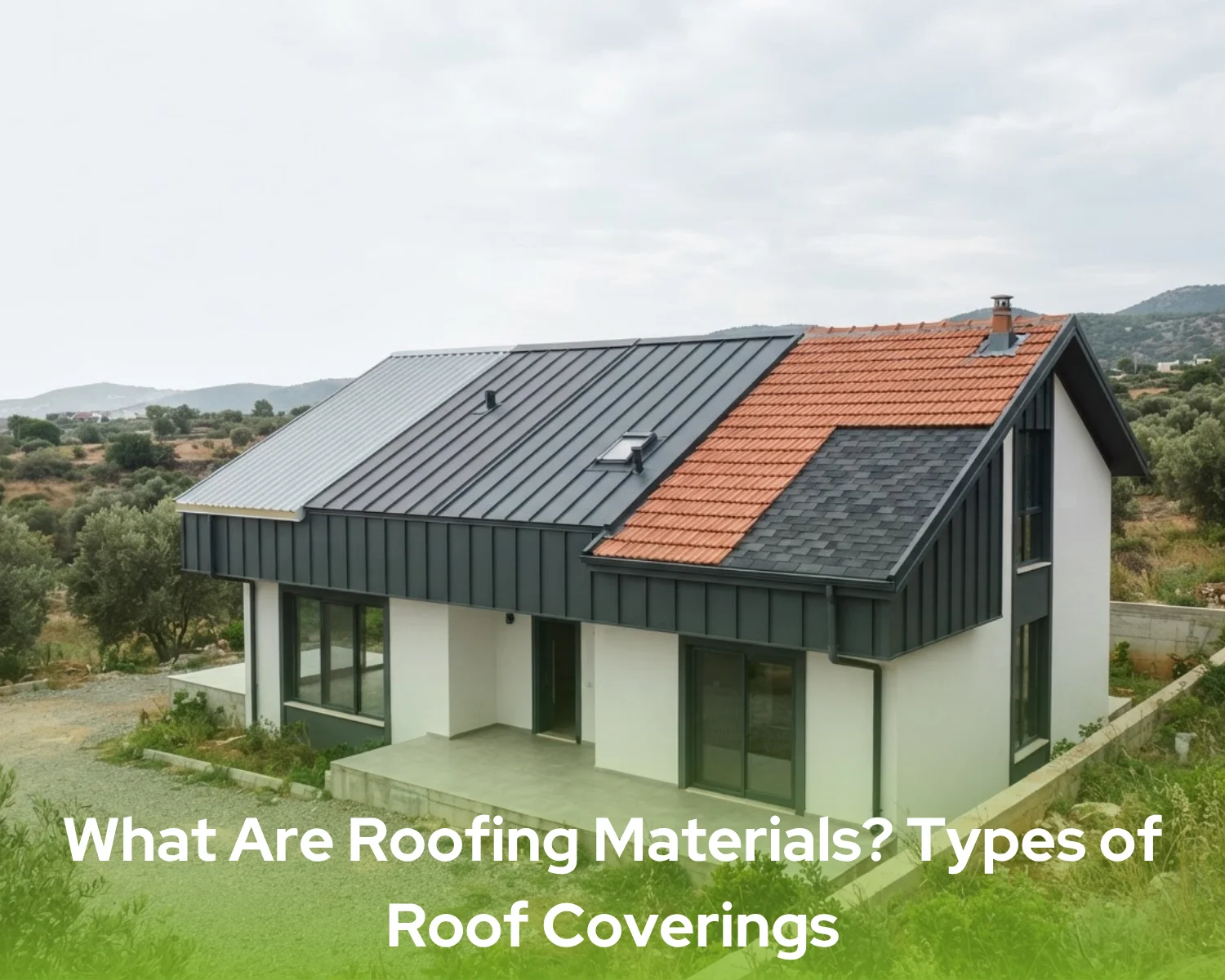
Roofing materials protect buildings against rain, snow, wind, sunlight and other external conditions. The right roof covering material should be selected according to the building type, roof pitch, climate conditions and insulation requirements.
Today, many different roofing solutions are available, including sandwich panels, trapezoidal metal sheets, standing seam systems, traditional tiles and asphalt shingles. Lightweight and quickly installed roofing systems are particularly suitable for prefabricated and steel structures.
What Are the Main Types of Roofing Materials?
Different roofing materials offer different levels of durability, weight, insulation and maintenance requirements.
Common roofing materials include:
- Sandwich panels: Consist of two metal sheets with an insulating core. They provide both roof covering and thermal insulation.
- Trapezoidal metal sheets: Lightweight and easy to install, making them widely used in steel and industrial buildings.
- Roof tiles: A traditional roofing solution commonly used in residential buildings.
- Metal roof tiles: Combine the appearance of traditional tiles with the lightweight characteristics of metal.
- Asphalt shingles: Lightweight bitumen-based coverings commonly used on pitched roofs.
- Standing seam metal roofing: Metal sheets connected with raised seams, frequently used in modern architectural projects.
- Bituminous roofing sheets: Lightweight roofing products suitable for various building types.
The appropriate material should always be selected according to the technical requirements of the project.
How to Choose a Roofing Material
Climate conditions are one of the most important factors when selecting a roofing material. Buildings located in areas with heavy snowfall or rainfall may require different roofing solutions from those in hot and dry climates.
The following factors should be considered:
- Roof pitch
- Structural load capacity
- Thermal and waterproofing requirements
- Snow and wind loads
- Material weight
- Installation time
- Maintenance requirements
- Intended use of the building
For lightweight structures in particular, the roofing system should not create unnecessary loads on the structural frame.
What Materials Are Used Under Roof Coverings?
Roof underlay materials are installed beneath the main roof covering to improve moisture, water and thermal protection.
Depending on the roofing system, waterproof membranes, vapor-control layers, OSB boards and thermal insulation products may be used.
A properly designed roof build-up can also help reduce problems such as water penetration and condensation. The materials used beneath the roof covering should therefore be selected together with the primary roofing system.
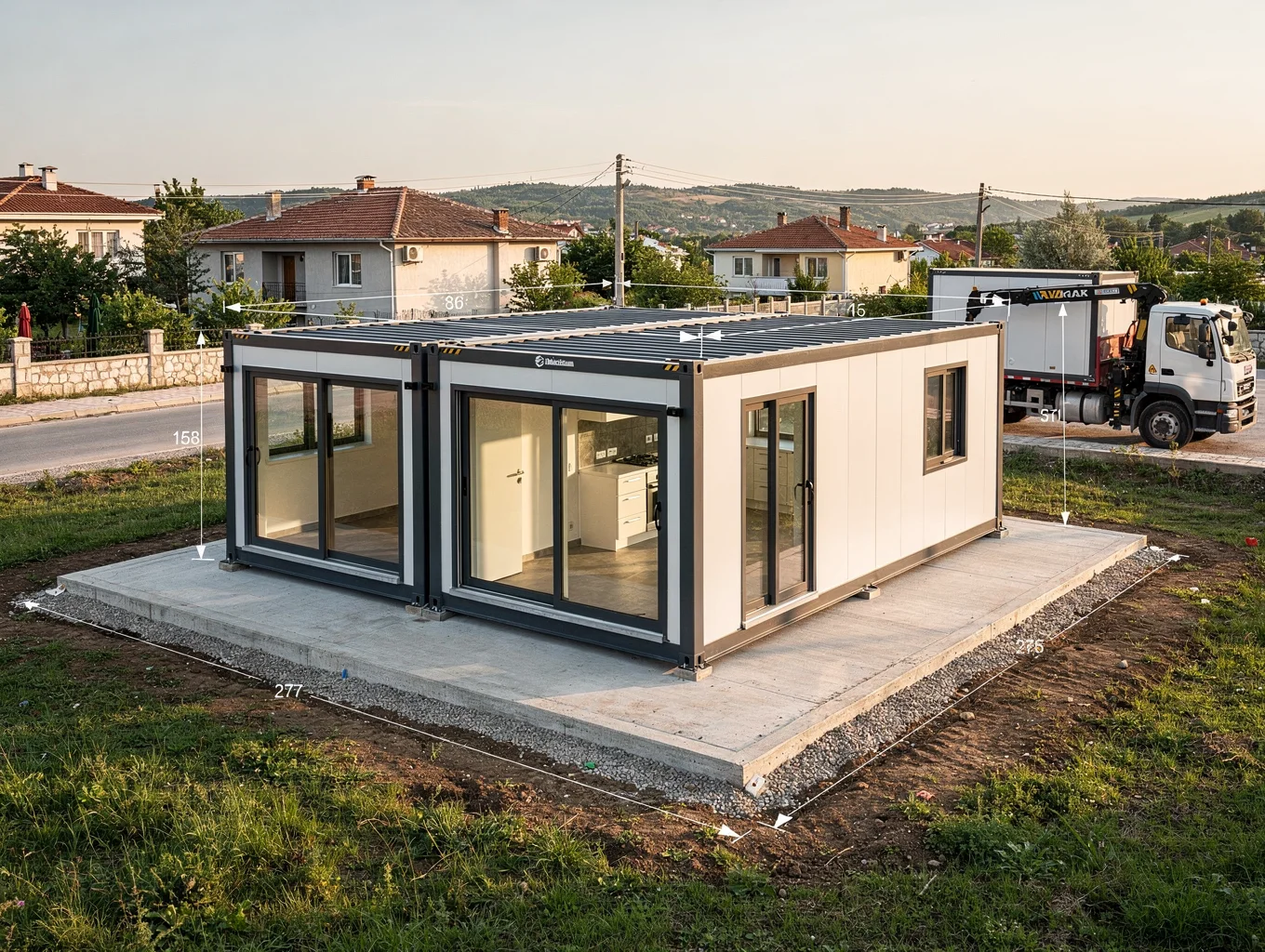
Roofing Materials for Prefabricated Buildings
In prefabricated buildings, the roof covering should be designed according to the intended use and technical requirements of the project.
Lightweight and quickly installed materials help maintain the speed and efficiency advantages of prefabricated construction. Insulated sandwich panels are commonly considered because they combine exterior covering and insulation within a single system.
Different metal roofing systems can also be selected depending on project requirements.
Roofing for Steel Buildings
Roof coverings used on steel structures must be compatible with the structural system. Trapezoidal metal sheets and sandwich panels are common solutions because of their relatively low weight and efficient installation.
For large-span structures, roofing weight, snow loads and wind loads should be considered during the design stage. Roof pitch, drainage and rainwater systems should also be planned as part of the complete roofing solution.
What Is the Best Roofing Material?
There is no single best roofing material for every building. The most suitable option depends on the intended use, climate, structural system and performance requirements.
For example, an insulated sandwich panel may be advantageous when thermal performance is important, while trapezoidal metal sheets or other systems may be more appropriate for another project.
Cost, durability, insulation performance, maintenance and expected service life should therefore be evaluated together.
Why Is Roof Insulation Important?
A roof is one of the main parts of a building exposed directly to external weather conditions. For this reason, a roofing system should provide more than protection against rainfall.
A properly designed roof and insulation system can help reduce heat loss, maintain more stable indoor temperatures and control moisture-related problems.
The roof covering, insulation layers and drainage system should therefore be designed as an integrated system.
Frequently Asked Questions
What are the most common roofing materials?
Sandwich panels, trapezoidal metal sheets, roof tiles, metal tiles, asphalt shingles, standing seam metal systems and bituminous sheets are among the commonly used roofing materials.
Which roofing materials are used for prefabricated buildings?
The selection depends on the project. Sandwich panels and various lightweight metal roofing systems are commonly suitable for prefabricated structures.
What should be considered when choosing roofing materials?
Climate, roof pitch, structural system, wind and snow loads, insulation requirements, maintenance and intended use should all be considered.