






















The global real estate market is facing unprecedented challenges. With rising property prices and a shortage of rental inventory, millions of people are asking the same question: How can we access affordable, quality homes? In the search for solutions, one term constantly arises in the United Kingdom and beyond: the housing association. But what is a housing association, and how does it differ from traditional council housing or private renting?
For many, these organizations are the invisible backbone of the housing sector, providing homes for millions of people. However, their role is evolving. They are no longer just landlords; they are becoming pioneers in sustainable construction, utilizing technologies like prefabricated houses and light steel structures to solve the housing crisis.
In this comprehensive guide, we will explore the definition of a housing association, how they operate, eligibility criteria, and how they are shaping the future of construction.
Defining the Concept: What is a Housing Association?
To understand the property landscape, we must first answer the core question: What is a housing association?
In simple terms, a housing association is a non-profit organization that provides low-cost “social housing” for people in need. Unlike private developers who build homes to generate profit for shareholders, these associations reinvest any surplus income back into the organization. This money is used to maintain existing properties, improve services for tenants, and, crucially, build new affordable homes.
While they are independent businesses, they are regulated by the government to ensure they provide safe and decent accommodation. They act as a middle ground between the public sector (government) and the private sector, combining social purpose with commercial discipline.
The Difference Between Council Housing and Housing Associations
A common point of confusion arises when comparing these associations to local councils. While both provide social housing, the distinction is important.
Council housing is owned and managed directly by the local municipality (the government). In contrast, a housing association is an independent body. Over the last few decades, many governments have transferred their housing stock to these associations because they are often more flexible and better equipped to manage large property portfolios.
This flexibility allows a housing association to secure private funding and government grants, enabling them to innovate. This is particularly evident in how they are now adopting modern construction methods to build homes faster and more efficiently.
Modern Construction: The Solution to the Housing Shortage
The demand for affordable housing is skyrocketing, and traditional brick-and-mortar construction is often too slow to keep up. This is where forward-thinking associations are changing the game. To reduce waiting lists and construction costs, many are turning to Modern Methods of Construction (MMC).
1. The Speed of Prefabricated Houses
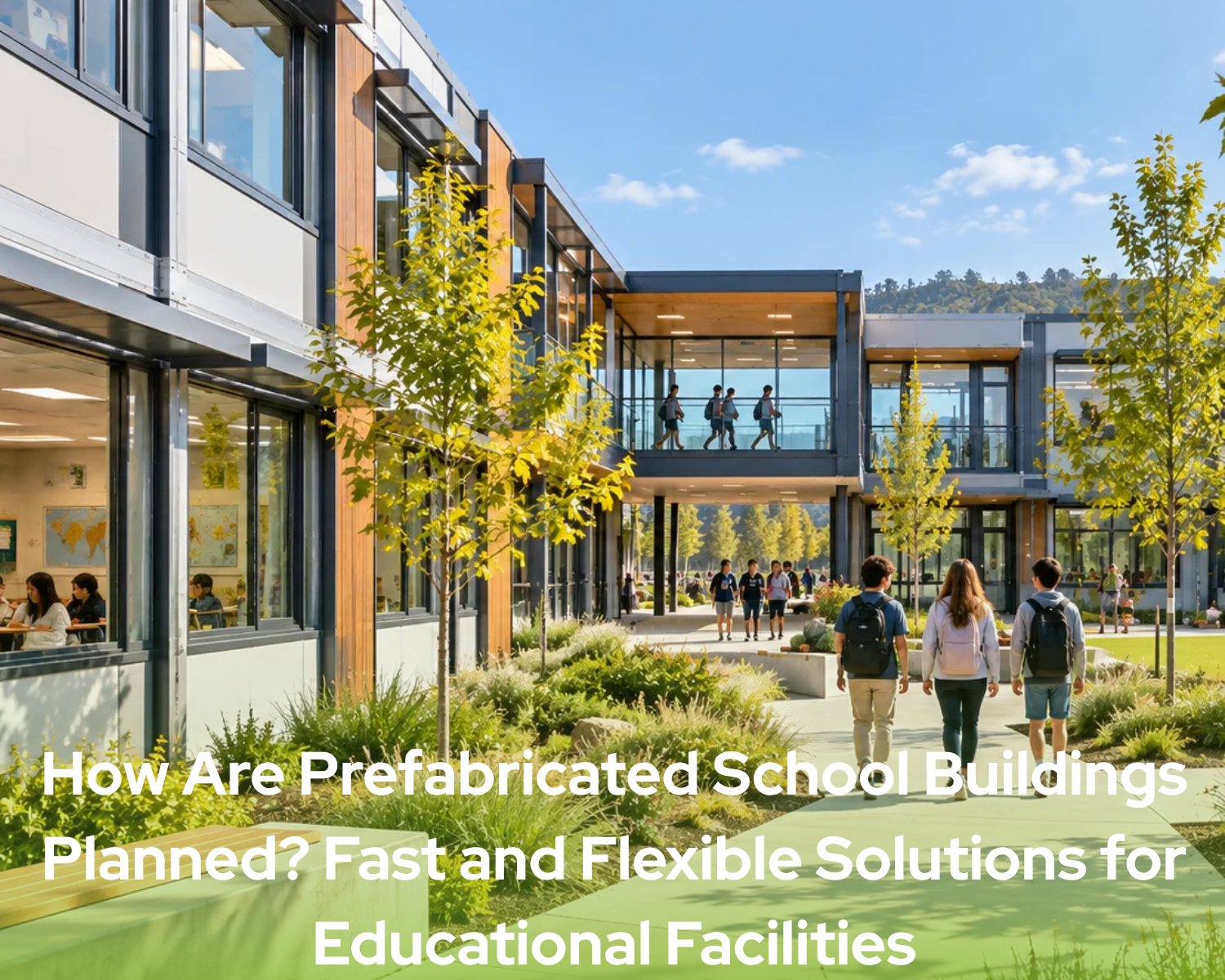
One of the most effective solutions being adopted is the use of prefabricated houses. These homes are manufactured in a controlled factory environment and then transported to the site for assembly. For a housing association, this means a project that used to take 12 months can now be completed in half the time. Prefabricated structures are not only fast to build but also highly energy-efficient, which helps reduce utility bills for low-income tenants.
2. Durability with Light Steel Houses
Social housing needs to be robust. Maintenance costs can drain a budget, so durability is key. This is why light steel houses are becoming increasingly popular in the sector. Steel frames offer superior resistance to fire, pests, and harsh weather conditions compared to timber frames. By investing in light steel technology, a housing association ensures that its assets remain in excellent condition for decades, reducing the long-term burden of repairs.
3. Innovation with Container Houses
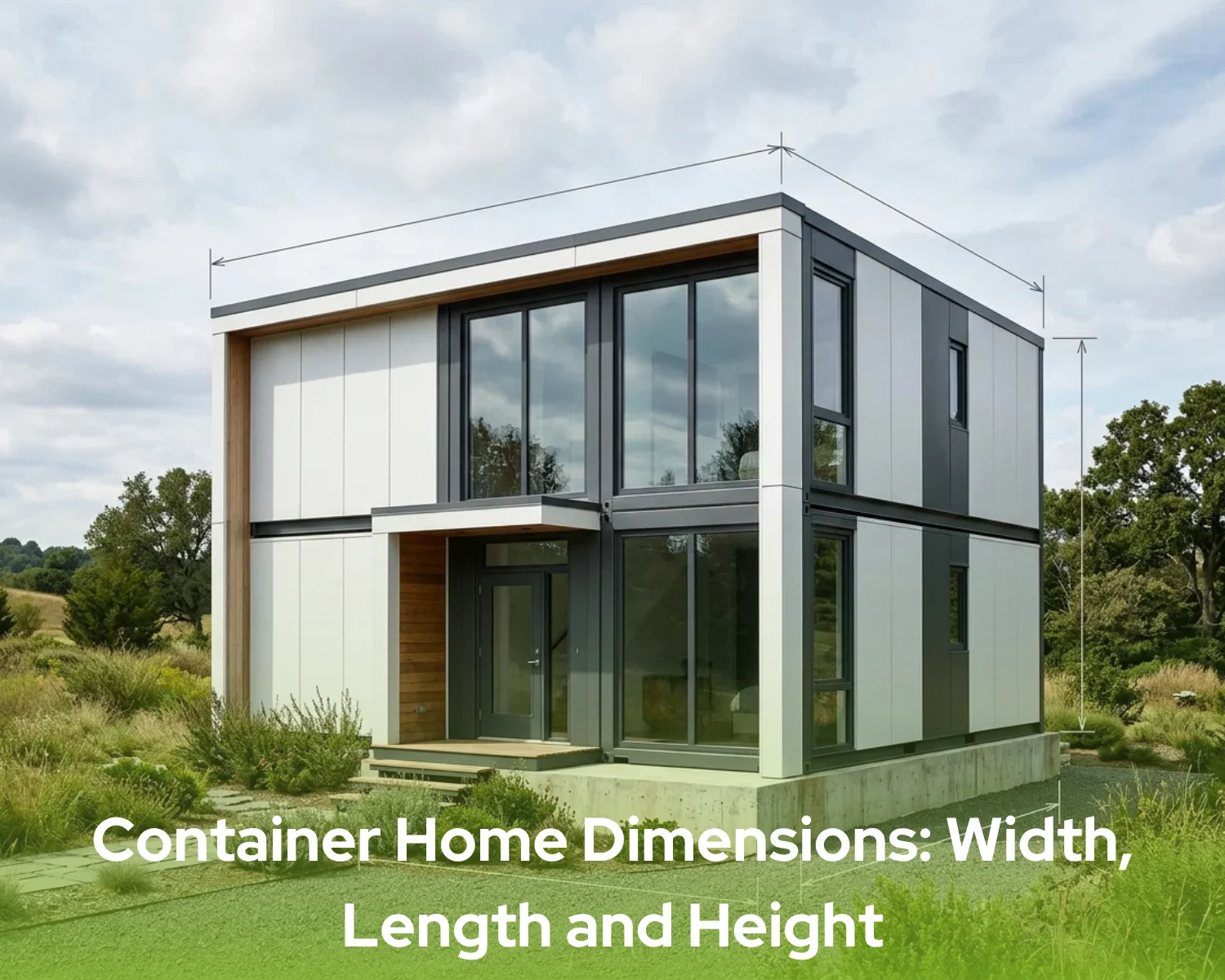
In urban areas where land is scarce and expensive, creativity is essential. Some associations are experimenting with container houses to create stylish, modular apartment blocks. Far from being basic “boxes,” these converted containers are insulated, modern, and aesthetically pleasing. They offer a rapid solution for emergency housing or starter homes for young people. This approach highlights how versatile a modern housing association can be in addressing specific demographic needs.

Who Is Eligible for Housing Association Properties?
The primary mission of a housing association is to support those who cannot afford to rent or buy on the open market. While policies vary by country and organization, priority is generally given to:
-
Low-income households: Those whose earnings do not cover average market rents.
-
Vulnerable individuals: People with disabilities, the elderly, or those escaping domestic violence.
-
Key workers: In some cases, nurses, teachers, and police officers are given priority to ensure they can live near their workplace.
To secure a home, applicants typically register with their local council, which then nominates them to a housing association. However, as the sector expands, some associations now offer “intermediate rent” properties available to a wider range of working professionals.
The Benefits of Living in a Housing Association Home
Why is securing a tenancy with a housing association so highly sought after? The benefits go beyond just a roof over one’s head.
Financial Stability
The most obvious benefit is the rent. Rents are significantly lower than private sector averages. This financial relief allows tenants to save for the future, invest in education, or simply live without the constant stress of rent hikes.
Security of Tenure
In the private rental market, tenants often face the risk of eviction if the landlord decides to sell. A housing association typically offers “assured tenancies.” As long as the tenant respects the property and pays the rent, they often have a home for life. This stability is crucial for families with children in local schools.
Professional Management
Because they are regulated bodies, associations must adhere to strict maintenance standards. If a heating system fails or a window breaks, the housing association is legally required to fix it promptly. Tenants do not have to negotiate with reluctant private landlords for essential repairs.
Shared Ownership: A Path to Buying
Another critical answer to “what is a housing association doing for buyers?” lies in the concept of Shared Ownership.
Many people dream of buying a house but cannot save for the massive deposit required. Housing associations offer a scheme where you buy a share of the property (e.g., 25% to 75%) and pay a subsidized rent on the rest. Over time, you can buy more shares—a process called “staircasing”—until you own the property 100%. This innovative model has helped thousands of first-time buyers get onto the property ladder who otherwise would have been locked out of the market.
Challenges Facing the Sector
Despite their success, the sector is not without its difficulties. The primary challenge is the sheer scale of the demand. In many cities, waiting lists for a what is a housing association home can stretch for years.
This shortage highlights why the shift to industrial construction is so vital. By utilizing prefabricated houses and light steel houses, associations can scale up production. Factories can produce home modules day and night, regardless of the weather, ensuring a steady supply of new units.
Another challenge is the “Net Zero” target. Older social housing stock is often energy inefficient. Associations are now tasked with retrofitting these homes with new insulation and heating systems, a costly but necessary endeavor to fight climate change.
The Future: Smart Homes and Sustainable Communities
Looking ahead, the role of the housing association is set to expand even further. We are moving towards an era of “Smart Social Housing.” New developments are being equipped with smart meters and IoT sensors to monitor energy usage and detect maintenance issues before they become serious.
Sustainability is also taking center stage. The integration of container houses and recycled materials into design plans is becoming standard practice. The goal is to create communities that are not only affordable but also environmentally responsible.
Furthermore, these organizations are focusing more on “placemaking.” It is not just about building units; it is about building communities with parks, community centers, and access to public transport. A modern housing association acts as a community developer, ensuring that residents have a high quality of life.
Frequently Asked Questions (FAQ)
Q: Can I apply directly to a housing association? A: Usually, you must apply through the local council’s housing register. However, for specific schemes like Shared Ownership or intermediate rent, you can often apply directly to the association.
Q: Are the homes furnished? A: Typically, social housing properties are let unfurnished. However, some associations offer support schemes to help new tenants acquire essential furniture and appliances.
Q: Is a housing association the same as a housing cooperative? A: No. In a cooperative, the residents manage the property themselves and have a say in how it is run. A what is a housing association is a separate organization that manages the property on behalf of the tenants.
So, what is a housing association? It is a cornerstone of a fair society. It is an organization that balances the books while prioritizing people over profit. From providing secure tenancies for the vulnerable to offering pathways to homeownership for young professionals, their impact is immense.
As we face the challenges of the 21st century, these associations are evolving. By embracing advanced construction technologies—such as rapid prefabricated houses, resilient light steel houses, and innovative container houses—they are proving that affordable housing can also be high-quality, modern, and sustainable.
For anyone struggling with the high cost of living, understanding the role of the housing association is the first step towards finding a secure and affordable future. Whether you are a potential tenant, a policymaker, or an investor, it is clear that these organizations are building the foundations of a better world.