






















What is Modular Design? The Broken Promise of Traditional Construction
If you have ever been involved in a traditional construction project, the memories are likely vivid—and perhaps stressful. The endless noise, the unpredictable weather delays, the budget creep that seems inevitable, and the massive amounts of waste generated on-site are accepted as “just the way things are.” For centuries, we have accepted that building something permanent means enduring a temporary chaos.
But what if it didn’t have to be that way? What if we could apply the precision of high-end manufacturing, the speed of modern logistics, and the beauty of bespoke architecture to the creation of our homes and offices?
At Pramo, we believe the traditional model is broken. The world is moving too fast, and our planet is too fragile for the old ways of building. We are championing a smarter, faster, and cleaner alternative. When clients, developers, and architects first approach us, looking for a better solution, the very first question on their lips is often, simply: what is modular design?
It is a simple question with a revolutionary answer. It is not just a different way to build; it is a fundamental rethinking of how we create space.
You can check our prefab buildings.
Defining the Concept: Beyond the “Box”
To truly grasp the potential of modern architecture and the direction the industry is heading, one must first fully understand what is modular design.
There is a common misconception that modular means “temporary” or “cheap,” often conjuring images of basic shipping containers or low-quality prefab cabins from the 1970s. It’s important to clarify that what is modular design today is vastly different from these outdated structures of the past.
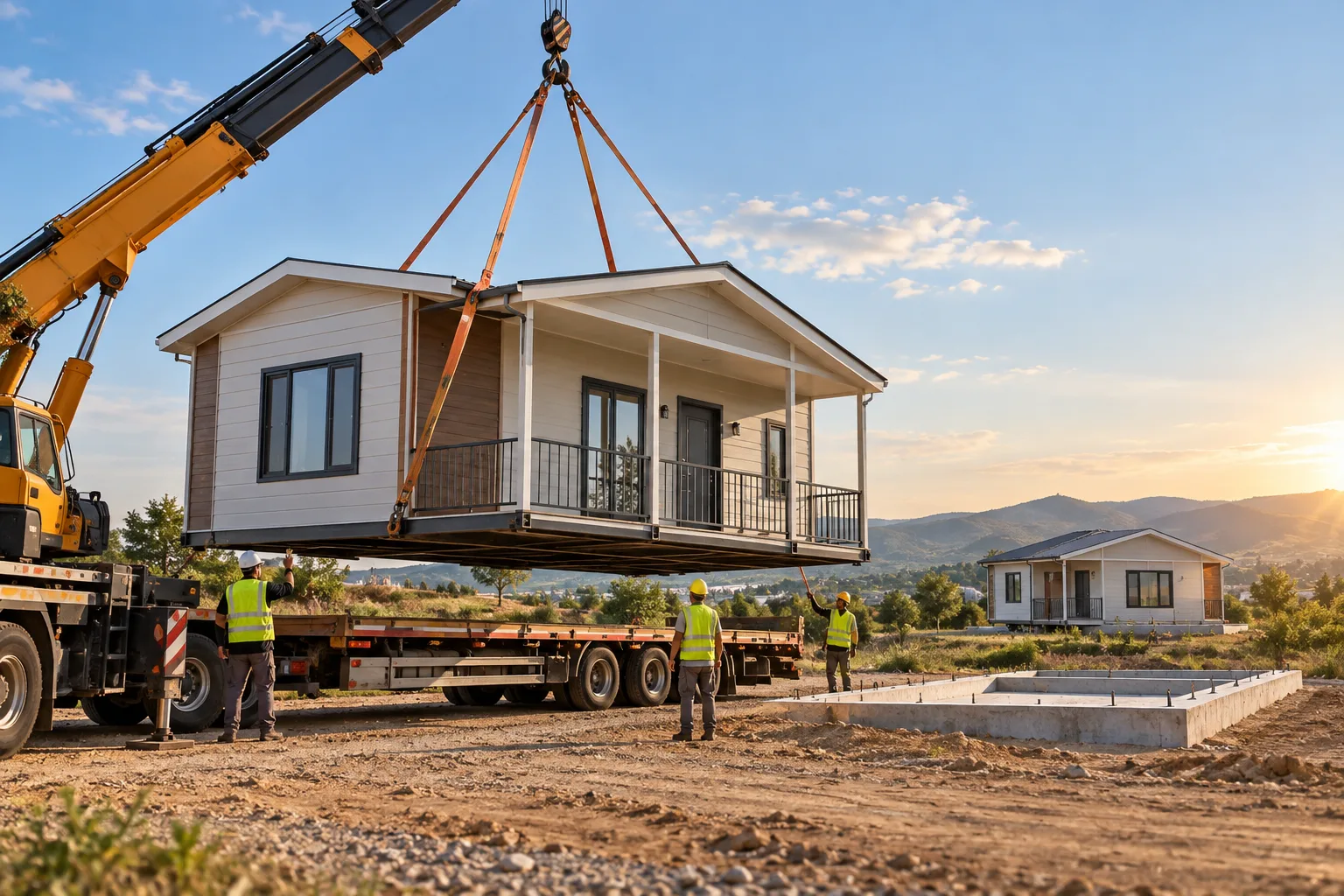
In its most sophisticated form—the way Pramo executes it—modular design is a process where a building is constructed off-site, under controlled plant conditions, using the same materials and designing to the same codes and standards as conventionally built facilities.
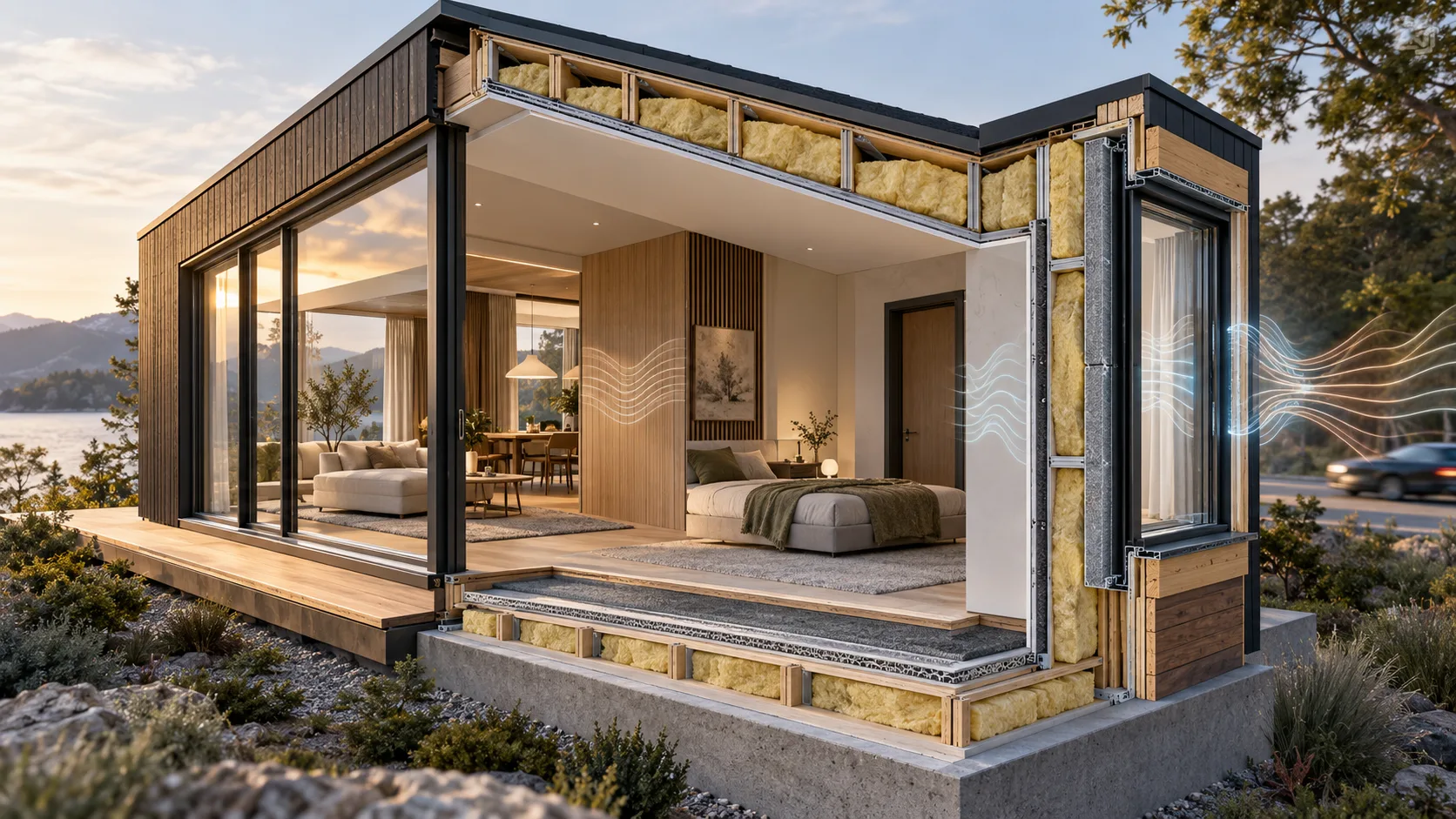
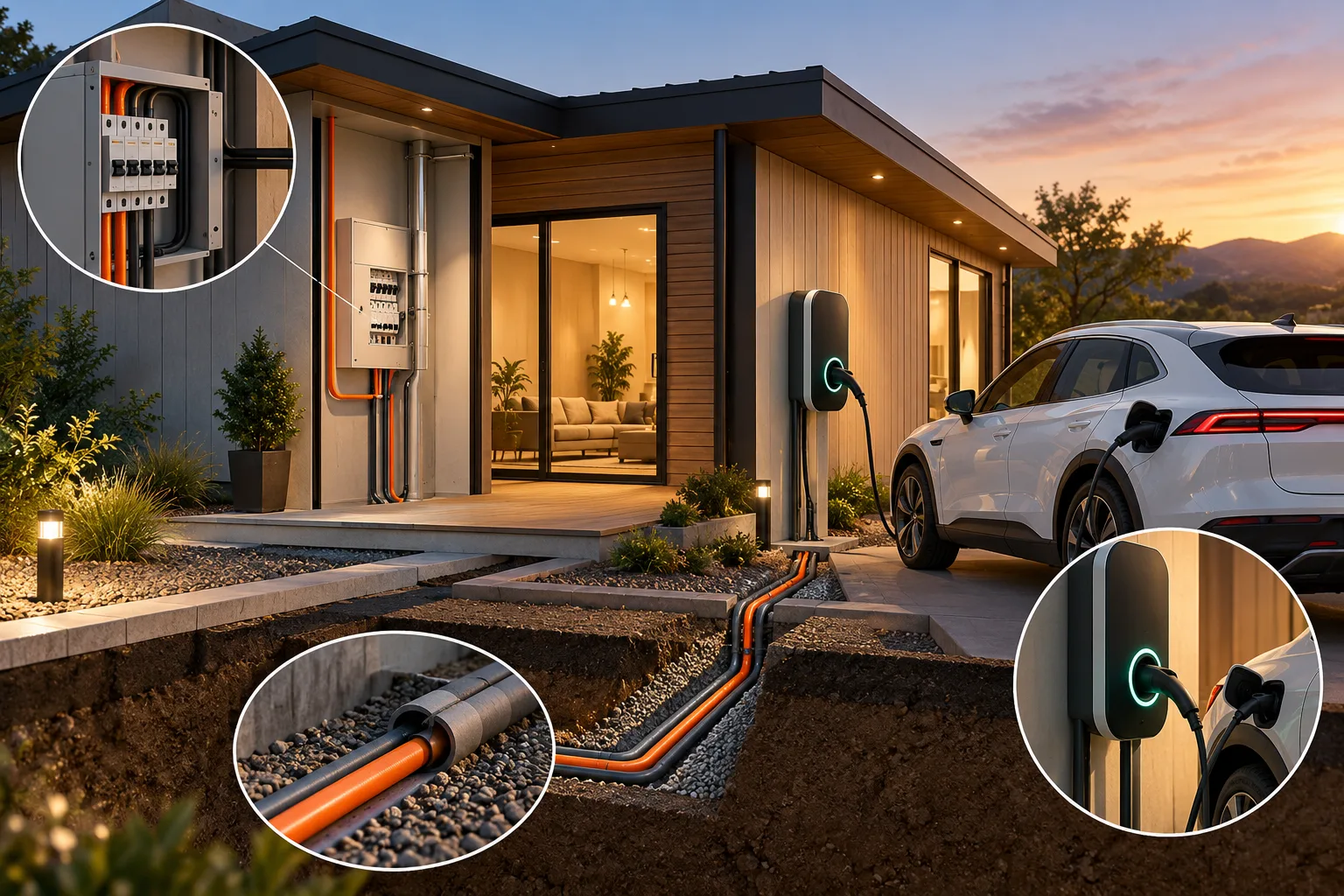
Think of it as volumetric construction. We aren’t just shipping flat panels to a site. We are building entire three-dimensional sections (modules) of a structure in our advanced factory. These modules are 60% to 90% completed in the factory—including plumbing, electrical wiring, high-grade insulation, flooring, and even final fixtures—before they are ever transported.
When these precision-engineered components arrive at the final destination, they fit together perfectly, like pieces of an incredibly complex, high-stakes puzzle, to create a seamless, durable, and stunning whole.

The Pramo Advantage: Why the Shift is Happening Now
Why is this shift occurring now? Why are luxury hotel brands, major healthcare providers, and discerning homeowners suddenly turning away from onsite builds and embracing off-site construction? The answer lies in the undeniable efficiency of the process.
1. The Velocity of Parallel Processing
Time is the most valuable commodity in development. In a traditional build, you cannot start framing the walls until the foundation is cured. You cannot install the windows until the framing is done. It is a linear, slow process entirely dependent on the weather.
Modular design shatters this timeline through parallel processing. While your site is being surveyed, graded, and the foundation poured, Pramo is already building the floors, walls, and roofs in our facility. Rain, snow, or extreme heat do not stop our production line.
Clients who are tired of endless delays find the answer to what is modular design particularly refreshing: it is predictable speed. We can reduce overall project timelines by up to 50%. This means faster occupancy for homeowners and a faster return on investment for developers.
2. Precision Quality Control: The Factory Environment
Try to achieve perfect drywall finishes or airtight insulation seals on a muddy, windy construction site in November. It’s nearly impossible. Traditional construction relies heavily on the varying skill levels of transient subcontractors working in sub-optimal conditions.
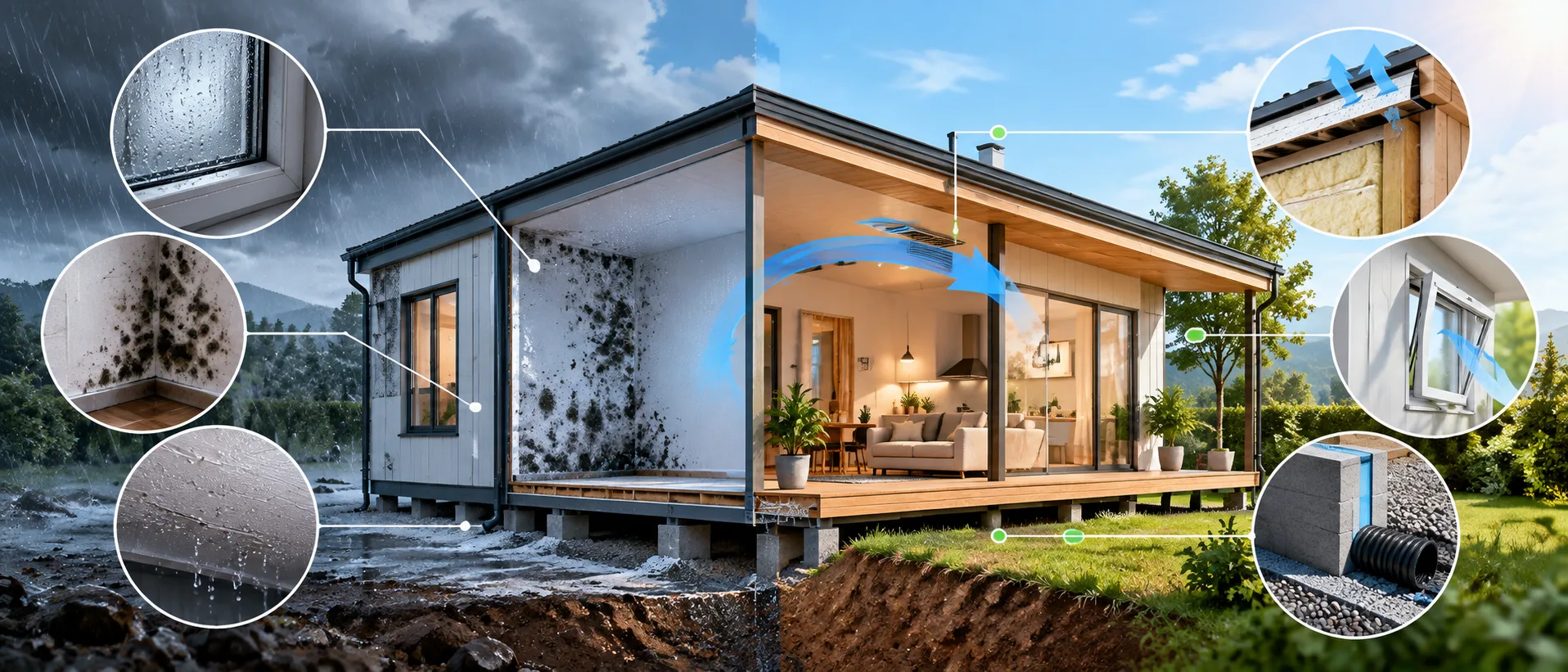
By moving construction indoors, Pramo introduces aerospace-level quality control to building. Every cut is automated for millimeter precision. Every weld is inspected. Materials are stored in dry, climate-controlled environments, preventing mold and warping before they are even installed. The structure we deliver is not only built faster; it is built better, stronger, and to tighter tolerances than anything built out in the elements.
3. Sustainability: Building Without Destroying
The construction industry is notoriously wasteful, accounting for a massive percentage of global landfill waste. When we analyze the environmental impact of construction, the realization of what is modular design brings to the table regarding sustainability is game-changing.
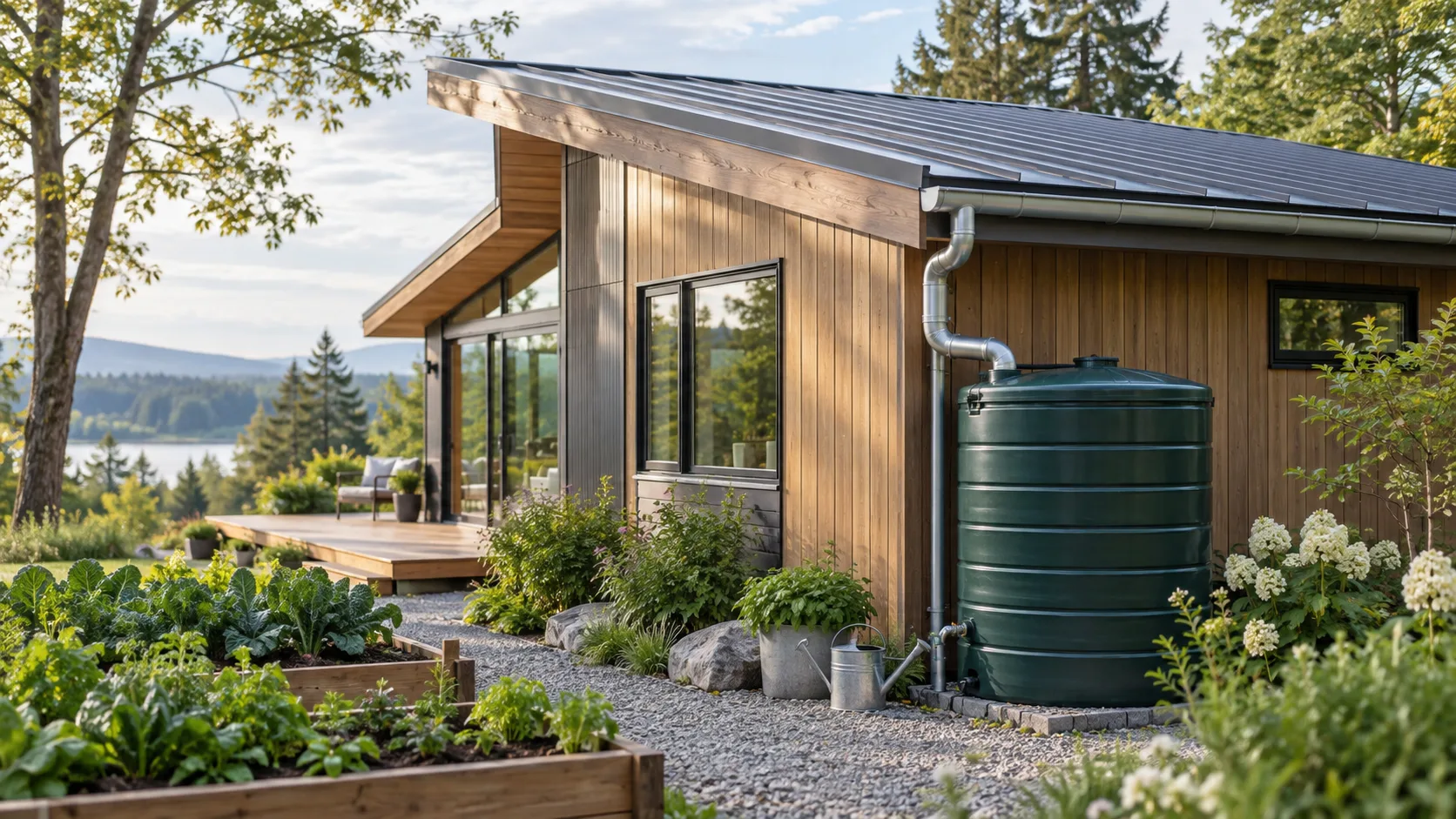
In a factory setting, waste is virtually eliminated. We know exactly how much timber or steel is needed. Off-cuts from one module are immediately recycled into the next. Furthermore, because there are fewer deliveries to the final site and less heavy machinery running for months on end, the carbon footprint of the entire build phase is drastically reduced. Pramo modules are designed for energy efficiency from day one, utilizing superior thermal envelopes that are easier to achieve in a factory setting.
Customization Meets Scalability
A major hesitation for some is the fear that “modular” means “boring” or repetitive. At Pramo, we believe that what is modular design should never mean a compromise on aesthetics or architectural freedom.
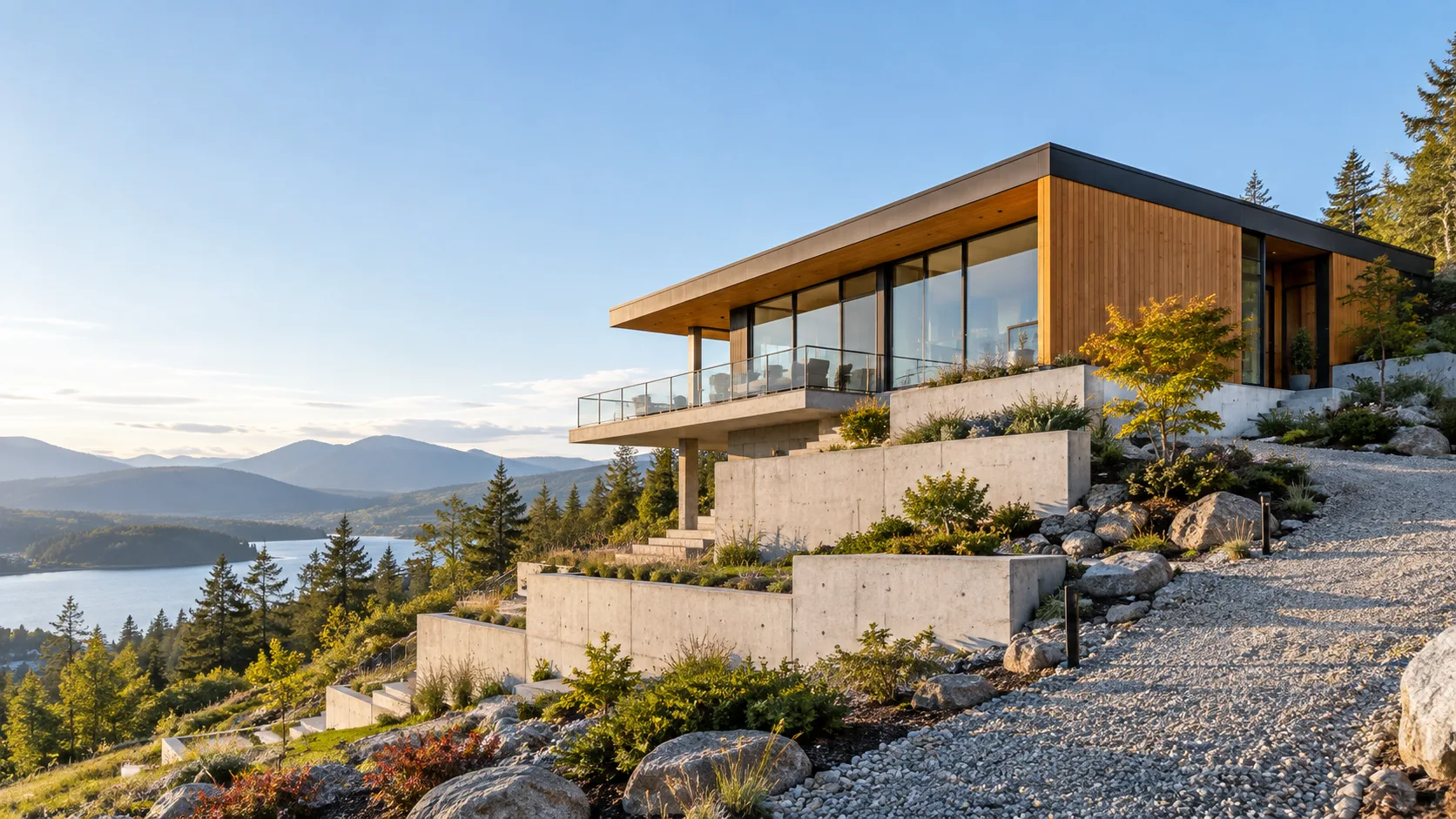
Our approach is not about forcing you into a standard box. It is about using standardized components to create bespoke solutions. Whether you desire a sprawling minimalist villa with floor-to-ceiling glass, a multi-story urban office complex, or boutique hospitality units, our engineering team adapts the module to the vision.
Furthermore, modularity offers unparalleled flexibility for the future. Traditional buildings are static; modular buildings can evolve. If your family grows or your business expands, adding new modules to an existing Pramo structure is a relatively clean and simple process compared to the demolition and reconstruction required by traditional additions.
The Future is Engineered
The global housing crisis, the severe shortage of skilled on-site labor, and the urgent need for sustainable practices have forced governments and developers to nervously ask: what is modular design and can it save the industry?
We believe it is the only viable path forward. We are integrating technologies like Building Information Modeling (BIM) to create “digital twins” of every project before production begins, ensuring that every pipe and wire is perfectly aligned before physical work starts. Looking ahead to 2030, the definition of what is modular design will evolve even further to include fully integrated smart-city components and automated assembly lines.
Your Vision, Accelerated
Ultimately, exploring what is modular design is an exploration of efficiency in a resource-scarce world. It is about rejecting the chaos of the past and embracing a future where buildings are engineered products, not just artisanal projects.
Pramo is at the forefront of this shift. We are not just stacking boxes; we are creating high-performance environments designed for modern life.
If you are ready to build faster, smarter, and more sustainably, the conversation starts here. So, the next time someone asks you what is modular design, tell them it is the future of architecture, delivered today by Pramo.