






















The construction industry is undergoing a massive transformation. As efficiency, sustainability, and speed become the top priorities for developers and homeowners alike, traditional building methods are being replaced by smarter alternatives. At the heart of this revolution is modular building. However, to truly understand the benefits, one must first explore the various types of modular construction available in today’s market.
Modular construction is not a “one-size-fits-all” solution. Depending on the project’s scale, budget, and architectural requirements, different methods are employed. In this guide, we will break down the primary categories and explain how Pramo utilizes these technologies to deliver high-quality living spaces.
1. What is Modular Construction?
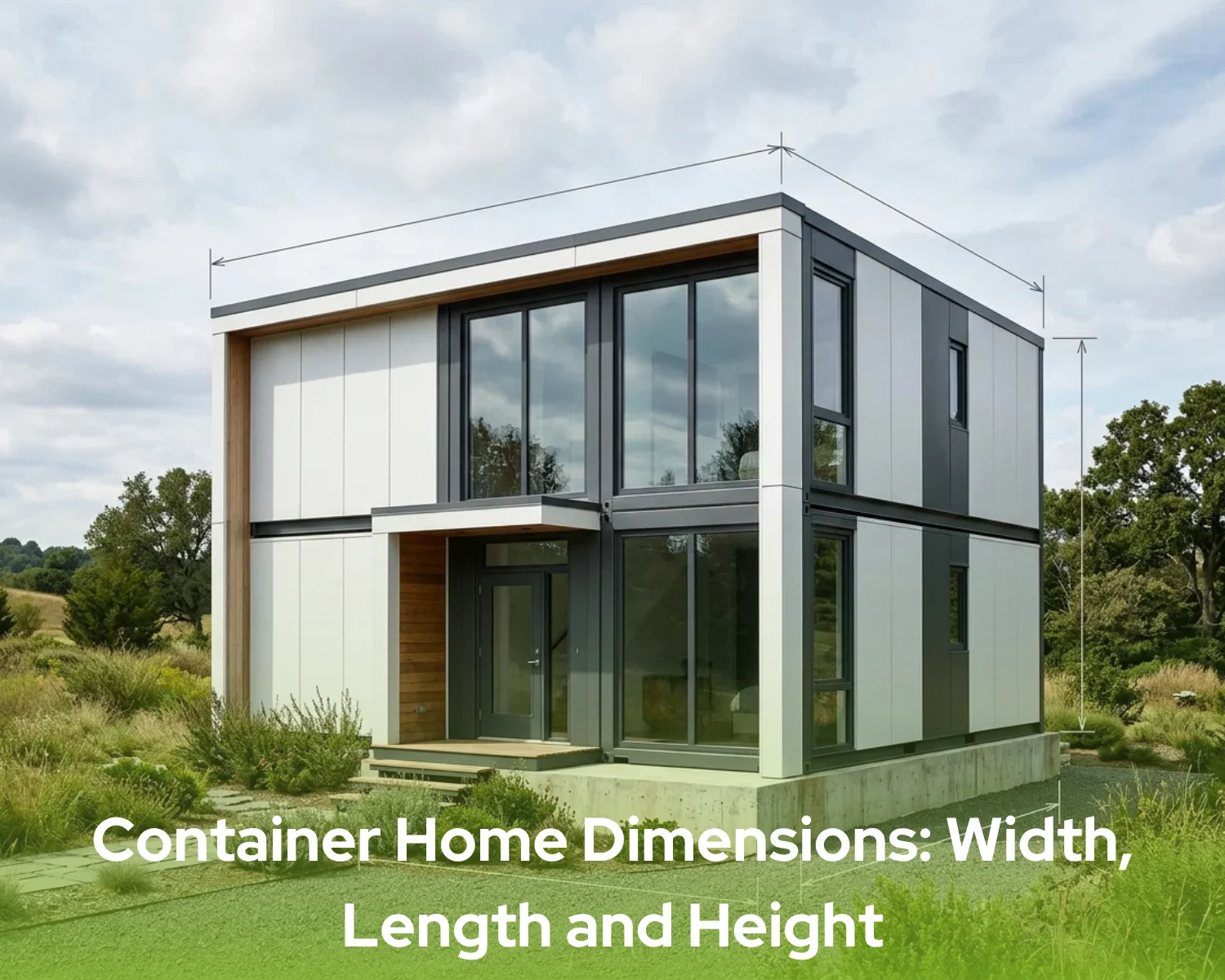
Before diving into the specific types of modular construction, it is essential to define the core concept. Modular building involves constructing sections of a building—known as modules—off-site in a controlled factory environment. Once completed, these modules are transported to the final site and assembled like pieces of a puzzle.
This process significantly reduces weather delays, material waste, and labor costs. When we look at the modular structures provided by industry leaders, it’s clear that this method is the future of urban and rural housing.
2. The Four Main Types of Modular Construction
The industry generally categorizes these methods based on how much of the building is completed in the factory versus on the construction site. Here are the most common types of modular construction used globally today:
A. Volumetric Modular Construction
This is perhaps the most well-known type. In volumetric construction, entire three-dimensional units (like a room, a kitchen, or a bathroom pod) are built in the factory. They come complete with walls, floors, ceilings, and often internal finishes like plumbing and electricity.
-
Best for: Hotels, student housing, and apartment blocks where repetitive units are needed.
B. Panelized Construction
Unlike volumetric units, panelized systems involve creating flat wall, floor, and roof panels in the factory. These are then shipped to the site and assembled.
-
Best for: Custom residential homes where unique layouts are required.
C. Hybrid (Semi-Volumetric) Construction
As the name suggests, this combines both volumetric and panelized methods. For instance, high-service areas like kitchens or bathrooms might be delivered as volumetric “pods,” while the rest of the house is built using panels.
-
Best for: High-end villas and complex commercial buildings.
D. Sub-Assemblies and Components
This involves smaller factory-made components that are integrated into a traditionally built home. Think of pre-made roof trusses or floor cassettes.
3. Permanent vs. Relocatable Modular Buildings
When discussing the various types of modular construction, we must distinguish between their intended lifespan and use case.
-
Permanent Modular Construction (PMC): These are designed to stay in one place indefinitely. They are attached to a fixed foundation and are virtually indistinguishable from traditional buildings once finished. PMC is widely used for schools, hospitals, and luxury homes.
-
Relocatable Modular Buildings: Often referred to as “temporary” structures, these are designed to be moved. They are ideal for construction site offices, temporary classrooms, or emergency housing.
4. Why Understanding the Types of Modular Construction Matters
For developers and homeowners, choosing the right method is critical. If you are building a large-scale housing project, volumetric might be the fastest. If you are building a bespoke luxury villa, a hybrid or panelized system might offer more design freedom.
Knowing the different types of modular construction allows you to optimize your budget. At Pramo, we help our clients navigate these choices, ensuring that the technology matches the vision for the project.

5. The Role of Materials: Light Steel Frame (LSF)
One of the most advanced materials used across various types of modular construction is Light Steel Frame (LSF). At Pramo, we specialize in LSF because it offers unparalleled strength-to-weight ratios.
-
Durability: Steel doesn’t rot, warp, or invite termites.
-
Sustainability: Steel is 100% recyclable, fitting perfectly into the “green building” ethos.
-
Speed: LSF components are manufactured with millimetric precision, making on-site assembly incredibly fast.
6. Speed and Efficiency: The Modular Advantage
Why are so many investors switching to these types of modular construction? The answer lies in the timeline. Traditional construction is linear—you can’t build the roof until the walls are up, and you can’t build the walls until the foundation is set.
In modular building, the foundation is prepared on-site at the same time the modules are being built in the factory. This “concurrent” workflow can reduce project timelines by up to 50%.
7. Quality Control in Factory Environments
A major benefit shared by all types of modular construction is the quality of the build. In a traditional site, materials are exposed to rain, wind, and fluctuating temperatures. In a factory, everything is climate-controlled.
-
Precision: Machines and specialized tools ensure every joint is perfect.
-
Inspections: Every module or panel undergoes rigorous quality checks before leaving the facility.
8. Environmental Impact and Waste Reduction
Sustainability is no longer an option; it is a requirement. Traditional construction sites are notorious for waste. However, when utilizing modern types of modular construction, material usage is optimized through computer-aided design (CAD).
-
Less Waste: Excess materials in a factory are easily recycled or used for the next project.
-
Lower Footprint: Fewer deliveries to the construction site mean lower carbon emissions and less disruption to the local community.
9. Cost-Effectiveness and Financial Predictability
One of the biggest risks in construction is “budget creep.” Unexpected weather or labor shortages can drive costs through the roof. Because the different types of modular construction rely on factory manufacturing, costs are much more predictable.
-
Fixed Pricing: Once the design is finalized, the manufacturing cost is locked in.
-
Reduced Labor: Less time spent on-site means lower labor expenses and fewer insurance risks.
10. Choosing the Right Modular Future
The construction world is changing, and Pramo is at the forefront of this shift. Whether you are looking for a compact bungalow, a luxury villa, or a large-scale commercial structure, understanding the types of modular construction is the first step toward a successful build.
By combining the precision of factory manufacturing withthe strength of light steel frames, we provide housing solutions that are faster, greener, and stronger than ever before. The future is modular—and it’s time to build smarter.