





















In the rapidly evolving architectural landscape of 2026, modern construction methodologies have shifted significantly toward prefabricated and modular solutions. Among these, metal structures are frequently celebrated for their exceptional durability, earthquake resistance, and rapid assembly times. However, despite these widely advertised benefits, critical investors and potential homeowners often pause to ask, what is the steel framed homes problem? It is a valid inquiry. No construction method is entirely flawless, and understanding the inherent challenges of metal-based architecture is the first step toward building a sustainable, comfortable residence.
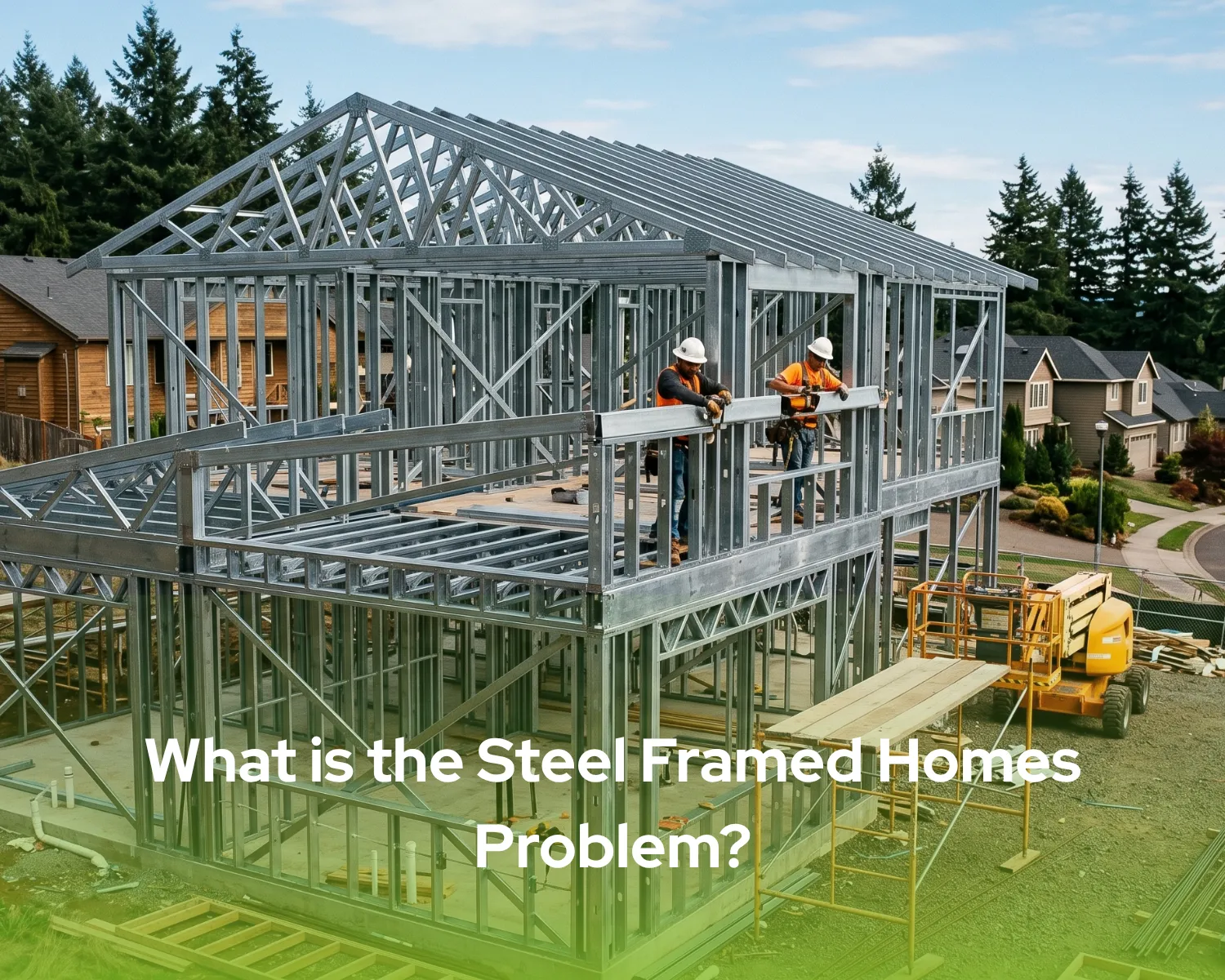
Pramo believes in complete engineering transparency. We know that to build the homes of the future, we must honestly address the limitations of the past. If you are wondering what is the steel framed homes problem, the answer usually lies not in the material itself, but in how it is engineered and assembled. When traditional builders attempt to use metal without adapting their insulation and structural techniques, issues arise. In this comprehensive guide, we will explore these challenges in detail and demonstrate how advanced steel frame construction overcomes them. To see our state-of-the-art modular solutions, explore our light steel structures!
Analyzing What is the Steel Framed Homes Problem
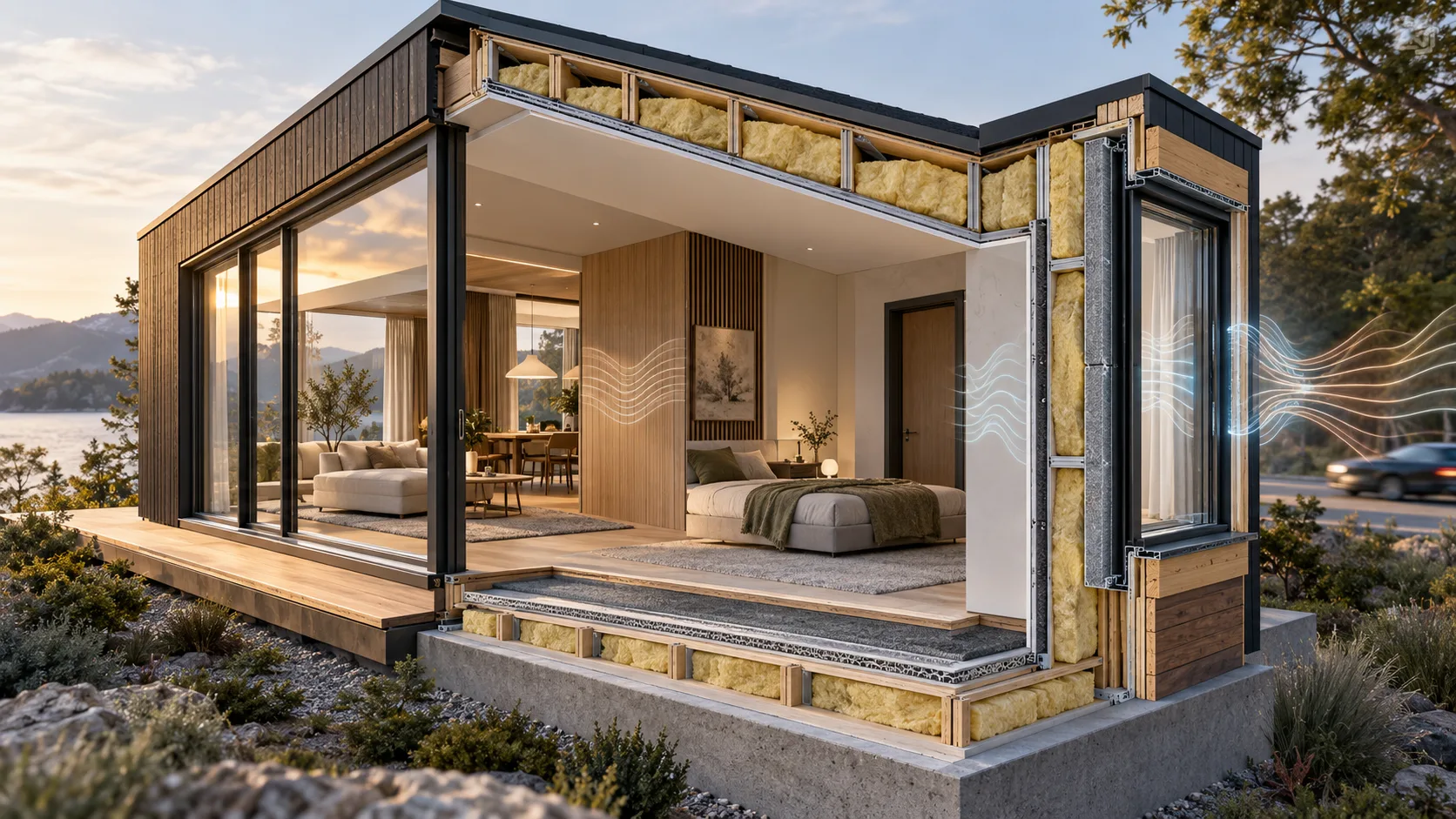
When industry experts debate the drawbacks of metal architecture, the conversation almost always begins with the strict laws of thermodynamics. Steel is an exceptional conductor of heat and cold. In a residential context, this physical property can be a significant disadvantage if the building envelope is not properly detailed. Traditional wood studs resist heat transfer relatively well, acting as mild insulators. Steel, on the other hand, actively transfers the outside temperature directly into the interior walls.
Therefore, the most direct answer to what is the steel framed homes problem is “thermal bridging.” Thermal bridging occurs when a highly conductive material creates a continuous pathway for heat to bypass the home’s thermal insulation layer. During the freezing winters of 2026, a poorly insulated metal frame will draw the heat out of the house. Conversely, in the scorching summer months, it will conduct the exterior heat inside. This leads to uncomfortable living environments and drastically inflated energy bills, which frustrates homeowners who expected high efficiency from their modern new build.
The Threat of Condensation and Hidden Moisture
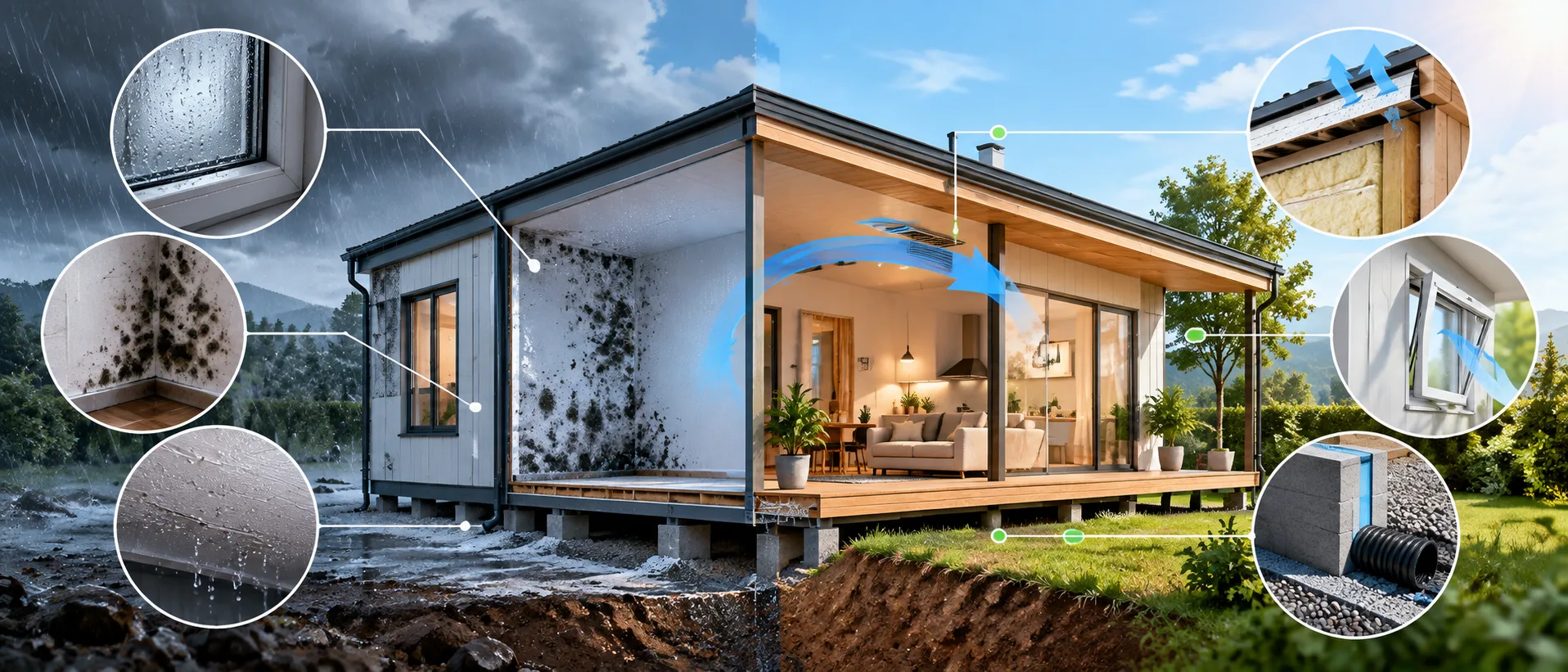
Thermal bridging leads directly to the second major issue in the construction timeline. When you ask a building scientist what is the steel framed homes problem, they will undoubtedly point to condensation. Because the metal frame fluctuates in temperature much faster than the surrounding air and insulation, it frequently reaches the dew point. When warm, moist indoor air comes into contact with the cold steel studs inside the wall cavity, water droplets immediately form on the metal surface.
Over time, this hidden moisture accumulates behind the drywall. While the steel itself will not absorb the water like wood does, the surrounding materials—such as fiberglass insulation, plasterboard, and interior finishes—certainly will. This chronic dampness can lead to dangerous mold growth and a severe degradation of indoor air quality. It is a slow, invisible process that can cost thousands of dollars to remediate if not prevented during the initial construction phase.
Corrosion: The Enemy of Structural Integrity
Another common concern raised when discussing what is the steel framed homes problem is the risk of rust and corrosion. Iron alloys are naturally susceptible to oxidation when exposed to moisture and oxygen over long periods. If a home is constructed near a coastal environment with high atmospheric salt, or if there is an undetected plumbing leak inside the walls, unprotected metal studs can begin to rust.
As the metal oxidizes, it loses its load-bearing capacity, compromising the entire structural integrity of the building. Low-quality builders might use untreated or poorly coated metal to cut costs, leaving the homeowner at risk. At Pramo, we eliminate this risk entirely by using heavily galvanized, zinc-coated light steel that is chemically resistant to oxidation, ensuring the frame lasts for generations without any degradation.
Acoustic Challenges and Sound Transmission
Sound management is an often-overlooked factor in residential comfort until the homeowner moves in. Metal is highly reverberant. Sound waves travel much faster and more efficiently through dense metal than they do through porous wood. This means that footsteps on a second floor, doors closing, or even plumbing noises can echo through the structural frame and be heard distinctly in distant rooms.
Without specialized acoustic dampening, a metal-framed house can feel loud and hollow, lacking the cozy acoustic absorption of traditional materials. The solution to what is the steel framed homes problem regarding acoustics involves decoupling the drywall from the metal studs using resilient channels and utilizing high-density sound-absorbing insulation within the wall cavities. This requires a level of precision engineering that goes beyond standard construction practices, highlighting the need for expert designers
Modifications and Future Renovations
Homeowners love to customize their spaces over time. However, one must understand what is the steel framed homes problem when modifying walls. Hanging a heavy television, installing new kitchen cabinets, or moving a doorway is remarkably simple in a wooden house; you simply cut the wood or drive a screw into a stud. What is the steel framed homes problem? It is a valid inquiry.Modifying a metal frame, however, requires specialized tools, heavy-duty self-tapping screws, and a deep understanding of the load-bearing engineering.
If an electrician or plumber needs to run new wires or pipes through an existing wall, they cannot simply drill large holes through a metal stud without potentially compromising its structural strength. They must use pre-punched holes equipped with protective plastic grommets to prevent the sharp metal edges from stripping the wires. This adds a layer of complexity to future renovations that buyers must consider.
The Need for Specialized Labor and Assembly Costs
While prefabricated parts are cost-effective to manufacture in a controlled environment, the on-site assembly of metal structures requires specialized skills. If you ask a project manager what is the steel framed homes problem, they will mention the global shortage of skilled metal-framing labor. Carpenters who have spent their lives working with wood cannot seamlessly transition to building with metal. The tools, the fasteners, and the safety protocols are entirely different.
If a home is built by a crew inexperienced in steel frame construction, the risk of misaligned panels, stripped screws, and compromised insulation layers skyrockets. You cannot simply hire a local handyman to erect the structure. You must rely on specialized engineering firms, which is exactly why Pramo utilizes our own highly trained, in-house assembly teams to guarantee perfection at every connection point.
Overcoming the Limitations: The Pramo Approach
Understanding these inherent challenges is the key to successfully overcoming them. At Pramo, we do not shy away from the question of what is the steel framed homes problem; instead, we use it as our engineering baseline. By deeply acknowledging the risks of thermal bridging, condensation, and acoustics, we have developed a proprietary approach to modern steel frame construction that neutralizes every single disadvantage.
Our advanced modular systems utilize continuous exterior insulation—often referred to as a “warm frame” design. By wrapping the entire steel skeleton in high-density thermal panels, we isolate the metal from exterior temperature fluctuations, completely eliminating thermal bridging and condensation risks. We turn potential weaknesses into structural masterpieces that outperform traditional buildings in every metric.
Fire Resistance and Safety Misconceptions
A frequent topic of debate in 2026 is fire safety. While metal does not burn, extreme heat (above 600°C) can cause untreated metal to lose its structural rigidity, warp, and potentially buckle faster than a massive timber beam, which chars slowly.What is the steel framed homes problem? It is a valid inquiry.This creates a specific engineering challenge for high-rise or densely packed residential developments.
To mitigate this, modern steel frame construction incorporates multiple layers of fire-rated gypsum board and specialized intumescent coatings. By understanding the thermal physics of building materials, engineers can design metal homes that exceed the strictest fire safety codes, ensuring that the occupants have ample time to evacuate safely and that the property suffers minimal structural damage in the event of an emergency.
Environmental Impact and Embodied Energy
What is the steel framed homes problem? Sustainability is a major concern for the modern buyer. The process of mining iron ore, smelting it at extreme temperatures, and rolling it into profiles consumes a massive amount of fossil fuels compared to sustainably harvesting timber. This “embodied energy” is a valid environmental critique of metal construction.
However, the modern steel industry has adapted remarkably well. Today, high-quality light steel frames are often made from up to 80% recycled materials, and the frame itself is 100% recyclable at the end of the building’s life cycle. Furthermore, what is the steel framed homes problem? The precision of factory manufacturing means there is virtually zero waste generated on the construction site, making it a highly sustainable, zero-landfill choice for the eco-conscious homeowner.
Pramo’s Engineering the Perfect Modular Home
As we have thoroughly explored, the modern construction industry is highly complex. When you research what is the steel framed homes problem, you will find that the issues of thermal bridging, acoustic transmission, rust, and modification difficulties are entirely real—but only when the building is designed poorly by inexperienced contractors. In 2026, the technology and expertise exist to completely nullify these drawbacks.
The ultimate truth is that there is no problem at all, provided you choose an expert manufacturing partner. Pramo has mastered the art and science of steel frame construction. By combining galvanized materials, advanced acoustic dampening, and flawless continuous insulation, we deliver modular homes that are infinitely stronger, safer, and more energy-efficient than traditional alternatives. What is the steel framed homes problem? Do not let outdated construction myths dictate your future; choose Pramo, and build a resilient legacy that will stand the test of time.
Are steel homes colder in the winter?
Only if improperly insulated. With Pramo’s continuous thermal envelope technology, the metal frame is completely protected from the cold, making our steel homes much warmer and more energy-efficient than standard brick or wood construction.
Can lightning easily strike a metal house?
A metal frame acts as a Faraday cage. If struck, the steel safely conducts the lightning straight into the ground, making it significantly safer than a wooden house that could easily catch fire from a direct strike.
What is the steel framed homes problem regarding Wi-Fi signals?
A common myth is that metal walls block Wi-Fi and cell service. While heavy industrial metal siding can cause interference, the light steel studs used inside residential walls have minimal to no impact on modern 5G and Wi-Fi 7 networks inside the home.